Gulongtou Zhenwei Residence
Taiwan · Kinmen County · Jinning Township · Historic Sites
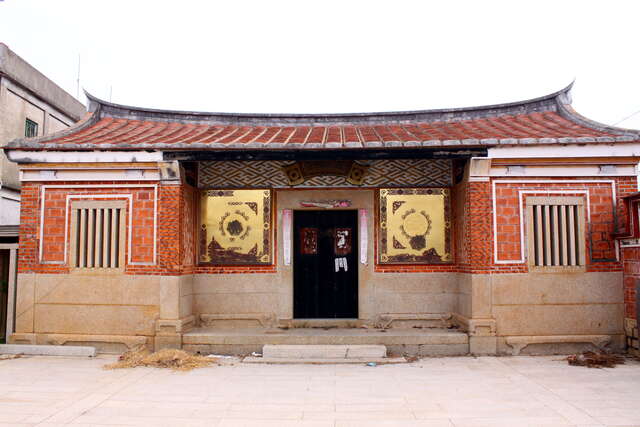
Image source: Taiwan_Opendata; license credits as shown.
Overview
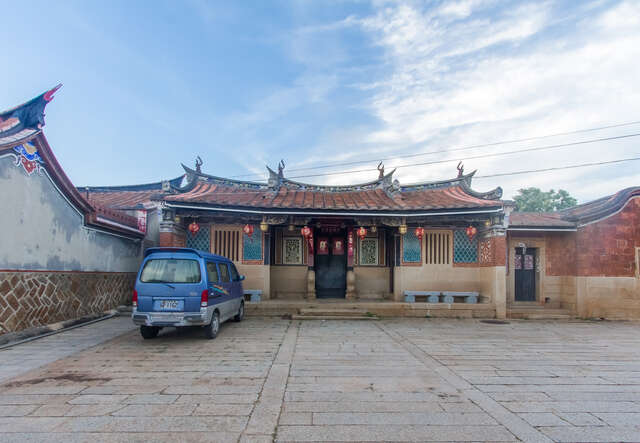
Former residence of Li Guangxian, Admiral of the Guangdong Navy in the Qing dynasty, built in the 59th year of Emperor Qianlong’s reign (1794) and now designated as a county-level historic monument. The residence features a three-courtyard layout with an added rear wing similar to a side house, representing an early Qing southern Fujian-style dwelling. Behind the house stands a towering “Taishan Shigandang” protective stone stele, regarded as the finest example of such stones in Kinmen. Inside the residence, more than ten themed exhibition rooms have been set up, including the Water Resources Hall, Local History Hall, Fishing and Oyster Hall, and Admiral Hall, displaying the deeds of Li Guangxian, the reconstruction process of Zhenwei Residence, daily utensils from the Ming and Qing dynasties, and traditional farming, fishing, and animal husbandry tools.
Highlights
Gulongtou Zhenwei Residence is the former home of Li Guangxian, Admiral of the Guangdong Navy in the Qing dynasty, and a county-designated historic monument. It is a local cultural exhibition space that combines a traditional southern Fujian three-courtyard house, a Taishan Shigandang stone, and multiple themed exhibition halls. Here you can admire the refined layout and craftsmanship of the old residence, while the exhibits introduce Li Guangxian’s life, Kinmen’s local history, and everyday agricultural and fishing implements from the Ming and Qing periods. The towering Taishan Shigandang behind the house is regarded as a representative example among Kinmen’s Shigandang stones and is a must-see highlight for visitors.
What to See
1. Qing-era three-courtyard traditional house layout Gulongtou Zhenwei Residence is centered on a deep three-courtyard layout with an added rear wing, presenting a typical early Qing southern Fujian residential style. Visitors can observe the configuration of courtyards, main hall, and side wings to sense the scale of life and ceremonial spatial arrangement for an official’s household of the time. 2. Architectural details and traditional craftsmanship The residence is largely constructed from local Kinmen granite, brick, and traditional masonry, with decorative elements such as swallowtail roof ridges and wooden lattice windows visible in some areas. Traditional techniques were used during restoration, preserving the simple exterior and fine craftsmanship of the old house, making it an excellent place to observe traditional Kinmen architecture. 3. Taishan Shigandang stone The “Taishan Shigandang” stele standing behind the house is notably tall and is regarded as the most impressive Shigandang stone in Kinmen. The stone bears striking inscriptions and forms, symbolizing the warding off of evil and the protection of the settlement. When taking photos, note its position and scale to appreciate the local folk beliefs it represents. 4. Cluster of exhibition halls Inside the residence, more than ten themed halls such as the Water Resources Hall, Local History Hall, Fishing and Oyster Hall, and Admiral Hall have been planned. Using the old house spaces with exhibition panels and objects, they introduce Li Guangxian’s deeds, the reconstruction process of Zhenwei Residence, and daily utensils and tools for agriculture, fishing, and animal husbandry in Kinmen during the Ming and Qing periods. The visiting route moves between the successive courtyards and side rooms, making it a place worth lingering to read and explore. 5. Stories of Li Guangxian and the Guningtou area Through the exhibitions and interpretations, visitors can connect Li Guangxian’s official background, his role in coastal defense, and the development of the Guning settlement. For travelers wishing to link the Guningtou Battle Museum, old streets, and traditional houses into a one-day tour, this is a key stop for understanding local culture and history.
Address
No. 25, beside Beishan, Guning Village, Jin’ning Township, Kinmen County 892 Tel: (08)2313100
Travel Tips
1. Recommended visiting time A typical visit takes about 1–1.5 hours. You can walk from the front courtyard to the main hall and then to the back of the house, before visiting each themed exhibition hall in turn. If you are particularly interested in architecture and history, allow close to 2 hours to study the exhibits and take photos. 2. Best time and season to visit Spring and autumn offer more comfortable temperatures and are ideal for combining with nearby outdoor attractions in the Guningtou area for walking or cycling itineraries. As the midday sun can be strong, it is recommended to visit in the morning or late afternoon to avoid harsh sunlight and to better capture the rooflines and courtyard light and shadow in photos. 3. Suggested route and transport connections Gulongtou Zhenwei Residence is located in Guning Village, Jin’ning Township, and can be included on the same route as attractions such as the Guningtou Battle Museum and Beishan settlement. If driving or riding a scooter, follow the village road signs to find the way; the walking distance is usually not long. If using public transport, first check bus timetables and alighting stops, then walk into the village. 4. Clothing and items to bring It is recommended to wear comfortable walking shoes, as there are still stone slabs, steps, and level changes between indoor and outdoor areas in the residence, so watch your footing as you walk. In summer, be sure to bring sun protection and drinking water; on rainy days, bring rain gear and be mindful of slippery ground. 5. Etiquette and photography guidelines Most spaces form part of the historic structure, so please avoid touching wooden components, doors, and exhibits, and follow on-site rules such as no eating, drinking, or smoking. If certain halls display signs prohibiting photography or restricting flash use, please comply to protect the artifacts and the experience of other visitors. 6. Linking with other attractions You can plan this site together with traditional settlements, wartime relics, and natural landscapes within Kinmen National Park (such as Cihu Lake and Shuangli Lake) as a half-day or full-day trip. Using the Guningtou area as the core, you can experience battle history, traditional villages, and old-house culture all in one itinerary.
FAQ
Q: What is the main focus when visiting Gulongtou Zhenwei Residence? A: Gulongtou Zhenwei Residence is mainly about appreciating the Qing-era three-courtyard traditional house and the Taishan Shigandang stone, while learning about Li Guangxian’s life and local Kinmen culture through multiple themed exhibition halls. The residence itself is a representative example of early Qing southern Fujian dwellings, with interior spaces planned as the Water Resources Hall, Local History Hall, Fishing and Oyster Hall, Admiral Hall and more, showcasing daily utensils from the Ming and Qing periods and tools used in agriculture, fishing, and animal husbandry. It is ideal for travelers interested in architecture and local culture to explore in detail. Q: How much time should I allow to visit Gulongtou Zhenwei Residence? A: It is generally recommended to allow about 1–1.5 hours to visit Gulongtou Zhenwei Residence. If you only stroll briefly through the courtyard and main exhibition halls, you may need slightly less time; if you wish to carefully read the explanations, photograph architectural details, and visit every hall, planning close to 2 hours will be more comfortable. Q: Which nearby attractions go well with a visit to Gulongtou Zhenwei Residence? A: Gulongtou Zhenwei Residence is suitable to combine with sites such as the Guningtou Battle Museum, Beishan settlement, and Guning settlement, forming a cultural route around Jin’ning Township and the Guningtou area. Travelers can arrange traditional houses, wartime relics, and natural scenery on the same day to fully experience Kinmen’s historical layers and local character. Q: What should I pay attention to when visiting Gulongtou Zhenwei Residence with seniors or children? A: When visiting Gulongtou Zhenwei Residence with seniors or children, pay attention to the stone steps and level differences inside and outside the old house, and it is recommended to walk slowly while holding hands to avoid running. As most areas are indoor exhibition halls combined with courtyard spaces, you can schedule appropriate rest breaks and prepare drinking water, sun protection, or rain gear to make the visit more comfortable and safe.