Hojuji Temple
Japan · 東山區 · Temples & Shrines
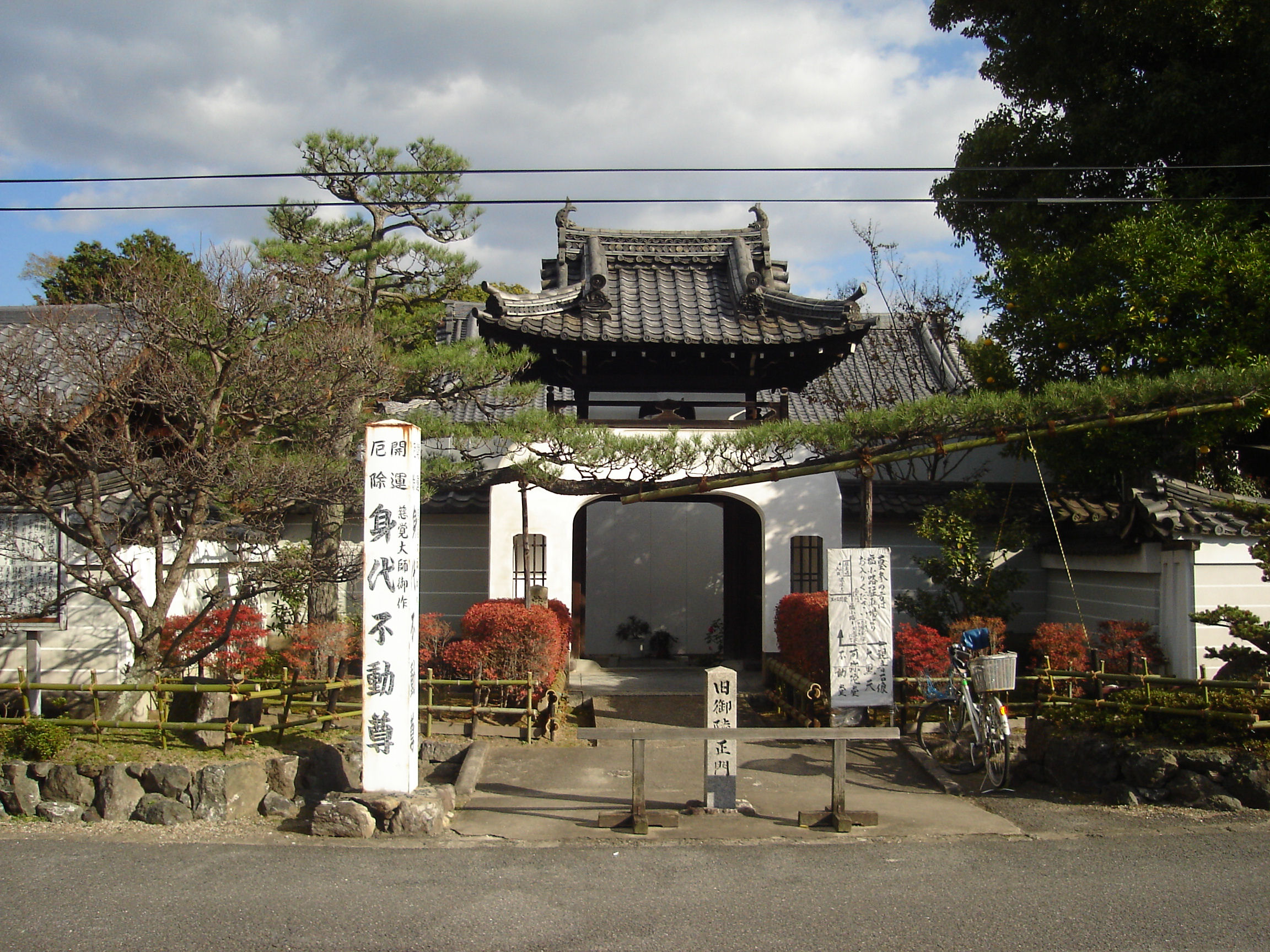
Image source: Wikimedia Commons; license credits as shown.
Overview
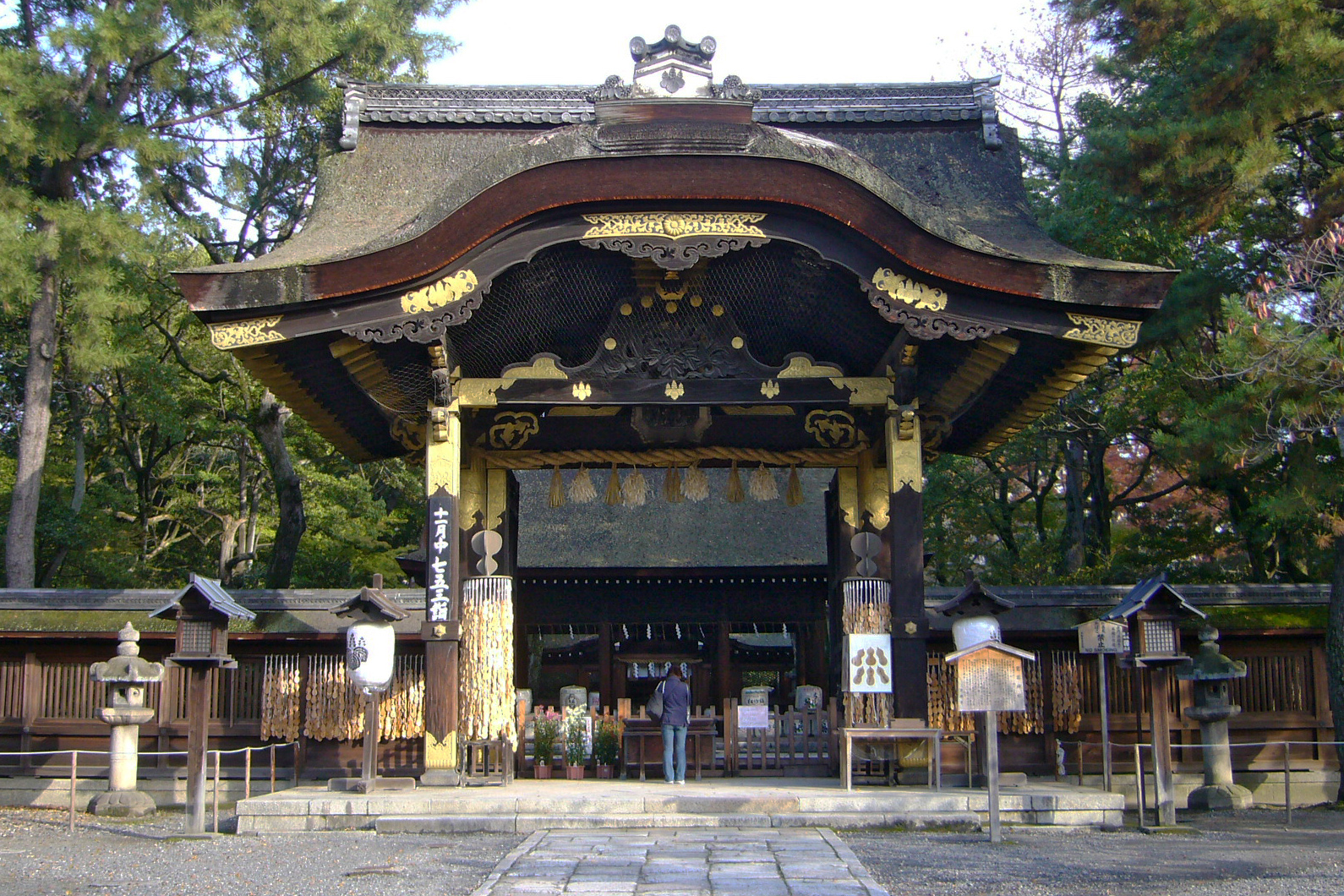
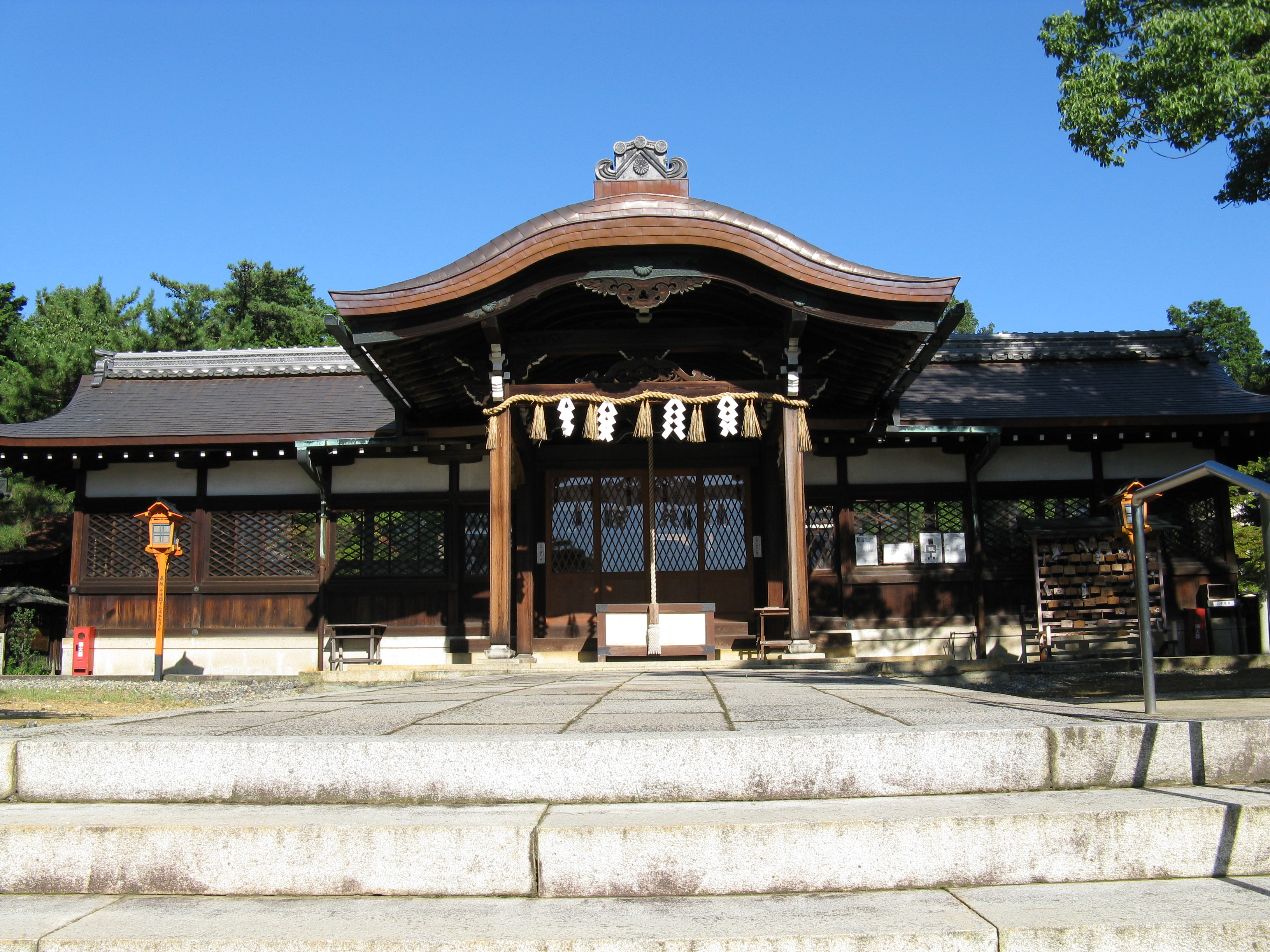
Hojuji Temple is a Tendai sect temple located in Higashiyama Ward, Kyoto City, and is an ancient temple associated with Emperor Go-Shirakawa. The main deity is Fudo Myoo, known as the 'Substitute Fudo', and it is famous for prayers for warding off evil and bringing good fortune. The temple offers experiences such as sutra copying and Dharma talks, providing a serene environment for worship.
Getting There
Approximately a 7 to 10-minute walk from the Keihan Main Line 'Shichijo' Station, or about a 2 to 5-minute walk from the city bus stop 'Hakubutsukan Sanjusan Kan-do Mae'.
Highlights
This temple is associated with Emperor Go-Shirakawa and conveys the history of Hojuji Temple. The main deity, Fudo Myoo, known as the 'Substitute Fudo', attracts faith for warding off evil and bringing good fortune. There are events such as sutra copying sessions and goma rituals, allowing for experiential worship.
What to See
Main Hall: The central building enshrining the main deity, Fudo Myoo. Amitabha Hall: Designated as the venue for sutra copying experiences. Statues of the Forty-Seven Ronin: Statues related to the Akō Ronin are enshrined here. Wooden Statue of Emperor Go-Shirakawa: An important highlight that conveys the temple's history.
Hours & Admission
Visiting hours are generally from 9:00 AM to 4:30 PM, or 9:00 AM to 5:00 PM as indicated. The admission fee is stated to be 500 yen, with sutra copying experiences around 1,500 yen. Since the schedule for events and reception hours may change, it is recommended to check in advance.
Address
655 Sanjusan Kan-do Mawari-cho, Higashiyama Ward, Kyoto City, Kyoto Prefecture, 605-0941
Travel Tips
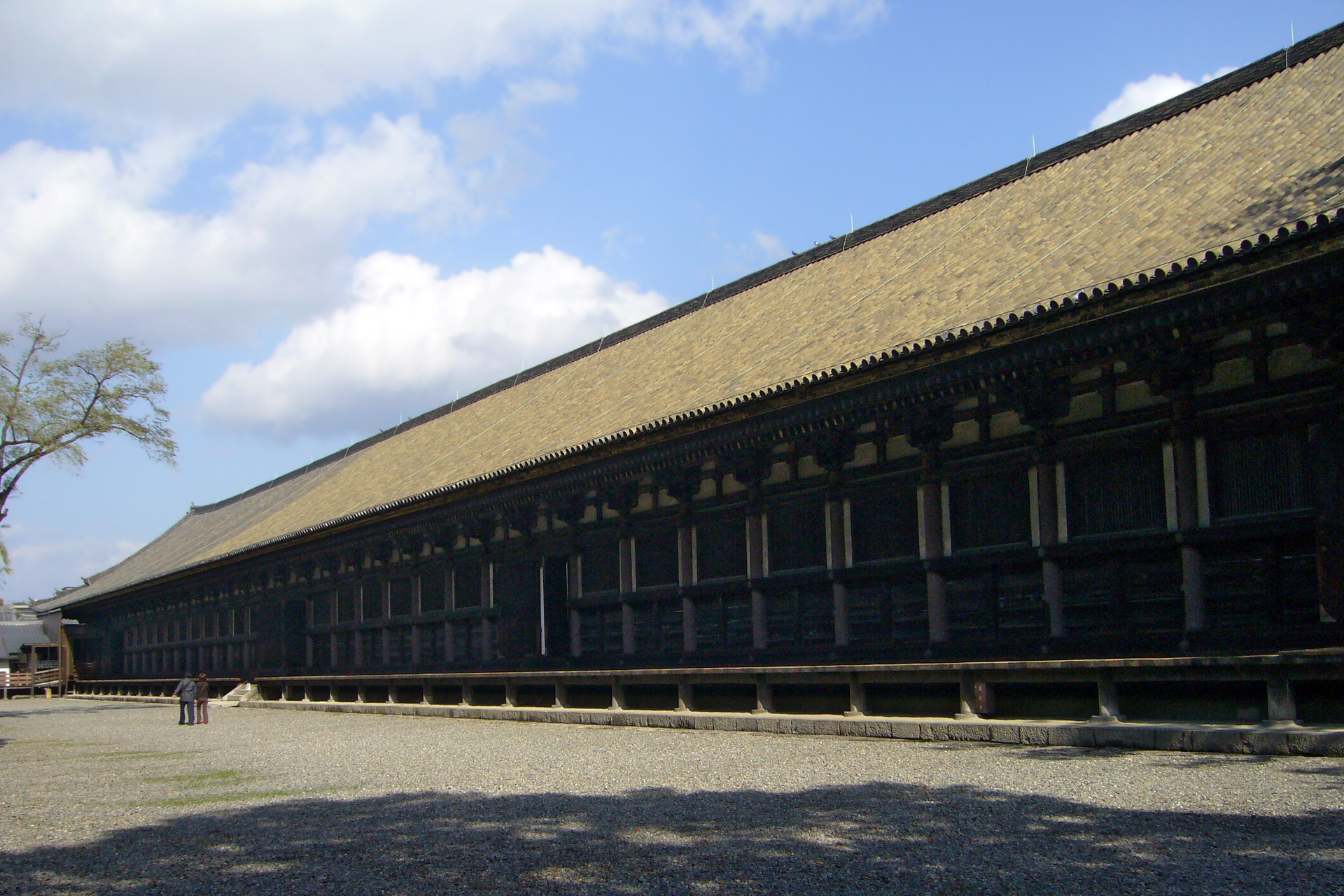
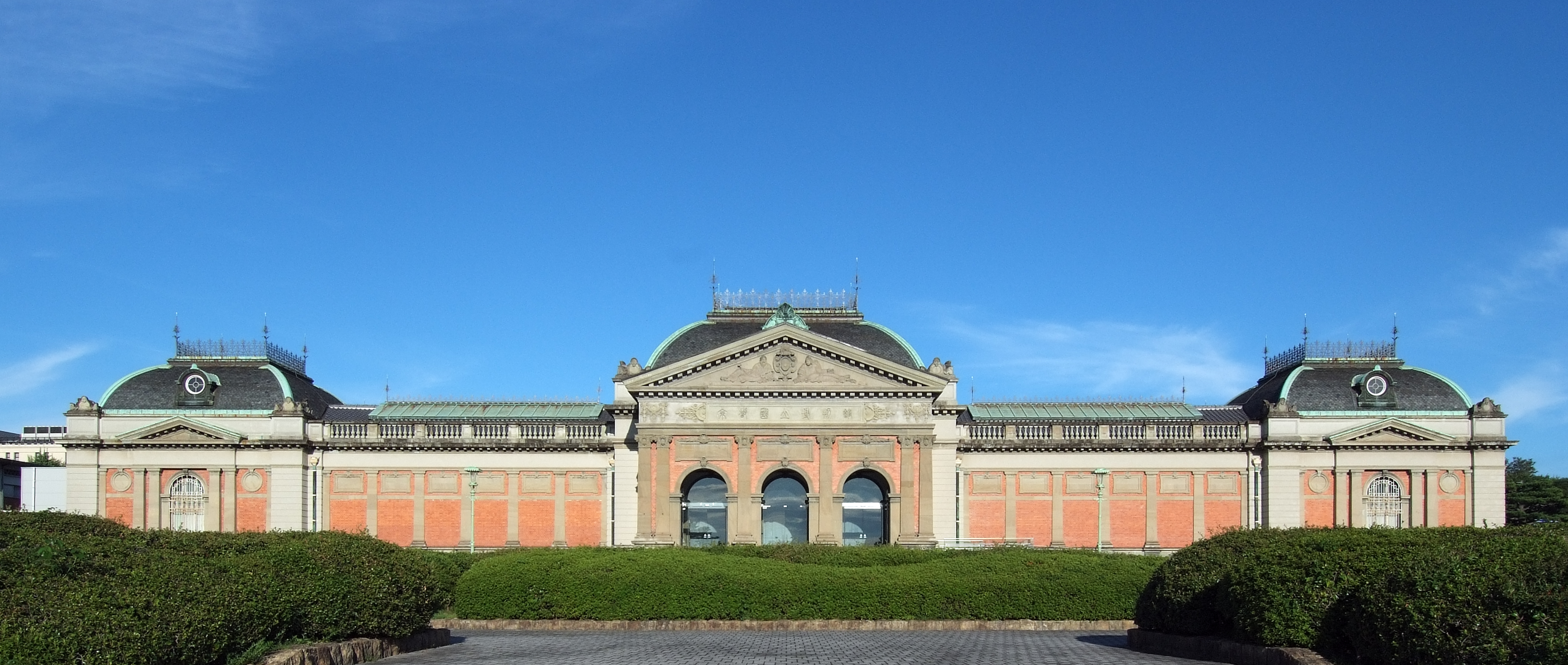
Combining visits to Sanjusan-do and the Kyoto National Museum allows for efficient sightseeing in the Higashiyama area. While sutra copying experiences are indicated to not require reservations, groups need to book in advance. Spring and autumn are suitable for strolling in Higashiyama, but the temple is relatively calm and easy to visit. There is information about free parking, but public transportation is convenient for surrounding sightseeing.
Nearby Dining
The area around the temple has many dining options near Sanjusan-do, and it is also convenient to travel towards Kyoto Station for meals. Information on dining near the temple is limited in search results, so using cafes and Japanese restaurants along the sightseeing route can make movement easier.
FAQ
Q: Where is Hojuji Temple located? A: Hojuji Temple is located at 655 Sanjusan Kan-do Mawari-cho, Higashiyama Ward, Kyoto City. Q: What is the nearest station? A: The nearest station is 'Shichijo' Station on the Keihan Main Line, about a 7 to 10-minute walk. Q: How much is the admission fee? A: The admission fee is stated to be 500 yen. Q: Can I experience sutra copying? A: Sutra copying experiences are available at Hojuji Temple, and it is indicated that reservations are not required. Q: What is the main deity? A: The main deity is Fudo Myoo, known as the 'Substitute Fudo'.