Kyoto National Museum
Japan · 東山區 · Museums, Culture & Arts
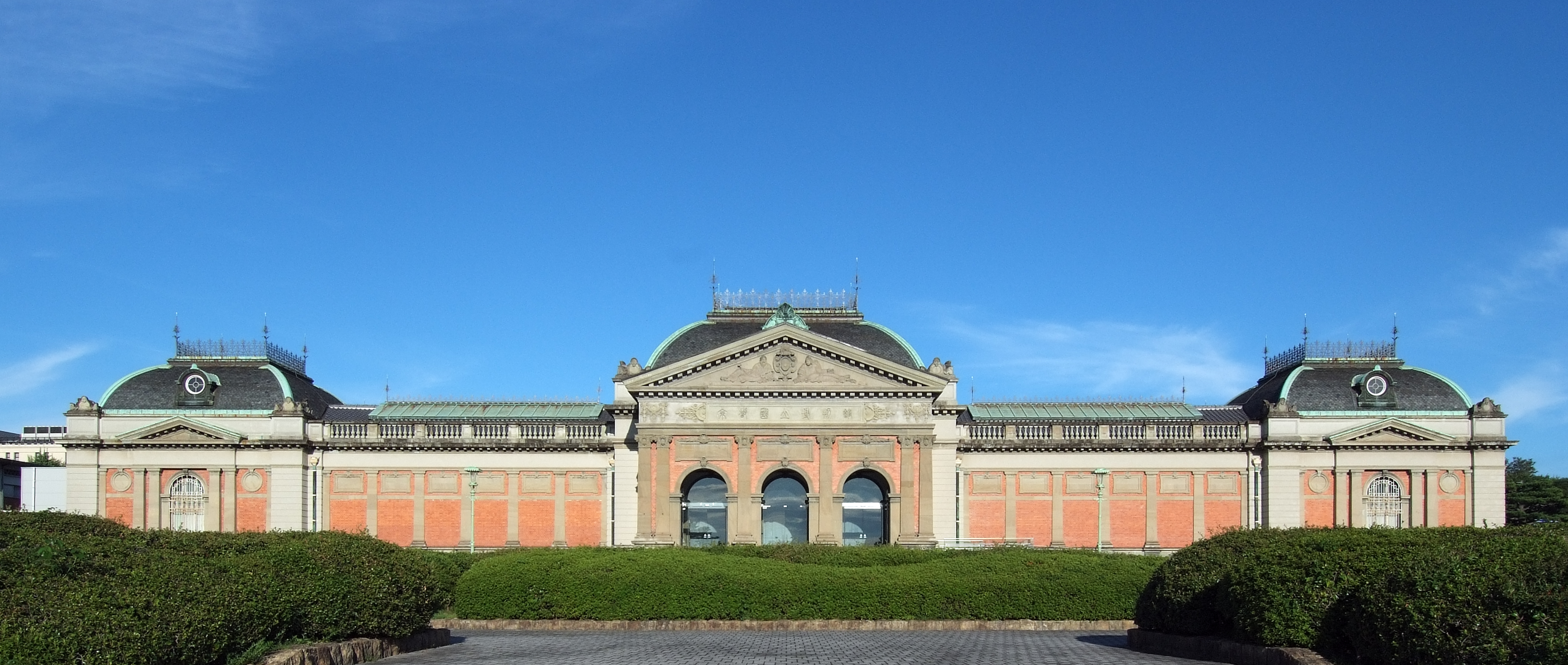
Image source: Wikimedia Commons; license credits as shown.
Overview
The Kyoto National Museum is located in the Higashiyama district of Kyoto City, primarily showcasing artworks and cultural assets from Kyoto, Japan, and East Asia, with both permanent and special exhibitions. The museum was established in 1897, and the Heisei Chishin-kan serves as the main exhibition space, while the Meiji Koto-kan is currently closed for renovations.
Getting There
Take the Keihan Railway to Shichijo Station and walk about 7 minutes; or take city bus 206, 208, or 100 from Kyoto Station to 'Museum・Sanju Sangendo-mae' and you will arrive directly.
Highlights
Founded in 1897, it is one of Kyoto's representative national museums. The collection consists of approximately 14,600 items, covering ceramics, paintings, sculptures, calligraphy, textiles, metalwork, and lacquerware. The main exhibition space is the Heisei Chishin-kan, which opened in 2014, and there is also the historical building Meiji Koto-kan. The permanent exhibitions are regularly updated, and special exhibitions are held periodically.
What to See
Heisei Chishin-kan: The main permanent exhibition hall, displaying the collection and entrusted items. Meiji Koto-kan: The old main building made of red brick, designated as an important cultural asset, is currently closed for exhibitions. Museum Garden: Open for visits during certain periods, arranged by the museum.
Hours & Admission
Opening hours are generally from 09:30 to 17:00, with permanent exhibitions often open until 20:00 on Fridays; entry usually closes 30 minutes before closing time, and may be adjusted during special exhibitions. Closed on Mondays, and if Monday is a national holiday, it will be closed the following Tuesday, with additional closures during the year-end and New Year period and for temporary reasons. Admission for the permanent exhibition: 700 yen for adults, 350 yen for university students; free for high school students and younger, those under 18, seniors over 70, and one caregiver for persons with disabilities. Tickets for special exhibitions must be purchased separately.
Address
〒605-0931 Kyoto City, Higashiyama District, Chaya-cho 527
Travel Tips
It is recommended to check the official website for announcements, as special exhibitions, night openings, and temporary closures may affect opening hours. To avoid crowds, consider visiting on weekday mornings; Friday evening openings are also suitable for travelers with later schedules. The museum has a café, accessible facilities, baby care equipment, and a parking lot, although parking spaces are limited and chargeable. Nearby attractions include Sanju Sangendo, Shichijo Street, and other sights in the Higashiyama area.
Nearby Dining
The museum has a café that can be used for resting after your visit. There are several Japanese restaurants and cafés along Shichijo Street and in the Higashiyama area, suitable for lunch or afternoon tea.
FAQ
Q: Where is the Kyoto National Museum located? A: The Kyoto National Museum is located at 527 Chaya-cho, Higashiyama District, Kyoto City. Q: How do I get to the nearest station? A: After taking the Keihan Railway to Shichijo Station, it is about a 7-minute walk to reach the museum. Q: How much is the admission fee? A: The general admission fee for the permanent exhibition is 700 yen, and 350 yen for university students; special exhibitions are priced separately. Q: Can I visit the Meiji Koto-kan now? A: The Meiji Koto-kan is currently closed for exhibitions due to renovations and other reasons.