Sanjusangendo
Japan · 東山區 · Landmarks
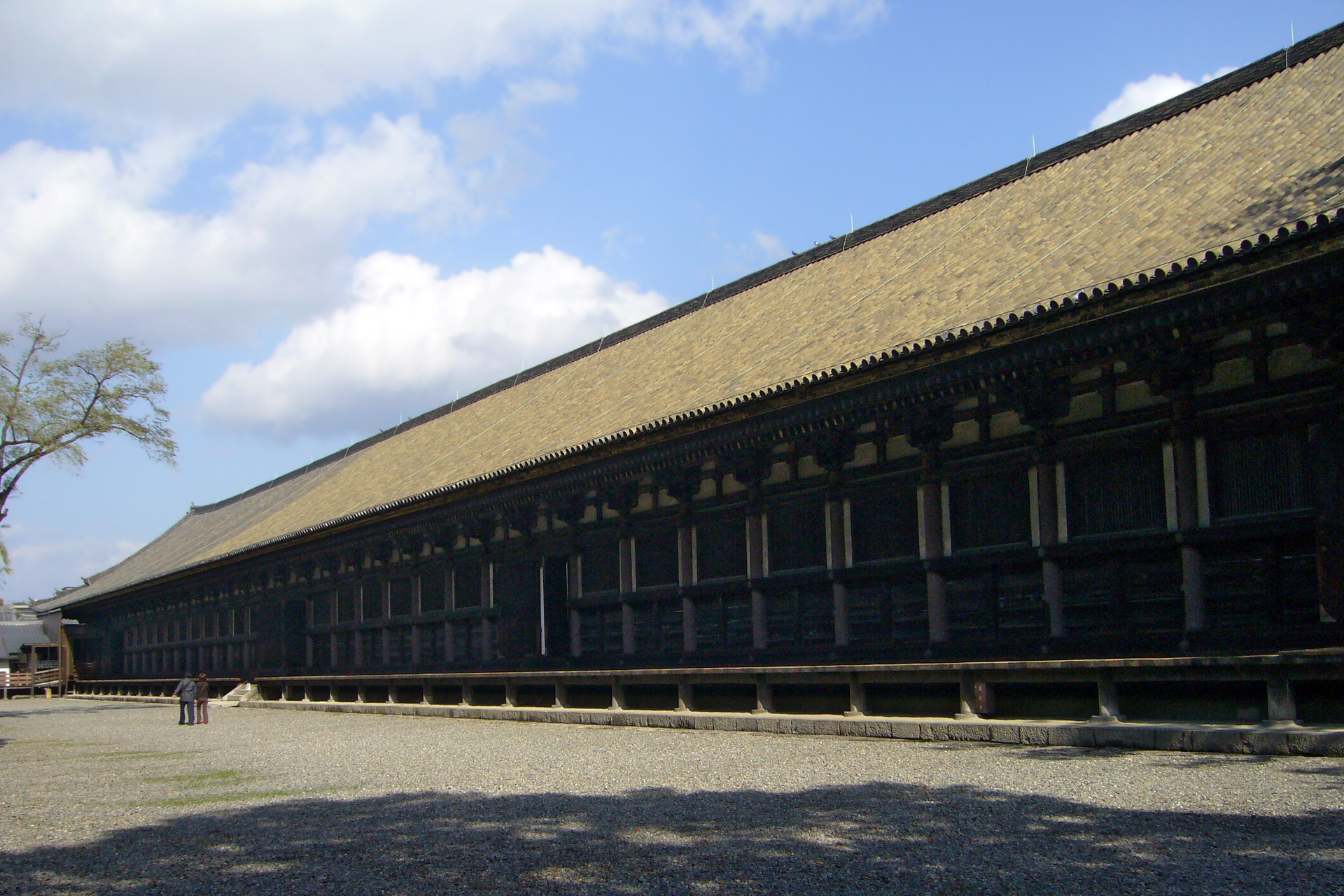
Image source: Wikimedia Commons; license credits as shown.
Overview
Sanjusangendo is a Tendai sect temple located in the Higashiyama district of Kyoto, famous for its approximately 120-meter-long wooden main hall and the enshrinement of 1,001 statues of Kannon with a thousand arms. It is one of Japan's important national treasures and cultural assets. The temple's official name is 'Hōjō-in Main Hall,' and the current structure was rebuilt in the 13th century, featuring a simple exterior that conceals a stunning array of Buddhist statues and a tranquil atmosphere.
Getting There
The most convenient way to reach Sanjusangendo is to take the Keihan Main Line to 'Shichijo Station,' and then walk east for about 5 to 7 minutes to the temple entrance. Alternatively, you can take city buses 100, 206, or 208 from Kyoto Station and get off at 'Museum Sanjusangendo-mae,' which is about a 1-minute walk away, or walk directly from Kyoto Station for about 20 minutes.
Highlights
The main feature of Sanjusangendo is the 1,001 statues of Kannon with a thousand arms enshrined in the main hall. In the center is the national treasure statue of Kannon seated, with 1,000 standing statues of Kannon arranged neatly on either side, creating a spectacular scene that is regarded as one of the most breathtaking collections of Buddhist statues in Kyoto. The north-south oriented main hall, measuring approximately 120 meters in length, is one of Japan's longest wooden structures, divided into 33 bays, which is also the origin of the name 'Sanjusangendo.' The temple grounds feature a Japanese garden and a strolling pond garden, combining historical architecture with natural scenery, allowing travelers to experience a rich Buddhist and traditional Japanese culture in a serene atmosphere. This site is also famous for its historical archery competitions held in the corridor, and the long corridor in front of the hall still evokes the grandeur of past competitions.
What to See
Main Hall: The main hall is the core building of Sanjusangendo, measuring approximately 120 meters in length and featuring a narrow wooden structure composed of 33 bays. The interior is dim and stable, showcasing the aesthetic of medieval Japanese temple architecture, and has been designated as a national treasure. Statues of Kannon: The central statue in the main hall is the national treasure statue of Kannon seated, flanked by 1,000 standing statues of Kannon, some of which date back to the temple's founding. This is one of the largest collections of Buddhist statues in Japan, with their golden brilliance and orderly arrangement providing a strong visual and spiritual impact. Twenty-Eight Guardian Deities and the Wind and Thunder Gods: In front of the Kannon statues are the standing figures of the guardian deities known as the 'Twenty-Eight Guardian Deities,' as well as the Wind and Thunder Gods, all exquisite wooden sculptures that showcase the pinnacle of Kamakura period carving artistry. Garden and Higashitei Strolling Pond Garden: The outer side of the main hall features the Higashitei Garden, a Japanese strolling pond garden where visitors can enjoy the scenery of pond water, trees, and temple architecture along the walking paths, with seasonal changes presenting different charms, making it especially suitable for a peaceful stroll after worship. Corridor and Archery Historical Site: The long corridor on the south side of the main hall was once the site of the famous 'Tōshi-ya' archery competition, where archers shot arrows from one end of the corridor to the other. Although large-scale competitions are no longer held, the space in front of the hall still retains a strong historical atmosphere.
Hours & Admission
Sanjusangendo is open year-round, with visiting hours varying by season. It is recommended that visitors enter at least 30 minutes before closing to have ample time to explore the statue collection and gardens. From April 1 to November 15, visiting hours are from 8:30 AM to 5:00 PM, and from November 16 to March 31 of the following year, hours are from 9:00 AM to 4:00 PM, with entry stopping 30 minutes before closing. Admission fees are 600 yen for adults, 400 yen for junior and senior high school students, and 300 yen for elementary school students. Some special ceremonial days, such as large gatherings (around January 15) and the Peach Blossom Festival (March 3), may have free admission or special arrangements, so it's advisable to check the official website before visiting.
Address
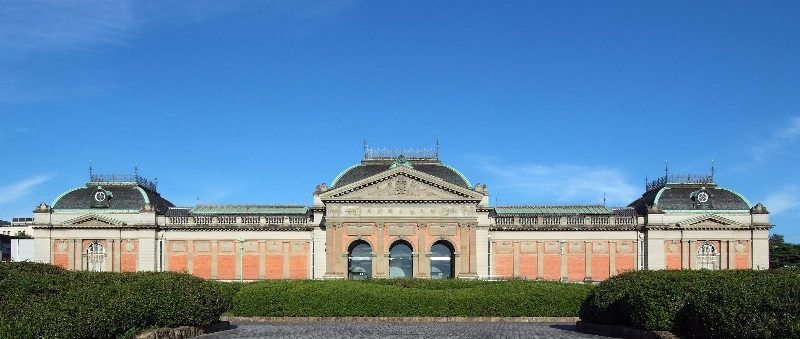
The address of Sanjusangendo is 657 Sanjusangendo, Higashiyama Ward, Kyoto City, Kyoto Prefecture, Japan, conveniently located east of Kyoto Station and near Shichijo Street. The temple is close to the Kyoto National Museum and other famous temples and shrines in the Higashiyama area, making it an ideal stop for a walking or bus day trip in Kyoto.
Travel Tips
It is recommended to allocate at least 1 hour to visit Sanjusangendo to fully appreciate the 1,001 statues of Kannon, the Twenty-Eight Guardian Deities, and the garden scenery, as well as to have time to read the explanations and enjoy a moment of quiet reflection. Photography and filming are strictly prohibited inside the main hall, so please put away cameras and mobile phones before entering to respect the religious space and other worshippers. Additionally, please keep noise levels down, refrain from running, and avoid touching the statues. The climate is more pleasant in spring and autumn, with the garden scenery being particularly beautiful; summer can be quite sunny, and winter can be cold inside the main hall, so it is advisable to prepare for sun protection, warmth, and easy-to-remove footwear according to the season, as some walking is required within the premises. The temple is very close to both Keihan Shichijo Station and the bus stop, but it may be crowded in the morning and evening. If you wish to enjoy the statues in a quieter atmosphere, it is recommended to visit shortly after opening on weekdays or later in the afternoon. Nearby attractions include the Kyoto National Museum, Kiyomizu-dera, and Gion, which can be arranged for a walking or short bus tour, forming a day route rich in Higashiyama temple culture.
Nearby Dining
Although there are not many major dining streets around Sanjusangendo, there are several small restaurants, cafes, and Japanese eateries near Shichijo Street and Keihan Shichijo Station, where you can have a simple meal or drink before or after your visit. If you take the Keihan train or bus back to Kyoto Station, you can take advantage of the department stores and underground shopping areas around Kyoto Station, which offer a wider variety of ramen, sushi, Japanese set meals, and dessert cafes as dining options during your trip. Travelers wishing to taste Kyoto-style dishes such as yudofu, kaiseki cuisine, or matcha desserts can arrange their meals in areas around Gion, Kiyomizu-dera, or Kawaramachi, and then take a bus or train to Sanjusangendo, combining culinary experiences with temple visits in the same day's itinerary.
FAQ
Q: What are the must-see highlights at Sanjusangendo? A: The must-see highlights at Sanjusangendo are the 1,001 statues of Kannon in the main hall and the national treasure collection of Buddhist statues, as well as the approximately 120-meter-long wooden main hall building itself. The central seated statue of Kannon, the rows of standing Kannon statues on either side, the Twenty-Eight Guardian Deities, and the Wind and Thunder Gods create a spectacular array of Buddhist figures, making it one of the most awe-inspiring temples in Kyoto. Q: How do I get to Sanjusangendo? A: The most convenient way to reach Sanjusangendo is to take the Keihan Main Line and get off at 'Shichijo Station,' then walk east for about 5 to 7 minutes to the temple entrance. You can also take city buses 100, 206, or 208 from Kyoto Station and get off at 'Museum Sanjusangendo-mae,' which is about a 1-minute walk away, or walk directly from Kyoto Station for about 20 minutes. Q: What are the visiting hours and ticket prices for Sanjusangendo? A: The visiting hours for Sanjusangendo are from 8:30 AM to 5:00 PM from April 1 to November 15, and from 9:00 AM to 4:00 PM from November 16 to March 31 of the following year, with entry stopping 30 minutes before closing. Admission fees are 600 yen for adults, 400 yen for junior and senior high school students, and 300 yen for elementary school students. Some special ceremonial days may have free admission or special arrangements, so it is advisable to check official information in advance. Q: Can I take photos inside Sanjusangendo? A: Photography and filming are strictly prohibited inside the main hall of Sanjusangendo, whether with cameras or mobile phones, to protect the statues and maintain the solemn atmosphere of worship. Most external buildings and gardens can be photographed freely, but it is still advisable to follow on-site signs and instructions from monks to avoid disturbing other worshippers. Q: Do I need to make a reservation to visit Sanjusangendo? A: Individual travelers generally do not need to make a reservation in advance to visit Sanjusangendo; you can simply purchase a ticket on-site during opening hours. However, large groups or those participating in special worship and ceremonial events may need to make arrangements through travel agencies or official channels, so it is advisable to confirm with the temple or travel operators in advance. Q: How much time should I allocate for visiting Sanjusangendo? A: Most visitors spend about 45 minutes to 1 hour at Sanjusangendo, which is sufficient to leisurely walk through the main hall corridor, appreciate the Kannon statues, and take a brief pause in the garden. If you wish to read the explanations in detail, sit quietly to feel the temple atmosphere, or photograph the external buildings and gardens, you may want to allocate 1 to 1.5 hours for a more relaxed visit. Q: What other attractions are nearby that I can visit together? A: Nearby attractions include the Kyoto National Museum and Toyokuni Shrine, which are within walking distance. You can also extend your visit to Kiyomizu-dera, Gion, and the Ninenzaka and Sannenzaka areas, which are popular spots in the Higashiyama region, creating a walking route rich in history and traditional Japanese atmosphere. If starting from Kyoto Station, you can also combine visits to Fushimi Inari Taisha or Higashi Hongan-ji as part of a day trip in Kyoto city or the Higashiyama area. Q: Is Sanjusangendo suitable for visiting with children or elderly companions? A: Sanjusangendo has a flat terrain and simple pathways. The main hall is a long corridor-style building, and while the walking distance is long, the slope is gentle, making it very suitable for visiting with elderly companions or school-aged children. Please note that silence must be maintained inside the main hall, and running or loud noise is not allowed. Also, please supervise children to avoid touching the statues or railings to ensure safety and decorum.