Hoko-ji
Japan · 東山區 · Temples & Shrines
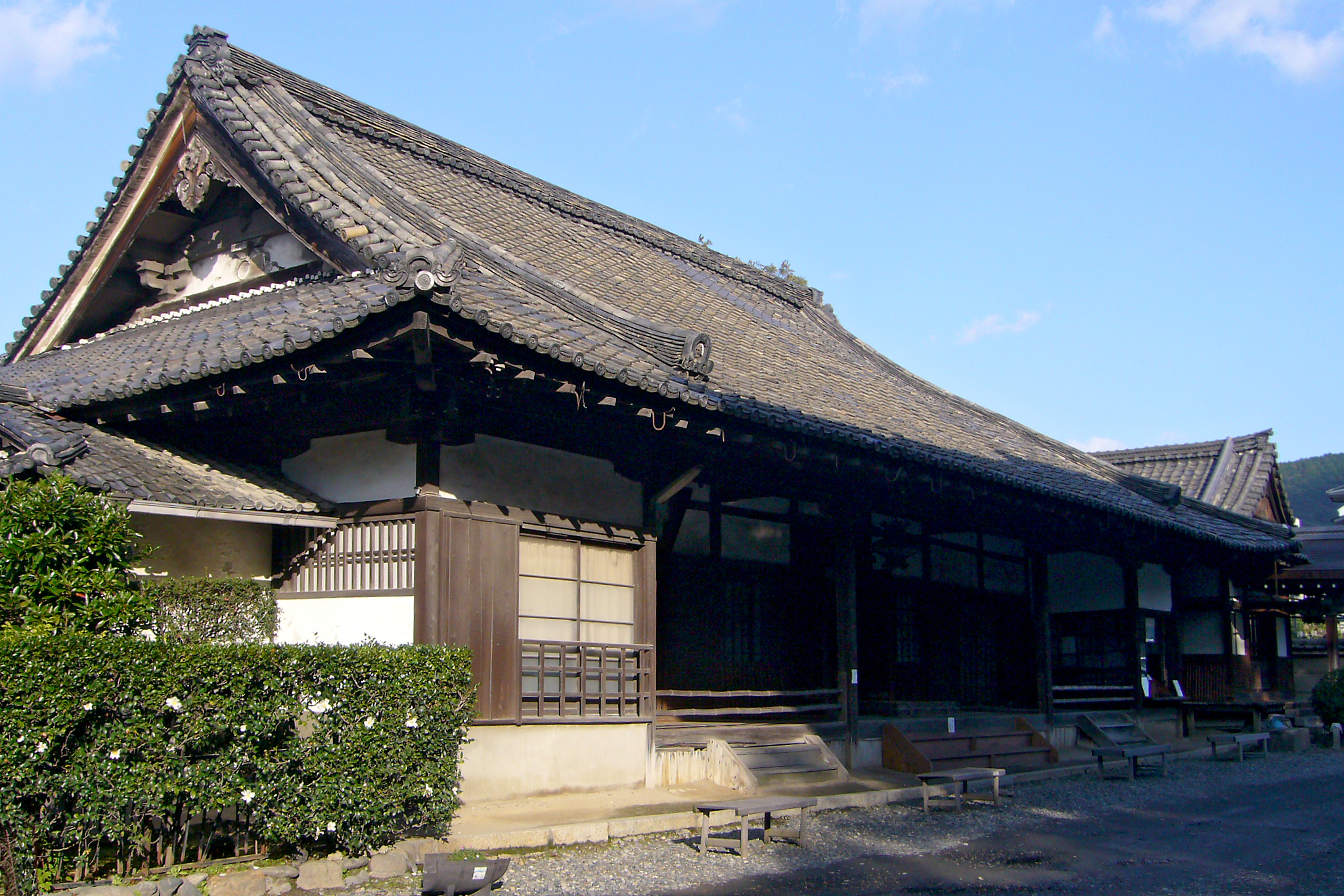
Image source: Wikimedia Commons; license credits as shown.
Overview
Hoko-ji is a Tendai Buddhist temple located in the Higashiyama district of Kyoto, Japan. It is famous for being built by Toyotomi Hideyoshi and is known for the 'Great Buddha of Kyoto' and the 'Hoko-ji Bell Inscription Incident'. Although the massive Great Buddha Hall is no longer present, the temple still retains its stone walls, bell tower, and one of Japan's three great bells, allowing travelers to reflect on the history of the conflict between the Toyotomi and Tokugawa during the late Sengoku period in a tranquil atmosphere. The temple is close to Sanjusangendo and Fushimi Inari Shrine, making it suitable for a small trip that combines historical walking and shrine visits.
Getting There
The most convenient way to reach Hoko-ji is to take the Keihan Railway to 'Shichijo' Station, and then walk about 10 minutes along Yamato Oji Street. Alternatively, from JR 'Kyoto' Station, you can take city bus numbers 100, 206, or 208 to 'Museum/Sanjusangendo-mae' Station, and then walk about 5 minutes to the temple entrance.
Highlights
The most distinctive feature of Hoko-ji is its inseparable historical background and relics related to Toyotomi Hideyoshi, including the ruins of the Great Buddha Hall that once housed a statue larger than the Great Buddha of Nara, and the famous bell inscribed with 'National Peace' and 'Lord and Subject Prosperity', which is considered a trigger for the Siege of Osaka. Today, the temple grounds are small and quiet, yet they preserve the stone walls, bell tower, and an ancient temple atmosphere, allowing travelers to appreciate the historical traces of the end of the Sengoku period in a less crowded environment. Additionally, Hoko-ji, along with the nearby Fushimi Inari Shrine and Fushimi Shrine, is often collectively referred to as the 'Toyotomi Three-Point Pilgrimage Route', which is popular among history enthusiasts and fans of Japanese castles and Sengoku culture.
What to See
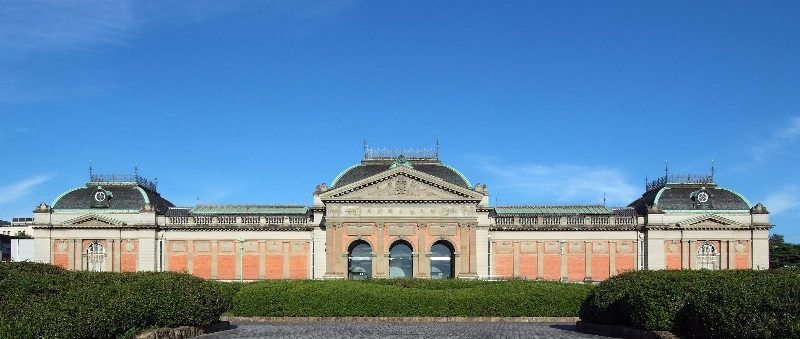
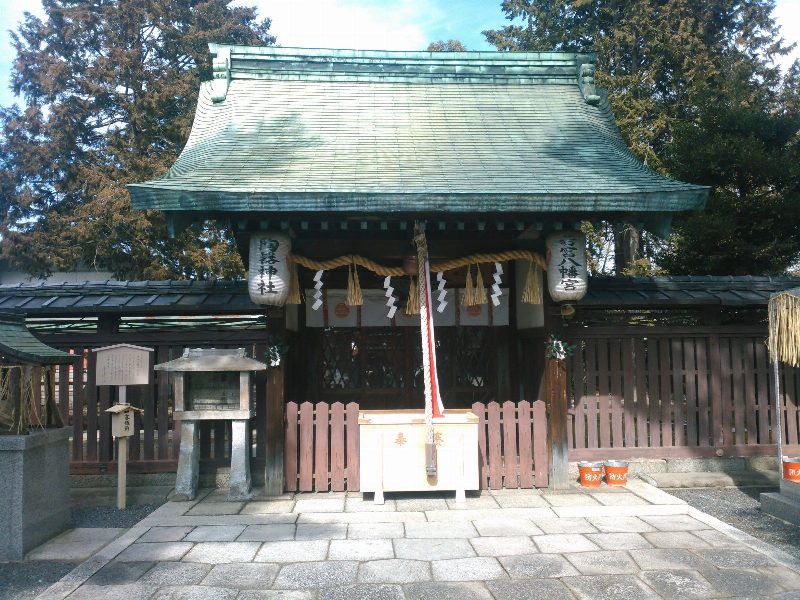
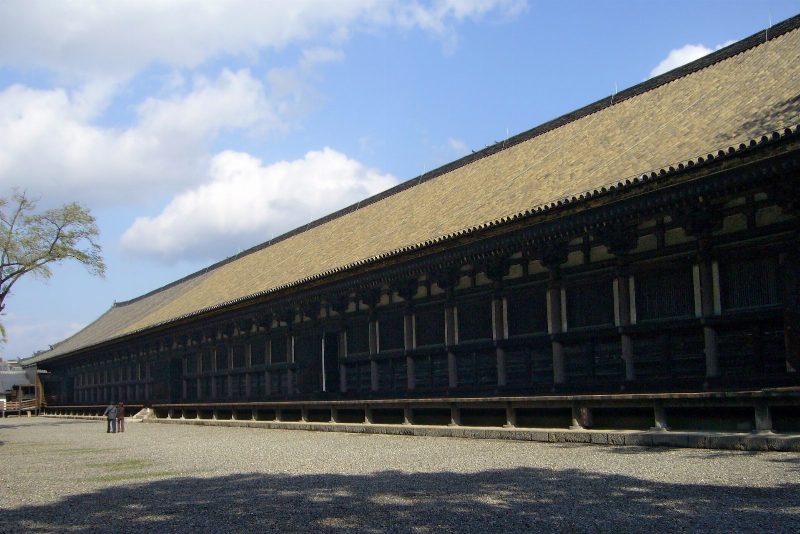
・Bell and Bell Tower: The temple's bell is ranked among the 'Three Great Bells of Japan' alongside those of Todai-ji and Chion-in. The bell is inscribed with phrases like 'National Peace' and 'Lord and Subject Prosperity', which were deemed disrespectful by Tokugawa Ieyasu, becoming an excuse for the Siege of Osaka. It serves as an important historical artifact for understanding the downfall of the Toyotomi clan. ・Ruins of the Great Buddha Hall and Stone Walls: When Hoko-ji was established, it housed a Great Buddha that was about 20 meters tall, reportedly surpassing the size of the Great Buddha of Nara. Today, the Great Buddha and the Great Buddha Hall have been destroyed, leaving only the stone walls, the ruins of the Great Buddha Hall, and some foundation remains. Informational plaques nearby help visitors imagine the grandeur of the temple and Hideyoshi's power in those days. ・Main Hall and Temple Grounds: The existing main hall is not large and enshrines the principal deity, Dainichi Nyorai. The surrounding courtyard is quiet and simple, making it more serene compared to the nearby bustling tourist areas, suitable for peaceful worship and a brief rest. ・Surrounding Temples and Shrines: Hoko-ji is adjacent to Fushimi Inari Shrine, which enshrines Hideyoshi, and the renowned Sanjusangendo, allowing visitors to explore the site of the bell inscription incident, the Hideyoshi shrine, and the Kannon Hall, weaving together the historical narrative of the rise and fall of the Toyotomi clan and the formation of Kyoto's castle town.
Hours & Admission
Visiting Hoko-ji is generally free, making it convenient for spontaneous visits. Typical visiting hours are from 9:00 AM to 4:00 PM. If you wish to enter the main hall, some sources indicate that there may be a fee of about 200 yen for adults and 100 yen for junior high school students and below, and the opening hours may vary depending on the temple's arrangements. It is recommended to check the official Kyoto tourism information or on-site notices for the latest opening hours and fee information before visiting.
Address
527-2 Chayamachi, Higashiyama Ward, Kyoto, Japan 605-0931 (Hoko-ji)
Travel Tips
The best way to visit Hoko-ji is to combine it with nearby attractions such as Sanjusangendo and Fushimi Inari Shrine, arranging a half-day to full-day historical walking route. It is about 1.5 kilometers from Kyoto Station, taking approximately 18 minutes on foot, allowing walking enthusiasts to experience the urban atmosphere along the way. The atmosphere inside the temple is relatively serene, with fewer crowds on weekdays and during the off-season, making it ideal for quietly reading informational plaques and closely examining the bell inscriptions and relics. Therefore, history buffs may want to allocate more time to stay here. Due to limited parking spaces primarily for worshippers, it is recommended to use public transportation whenever possible. If driving, nearby paid parking lots can be utilized. The spring and autumn seasons have pleasant weather, making them the best times to leisurely visit temples and ruins outdoors; summer afternoons can be quite hot, so it is advisable to bring water during early or late hours, while winter requires attention to warmth and icy surfaces. Those who enjoy collecting goshuin can request the standard temple goshuin and the Daikokuten goshuin at the temple office, which often features the Toyotomi clan crest 'Gohanan Kiri', making it quite commemorative.
Nearby Dining
The area around Hoko-ji is located in the Higashiyama district of Kyoto, where there are numerous Japanese restaurants, cafes, and dessert shops within walking distance. Travelers can choose dining options in the vicinity of Sanjusangendo and the Kyoto National Museum area. Before or after visiting the temple, visitors can try matcha and wagashi at nearby traditional sweet shops, or extend their journey towards Kawaramachi and Gion by taking a bus or walking, opting for a wider variety of Kyoto cuisine, kaiseki dining, and izakaya experiences to savor local flavors. Since there are no large commercial facilities directly in front of the temple, it is advisable to have a proper meal at Kyoto Station or around Kawaramachi during peak dining hours before planning a stroll around Hoko-ji and the surrounding shrines to avoid spending too much time searching for restaurants between attractions.
FAQ
Q: What is Hoko-ji famous for? A: Hoko-ji is famous for being a temple built by Toyotomi Hideyoshi, having once housed the giant 'Great Buddha of Kyoto', and for the famous bell that triggered the 'Hoko-ji Bell Inscription Incident'. It is one of the important historical stages for understanding the downfall of the Toyotomi clan and the Siege of Osaka. The inscriptions 'National Peace' and 'Lord and Subject Prosperity' on the bell were viewed as great disrespect by Tokugawa Ieyasu, providing an excuse for the attack on Osaka Castle, thus giving Hoko-ji a key position in Japanese history. Q: Can I still see the Great Buddha of Kyoto at Hoko-ji? A: The Great Buddha of Kyoto and the Great Buddha Hall that Hoko-ji originally housed have been destroyed due to fires and other reasons. Today, only the stone walls and the ruins of the Great Buddha Hall remain for reflection, and the original giant statue cannot be seen. However, there are relevant explanations and relics on-site that can help travelers imagine the grandeur of the Great Buddha and the temple in those days. Q: Is there an admission fee to visit Hoko-ji? A: Generally, visiting Hoko-ji is free, and walking around the temple grounds, bell tower, and relics usually does not require an entrance fee. Some travel information mentions that if you want to enter the main hall, there may be a fee of about 200 yen for adults and 100 yen for junior high school students and below. Actual opening and fee arrangements may vary depending on the temple's annual arrangements, so it is recommended to refer to on-site announcements. Q: How do I get from Kyoto Station to Hoko-ji? A: From JR 'Kyoto' Station, you can take city bus numbers 100, 206, or 208, and get off at 'Museum/Sanjusangendo-mae' Station, then walk about 5 minutes to reach Hoko-ji. If you choose to walk, it is about 1.5 kilometers from Kyoto Station to the temple, taking approximately 18 minutes, making it a great choice for combining urban walking. Q: What other attractions are nearby Hoko-ji that I can visit together? A: Hoko-ji is just a few minutes' walk from Sanjusangendo, famous for its statue of Kannon, and the Kyoto National Museum, which houses a rich collection of artifacts. It is also adjacent to Fushimi Inari Shrine, which enshrines Toyotomi Hideyoshi, allowing for a condensed historical walking route that reflects the late Sengoku period and Momoyama culture. If time permits, you can also extend your visit to Kiyomizu-dera, Gion, and other famous tourist areas in the Higashiyama district, forming a full-day cultural tour of the area.