Shuitou Settlement
Taiwan · Kinmen County · Jincheng Township · Museums, Culture & Arts
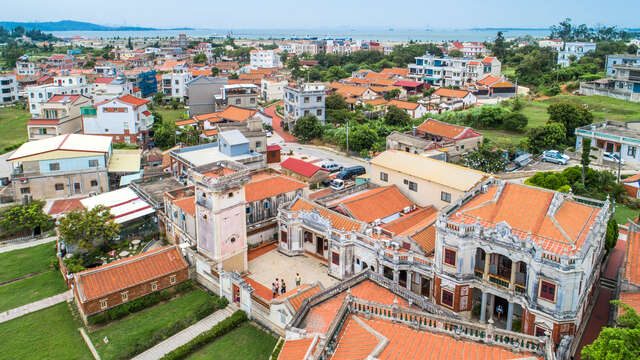
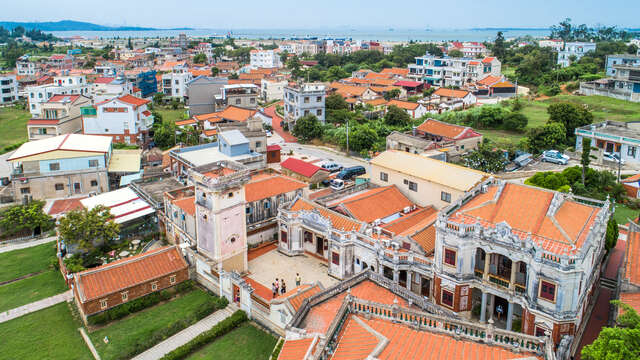
Image source: Taiwan_Opendata; license credits as shown.
Overview
Shuitou, also known as Jinshui, is located in the southwest corner of Jincheng Township and is a multi-surname settlement primarily inhabited by the Huang family. Historically, it served as a key transportation point between Kinmen and Xiamen.
Highlights
Shuitou Settlement is one of the most representative traditional settlements in Kinmen, famous for its dense collection of Minnan-style ancient houses and magnificent Western-style buildings. Also known as 'Jinshui', it is situated in the southwest corner of Jincheng Township, facing the waters of Xiamen. In the past, it was extremely prosperous due to foreign trade and remittances, leading to the saying 'With Shuitou, there is wealth; without Shuitou, there are no houses.' The settlement still retains a strong atmosphere of a hometown for overseas Chinese and a historical port.
What to See
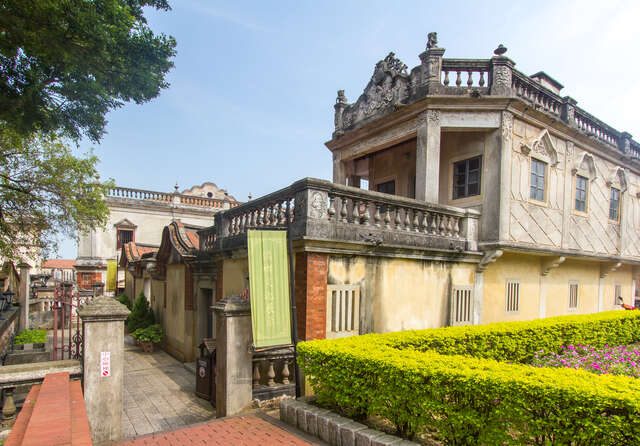
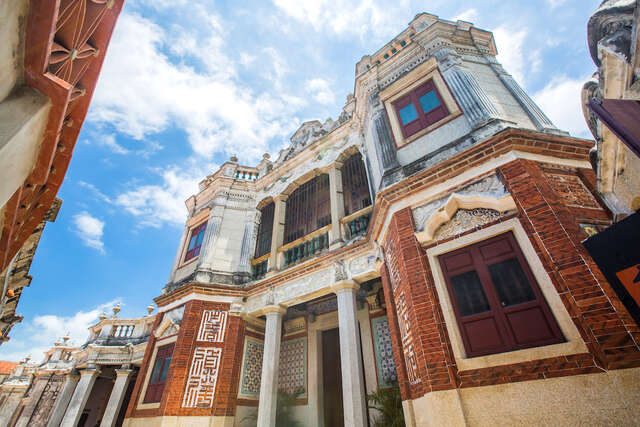
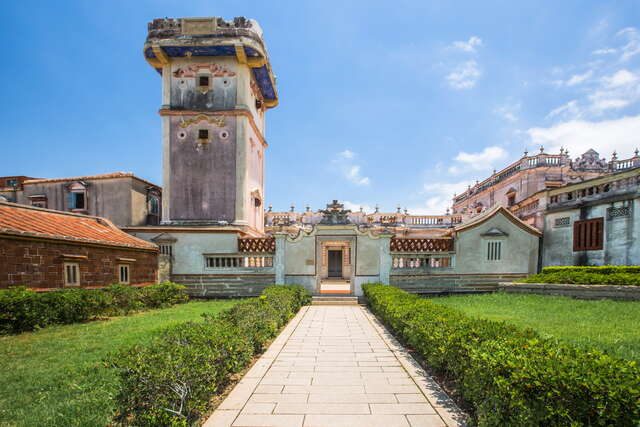
1. Deyue Tower: Deyue Tower is the most representative Western-style building and watchtower landmark of Shuitou Settlement, and it is also one of the iconic images of Kinmen's Western-style buildings. Built during the Japanese colonial period by Huang Huihuang, who became wealthy in Indonesia, its towering appearance combines defensive and residential functions, featuring gun holes and lookout openings that were used for theft prevention and monitoring sea movements in the past. Today, it serves as a must-take photo backdrop and a scenic viewpoint for tourists. 2. Huang Family Youtang Villa: Huang Family Youtang Villa is a residence of the Huang family that showcases the Jiangnan-style garden landscape. It is the most culturally rich ancient house representative in Shuitou Settlement. Built during the Qianlong period of the Qing Dynasty, it was once used as a private school and a newspaper office. The courtyard features a pond, pavilions, stone bridges, and plantings, presenting an elegant atmosphere that combines the culture of scholarly families and overseas Chinese communities, making it suitable for leisurely exploration to appreciate architectural details and inscriptions. 3. Streets of Minnan Ancient Houses and Western-style Buildings: Shuitou Settlement retains a large number of Minnan red-brick ancient houses, swallowtail ridges, and horseback-style roofs, as well as many elaborately decorated Western-style buildings, making it one of the settlements with the highest density of Western-style buildings in Kinmen. Strolling through the village, visitors can wander along the red-brick alleys between ancient houses and Western-style buildings, observing stone carvings, brick carvings, and decorations that blend Eastern and Western styles, while also experiencing the affluent village scene created by remittances from overseas Chinese. 4. Culture of Overseas Chinese and Local Life Scenes: Shuitou was once an important transportation and trade hub between Kinmen and Xiamen, with many villagers traveling to Southeast Asia for business and returning home to build luxurious residences, forming a settlement culture characterized by 'hometown for overseas Chinese.' Today, visitors can still see ancestral halls, family temples, and spaces for worship within the settlement. Some ancient houses have been converted into guesthouses, exhibition halls, or creative shops, allowing tourists to experience local life and historical stories within the old houses. 5. Coastal Scenery and Nearby Port Area: Shuitou Settlement is located near the southwestern coast of Kinmen Island, close to the direction of the Kinmen Port Transportation Center, just a short distance across the water from Xiamen, offering expansive views. Walking outward from the settlement, one can feel the sea breeze and the atmosphere of the port, understanding Shuitou's geographical advantage as a gateway for transportation and commerce in the past.
Travel Tips
Shuitou Settlement is a perfect place for leisurely walks, detailed observation of ancient houses, and photography by the sea. 1. Recommended Visit Duration: It is suggested to allocate at least half a day to stroll through Shuitou Settlement to visit Deyue Tower, Huang Family Youtang Villa, and several red-brick alleys, allowing time for photography and visiting exhibition spaces. If combined with nearby Jincheng Old Street or other attractions, a day trip can be quite fulfilling. 2. Best Visiting Times and Seasons: The spring and autumn seasons have cooler and drier weather, making it suitable for outdoor walks and photography between alleys and Western-style buildings, allowing for a more comfortable experience of the settlement's atmosphere. Early morning or evening light is soft, making Deyue Tower and the cluster of Western-style buildings more suitable for photography, while daytime is better for visiting indoor exhibition spaces and observing details of ancient houses. 3. Transportation and Navigation Tips: Most travelers will use Jincheng Township as a base and head towards the Kinmen Port Transportation Center to reach Shuitou, turning into the settlement following roadside signs. The settlement's streets are primarily for walking, and the red-brick alleys are relatively narrow, so it is recommended to park vehicles around the settlement and explore on foot to avoid disturbing residents and traffic flow. 4. Recommended Gear and Attire: The settlement features stone and red-brick pavements, so it is advisable to wear comfortable flat shoes or sneakers for long walks and photography stops. In summer, the sunlight can be intense, so bringing a hat, sunscreen, and water is recommended; if visiting during the northeast monsoon season, a light jacket for warmth and wind protection is advisable. 5. Cultural Etiquette and Photography Reminders: Shuitou Settlement still has residents living there, and some ancient houses are private residences or guesthouses. Please respect residents' privacy when taking photos and avoid pointing cameras directly at windows or inside homes. When visiting ancestral halls or family temples, pay attention to dress and volume, follow on-site notices or staff instructions, and maintain quietness and cleanliness. 6. Suggestions for In-Depth Experiences: Consider staying in a guesthouse within or near Shuitou Settlement to experience the atmosphere of a hometown for overseas Chinese while spending the night in an ancient building, and enjoy the different scenery of the settlement in the morning and evening light. If interested in architecture and history, it is recommended to research the background of Kinmen's overseas Chinese and Western-style building development in advance, and then compare architectural details on-site to better understand the significance of Shuitou Settlement.
FAQ
Q: How long should I plan to visit Shuitou Settlement? A: It is generally recommended to allocate at least half a day to visit Shuitou Settlement, allowing for a more leisurely exploration of Deyue Tower, Huang Family Youtang Villa, and various red-brick alleys. A half-day itinerary is sufficient for strolling through the main streets, taking photos, and visiting some indoor attractions; if you want to closely observe architectural details, experience guesthouses, and nearby attractions, combining it with a day trip or an overnight stay will be more fulfilling. Q: What are the main attractions in Shuitou Settlement that should not be missed? A: The highlights of visiting Shuitou Settlement are to appreciate the concentrated and well-preserved Minnan ancient houses and Western-style buildings, especially Deyue Tower and Huang Family Youtang Villa. Deyue Tower stands tall and prominent, combining defensive and residential functions, while Huang Family Youtang Villa presents a Jiangnan-style courtyard and scholarly atmosphere, complemented by red-brick ancient houses, stone carvings, and the charm of the overseas Chinese community, making it one of the best places to understand Kinmen's Western-style building culture. Q: Is transportation convenient to Shuitou Settlement, and how do I get there? A: Shuitou Settlement is located in the southwest corner of Jincheng Township. To reach it, drive from Jincheng towards the Kinmen Port Transportation Center, then turn into the village following the Shuitou signs. The settlement is not far from Kinmen's main towns and port areas, and it is usually most convenient to drive, ride a scooter, or take a bus to a nearby location and then walk in, as exploring the alleys and attractions is primarily done on foot. Q: Is Shuitou Settlement suitable for visiting with children or elderly companions? A: Shuitou Settlement mainly features flat red-brick alleys and stone-paved roads, generally making it suitable for children and the elderly to visit at a leisurely pace. However, attention should still be paid to the elevation of the ground and steps. Since some ancient houses and Western-style buildings have stairs and narrower entrances, it is advisable for elderly individuals with mobility issues or those using strollers to have family assistance and focus on outdoor alley walks and nearby photography, deciding whether to enter the upper floors based on individual circumstances.