Hung Hom Pak Tai Temple
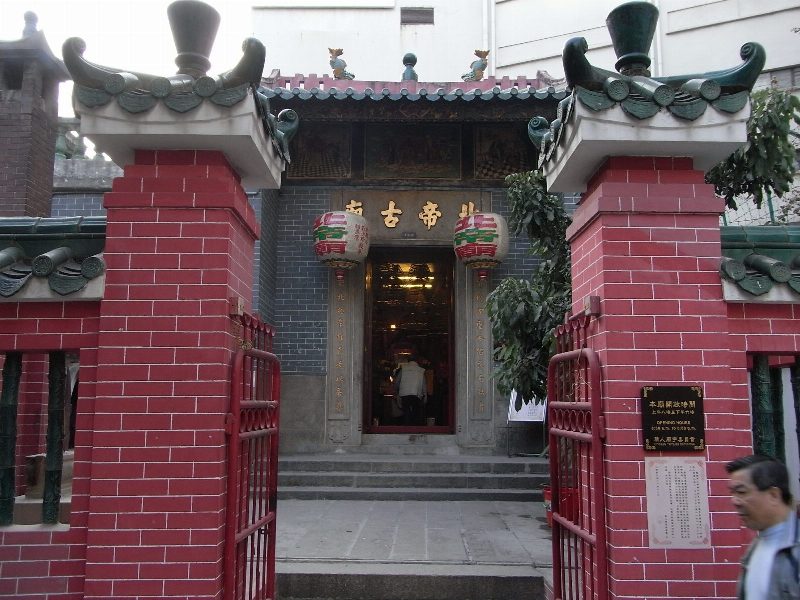
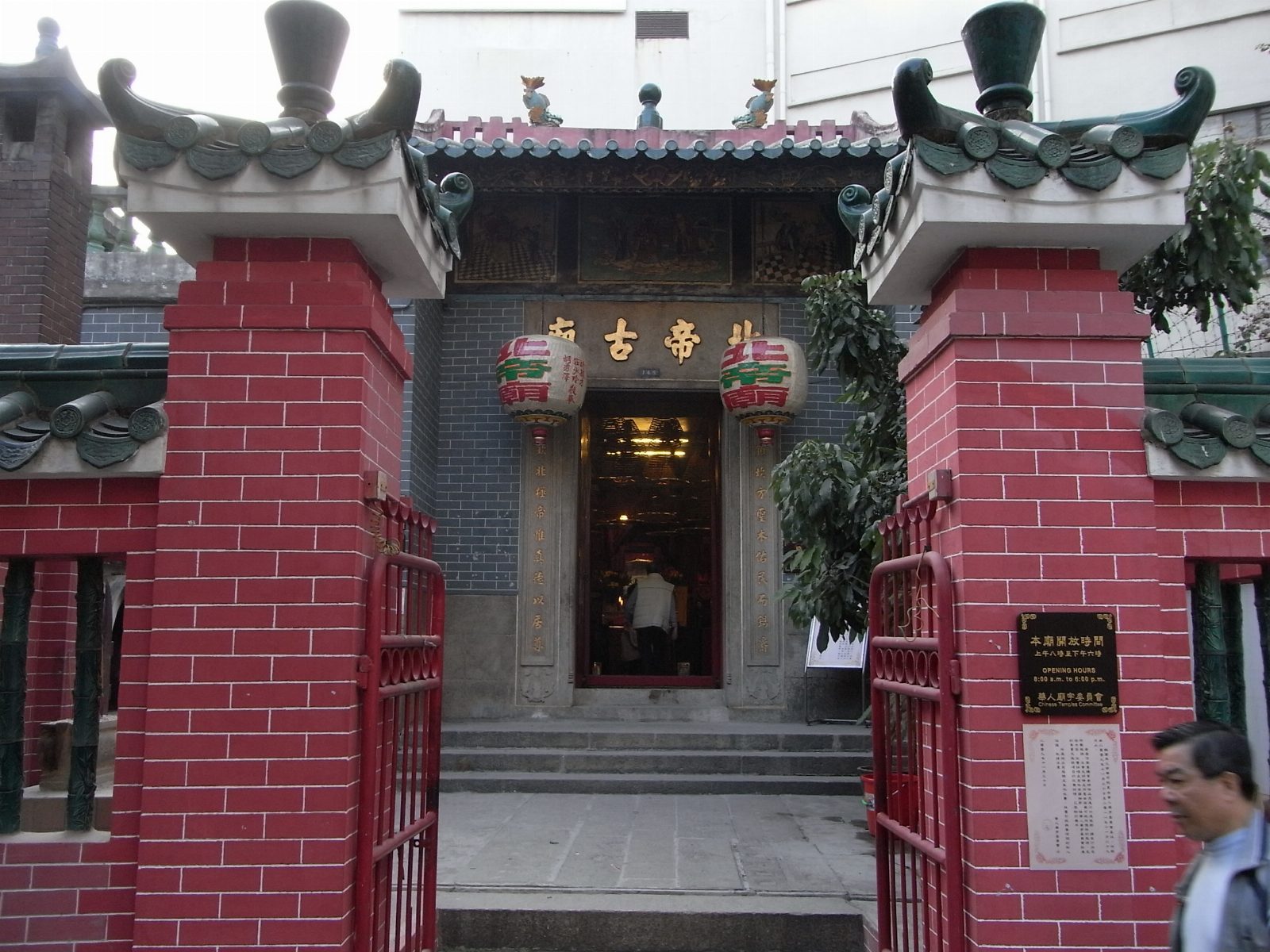
Image source: Wikimedia Commons; license credits as shown.
Overview
Hung Hom Pak Tai Temple is a historical Taoist temple located at Ho Yuen Corner in Hung Hom, Kowloon, dedicated to Pak Tai (Xuan Tian Shang Di). It was originally built in the second year of the Guangxu era of the Qing Dynasty (1876). The temple was demolished in 1921 due to urban development and was rebuilt at its current site in 1929. It is now managed by the Chinese Temples Committee and serves as an important center for folk beliefs in the Hung Hom area. The temple preserves an ancient bell from the Qing Dynasty and many deities' statues, and underwent renovations in 2017, combining traditional temple architecture with community faith life.
Getting There
The most convenient way to reach Hung Hom Pak Tai Temple is to take the MTR to To Kwa Wan Station, exit D1, and walk about 8 minutes to the temple located at 146 Ma Tau Wai Road, Ho Yuen Corner. Alternatively, you can walk about 20 minutes from Ho Man Tin Station, exit A2, or take a minibus from Jordan Station to Kowloon City or Wong Tai Sin, getting off at the intersection of Ma Tau Wai Road and Pak Gong Street and walking a few minutes.
Highlights
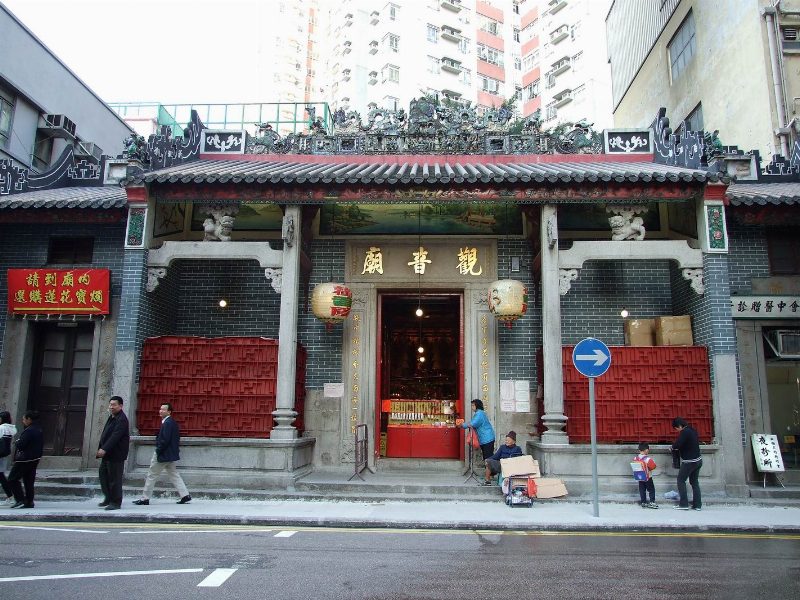
Hung Hom Pak Tai Temple is a traditional Taoist temple primarily dedicated to Pak Tai, Xuan Tian Shang Di, witnessing the historical transformation of the Ho Yuen Corner area from a shipyard settlement to an urban center. The temple was originally built on a small hill and later relocated due to urban development. The street next to the temple, 'Pak Gong Street,' symbolizes 'Pak Tai's protection,' reflecting its significance as a guardian of the locality. The architecture features a two-hall layout with a courtyard, a hard mountain roof, and a flat ridge, preserving an ancient bell from the 19th year of Guangxu (1893) and exquisite wood carvings and altars, showcasing the characteristics of Lingnan temples. During the third day of the third lunar month, Pak Tai's birthday, and the seventh lunar month, the Ullambana Festival, as well as the Guanyin's opening of the treasury, the temple is bustling with people, making it a great place to experience local folk beliefs and community culture.
What to See
The main hall of Hung Hom Pak Tai Temple enshrines the principal deity Pak Tai (Xuan Tian Shang Di), whose statue is solemn and majestic, making it an important place for devotees to seek blessings and peace. The temple also houses other deities such as Master Hua Guang, Guanyin, Bao Gong, Tin Hau, the God of Wealth, Dou Mu Yuan Jun, and the Sixty Tai Sui, showcasing the fusion of diverse folk beliefs in southern China. The temple's architecture features a two-hall layout with a courtyard, a hard mountain-style roof, an inset entrance, and a flat ridge, reflecting the beauty of traditional Cantonese temple structure and proportions. The temple preserves an ancient bell from the 19th year of Guangxu (1893) and ancient incense burners, allowing visitors to appreciate Qing Dynasty craftsmanship and historical traces while worshipping. In front of the temple, there is a community altar relocated from Gilly Street, with over a hundred years of history, symbolizing the protection of local land and community, making it one of the unique spots for photography and experiencing the local atmosphere.
Hours & Admission
Hung Hom Pak Tai Temple is open daily from 8:00 AM to 5:30 PM, generally allowing free entry without tickets, making it suitable for daytime visits and quiet worship. During festive periods such as Pak Tai's birthday, the Ullambana Festival, and Guanyin's opening of the treasury, the temple can be crowded, so it is advisable to arrive early and allow time for waiting to offer incense.
Address
146 Ma Tau Wai Road, Ho Yuen Corner, Hung Hom, Kowloon
Travel Tips
It is recommended to visit Hung Hom Pak Tai Temple in the morning to late afternoon to avoid evening crowds and to easily capture details and interior decorations of the temple. The atmosphere is liveliest during the third day of the third lunar month for Pak Tai's birthday, the Ullambana Festival in the seventh lunar month, and the 26th day of the first lunar month for 'Guanyin's opening of the treasury/Guanyin's borrowing of the treasury,' with the temple open all night on the evening of Guanyin's opening of the treasury, providing a special opportunity to experience local folk beliefs. The temple is located in a small neighborhood between residential areas and old districts, so it is recommended to explore the old Hung Hom area, To Kwa Wan, and nearby local shops and tea restaurants to experience community life and religious culture. Please maintain silence, dress modestly, and respect the worshippers and temple guidelines during your visit. If you wish to photograph the deities inside the temple, please consult the staff first.
Nearby Dining
The area surrounding Hung Hom Pak Tai Temple is the old districts of Hung Hom and Ho Yuen Corner, with many Hong Kong-style tea restaurants, noodle shops, and dessert shops near Ma Tau Wai Road and Ho Yuen Street, where you can enjoy classic local delicacies such as wonton noodles, roasted meat rice, pineapple buns, and silk stockings milk tea. Visitors can dine in the To Kwa Wan or Hung Hom Station area before walking to the temple for worship, or stop by nearby local restaurants after visiting to experience the leisurely atmosphere of the community. For more dining options, you can walk or take a vehicle to the Hung Hom waterfront or Whampoa Garden area to enjoy cafes and restaurants serving various cuisines.
FAQ
Q: How long has Hung Hom Pak Tai Temple been established? A: Hung Hom Pak Tai Temple was first built in the second year of the Guangxu era of the Qing Dynasty (1876), making it over 140 years old, and was rebuilt at its current site in 1929. The original temple was located on a small hill at the intersection of today's Qingzhou Street and Ma Tau Wai Road, and was demolished in 1921 due to urban development. It was later proposed by nearby shipyard managers to raise funds for reconstruction, and the temple is now managed by the Chinese Temples Committee and has undergone multiple repairs and maintenance. Q: Which deity is primarily worshipped at Hung Hom Pak Tai Temple? A: Hung Hom Pak Tai Temple primarily worships Pak Tai, also known as Xuan Tian Shang Di, a common deity of water and martial faith in southern China. The temple also worships Master Hua Guang, Guanyin, Bao Gong, Tin Hau, the God of Wealth, Dou Mu Yuan Jun, and the Sixty Tai Sui, with devotees praying to different deities for protection, fortune, and peace based on their needs. Q: What are the opening hours of Hung Hom Pak Tai Temple? A: Hung Hom Pak Tai Temple is generally open daily from 8:00 AM to 5:30 PM, making it convenient for devotees and visitors to worship and explore the architecture during the day. During important festivals such as Pak Tai's birthday and Guanyin's opening of the treasury, the temple may extend its opening hours or remain open all night, so it's advisable to check for announcements on-site or from the temple before visiting. Q: What is the easiest way to get to Hung Hom Pak Tai Temple? A: The most convenient way to reach Hung Hom Pak Tai Temple is to take the MTR to To Kwa Wan Station, exit D1, and walk about 8 minutes to the temple located at 146 Ma Tau Wai Road, Ho Yuen Corner. Alternatively, you can walk about 20 minutes from Ho Man Tin Station, exit A2, along Fo Guang Street to Ma Tau Wai Road, or take a minibus from Jordan Station to Kowloon City or Wong Tai Sin, getting off at the intersection of Ma Tau Wai Road and Pak Gong Street and walking a few minutes. Q: Is there an admission fee for Hung Hom Pak Tai Temple? A: Hung Hom Pak Tai Temple currently does not charge an admission fee, allowing general visitors and devotees to enter freely for worship, with the option to make voluntary donations for incense offerings. Incense and candles can be purchased at nearby shops or obtained according to on-site arrangements. It is recommended to respect religious customs and the quiet atmosphere during your visit. Q: When is the busiest festival at Hung Hom Pak Tai Temple? A: The third day of the third lunar month for Pak Tai's birthday is one of the most important and lively festivals at Hung Hom Pak Tai Temple, where devotees come to pay homage and pray for peace. Additionally, the Ullambana Festival held in the seventh lunar month and the Guanyin's opening of the treasury/Guanyin's borrowing of the treasury activities on the 26th day of the first lunar month are also very popular, with a large number of visitors during these times, making it a great opportunity to experience Hong Kong's folk belief culture.