Ikoin Temple
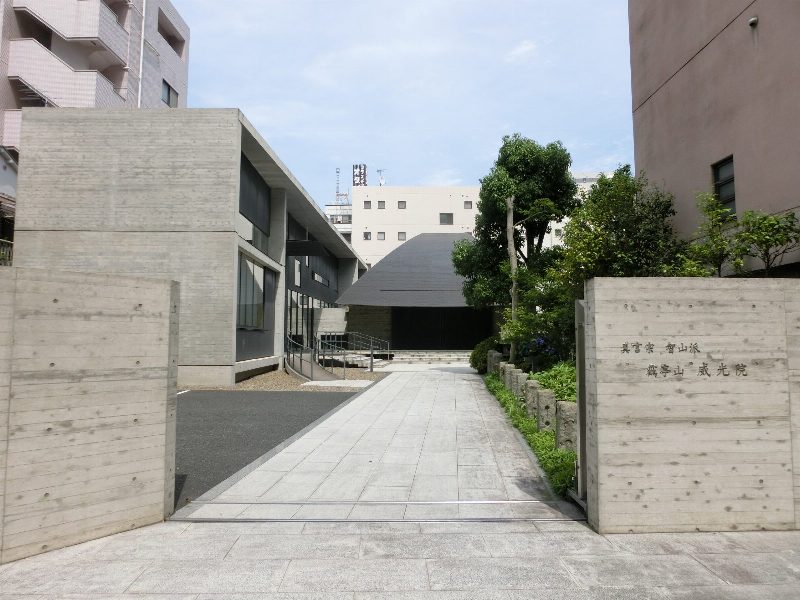
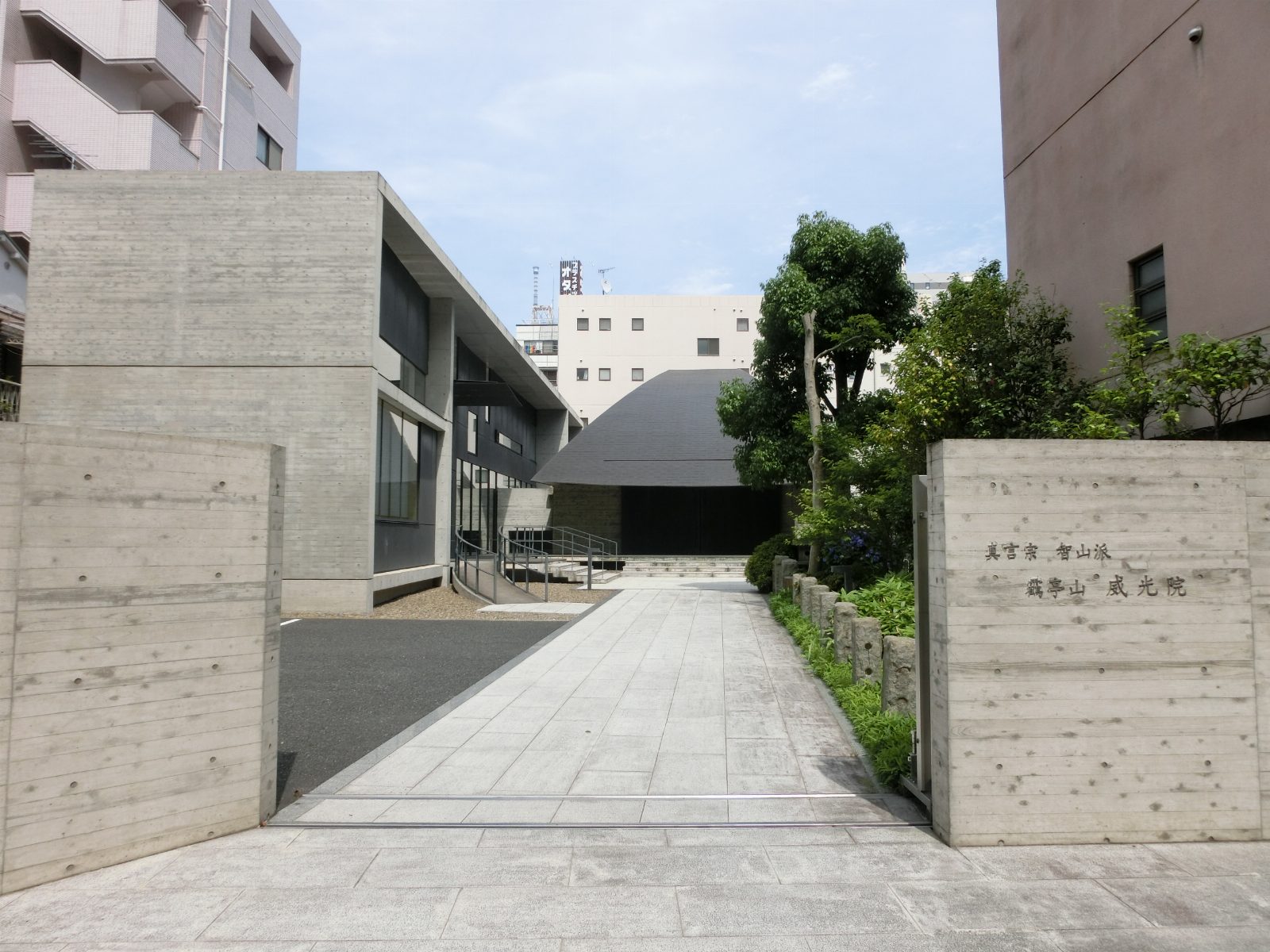
Image source: Wikimedia Commons; license credits as shown.
Overview
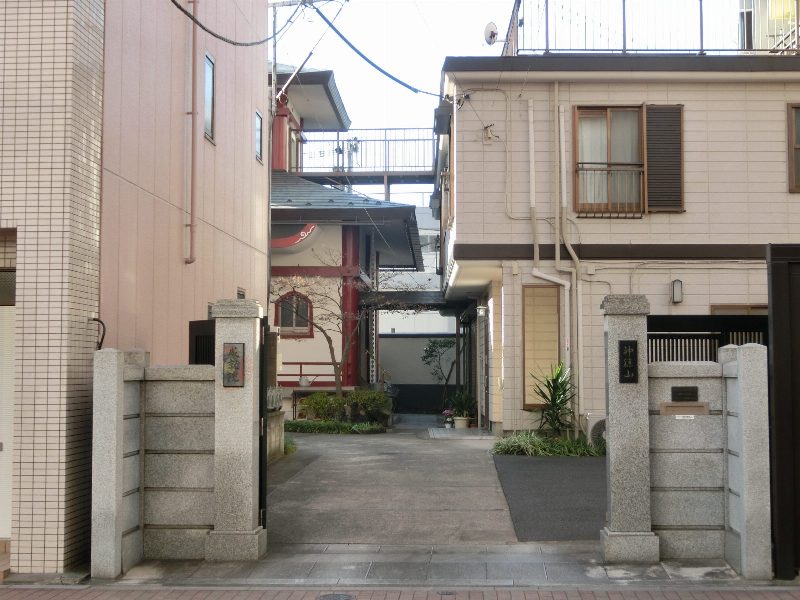
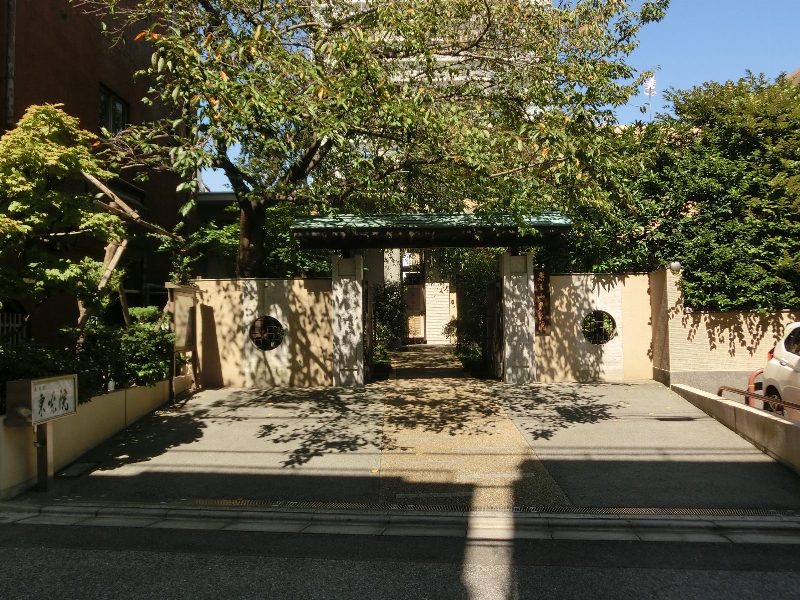
Ikoin Temple is a small Buddhist temple located in the residential alleys of Asakusa in Taito, Tokyo. It offers a serene environment with few visitors, primarily serving the local faithful. The temple is not large and is often visited as a local spot while strolling around Senso-ji Temple. Nearby attractions include Senso-ji Temple, Kappabashi Street, and the downtown scenery of Nishi-Asakusa, making it suitable for travelers who enjoy exploring hidden temples and the atmosphere of daily faith.
Getting There
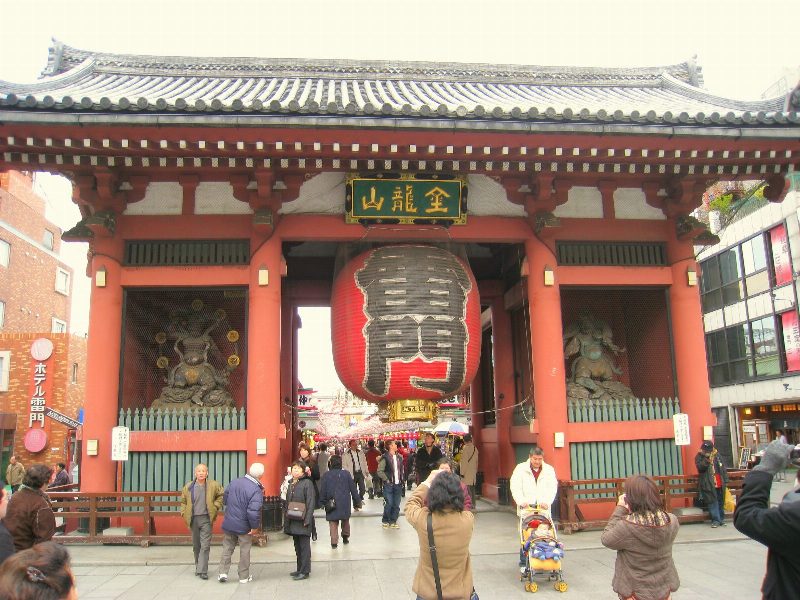
The most convenient way to reach Ikoin Temple is to take the Tokyo Metro Ginza Line to 'Tawaramachi Station' or 'Asakusa Station', and then walk about 8 to 12 minutes to the residential alleys of Nishi-Asakusa/Asakusa. If coming from the Tobu Skytree Line or Toei Asakusa Line 'Asakusa Station', you can also walk along Kaminarimon or Nakamise Street, passing by Senso-ji Temple and Nakamise Shopping Street along the way.
Highlights
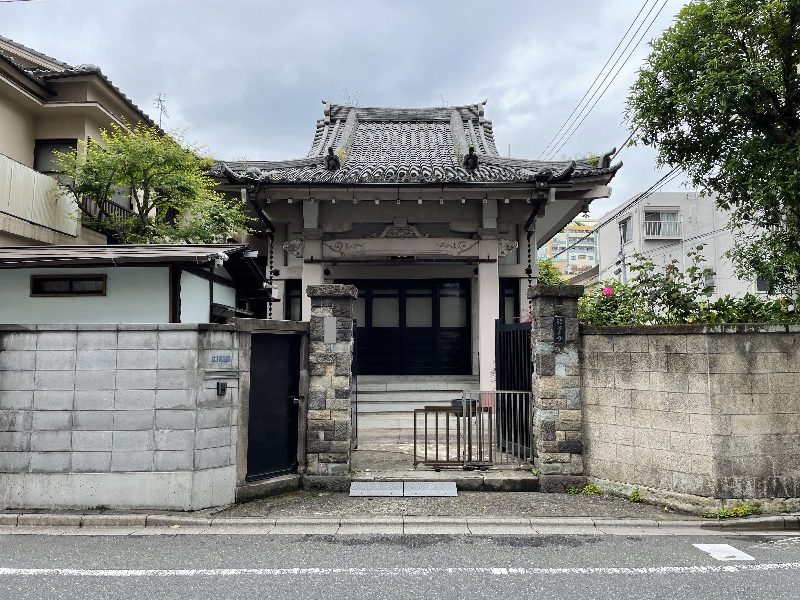
Ikoin Temple is a small and quiet local temple, characterized by its understated and simple downtown atmosphere and the daily worship of local residents. The temple architecture often combines modern elements with traditional eaves, and it typically houses a principal Buddha statue and ancestral tablets. Occasionally, rituals and Obon-related ceremonies are held. Due to the low number of tourists, visitors can briefly escape the crowds of Asakusa and experience the true rhythm of life in downtown Tokyo.
What to See
Ikoin Temple is relatively small, mainly consisting of the main hall and a simple courtyard in front of the temple, where you can see incense burners, flower offerings, and altars for Buddha statues. The temple generally has a main hall that houses the principal deity and memorial tablets, and most visitors engage in exterior worship and brief gestures of respect, without large tourist facilities or special decorations. The surrounding area retains many traditional low-rise residences and small shops, making it a great place to observe local daily life.
Hours & Admission
Ikoin Temple is a local temple and usually does not have a fixed admission fee. The courtyard is generally open to the public for worship during the day. The official opening hours are unclear, but it is recommended to visit during the day (around 9:00 AM to 5:00 PM) to avoid disturbing the temple's routine in the early morning or late at night. If you wish to enter for a ceremony or to visit the main hall, it depends on the day's arrangements and the consent of the temple's head priest.
Address
Residential alleys in Asakusa/Nishi-Asakusa, Taito, Tokyo (part of the group of temples around Senso-ji Temple). As it is a small local temple, the official address is often indicated only by a sign at the entrance. It is recommended to navigate using a map after arriving at Asakusa or Tawaramachi Station.
Travel Tips
It is recommended to plan your visit to Ikoin Temple as part of a walking itinerary that includes Senso-ji Temple and Kappabashi Street, to experience the quieter temple atmosphere outside the tourist area. Since it is a place of daily faith for residents, please maintain a quiet demeanor, refrain from eating, smoking, or speaking loudly within the premises, and avoid moving offerings or photographing ongoing ceremonies. Dress neatly, and if allowed to enter the main hall, please remove hats and silence your mobile phone notifications as a sign of respect. Be cautious of slippery surfaces on rainy days.
Nearby Dining
Ikoin Temple is located in the Asakusa area, where there are plenty of dining options within walking distance. You can enjoy meals around Senso-ji Temple or near Kappabashi Street before or after your visit. It is recommended to try traditional Japanese snacks near the Kaminarimon and Nakamise Street, such as Ningyo-yaki, senbei, and wagashi, or head to Nishi-Asakusa and Komagata Bridge for tempura, sushi, and soba from long-established shops. If you want a simple break, there are many retro coffee shops and trendy cafes in the Asakusa area where you can enjoy coffee while soaking in the downtown atmosphere.
FAQ
Q: What type of religious facility is Ikoin Temple primarily? A: Ikoin Temple is a small Buddhist temple primarily serving local faithful and is not mainly for tourism. It houses Buddha statues and ancestral tablets, and activities such as rituals, memorial services, and Obon offerings are common. Visitors are encouraged to engage in quiet worship and exterior appreciation. Q: Is there an admission fee to visit Ikoin Temple? A: Generally, there is no admission fee for worship at Ikoin Temple, as it is a small temple with free access. Visitors wishing to express their intentions can make offerings in the incense box, but this is not mandatory; if there are specific ceremonies or rituals, whether additional offerings are required will depend on temple notices or guidance from monks. Q: How long do you recommend staying when visiting Ikoin Temple? A: A visit to Ikoin Temple typically lasts about 10 to 20 minutes, mainly for exterior viewing, brief worship, and a short rest. Due to the temple's small size, it is more suitable as a stop along a walking route in Asakusa rather than a standalone destination for a long visit. Q: Are there any etiquette considerations to keep in mind when visiting Ikoin Temple? A: When visiting Ikoin Temple, please maintain silence, avoid noise, and do not litter. Also, refrain from eating or smoking within the premises to respect the local faith space. When worshiping, you can bow slightly at the entrance before joining your hands in prayer for a moment. If you wish to take photos, please avoid areas marked 'No Photography' and refrain from photographing others' ceremonies or private rituals. Q: What other attractions are nearby that can be visited? A: Nearby Ikoin Temple, you can visit Senso-ji Temple, Kaminarimon, Nakamise Shopping Street, and Kappabashi Street, among other popular attractions. You can also extend your walk to the banks of the Sumida River and the Tokyo Skytree area, experiencing the contrast between the bustling tourist area and the tranquil local temple atmosphere in one day.