Toko-ji Temple
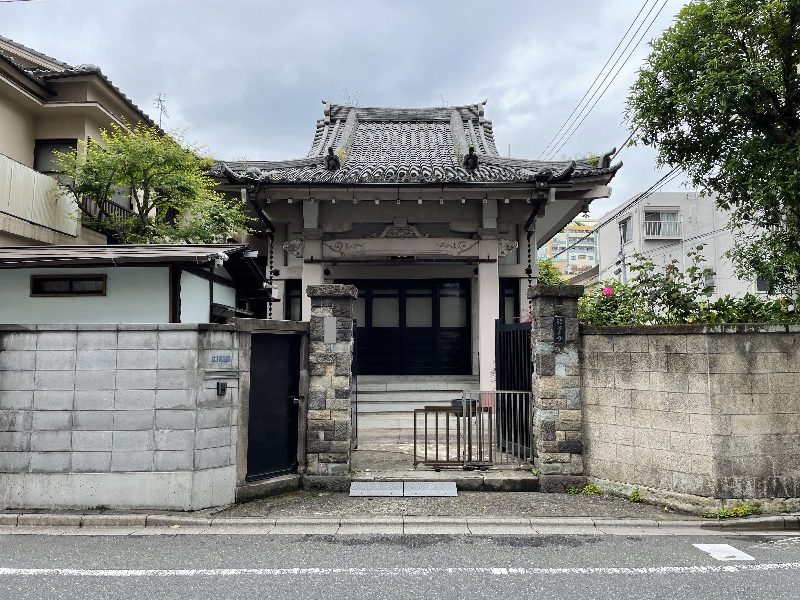
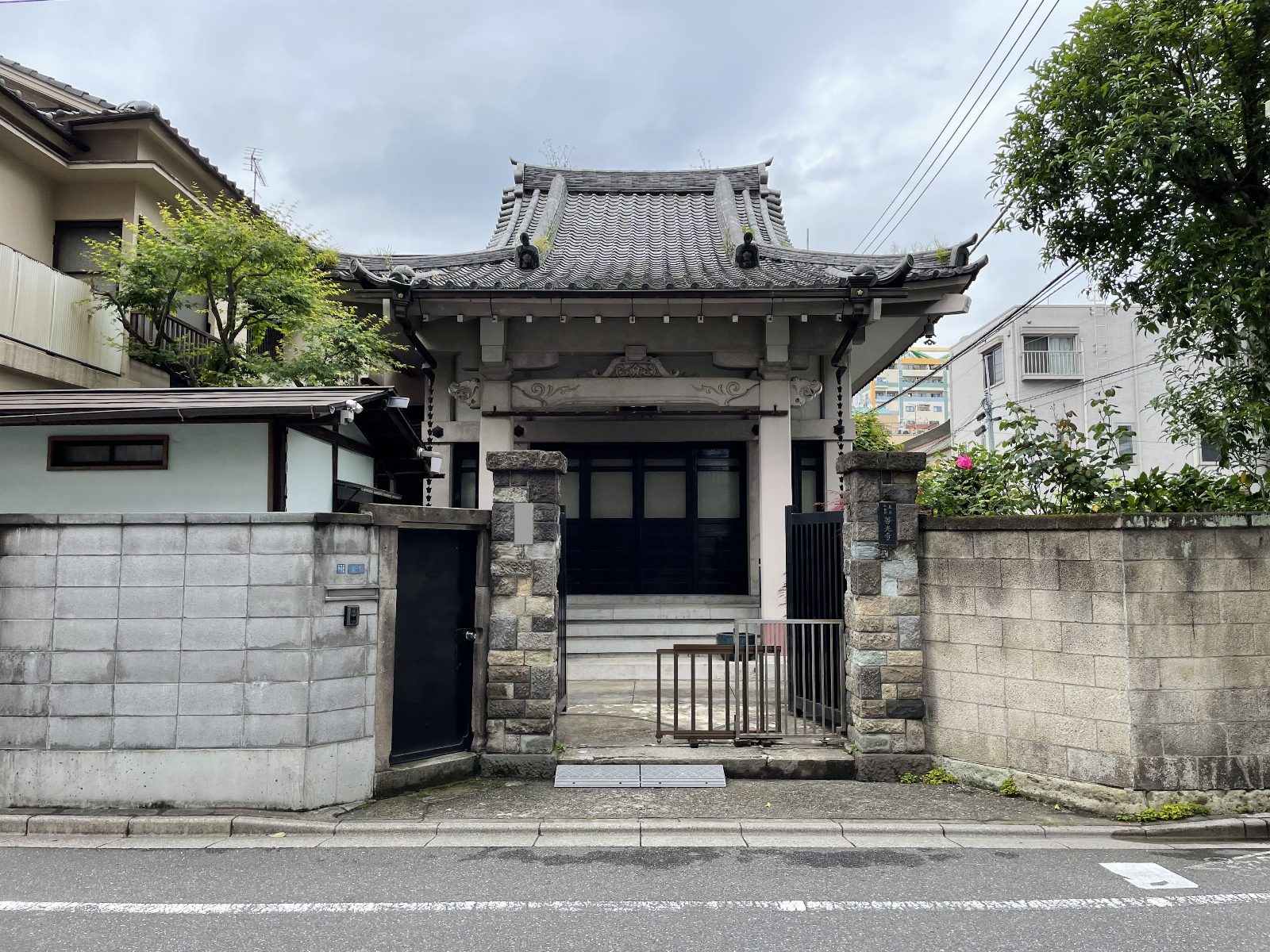
Image source: Wikimedia Commons; license credits as shown.
Overview
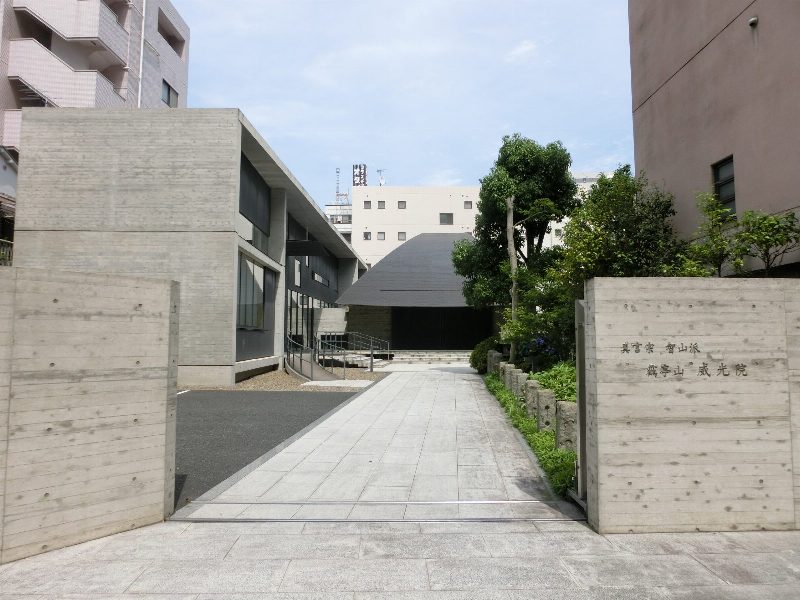
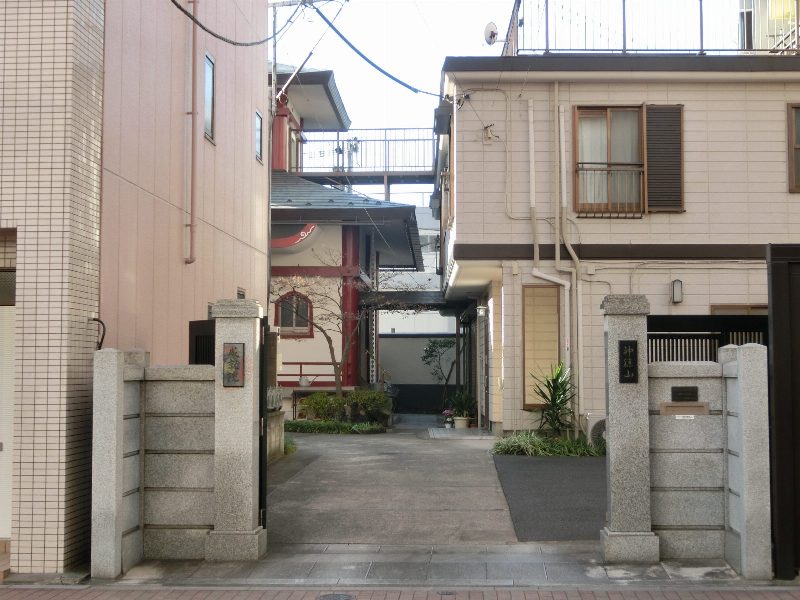
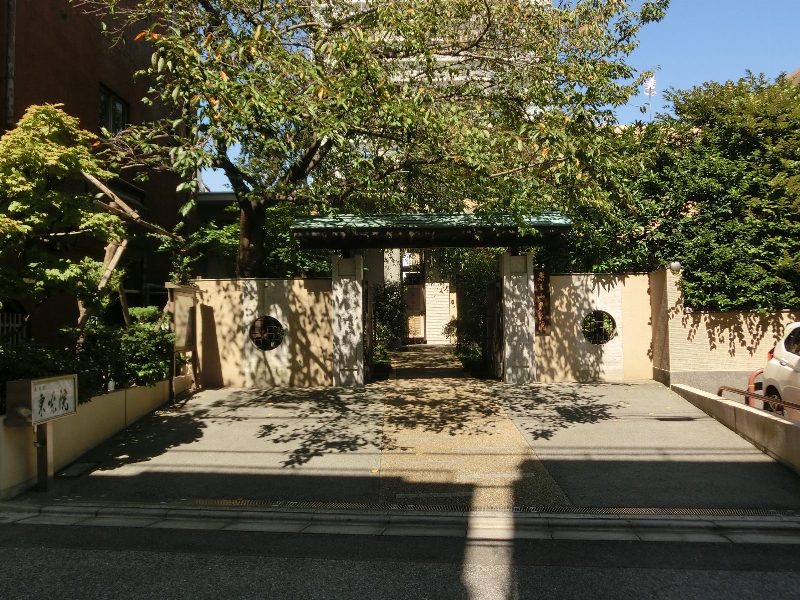
Toko-ji Temple is a serene Buddhist temple located in the Nishiasakusa area of Taito, Tokyo, just a few minutes' walk from the bustling Senso-ji Temple and Nakamise shopping street. The temple is modest in size and offers a tranquil environment, contrasting with the surrounding tourist crowds, making it an ideal place for a brief moment of reflection after visiting the lively Asakusa area. Most visitors tend to include Toko-ji Temple in their itinerary alongside Senso-ji Temple, experiencing the daily scenery of a community temple as they walk from the vibrant shopping street.
Getting There
The most convenient way to reach Toko-ji Temple is to take the subway to Asakusa Station and then walk about 8–12 minutes to the Nishiasakusa area. You can use the Tokyo Metro Ginza Line, Toei Asakusa Line, Tobu Skytree Line, or Tsukuba Express to get to Asakusa Station, and then follow the signs towards Nishiasakusa.
Highlights
The main feature of Toko-ji Temple is its peaceful atmosphere amidst the bustling surroundings of the famous Tokyo landmark, Senso-ji Temple and Nakamise Street. However, the crowds here are relatively sparse, allowing for a deeper appreciation of this everyday space of faith. The temple enshrines various Buddhist deities, and it is common to see local residents coming to worship, presenting a glimpse of the downtown lifestyle, making it suitable for travelers who wish to delve into the surrounding community of Asakusa. Compared to larger tourist temples, Toko-ji offers a more authentic observation of how Japanese temples are used, such as small offerings of flowers, incense, and local rituals.
What to See
Due to limited public information, Toko-ji Temple does not have widely recognized representative buildings or large landscapes. During visits, the main points of interest are the main hall and the Buddhist statues and memorial tablets enshrined within the temple grounds, which are predominantly traditional wooden structures and small courtyard layouts. The temple primarily serves as a center of community faith, focusing on daily worship and offerings rather than tourist facilities.
Hours & Admission
In accordance with the general practice of urban temples in Japan, Toko-ji Temple is mostly open to the public for worship during the day without an admission fee; however, some areas may be temporarily closed during religious ceremonies or private events. Specific opening hours and whether special visiting services are available are not clearly announced, so it is recommended that visitors come during the day and respect the temple's guidelines.
Address
Nishiasakusa, Taito, Tokyo, Japan (exact address not publicly disclosed in major travel information)
Travel Tips
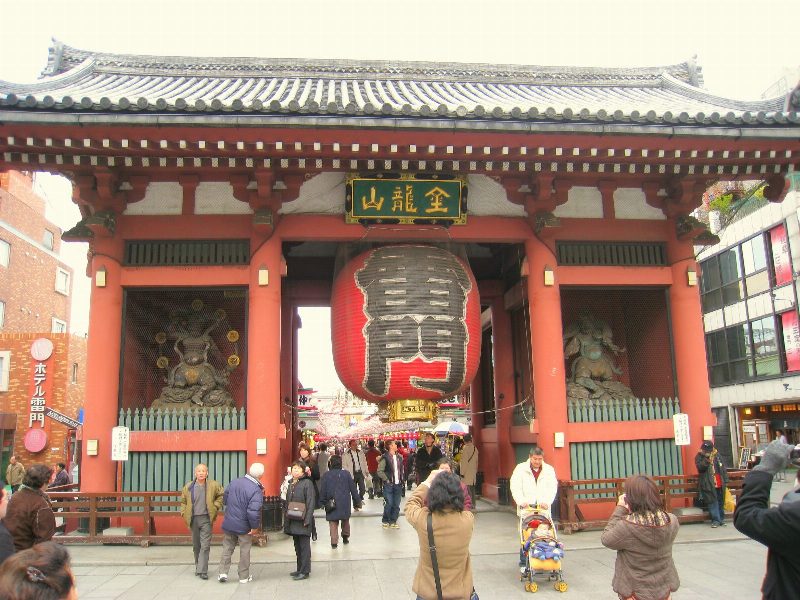
It is recommended to visit Toko-ji Temple after exploring major attractions such as Senso-ji Temple, Kaminarimon, and Nakamise Street, and then take a walk to the Nishiasakusa area to experience the change in atmosphere from tourist areas to residential neighborhoods. The temple is a space for everyday faith, so it is advisable to check if photography is allowed before taking pictures to avoid disturbing worshippers. The Asakusa area is pleasant for walking year-round; in spring, you can enjoy cherry blossoms along the nearby riverbanks, while in summer, be mindful of festivals and crowds. The surrounding alleys are filled with traditional shops and residences, so using a map for navigation is recommended to avoid getting lost.
Nearby Dining
The area around Toko-ji Temple offers a rich variety of dining options due to its proximity to Senso-ji Temple and Kaminarimon. Within walking distance, you can find long-established tempura restaurants, sushi, soba noodles, kushi-katsu, and various wagashi and matcha dessert shops. For a taste of downtown flavors, you can choose Japanese home-cooked meals or izakayas in the shopping streets around Senso-ji Temple; if you prefer something simple, there are also several chain coffee shops and light meal places near Asakusa Station.
FAQ
Q: Is Toko-ji Temple a Buddhist temple or a shrine? A: Toko-ji Temple is a Buddhist temple, not a Shinto shrine. Although some English sources may categorize it as a 'shrine', based on its name and the religious context of the Asakusa area, Toko-ji is classified as a temple, similar to the nearby Senso-ji Temple, which is also a space for Buddhist faith. Q: Do I need an admission ticket to visit Toko-ji Temple? A: Generally, no admission ticket is required to visit Toko-ji Temple. Following the usual practice of most urban temples in Tokyo, the temple grounds are typically open for free access to worshippers and visitors during the day, with some areas possibly restricted during special ceremonies or events. It is advisable to follow the temple's instructions on-site. Q: How do I get from Asakusa Station to Toko-ji Temple? A: From Asakusa Station, it takes about 8–12 minutes to walk to Toko-ji Temple in the Nishiasakusa area. You can first head towards Senso-ji Temple in the direction of Kaminarimon, then navigate through the residential area and shopping streets from the west side of the temple, following the signs to the Nishiasakusa area. Q: What are some must-visit attractions near Toko-ji Temple? A: The most famous attractions near Toko-ji Temple are Senso-ji Temple and Kaminarimon, as well as Nakamise Street, which connects the two and is home to many shops selling wagashi, souvenirs, and traditional crafts. Further out, you can extend your visit to the Sumida River waterfront and the Tokyo Skytree area, making it very convenient to plan a half-day to full-day walking itinerary in Asakusa.