Jōshūin
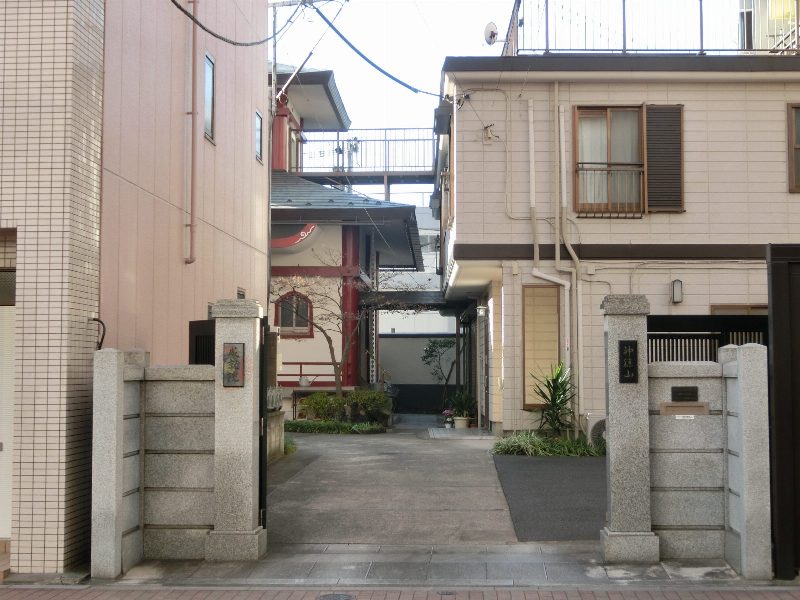
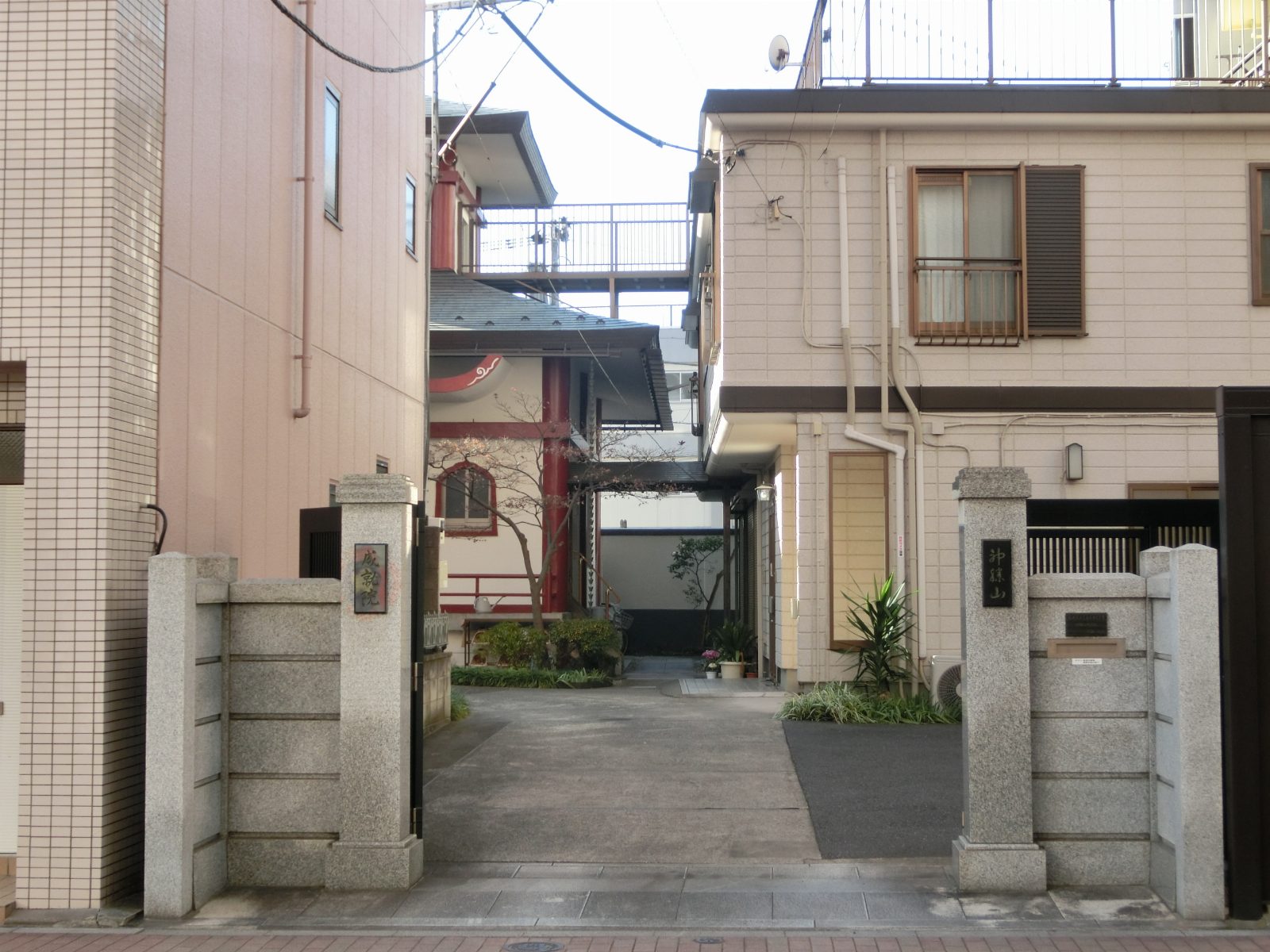
Image source: Wikimedia Commons; license credits as shown.
Overview
Jōshūin is a traditional Buddhist temple located in Taitō, Tokyo. It has a serene environment and is relatively small, primarily serving as a space for local residents to worship and pay respects to their ancestors. The temple features elegant and simple architecture, with a main hall and small pagodas commonly dedicated to Kannon and various Buddhas and Bodhisattvas, creating a friendly atmosphere unique to downtown temples. Due to limited tourist information, visitors are relatively few, making it suitable for travelers looking to escape the hustle and bustle and enjoy a quiet stroll. The area surrounding the temple consists of residential neighborhoods and small shops, allowing visitors to experience the authentic daily life of Tokyo.
Getting There
To reach Jōshūin, you can take the Tokyo Metro Hibiya Line or Ginza Line to either Ueno Station or Inarichō Station, then walk about 10 to 15 minutes to the residential area near the temple in Taitō. You can also exit from the Park Exit or Iriya Exit of JR Ueno Station and walk along the main streets and alleys to the temple, and it is recommended to use a mobile map for navigation to find the temple's entrance.
Highlights
Jōshūin is a small temple primarily focused on local faith, with a quiet and simple atmosphere, making it suitable for a brief visit to reflect and calm the mind. The temple typically features a main hall, a pagoda for offerings, and an area for ancestral graves, showcasing the vibrant altars and offerings that reflect the deeply rooted Buddhist culture of worship in urban Japan. With few tourists, most visitors during worship are local residents, allowing one to observe the daily worship practices of Japanese people. The alleys surrounding the temple retain a strong downtown charm, and visitors can easily walk towards popular attractions in Ueno or Asakusa during their stroll.
What to See
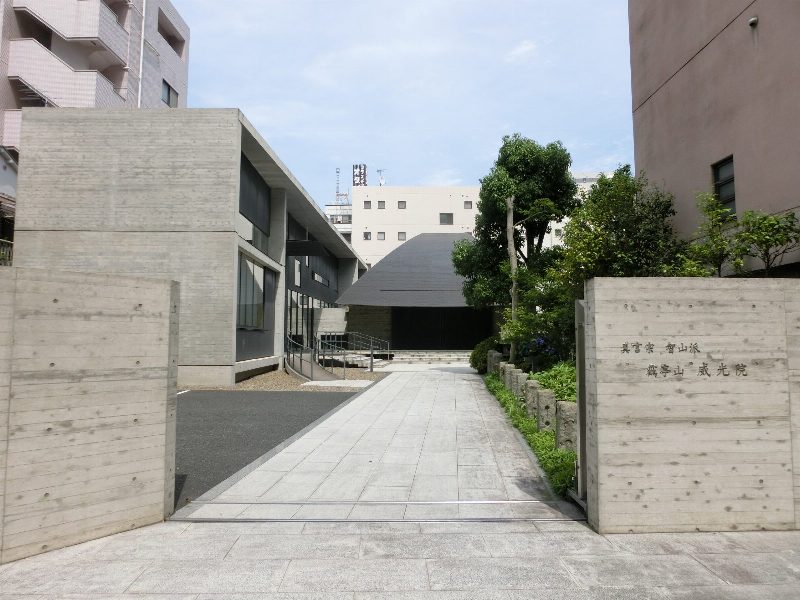
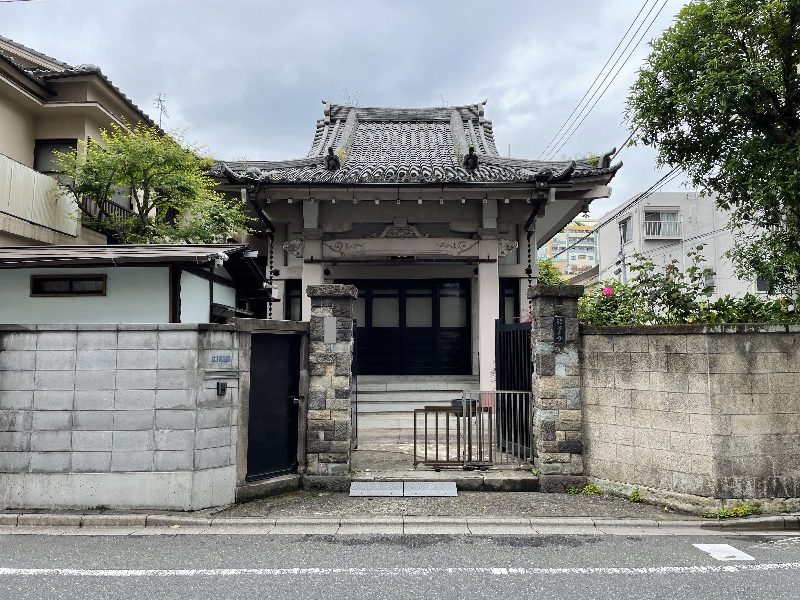
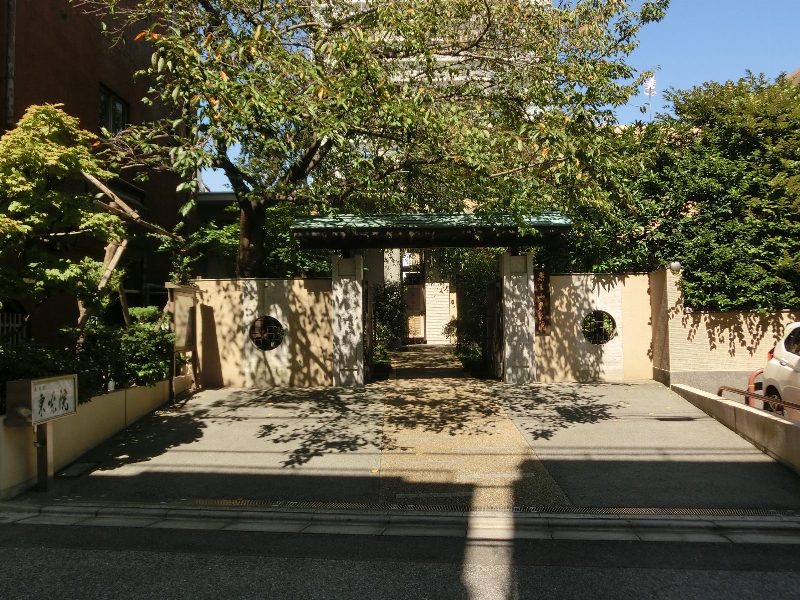
Main Hall: The primary building of the temple, usually housing the main deity or Kannon Bodhisattva, typically constructed of wood or modern earthquake-resistant materials, with a roof that maintains traditional temple lines. Sanmon Gate and Temple Sign: The entrance usually features a simple sanmon gate and a sign inscribed with 'Jōshūin,' serving as a recognizable symbol of the temple. Graveyard and Offering Pagoda: The rear or side of the temple often contains ancestral graves and a columbarium, where one can see incense burners, offerings of flowers, and gravestones inscribed with Dharma names, providing insight into Japanese Buddhist funeral culture. Garden and Plantings: Although not a large garden temple, the grounds often feature pine trees, seasonal flowers, and small stone lanterns, creating a tranquil overall environment.
Hours & Admission
Jōshūin is a typical urban temple, usually open all day for worshippers and visitors to enter freely. However, the interior of the main hall is only open during ceremonies or specific rituals, arranged by the head priest or temple staff. The temple does not charge an admission fee for general visits, unless participating in special ceremonies or events, which may require a donation or participation fee, with details announced on-site by the temple. It is recommended to approach the visit with a quiet and respectful attitude, rather than treating it as a noisy tourist attraction.
Address
Japan, Tokyo, Taitō (Jōshūin is located in the residential alleys of Taitō, it is advisable to use a map for precise navigation after arriving in the Ueno or Inarichō area)
Travel Tips
Jōshūin is more suitable as a small stop for worship, which can be included in a day itinerary with nearby popular attractions such as Ueno Park, Senso-ji Temple, and Kappabashi Street. As it is a local faith space, it is recommended to dress modestly, avoid loud noises, and refrain from taking close-up photos in the graveyard area to show respect. The spring and autumn seasons offer comfortable weather, making it an ideal time for strolling and visiting the temple in the Taitō area; summer can be quite hot, so it is advisable to bring water and sun protection. If a ceremony or funeral is in progress, please avoid lingering or taking photos, and it is best to bow slightly and leave respectfully after acknowledging from outside the gate.
Nearby Dining
The area around Jōshūin mainly consists of residential neighborhoods and small eateries, with options to walk to Ueno or Asakusa for food. Near Ueno Station, there is Ameyoko Shopping Street, which hosts many affordable izakayas, sushi, ramen, and snack stalls, perfect for travelers wanting to experience lively local culture. If heading towards Asakusa, you can enjoy famous local dishes around Senso-ji Temple, such as tempura, sukiyaki, traditional sweets, and matcha desserts. Those with ample time can also find a café or tea shop near Ueno Park to slowly savor the tranquil atmosphere of the temple and downtown stroll.
FAQ
Q: Is Jōshūin worth a special visit? A: Jōshūin is smaller and primarily focused on local faith, making it more suitable as a brief stop for worship rather than a main attraction for half a day or more. If you have planned visits to Ueno Park, museums, or Asakusa on the same day, you can consider Jōshūin as a quiet place to rest and experience the daily temple atmosphere. Q: Are there fixed visiting hours for worship at Jōshūin? A: As a typical urban temple, Jōshūin is mostly open during the day for public worship, but may close or discourage entry in the early morning and evening for safety and management reasons. It is usually most appropriate to visit in the morning to late afternoon; if the main gate is closed or there are notices, please follow the temple's arrangements. Q: What etiquette should be observed when visiting Jōshūin? A: When visiting Jōshūin, simply maintaining silence, not disturbing others' prayers or ceremonies, and refraining from taking photos of others or funeral activities will meet basic etiquette. Upon entering, you may slightly bow at the sanmon gate to show respect, then join your hands in prayer in front of the incense burner for a moment. If there is a donation box, you can make an offering before praying, and bow again lightly when leaving. Q: What other attractions are nearby Jōshūin? A: The Taitō area where Jōshūin is located is itself a famous tourist area in Tokyo, and you can easily visit Ueno Onshi Park, the Tokyo National Museum, the National Museum of Western Art, and Ueno Zoo, which are cultural and family-friendly attractions. If you head east, you can reach Senso-ji Temple and the surrounding shopping streets, experiencing Edo-style culture and shopping, making it an ideal area for a full day of walking. Q: Does Jōshūin offer goshuin or souvenirs? A: Most urban temples provide goshuin services at specific times by the head priest or temple staff, but Jōshūin is a low-key local temple, and whether it regularly offers goshuin or sells amulets depends on the temple's arrangements for the day. If you wish to collect goshuin, it is advisable to bring a goshuincho and check for any related notices at the main hall or office, or politely ask the temple staff; if they decline, simply respond with a thankful smile.