Jiaoban Mountain Villa
Taiwan · Taoyuan City · Fuxing District · Amusement & Leisure

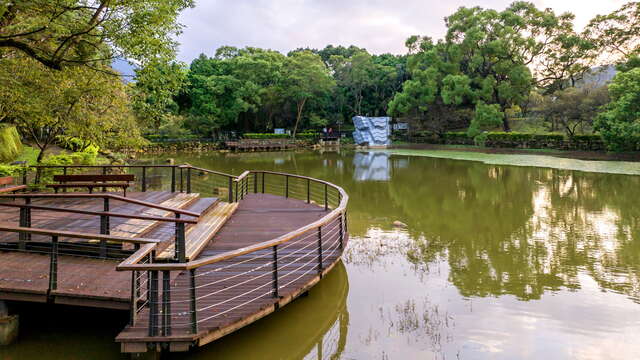
Image source: Taiwan_Opendata; license credits as shown.
Overview
The Jiaoban Mountain Villa area is located along the Northern Cross-Island Highway, blending history, culture, and natural ecology. The area includes unique sites such as the military preparedness tunnel, Jiaoban Mountain Villa, the plum garden, and the camphor storage office. By the end of 2024, after architectural restoration, landscape optimization, and improvements to recreational facilities, modern technology and art displays will be introduced. The first exhibition after the renovation, titled 'Traveling Jiaoban Mountain,' aims to reinterpret the history and natural beauty of Jiaoban Mountain through the perspectives of travelers and artists who have visited the area.
Highlights
Jiaoban Mountain Villa is a cultural and ecological park that integrates historical villas, military relics, plum blossom snow scenery, and mountain town landscapes. The park is situated on the hillside along the Northern Cross-Island Highway, combining military preparedness tunnels, villa architecture, plum gardens, and camphor industry ruins. After renovations, modern technology and art exhibitions will be introduced, allowing travelers to rediscover the historical stories and natural beauty of Jiaoban Mountain from the perspectives of travelers and artists.
What to See
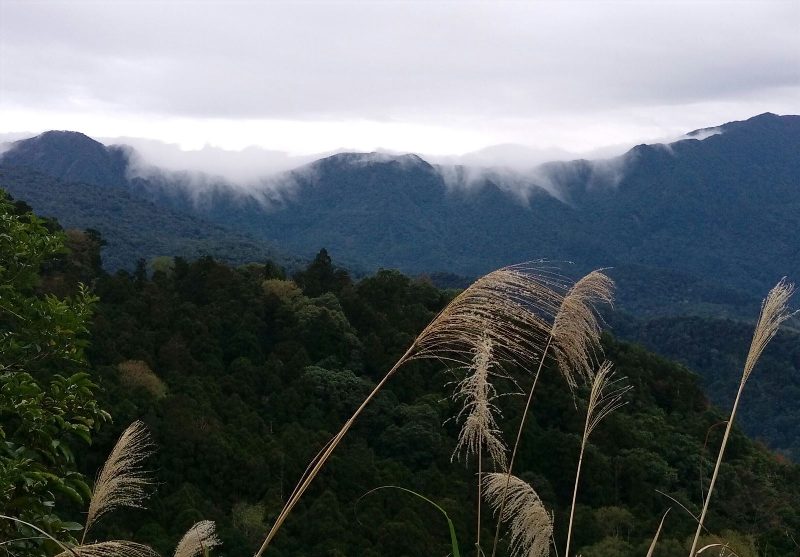
1. Jiaoban Mountain Villa Jiaoban Mountain Villa was one of the residences for national leaders during their tours and now serves as an exhibition space showcasing materials related to the Chiang family and the living conditions of that time. The renovated building retains a mix of Japanese and Chinese architectural styles, using panels, multimedia, and art installations to guide visitors through the historical context of post-war Taiwan's politics and the development of the Northern Cross-Island Highway. 2. Military Preparedness Tunnel The military preparedness tunnel within the park once served military defense and preparedness purposes, and is now reorganized into a tourist space with safety and guided pathways. Some sections incorporate lighting, 3D imagery, and interactive displays to simulate military scenes and wartime atmospheres, making it a unique point of interest for understanding the defense layout and military culture during the Cold War. 3. Plum Garden The Jiaoban Mountain Villa Plum Garden is a renowned plum blossom viewing spot in northern Taiwan. The park has been planting plum trees since the 1960s, covering a vast area. During the plum blossom season, the entire hillside appears snow-white, earning the title 'Northern Cross-Island Snow Scene.' Every winter, when the plum blossoms bloom, visitors can stroll along the trails and picnic platforms to enjoy the fresh mountain air and floral scents. 4. Camphor Storage Office The camphor storage office bears witness to the early prosperity of Taiwan's camphor industry. The building retains a traditional Japanese wooden structure and storage layout, making it an important site for understanding the economic and forestry history of the mountainous areas. After renovations, it will feature displays of camphor-related artifacts and technological exhibitions, allowing visitors to learn about camphor processing, trade, and everyday applications through visual and olfactory experiences. 5. Park Trails and Scenic Platforms The overall park connects various attractions through trails and viewing platforms, offering expansive views of the Dahan River Valley and the Northern Cross-Island mountain scenery. The newly renovated trail surfaces and resting platforms make walking and picnicking more comfortable, suitable for families with strollers and light hiking, providing great spots for capturing mountain views, sea of clouds, and changes in sunlight. 6. 'Traveling Jiaoban Mountain' and Art Sculptures The exhibition themed 'Traveling Jiaoban Mountain' gathers works from travelers and artists who have visited Jiaoban Mountain, interpreting the mountain's colors, plum blossoms, and cultural stories through painting, photography, text, and installation art. The park also features several art sculptures that blend with the plum garden, old trees, and stone steps, creating an outdoor sculpture park experience. 7. Nighttime Lighting Environment and Stargazing Activities (depending on current events) The renovation plan includes a nighttime lighting environment that combines lighting design, historical building exteriors, and artworks to create an atmosphere suitable for night visits. During certain seasons, there may be folk song concerts or nighttime stargazing activities, allowing visitors to experience a different Jiaoban Mountain Villa ambiance under the night sky.
Travel Tips
1. Best Visiting Season Jiaoban Mountain Villa has attractions throughout the year, but the winter plum blossom season is the most representative time to visit. Around winter to early spring each year, the plum garden is covered in white, making it the peak season for plum viewing, photography, and walking; spring and summer feature lush greenery and cooler temperatures, ideal for escaping the heat, hiking, and picnicking; autumn is suitable for enjoying mountain views and cloud changes. 2. Recommended Duration of Stay If you only plan to walk around the park for photos, about 1.5 to 2 hours is needed; if you wish to explore the exhibitions in each building, walk the entire trail, and visit the plum garden and military preparedness tunnel, it is recommended to set aside half a day or more, and you can combine it with nearby Jiaoban Mountain Park and other attractions in the Fuxing area for a day trip or a small journey along the Northern Cross-Island Highway. 3. Transportation and Arrival Most travelers drive up the mountain along the Northern Cross-Island Highway or take a bus from Taoyuan City or Daxi to Fuxing District and then walk to the destination. The mountain roads are often winding, so drivers should pay attention to weather and speed; visibility is lower during rainy or foggy days, so it is advisable to check road conditions and public transport schedules in advance, and allow time for transfers and walking. 4. Clothing and Equipment Recommendations Jiaoban Mountain is at a higher altitude, and temperatures can be cool in winter and during early mornings and evenings, so layered warm clothing and a light jacket or windbreaker are recommended. The park mainly features trails and steps, so wearing non-slip and comfortable sports shoes or hiking shoes is advisable. If planning to sit for a picnic, you may want to bring a picnic mat, mosquito repellent, and simple rain gear to cope with the variable mountain weather. 5. Park Pathways and Suitable Groups After renovations, the trail surfaces and resting areas have improved accessibility, making some sections suitable for families, seniors, and general visitors to stroll comfortably. However, when visiting indoor and outdoor spaces like the military preparedness tunnel, be mindful of stairs and slippery surfaces; those with mobility issues should assess their physical condition and the terrain at the entrance before deciding whether to enter. 6. Activities and Exhibition Notes As the exhibition content and special exhibitions in each building may change according to the annual curation theme and construction schedule, it is recommended to check the official announcements for the latest information before your visit, confirming the open areas, special exhibition themes (such as 'Traveling Jiaoban Mountain'), plum blossom season, or nighttime activity information to plan your itinerary and allocate time accordingly. 7. Photography and Environmental Protection The park features rich natural ecology, plum blossoms, old trees, and historical buildings, making it suitable for photography, wedding shoots, and portrait locations. When taking photos, avoid stepping on plants and climbing on facilities, and be mindful not to disrupt the flow of other visitors. Waste disposal in mountainous areas can be challenging, so it is advisable to bring your own eco-friendly utensils and bags, taking your trash with you.
Nearby Dining
The area surrounding Jiaoban Mountain Villa is located in the mountain town settlement of Fuxing District, Taoyuan City, where you can find traditional snack shops, local chicken restaurants, tea and light meal cafes, and small businesses selling local agricultural products and souvenirs within walking distance. Most shops are busy during weekends and peak travel seasons, so it is recommended to dine early or avoid peak hours; on weekdays, some shops may be closed, so it is advisable to prepare simple snacks or drinks in advance for emergencies.