Jincheng
Taiwan · Kinmen County · 金城鎮 · Historic Sites
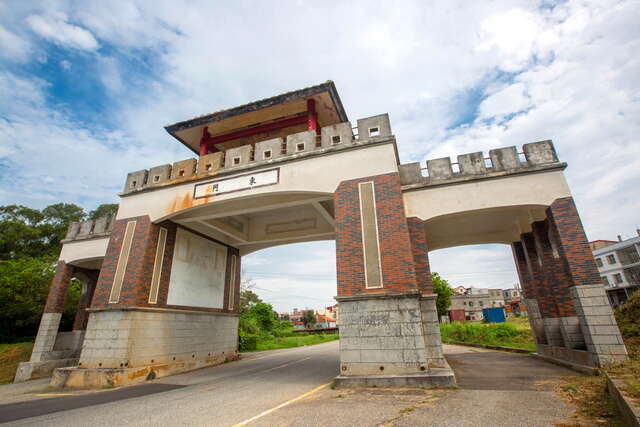
Image source: Taiwan_Opendata; license credits as shown.
Overview
The history of Kinmen can be traced back to the first year of the Jianwu era under Emperor Yuan of Jin in 317 CE. In the Ming Dynasty, the site was built as a "Qianhusuo fortress" to defend against pirates and protect the residents who lived there. During the anti-Qing period of the Ming loyalists in Kinmen, Jincheng was a major stronghold. In the 19th year of the Kangxi reign of the Qing Dynasty (1680), General Chen Long moved the garrison headquarters to Houpu, and Jincheng gradually declined.
Highlights
Jincheng is an important historic old city in Kinmen. Its origins can be traced to the "Kinmen Guard Thousand-Household Garrison City" built in the Ming Dynasty, and it once served as the island’s military, administrative, and economic center. It is also closely tied to the origin of the name Kinmen, the garrison system, coastal defense, and local settlement and religious culture.
What to See
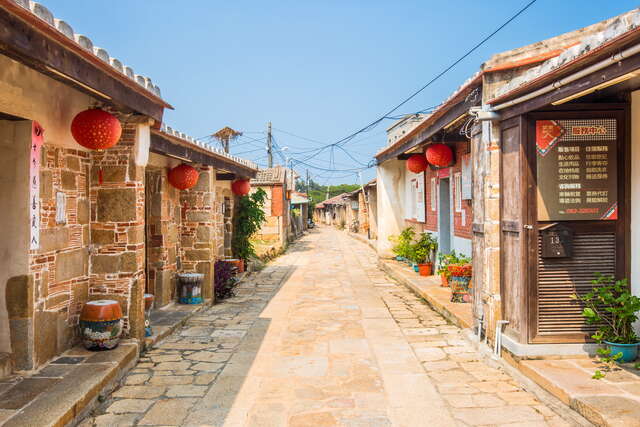
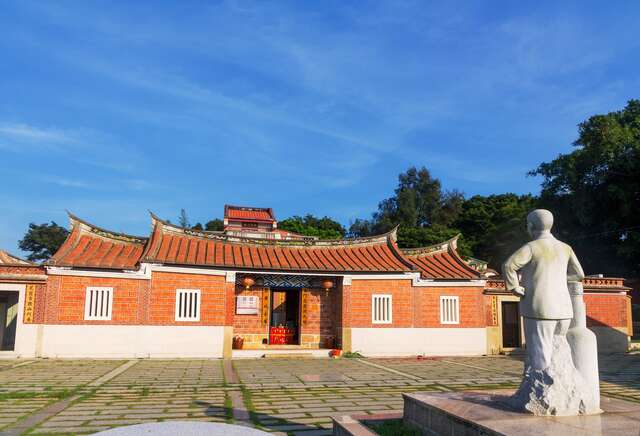
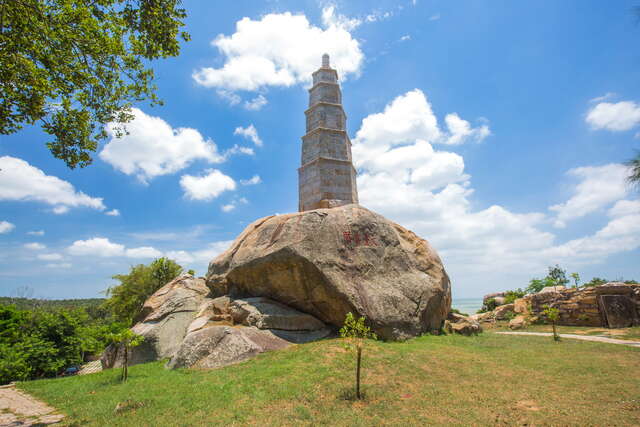
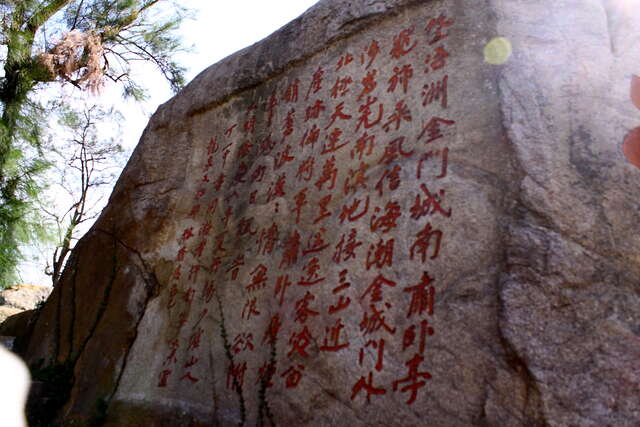
- Ming-Qing Jincheng Ruins: Explore the historical traces of Jincheng as a Ming Dynasty military fortress and learn about its coastal defense and garrison-system background. - City Wall and Gate Remains: Surviving fragments of the original city wall, together with reconstructed gates and wall sections, reveal the layout and defensive features of the ancient city. - Wentai Pagoda: One of the important cultural assets preserved inside and around Jincheng, and a representative historic landmark. - The Xijiang Xiaowo Stone Inscription Group: Stone inscriptions that reflect the local historical and cultural context, ideal for travelers interested in heritage sites and epigraphy. - The Old Street Outside North Gate and the Traditional Architecture Cluster by South Gate: A chance to experience settlement life, traditional street scenes, and the cultural atmosphere around the old city. - Temples and Ritual Spaces: Jincheng has a high density of temples, making it a key area for observing local belief systems, clan networks, and community organization.
Address
Dongmen, Jincheng Township, Kinmen County 893 Phone: (08)2325057
Travel Tips
- A half-day to full-day visit is suitable for exploring the old city and nearby cultural sites, with a focus on walking and photography. - Wear comfortable shoes, as the ancient remains, streets, and temples are mostly connected on foot. - To better understand the attractions, learn first about the Ming garrison system and the historical rise and decline of Jincheng. - It is convenient to combine the visit with the surrounding areas of Jincheng Township, linking the old city ruins, streets, temples, and local cultural sites into one route. - If you are interested in religious culture, you may want to look out for temple fairs and rituals, but be sure to respect local customs and the order of the space when visiting.
Nearby Dining
- Around Jincheng, you can easily extend your trip into the urban area of Jincheng Township, where local snacks and restaurants are easier to find. - Kinmen is known for kaoliang liquor, beef dishes, and local pastries, which pair well with an old-city itinerary. - For a more local dining atmosphere, prioritize small shops and traditional eateries around the old streets and settlement areas.
FAQ
Q: What is Jincheng? A: Jincheng is one of Kinmen’s most important historic old cities. It was originally the "Kinmen Guard Thousand-Household Garrison City" built in the Ming Dynasty and once served as the island’s military, administrative, and economic center. Q: Can you still see the old city remains in Jincheng today? A: Yes. Parts of the original city wall remain on site, and there are also reconstructed gates and wall sections, along with many historic buildings and cultural assets. Q: Why is Jincheng important? A: Jincheng represents not only Kinmen’s early coastal defense and military development, but also its place-name origin, settlement formation, and religious culture. Q: What should I combine with a visit to Jincheng? A: It is suitable to see the old city remains, Wentai Pagoda, old streets, and traditional architecture clusters together, and to understand Jincheng’s historical character through temples and local cultural context.