Ye Hua-cheng Residence (Ye Hua-cheng Liquor History Museum)
Taiwan · Kinmen County · 金城鎮 · Historic Sites
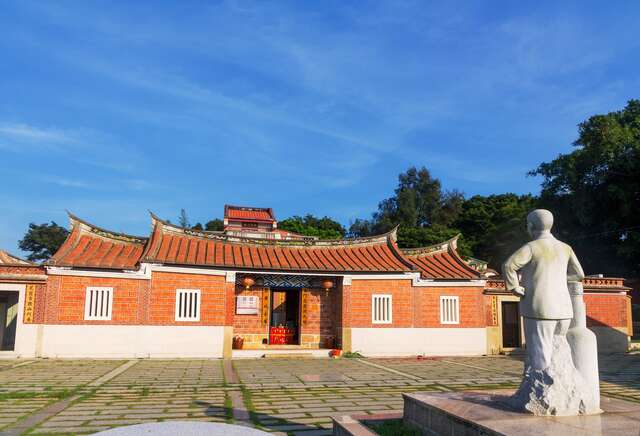
Image source: Taiwan_Opendata; license credits as shown.
Overview
Ye Hua-cheng Residence is a traditional Minnan-style mansion built in the "two-courtyard, six-wing" layout. After restoration, the Liquor History Museum presents themes such as the history of Kinmen Kaoliang Liquor, liquor and culture, liquor and daily life, and the brewing, steaming, koji-making, and bottling processes. It is a culturally rich venue that helps visitors and local residents understand how Kinmen liquor developed through the military administration and civilian administration periods into today’s nationally known, high-revenue Kinmen liquor culture.
Highlights
Ye Hua-cheng Residence (Ye Hua-cheng Liquor History Museum) is a classic Minnan-style historic house built in the "two-courtyard, six-wing" layout, and it is also a key attraction for learning about the history and culture of Kinmen Kaoliang Liquor. The museum’s exhibits focus on themes such as "The Development of Kinmen Liquor," "Kinmen Liquor and Culture," "Kinmen Liquor and Daily Life," and the liquor-making process, explaining how Kinmen’s liquor industry evolved from the military administration and civilian administration periods into today’s widely known, high-revenue liquor culture site. This was once the preparatory site and temporary distillery of the former Kinmen Distillery, originally the "Jiulongjiang Distillery," and it was also the former home of Mr. Ye Hua-cheng, regarded as the founder of Kinmen Kaoliang Liquor. It is widely considered the "birthplace of Kinmen liquor" and is especially suitable for travelers interested in historic architecture, Kinmen’s wartime history, and kaoliang liquor.
What to See
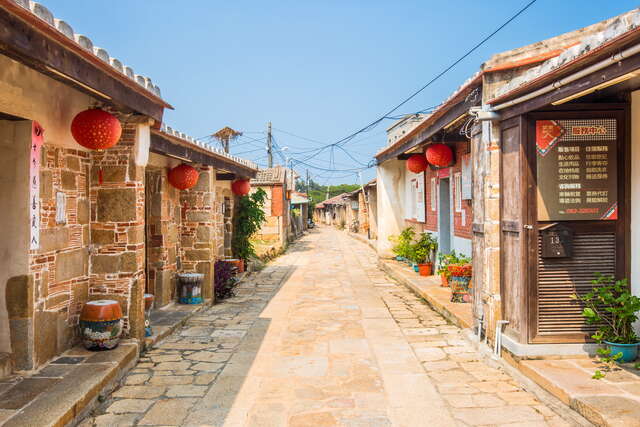
1. Minnan-style two-courtyard, six-wing mansion architecture This two-courtyard, six-wing mansion features side wings and a traditional Minnan layout. It is one of the representative Minnan-style buildings in Kinmen, with a simple, timeworn exterior and graceful roofline. Visitors can take a closer look at the red brickwork, swallowtail ridges, and traditional decorative details. 2. Kinmen Kaoliang Liquor history exhibit After restoration, the site was turned into a "liquor history museum" with separate zones presenting themes such as "The Development of Kinmen Liquor" and "Kinmen Liquor and Kinmen." Visitors can systematically understand how Kinmen Kaoliang Liquor has been closely tied to local history and economic development from the postwar military administration era to the present day. 3. Exhibits on Kinmen liquor, culture, and daily life The museum especially introduces how Kinmen liquor has become part of everyday life on the island, including festivals, ancestor worship, and banquets. Through artifacts and illustrated explanations, this section helps visitors understand how "Kinmen liquor became a symbol of local identity." 4. Brewing process display The exhibition area introduces the brewing, steaming, koji-making, and bottling processes in sequence. Through text, images, and equipment displays, visitors can gain a clear understanding of the craft process from raw materials to bottling. Those interested in liquor production may want to spend extra time here. 5. Memorial imagery for Mr. Ye Hua-cheng A statue or other memorial feature dedicated to Mr. Ye Hua-cheng stands in front of the museum to honor his contribution to Kinmen Kaoliang Liquor. Combined with the interior exhibits, this helps visitors more fully understand the life story and entrepreneurial journey of this "founder of Kinmen Kaoliang Liquor." 6. Walking route around Old Kincheng and the Kinmen Distillery The residence is located beside the Kinmen Distillery in Old Kincheng, surrounded by historical buildings and military relics. Visitors can walk or cycle through the old town area, the distillery, and nearby attractions, creating a small travel route themed around "Kinmen liquor and the city."
Address
No. 51, Kinmencheng, Jincheng Township, Kinmen County 893 Phone: (08)2325628
Travel Tips
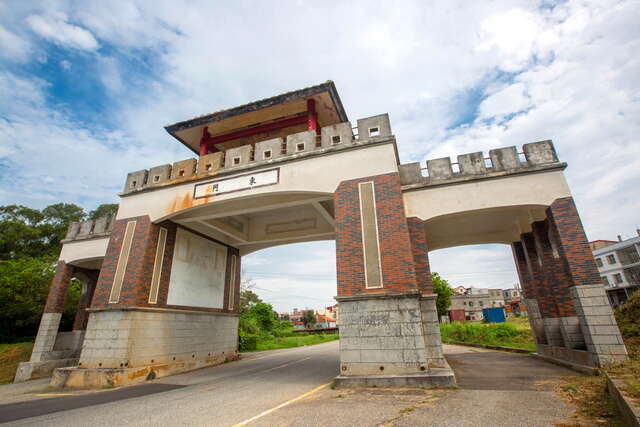
1. Recommended visit time and route It is recommended to reserve about 30 minutes to 1 hour for a visit to Ye Hua-cheng Residence (Liquor History Museum). You can follow a route starting with the exterior architecture, then the Kinmen liquor development history, the culture and daily life exhibits, then the brewing process display, and finally the front courtyard and surrounding streets for photos and a walk. 2. Transportation and itinerary suggestions The attraction is located in the Jincheng area of Kinmen County, near the Kinmen Distillery. It is suitable to combine with Jincheng Old Street, the Old Kincheng Gate, and the Kinmen Distillery in one route. Renting a scooter or driving offers more flexibility. 3. Best season and time to visit Kinmen is an offshore island with strong winds and intense sunlight. Spring and autumn are relatively comfortable and better for walking and photography in the old town area. In summer, it is recommended to avoid midday and make more use of indoor exhibition spaces for rest and hydration. 4. Clothing and items to bring Since the museum is an indoor static exhibition, light clothing and comfortable shoes are sufficient. It is recommended to bring a hat, sunscreen, and a water bottle so you can conveniently continue to nearby outdoor attractions afterward. 5. Photography and guided tour suggestions The building exterior, eaves, and courtyard are popular photo spots. When taking pictures, try not to block other visitors. If a guided explanation or group tour is in progress, listening along will help you better understand the development of Kinmen’s liquor industry. 6. Etiquette and quiet visiting As a cultural exhibition and memorial space, visitors should keep their voices down, avoid running or making noise, and not touch the exhibits, showing respect for local culture and the experience of other visitors.
Nearby Dining
Ye Hua-cheng Residence is near the Kinmen Distillery and Old Kincheng area, where you can find several local snack shops and casual eateries, making it convenient to include a meal or drink break in your visit. Some travel sharing posts mention that the back of the museum sells special snacks flavored with kaoliang liquor, which you can taste along the way to experience local flavors with a liquor aroma.
FAQ
Q: What is Ye Hua-cheng Residence (Ye Hua-cheng Liquor History Museum) mainly about? A: Ye Hua-cheng Residence (Ye Hua-cheng Liquor History Museum) mainly introduces the history, cultural significance, and brewing craft of Kinmen Kaoliang Liquor. Through themes such as "The Development of Kinmen Liquor," "Kinmen Liquor and Culture," "Kinmen Liquor and Daily Life," and the liquor-making processes of brewing, steaming, koji-making, and bottling, the museum explains how Kinmen liquor evolved from the military administration and civilian administration periods into today’s well-known Taiwanese brand, while also showing the relationship between liquor, local life, and industry. Q: What architectural features of Ye Hua-cheng Residence are worth seeing? A: Ye Hua-cheng Residence is a typical Minnan-style mansion with a two-courtyard, six-wing layout, side wings, and traditional red-brick historic house style. Visitors can closely observe the roofline, wall structure, and spatial layout to experience the scale and atmosphere of an early traditional Kinmen residence. It is a place that combines architectural aesthetics with industrial history and is suitable for photography and learning. Q: How long should I plan for a visit to Ye Hua-cheng Residence? A: A visit to Ye Hua-cheng Residence is generally recommended to take about 30 minutes to 1 hour, depending on how interested you are in the exhibition content and historic architecture. If you also visit the nearby Kinmen Distillery, Old Kincheng, and surrounding attractions, the trip can easily become a half-day to full-day cultural and liquor-themed itinerary, allowing you to slowly explore the story of Kinmen liquor and the city. Q: Is Ye Hua-cheng Residence suitable for families or travelers who do not drink alcohol? A: Ye Hua-cheng Residence is very suitable for families and travelers who do not drink alcohol, because its focus is on historic architecture, industrial development, and local culture rather than liquor tasting. The exhibits use text, images, and objects to present the brewing craft and local stories, allowing visitors of all ages to understand the history and cultural context behind Kinmen Kaoliang Liquor without needing to drink.