Kōgan-ji Temple
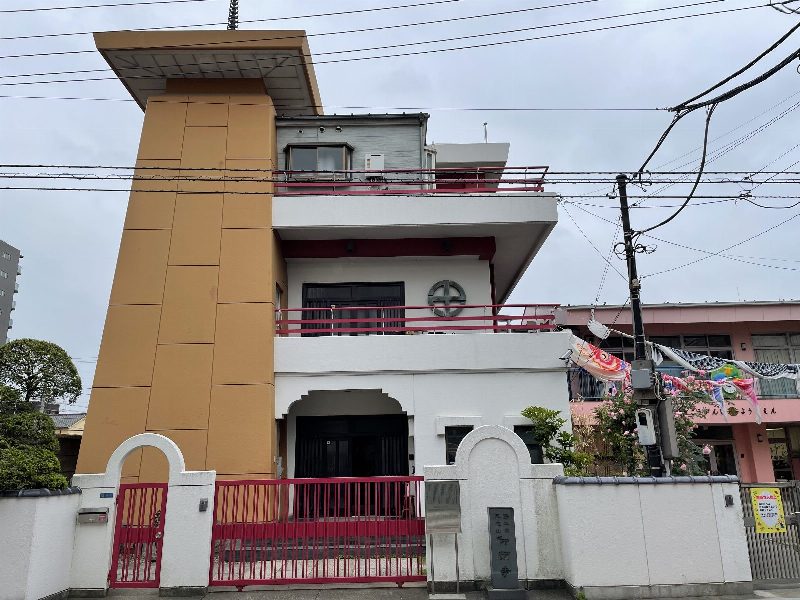
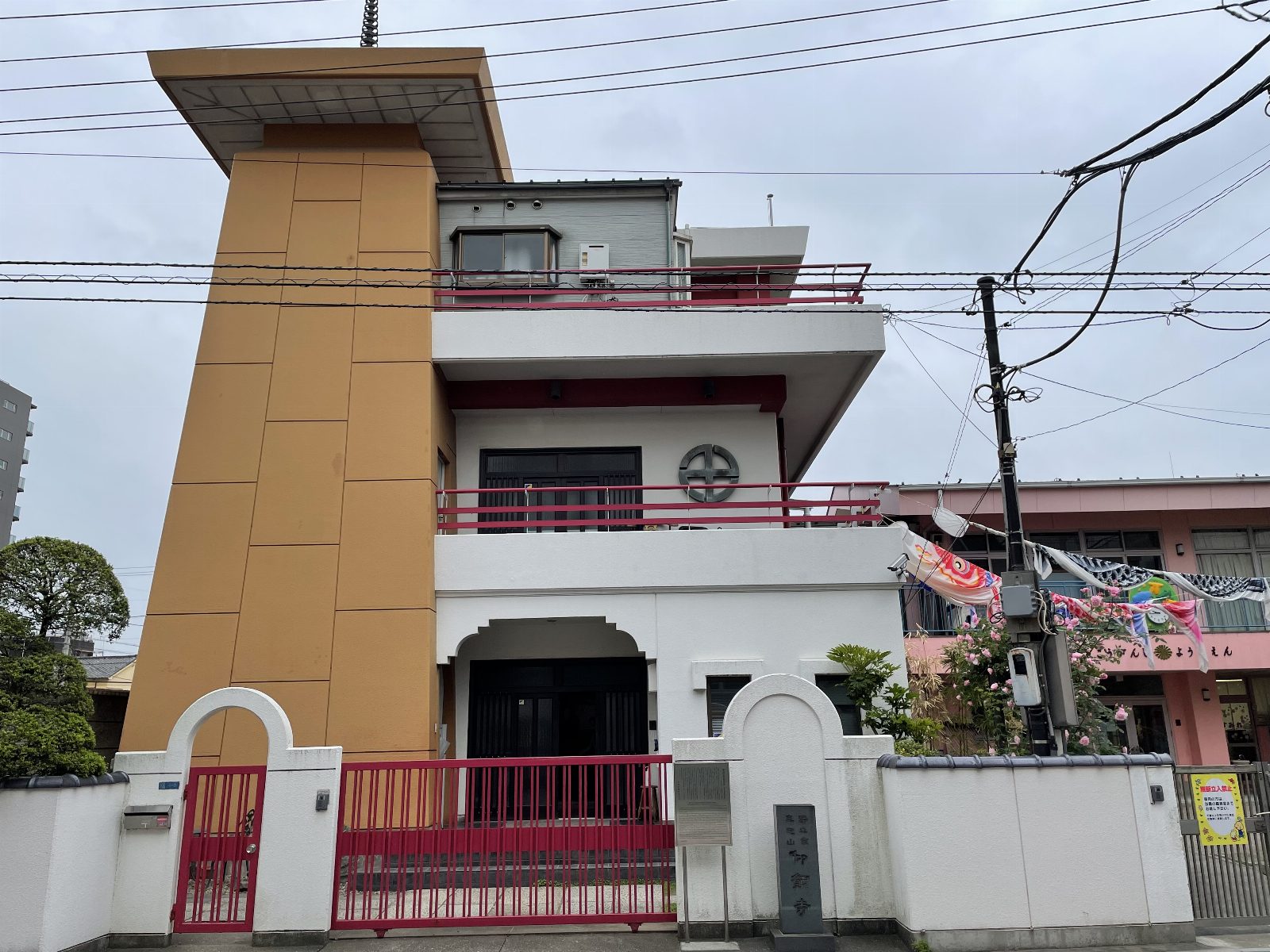
Image source: Wikimedia Commons; license credits as shown.
Overview
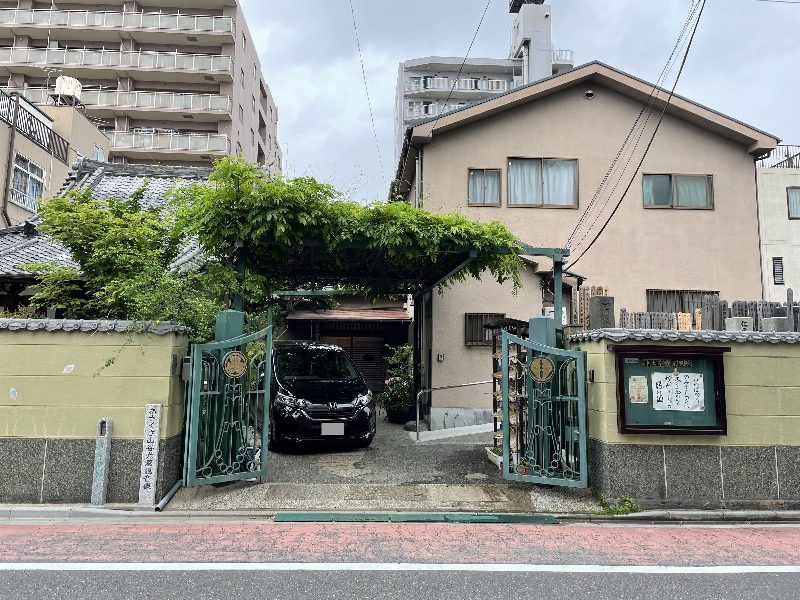
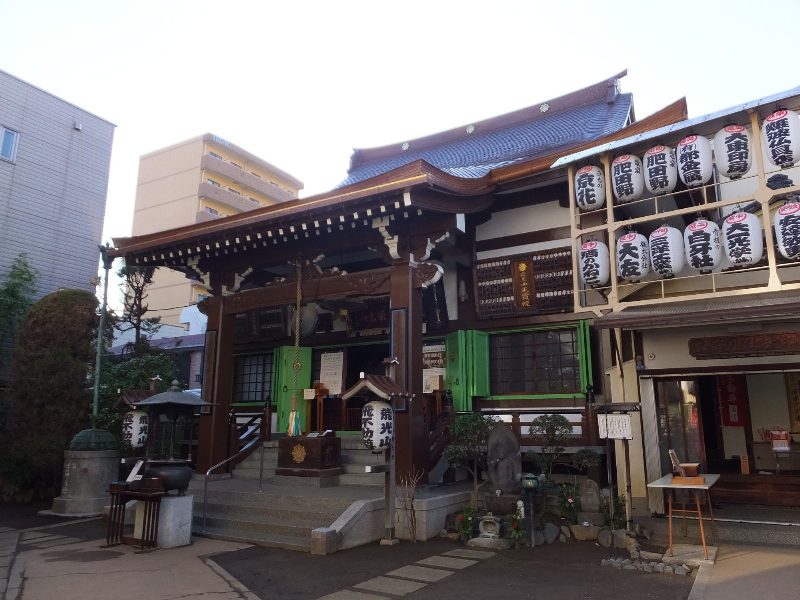
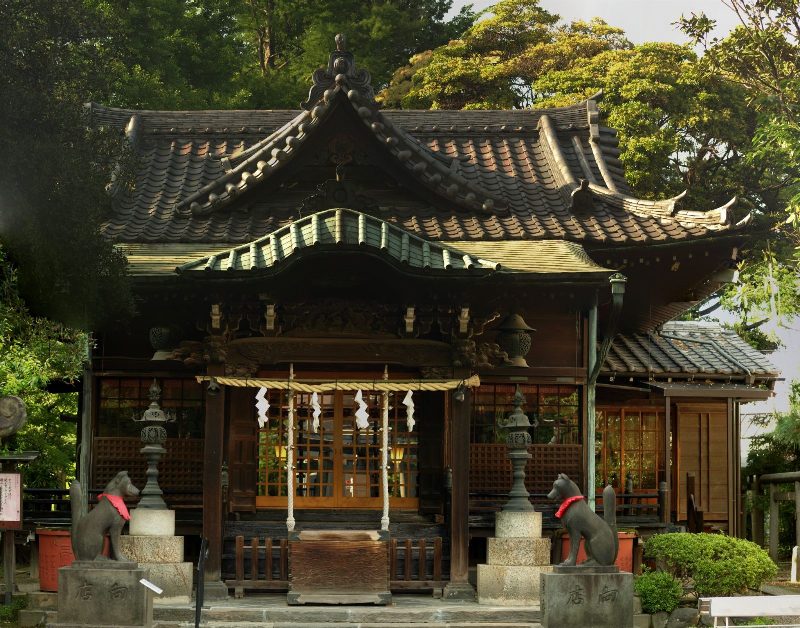
Kōgan-ji Temple is a Buddhist temple located in Yoshino Town, Nara Prefecture, dedicated to the Jizō Bodhisattva, known for alleviating toothaches and promoting dental health, affectionately nicknamed 'Toothache Jizō'. The temple is small but has a tranquil and friendly atmosphere, often visited by worshippers seeking blessings for their dental and overall health while enjoying cherry blossoms and hiking in Yoshino Mountain.
Getting There
The easiest way to reach Kōgan-ji Temple is to take the Kintetsu Yoshino Line to 'Yoshino Station', then walk or take a local bus up Yoshino Mountain following the mountain paths and signs leading to various temples. As the temple is situated in a mountainous area, it is advisable to allow ample time and wear suitable walking and climbing shoes.
Highlights
The main feature of Kōgan-ji Temple is the Jizō Bodhisattva, who specializes in alleviating toothaches and dental health issues, regarded as the guardian of dental and oral problems, attracting many worshippers with such concerns. Although the temple is small, it is well-kept and exudes a warm, simple atmosphere, providing a comforting contrast to the grand natural scenery of Yoshino Mountain, making it a perfect spot to pause and pray while strolling in the mountains. Being on the sightseeing route of Yoshino Mountain, it is often used by travelers as a quiet resting point during cherry blossom or autumn foliage viewing or hiking.
What to See
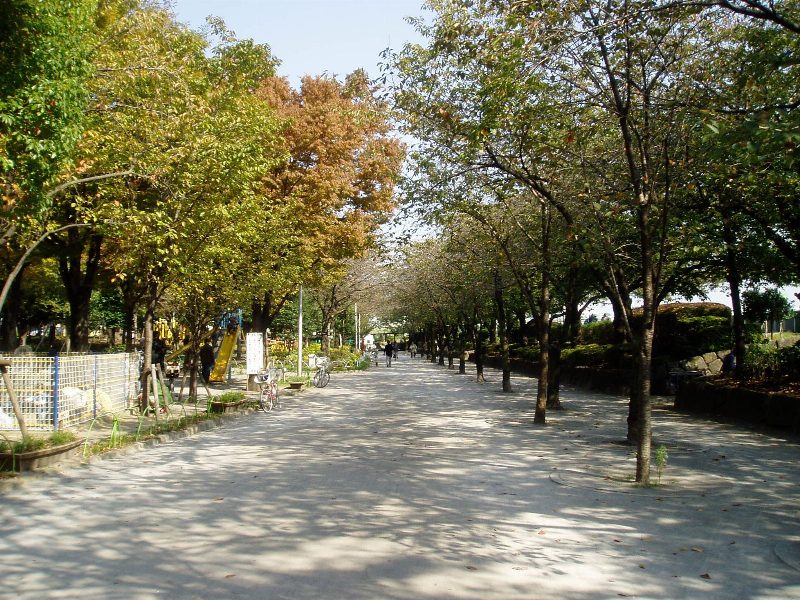
Toothache Jizō Main Hall: The main hall houses the Jizō Bodhisattva related to teeth and oral health, where worshippers sincerely clasp their hands in prayer for relief from toothaches or successful treatments. Small Courtyard: Although the temple grounds are not as expansive as larger temples, they are quite tidy and filled with the friendly atmosphere of a local temple, suitable for short walks and taking photos. Wishing and Offering Area: There is a place within the temple where visitors can offer coins and flowers; some worshippers leave behind wooden prayer plaques or ema with their wishes written on them, praying for dental and overall health.
Hours & Admission
Kōgan-ji Temple is a typical Buddhist temple, usually open for free visits during the day, with no specific nighttime hours. It is recommended to visit before sunset to ensure a smooth worship experience. Most information does not mention a fixed admission fee, suggesting that general visits are based on voluntary offerings; however, special ceremonies or events may require a donation or participation fee. If you wish to attend specific ceremonies or blessings, it is advisable to inquire at the local tourist information center or accommodation for the latest information.
Address
Yoshino Town, Yoshino District, Nara Prefecture, Japan (Yoshino Mountain Area, Kōgan-ji Temple)
Travel Tips
As Kōgan-ji Temple is located in Yoshino Mountain, it is most lively during the cherry blossom season in spring and the autumn foliage season, so it is advisable to avoid peak times or arrive early to avoid crowds. The mountain temperatures are lower than in the plains, and it can be cool in the early mornings and evenings during spring and autumn, so please prepare a jacket and comfortable walking shoes. The temple is small, and a visit typically takes about 10 to 20 minutes, making it a suitable stop while connecting to other temples and viewpoints in Yoshino Mountain. Please maintain silence during your visit, avoid loud conversations and disrespectful photography, and respect the local beliefs and worshippers.
Nearby Dining
There are several eateries and tea houses along the Yoshino Mountain sightseeing route near Kōgan-ji Temple, offering Yoshino kudzu dishes, soba noodles, and mountain vegetable set meals, perfect for lunch or a short break. Near Yoshino Station, there are also local restaurants and cafes where you can arrange meals or enjoy desserts before or after your hike. During peak cherry blossom season, some establishments may be crowded, so it is advisable to avoid peak dining times or plan your stay in advance.
FAQ
Q: What is the main deity worshipped at Kōgan-ji Temple? A: Kōgan-ji Temple primarily worships the 'Toothache Jizō', associated with toothaches and dental health, regarded as the protector of teeth and oral health. Worshippers often come to pray for relief from toothaches, successful dental treatments, and family health. Q: Is there an admission fee to visit Kōgan-ji Temple? A: Generally, daily visits to Kōgan-ji Temple are free, and there is usually no fixed admission fee, with offerings and donations being voluntary. If there are special ceremonies or events, there may be additional specified donations or participation fees, so it is advisable to follow the temple's instructions on-site. Q: Is it convenient to get to Kōgan-ji Temple? A: To reach Kōgan-ji Temple, you need to take the Kintetsu train to Yoshino Station, then use a bus, cable car, or walk up the mountain along the Yoshino Mountain sightseeing route to the temple. Although transportation is not difficult, it requires walking and climbing, so it is recommended to allow time and wear comfortable shoes. Q: How much time should I plan to stay at Kōgan-ji Temple? A: The temple area of Kōgan-ji is not large, and a general visit with a short stay takes about 10 to 20 minutes. If you include walking back and forth from other attractions in Yoshino Mountain, additional time will be needed. Most travelers include Kōgan-ji Temple in their one-day walking route in Yoshino Mountain, visiting other temples, viewpoints, and cherry blossom or autumn foliage spots together.