Shōbō-in
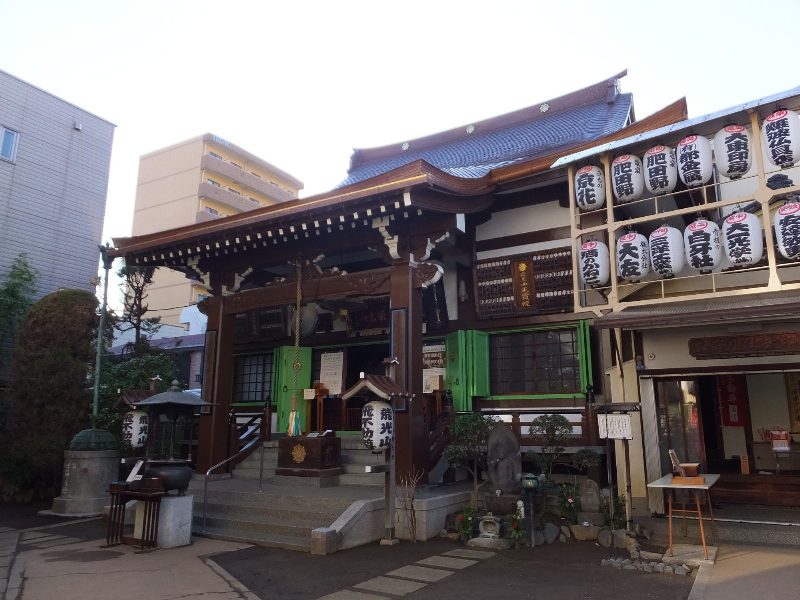
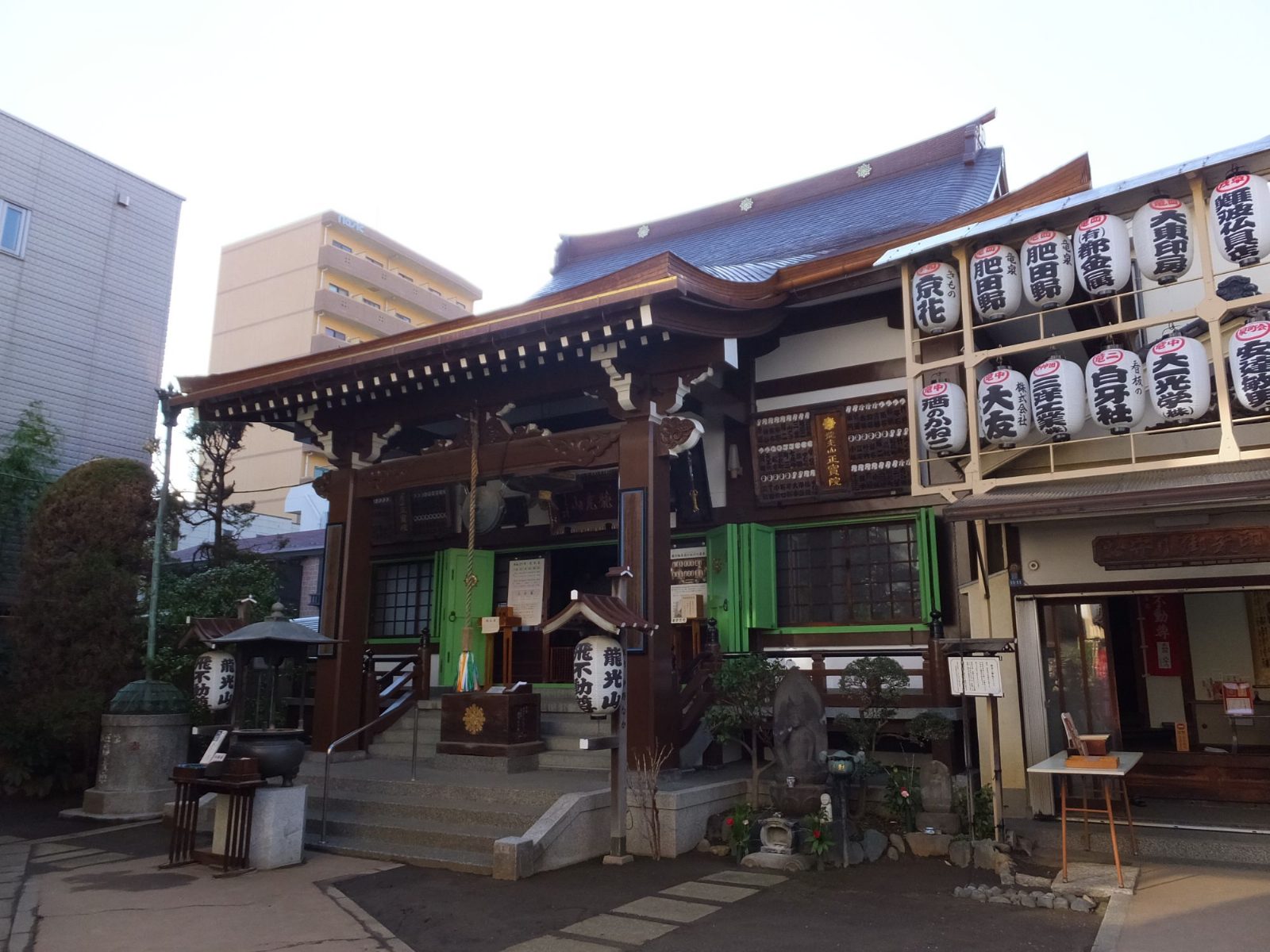
Image source: Wikimedia Commons; license credits as shown.
Overview
Shōbō-in is a Buddhist temple located in the Taitō ward of Tokyo, nestled in a quieter residential area, alongside popular tourist spots like Senso-ji Temple within the same district. The temple is modest in size and primarily serves the local community, with travelers often visiting while exploring nearby attractions to experience the downtown atmosphere and Tokyo's daily life.
Getting There
The easiest way to reach Shōbō-in is by taking the Tokyo Metro Hibiya Line to either 'Minowa Station' or 'Iriya Station', followed by a 10 to 15-minute walk to the Ryusen area. Alternatively, you can take a Toei bus from Asakusa or Ueno to nearby stops in Ryusen or Sendai, then walk about 5 to 10 minutes to reach the temple.
Highlights
Shōbō-in is a small Buddhist temple hidden in the Ryusen residential area of Taitō, away from the crowds of larger tourist temples, offering a serene and simple atmosphere. The temple mainly caters to the ritual and memorial needs of local residents, making it a convenient stop for travelers who enjoy walking and photographing downtown street scenes, providing a glimpse into Tokyo's everyday religious life. Due to its small size, visits are usually brief, making it suitable to include in a day trip itinerary alongside Asakusa and Ueno.
What to See
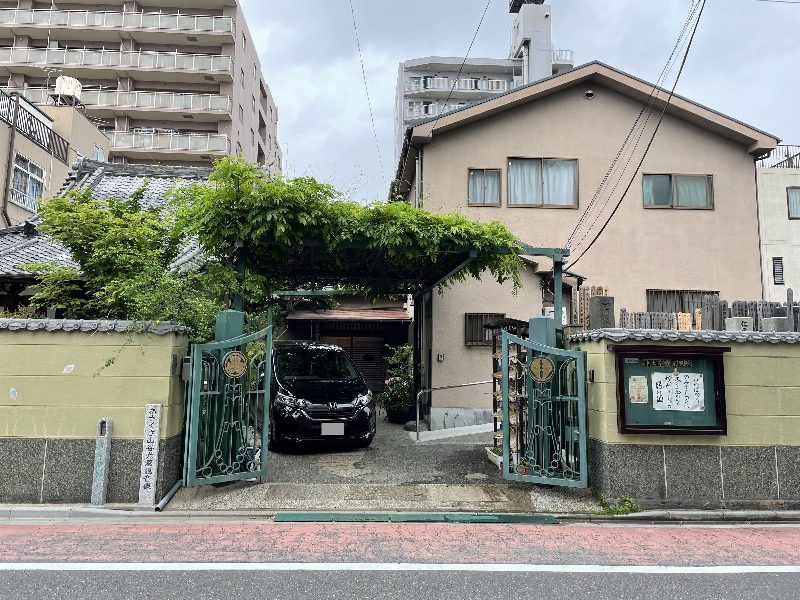
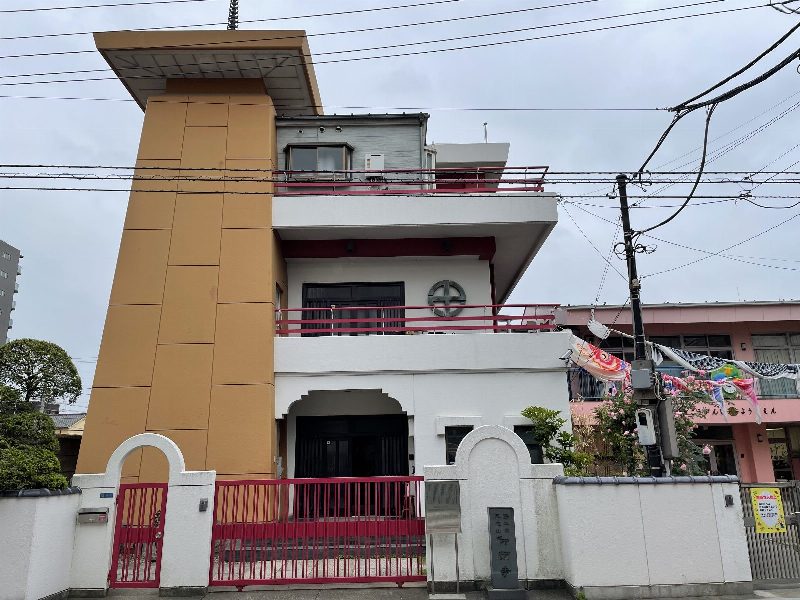
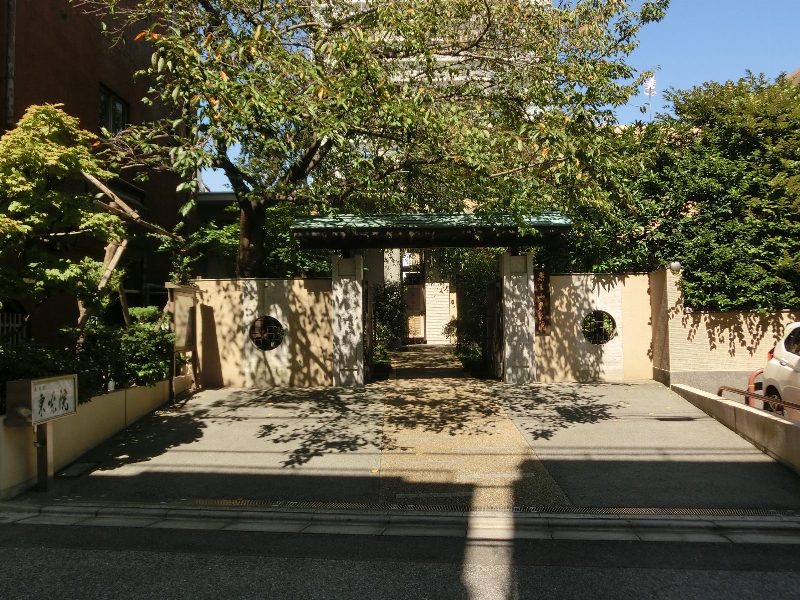
The main hall of Shōbō-in has a simple appearance, following traditional Japanese temple architecture, with a signboard and a small mountain gate at the entrance, reflecting the understated character of a local temple. Inside, there may be small Jizō or ancestral memorial stones for daily worship and remembrance by nearby residents. The surrounding neighborhood retains a strong downtown atmosphere, with narrow alleys, low-rise residences, and small shops, perfect for leisurely exploration on foot. As it is not a large tourist temple, the landscaping and architecture focus on practicality and worship, with fewer extravagant tourist facilities.
Hours & Admission
Shōbō-in is a general local temple, usually allowing simple worship near the entrance during daylight hours, but specific opening times are not publicly disclosed. The temple is not a popular paid tourist attraction and currently does not have a public ticketing system; worshiping at the entrance typically does not require a fee. However, if participating in rituals, offerings, or individual ceremonies, donations for incense and oil are expected according to temple regulations. It is recommended that visitors respect the temple's operations and avoid visiting too early in the morning or late at night to prevent disturbances.
Address
3-11-11 Ryusen, Taitō, Tokyo, Japan
Travel Tips
When visiting Shōbō-in, it is advisable to combine it with nearby attractions such as Senso-ji Temple, Ueno Park, and Yanaka, creating a half-day or full-day walking itinerary to enhance your travel experience. Since the temple is located in a residential area, please keep noise levels down, avoid lingering in front of the temple, or photographing nearby residents' windows to maintain their privacy. Spring and autumn are comfortable seasons for walking and exploring Taitō, with pleasant temperatures and suitable alleys for leisurely strolls and photography. If you wish to inquire about rituals or worship details, it is recommended to have someone with better Japanese language skills communicate and prepare basic polite expressions in advance. If you encounter a ceremony in progress or a notice prohibiting entry, please simply bow at the entrance and do not force your way inside.
Nearby Dining
Near Shōbō-in, there are small restaurants, izakayas, and bento shops primarily used by local residents, with no large tourist shopping malls. However, a short walk or a few bus stops will take you to Asakusa or Ueno, which offer a rich variety of dining options. It is recommended to move to the area around 'Asakusa Station' to enjoy local dishes such as tempura rice bowls, sushi, and Western-style cafes, or head to the Ameyoko shopping street near 'Ueno Station' for various affordable snacks and izakayas. If you're just stopping briefly, you can purchase simple meals and drinks at convenience stores or coffee chains along the way before continuing your exploration. Since Shōbō-in is located in a residential area, some shops may close early in the evening, so it's advisable to plan your dinner time accordingly.
FAQ
Q: What does Shōbō-in primarily worship? A: Shōbō-in is a general Buddhist temple that primarily worships Buddhas and ancestral tablets, but detailed sect and principal deity information is not publicly available. As the temple serves as a local faith space, its functions mainly revolve around local residents' offerings to ancestors and conducting rituals and memorial activities, allowing travelers to simply bow and pay respects at the entrance. Q: Is there an admission fee to visit Shōbō-in? A: As a local temple, Shōbō-in generally does not charge an admission fee for simple worship at the entrance. If participating in individual offerings, ceremonies, or requesting the temple to chant sutras, a donation for incense or ceremony fees is typically expected, with amounts and methods determined by temple customs; it is advisable to confirm with the temple in advance in Japanese. Q: Are there other attractions worth visiting near Shōbō-in? A: Shōbō-in is located in the Ryusen area of Taitō, not far from Senso-ji Temple, Ueno Park, and the Yoshiwara and Sendai areas, making it suitable for a same-day walking route. Travelers can first visit Senso-ji Temple and Nakamise Street to experience the lively tourist atmosphere, then head to the residential area and small temples in Ryusen to contrast Tokyo's tourist and daily life, and finally extend to Ueno Park and the museum cluster for a rich cultural itinerary. Q: Does Shōbō-in offer temple lodging (shukubo) or experiential activities? A: Currently, there is no public information indicating that Shōbō-in offers shukubo or fixed experiential activities; unlike Koyasan or large famous temples, it is more community-oriented. Travelers wishing to experience shukubo or Zen meditation can look for well-known temple lodging facilities in Koyasan, Nagano, Kyoto, or refer to the official Japanese tourism website and airline-curated 'shukubo' feature information. Q: What etiquette should be observed when worshiping at Shōbō-in? A: When worshiping at Shōbō-in, maintaining silence, dressing appropriately, avoiding loud noises, and not littering are the most basic etiquettes. If there are areas where photography is explicitly prohibited, please adhere to those rules; even if there are no signs, avoid photographing worshippers or private burial areas, and try to keep your visit brief at the entrance or outside areas.