Mitsui Shrine
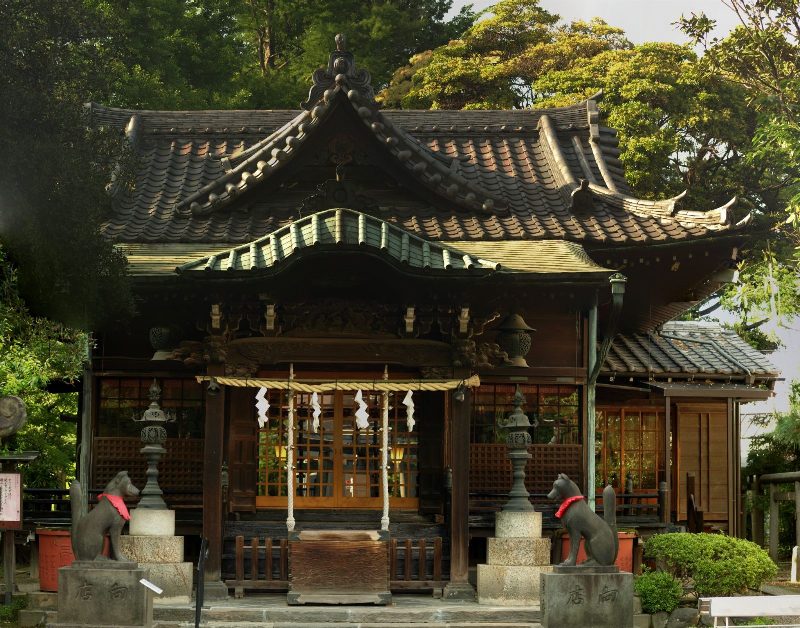
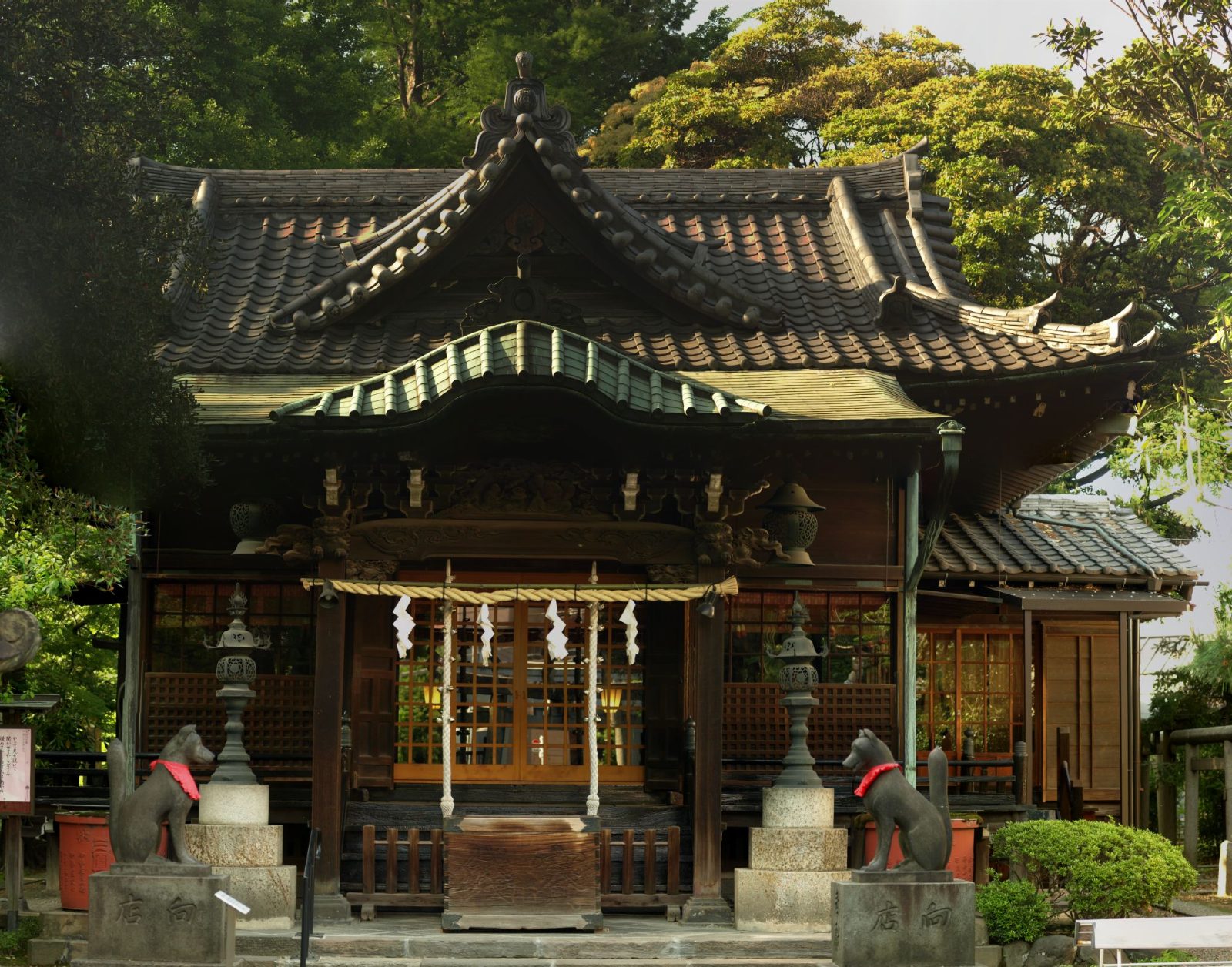
Image source: Wikimedia Commons; license credits as shown.
Overview
Mitsui Shrine is a historic Inari shrine located in Mukojima, Sumida Ward, Tokyo, dedicated to Uka-no-Mitama-no-Kami. It shares the same principal deity as Fushimi Inari in Kyoto and is renowned for its blessings related to prosperous business and family safety. Since the Edo period, it has served as the guardian shrine for the Mitsui family and the Mitsui Group, featuring unique sights such as the three torii gates, a stone monument donated by the Mitsui family, and a lion statue from Mitsukoshi department store. The shrine's legend originates from a story of a white fox circling three times and is also one of the important starting points for the Seven Lucky Gods pilgrimage along the Sumida River.
Getting There
The easiest way to reach Mitsui Shrine is to take the Tobu Skytree Line to 'Tokyo Skytree Station' and walk about 8 to 10 minutes. Alternatively, you can walk about 8 to 10 minutes from the Toei Asakusa Line 'Honjo Azumabashi Station', or about 15 to 16 minutes from the Tokyo Metro Ginza Line/Tobu Line 'Asakusa Station', walking along the Sumida River embankment and Yanagibashi to reach the Mukojima area.
Highlights
The most distinctive feature of Mitsui Shrine is its deep connection with the Mitsui family, regarded as the guardian shrine of the Mitsui zaibatsu and Mitsui Group, with numerous stone monuments and shrines donated by the Mitsui family and related companies throughout the grounds. The shrine enshrines the same principal deity, Uka-no-Mitama-no-Kami, as Fushimi Inari Taisha, particularly known for blessings related to prosperous business, thriving community activities, and family safety, attracting many business people to worship here. The shrine is famous for its cultural and artistic sights, including the 'three torii gates', white fox statues, 'Mitsukoshi's lion statue', and 'rain prayer haiku monument', creating a unique atmosphere that combines faith with modern corporate history. It is said to have been established during the time of Kobo Daishi, with the legend of the white fox circling three times, making it a distinctive stop when exploring Asakusa and the Skytree area.
What to See
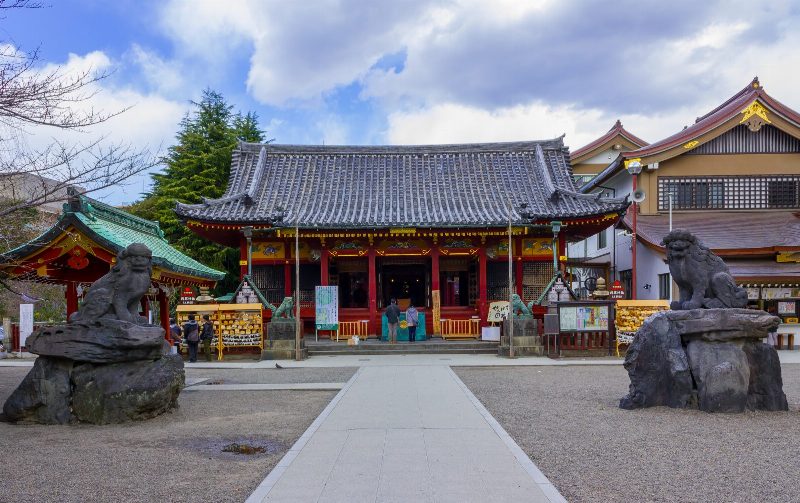
The highlights within Mitsui Shrine are concentrated and rich, perfect for a leisurely stroll to explore one by one. First is the 'three torii gates' near the entrance, originally located at the Mitsui family residence and later moved here, serving as a representative sight for photography and symbolizing the Mitsui connection. There are several white fox statues throughout the shrine, with the most famous one having a pedestal inscribed with 'Muko', symbolizing protection for shops and business prosperity, making it a must-visit photo spot for business travelers and shop owners. The 'lion statue komainu' donated by Mitsukoshi department store is highly talked about, with its design inspired by the store's signature lion at the entrance, integrating corporate symbolism into shrine worship, creating a unique modern landscape at Mitsui Shrine. The 'rain prayer haiku monument' commemorates the haiku poet Takai Kiyokaku, who offered a rain prayer during the Genroku era for the drought in Edo, with the legend stating that heavy rain followed the next day, making the inscription a precious relic at the intersection of literature and faith. Additionally, the Mitsui family ancestral shrine 'Akinomiya Shrine', various stone monuments, and signs related to the Seven Lucky Gods of Sumida River showcase the multifaceted relationship between Mitsui Shrine, corporate history, downtown faith, and coastal pilgrimage culture.
Hours & Admission
Mitsui Shrine is open for free worship, typically from 9:00 AM to 5:00 PM daily. From November to the end of February, it closes earlier at 4:30 PM. On New Year's Day from January 1 to 7, it is usually open until 5:00 PM, making it suitable for daytime visits. General worship is free, with no admission fee, but offerings for amulets and goshuin (temple seals) require corresponding payments. The shrine office and goshuin issuance times usually align with opening hours but may vary depending on the day's circumstances. The shrine is generally open year-round, but the office may be closed on certain days, so it's advisable to allow flexible time for specific prayers or goshuin requests.
Address
2-5-17 Mukojima, Sumida Ward, Tokyo 131-0033, Japan
Travel Tips
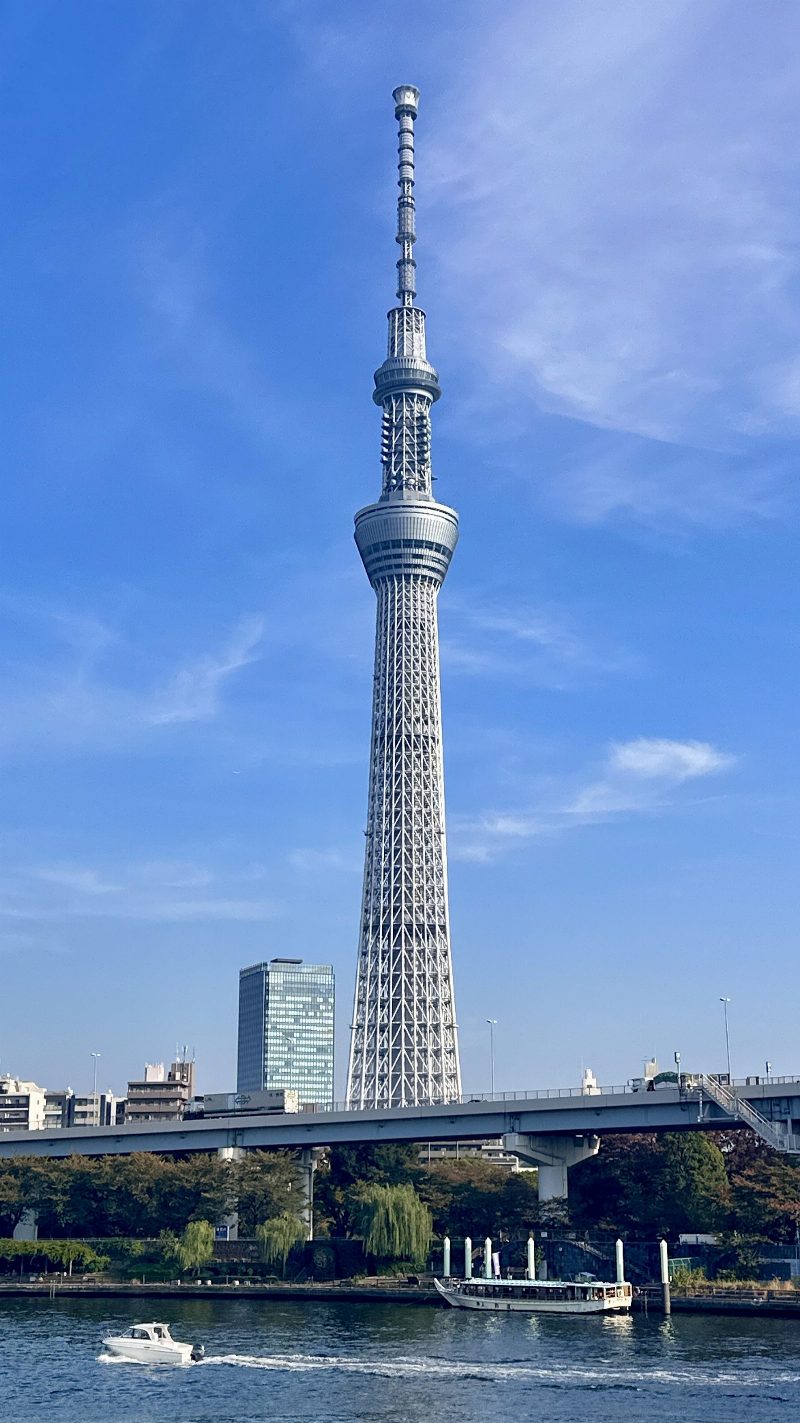
It is recommended to visit Mitsui Shrine as part of a walking itinerary in Asakusa, the Skytree (Tokyo Skytree Town), or Mukojima. Walking across the Yanagibashi bridge from the Sumida River allows you to experience the transition from the bustling tourist area to the downtown shrine atmosphere. The best time for worship is during the day, especially in the morning when there are fewer crowds, making it easier to appreciate the details of the stone monuments and torii gates. Additionally, since the closing time is earlier from November to February, ensure to allocate enough time during daylight hours. There is no dedicated parking lot on-site, and the surrounding streets are narrow and residential, so it is recommended to use public transport and walk. If driving, check for nearby coin parking in advance. As a shrine famous for prosperous business and thriving community activities, many visitors carry business cards to pray for success or visit nearby shopping streets and sweet shops to extend the atmosphere of 'prosperous business and enjoyable consumption'. During winter and the New Year period, crowds are larger, especially during the Seven Lucky Gods pilgrimage or Mitsui Group festivals, making the shrine even livelier and allowing for a deeper experience of the shared faith between the company and local residents.
Nearby Dining
The Mukojima area surrounding Mitsui Shrine retains a strong downtown atmosphere, offering a rich variety of choices from traditional sweet shops to modern cafes, allowing for flexible arrangements based on your itinerary. In the nearby Asakusa area, there are many long-established sushi restaurants, tempura specialty shops, and wagashi (Japanese sweets) stores, making it ideal to combine your worship visit with lunch or afternoon tea in Asakusa, enjoying classic downtown delicacies like tempura, soba noodles, or ningyo-yaki. If you are planning your itinerary around Tokyo Skytree, the commercial facilities within and around Skytree Town offer diverse options from Japanese set meals and cafes to international cuisine, suitable for families and group travelers to satisfy shopping and dining needs in one stop. The Mukojima area itself is also dotted with cozy cafes and izakayas, some facing the Sumida River or tucked away in alleys, perfect for finding a spot to relax after worship and experience the local residents' lifestyle and the leisurely atmosphere of Edo downtown.
FAQ
Q: Which deity is enshrined at Mitsui Shrine? What blessings does it provide? A: The principal deity of Mitsui Shrine is Uka-no-Mitama-no-Kami, believed to provide blessings for prosperous business, family safety, and thriving community activities. Uka-no-Mitama-no-Kami is central to Inari faith, symbolizing grains and harvest, extending to blessings for shops, businesses, companies, and smooth family life, which is why many enterprises and merchants come to worship for good fortune. Q: What are the opening hours of Mitsui Shrine, and is there an admission fee for worship? A: Mitsui Shrine generally opens from 9:00 AM to 5:00 PM, closing at 4:30 PM from November to the end of February. Worship is free, with no admission fee. From January 1 to 7, it is usually open until 5:00 PM and tends to be busier. The issuance times for goshuin and amulets often align closely with the shrine office's opening hours, but there may be slight changes, so it's advisable to allow for flexibility to avoid disappointment. Q: How do I get to Mitsui Shrine using public transportation? A: To reach Mitsui Shrine, you can take the Tobu Skytree Line to 'Tokyo Skytree Station' and walk about 8 to 10 minutes, which is one of the most convenient ways. Alternatively, you can walk about 8 to 10 minutes from the Toei Asakusa Line 'Honjo Azumabashi Station', or about 15 to 16 minutes from the Tokyo Metro Ginza Line/Tobu Line 'Asakusa Station', crossing the Yanagibashi bridge and walking along the Sumida River embankment towards Mukojima to reach the shrine area. Q: What is the relationship between Mitsui Shrine and the Mitsui Group? A: Since the Edo period, Mitsui Shrine has served as the guardian shrine for the Mitsui family and various companies of the Mitsui Group, regarded as a shrine with deep connections to Mitsui. The character '圍' contains '井', and due to past miraculous events, Mitsui-related enterprises still hold regular festivals and ceremonies here. The three torii gates, Akinomiya Shrine, and some stone monuments within the shrine were all donated by the Mitsui family or related companies, making it a practical lesson in understanding the relationship between modern Japanese enterprises and faith. Q: Does Mitsui Shrine have an official website or social media accounts? A: Mitsui Shrine currently does not have a publicly available official website; related information is mainly shared by the Sumida Ward Tourism Association and shrine visitors. For the latest festival times, goshuin information, or special events, it is advisable to refer to the official tourism information from the Sumida Ward Tourism Association or inquire at local tourist information centers, and pay attention to on-site notices after arrival. Q: Which attractions are suitable to combine with a visit to Mitsui Shrine? A: Mitsui Shrine is very suitable to combine with Asakusa's Kaminarimon, Tokyo Skytree, a stroll along the Sumida River, and exploring the downtown area of Mukojima for a half-day or full-day itinerary. Crossing the Yanagibashi bridge from Asakusa leads to Mukojima, where you can walk to Mitsui Shrine and nearby temples, and then head to Skytree for shopping, dining, or climbing to overlook the Sumida River scenery, making it a popular classic route for first-time visitors to Tokyo.