Kōshōin
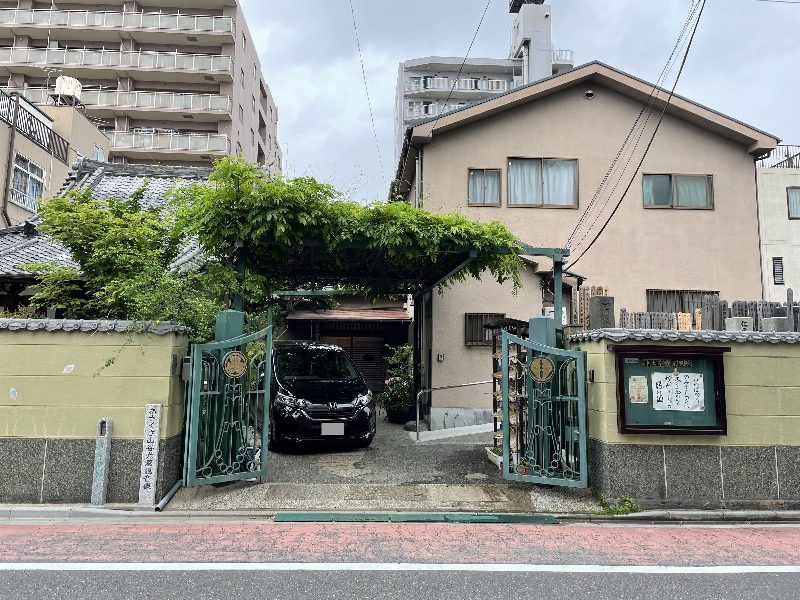
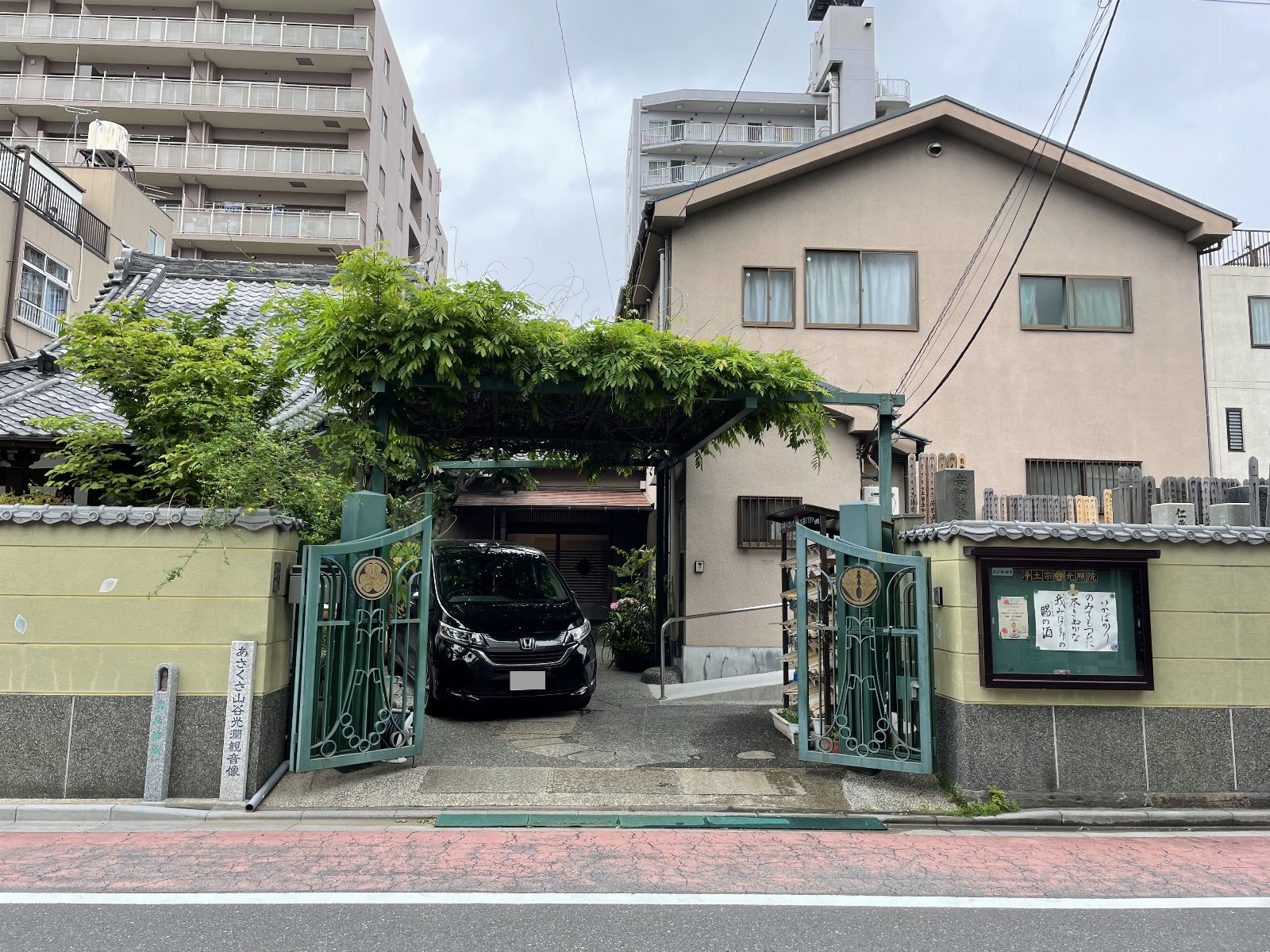
Image source: Wikimedia Commons; license credits as shown.
Overview
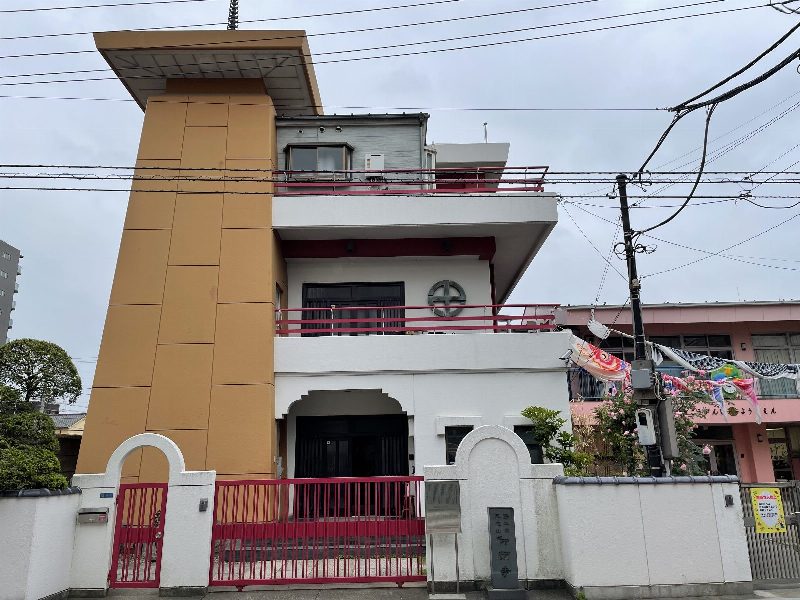
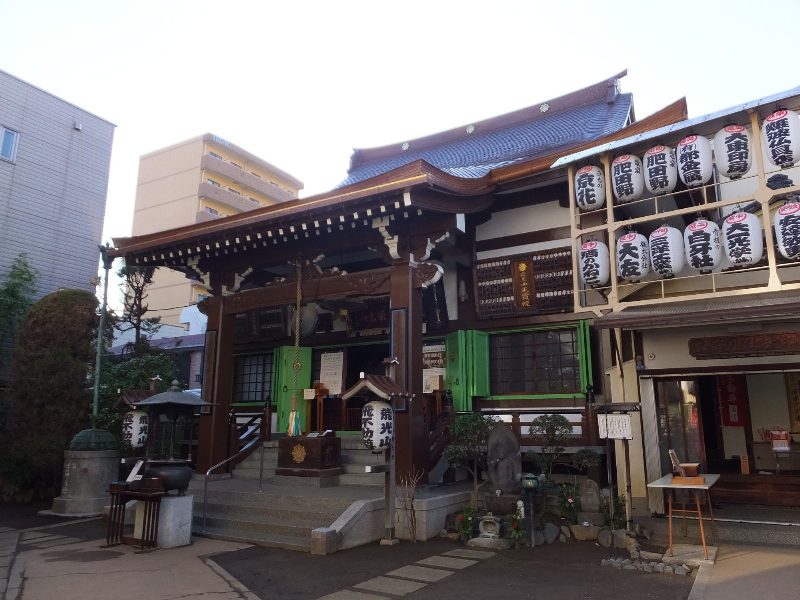
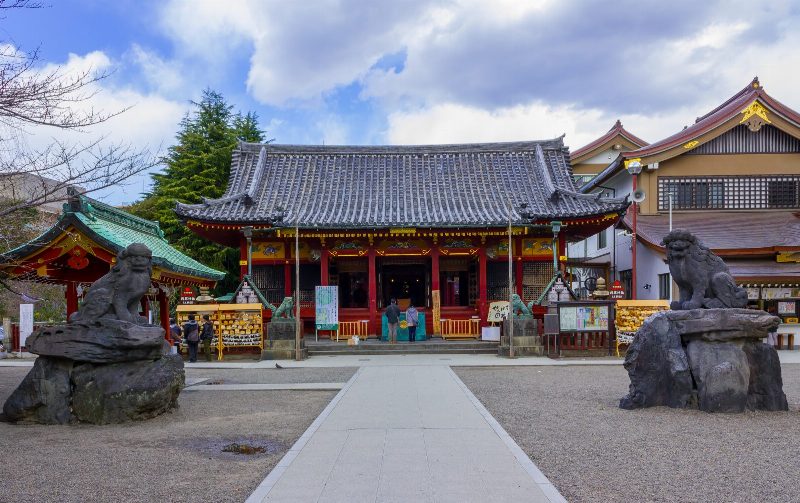
Kōshōin is a local temple located in the Kiyokawa area of Fukuoka Prefecture, Japan. It offers a serene environment primarily for local residents to worship, pray, and participate in seasonal festivals. The temple is relatively small and serves as a spot for nearby walks, worship, and experiencing the atmosphere of local Japanese beliefs, rather than being a large tourist attraction. Due to the lack of official public information, details about the temple's founding, sect, and architectural specifics are largely based on local beliefs, primarily serving the nearby community.
Getting There
To reach Kōshōin, driving or taking a bus is common. The nearest public transport stations are mostly local bus stops, and it takes about 5 to 15 minutes on foot to arrive. Since Kiyokawa is a rural/suburban area, bus services are infrequent, so it's advisable to check the local bus schedule in advance or consider renting a car to get there.
Highlights
The charm of Kōshōin lies in its tranquil local temple atmosphere, making it suitable for travelers looking to escape the hustle and bustle and experience rural Japanese religious life. The grounds typically feature a main hall and small worship spaces, which often become centers for community activities and rituals during traditional festivals and Obon. With a low level of commercialization, visitors can observe the worship habits and daily rhythms of local residents more authentically.
What to See
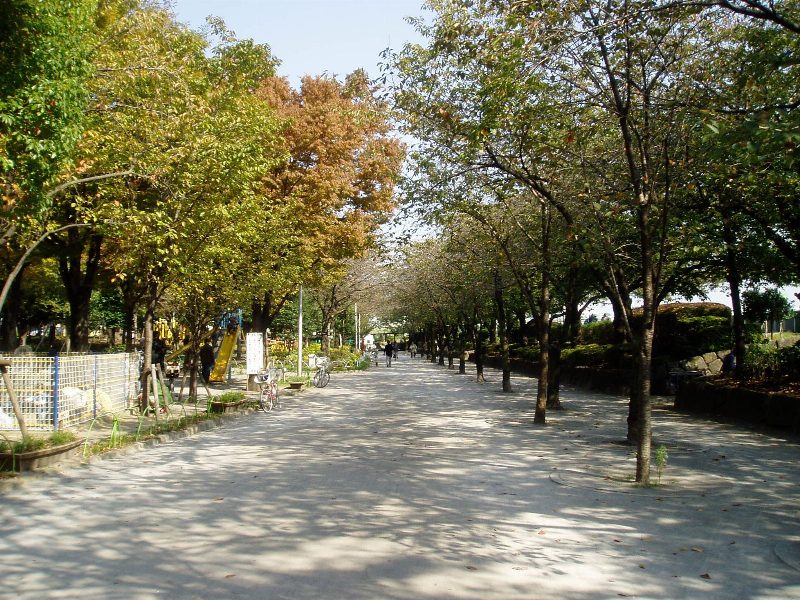
The main attractions at Kōshōin usually include: - Main Hall: The core space for daily worship and ceremonies, housing the principal Buddha statue or deity. - Small Shrines and Stone Tablets: Often dedicated to Jizō, Inari, or local guardian deities, reflecting local religious characteristics. - Small Gardens and Trees: The area often features shaded spots and plantings, creating a simple yet peaceful path for worship. - Offering Lanterns and Incense Stands: Used for lighting incense, offering flowers, and honoring ancestors or guardian deities.
Hours & Admission
Kōshōin generally allows free worship without an admission fee, with offerings for incense and candles made at the visitor's discretion. It is open primarily during the day, from early morning to evening, but the grounds are usually not lit or open to the public at night. During ceremonies or private rituals, some areas may be temporarily closed to visitors, so it is recommended to respect on-site instructions and arrangements by monks or staff.
Address
Kiyokawa area, Fukuoka Prefecture, Japan (specific address as indicated locally)
Travel Tips
It is recommended to plan a visit to Kōshōin as part of an exploration of the surrounding mountain villages, valleys, or hot springs, to experience the integration of local beliefs and natural environments. Rural bus services are limited, so be sure to confirm round-trip times in advance, and self-driving travelers should pay attention to mountain road conditions and weather. When visiting, it is advisable to dress neatly, keep noise levels down, refrain from eating or making a fuss on the grounds, and follow the etiquette of bowing slightly at the mountain gate or entrance before entering to worship. If you wish to take photos, first check whether photography is prohibited or if there are restrictions on photographing the interior of the main hall.
Nearby Dining
The area around Kōshōin is primarily residential and agricultural, with limited dining options within walking distance. It is recommended to eat or purchase meals in the busier areas of Kiyokawa or near nearby stations. Self-driving travelers can combine their visit with stops at nearby roadside stations, local diners, or small restaurants to enjoy home-cooked dishes and seasonal ingredients. If planning to stay for more than half a day, it is advisable to prepare simple drinks and snacks in advance to avoid difficulty finding suitable restaurants in the countryside.
FAQ
Q: Is Kōshōin primarily a Buddhist temple or a shrine? A: The name Kōshōin is often associated with Buddhist temples, but it frequently also incorporates local deity worship and ancestor veneration, reflecting the common mixed belief system in Japan. Due to the lack of official explanations, visitors can observe whether the focus is on Buddha statues and the main hall or if there are small shrine-like torii gates and worship spaces to determine the center of worship. Q: Do I need to make a reservation to visit Kōshōin? A: Generally, daytime visits to Kōshōin do not require a reservation, but during ceremonies, rituals, or special festivals, access may be limited to families and worshippers, and outside visitors may not be able to enter certain areas. If you wish to participate in specific rituals or request a monk to chant, it is often necessary to contact in advance by phone or through local residents' assistance. Q: Are there any dress code or etiquette considerations for visiting Kōshōin? A: It is recommended to wear neat and modest clothing when visiting Kōshōin, avoiding overly revealing outfits, and to maintain silence and refrain from running or making noise on the grounds. If you need to remove your shoes before entering the main hall or indoor spaces, please follow on-site instructions for shoe placement, and during worship, you may gently bow, join your hands in prayer, and offer incense money based on your own intention without a fixed amount. Q: Does Kōshōin offer goshuin or souvenirs? A: Some local temples may provide simple goshuin, but whether Kōshōin has resident monks to issue goshuin depends on whether monks are present at the temple and if it is open to the public during your visit. If there are no clear signs or no one to answer the door, it is advisable to respect the temple's situation and not insist on obtaining goshuin or entering non-public areas. Q: How much time should I plan to spend visiting Kōshōin? A: A visit to Kōshōin typically takes about 15 to 30 minutes for basic worship and a brief walk. If you enjoy taking photos, closely examining stone tablets and small shrines, or interacting with local residents, your stay may extend to about an hour. You can arrange your visit as part of a half-day or full-day local trip in conjunction with nearby attractions.