Tokyo Skytree
Japan · Tokyo Metropolis · Sumida · Landmarks
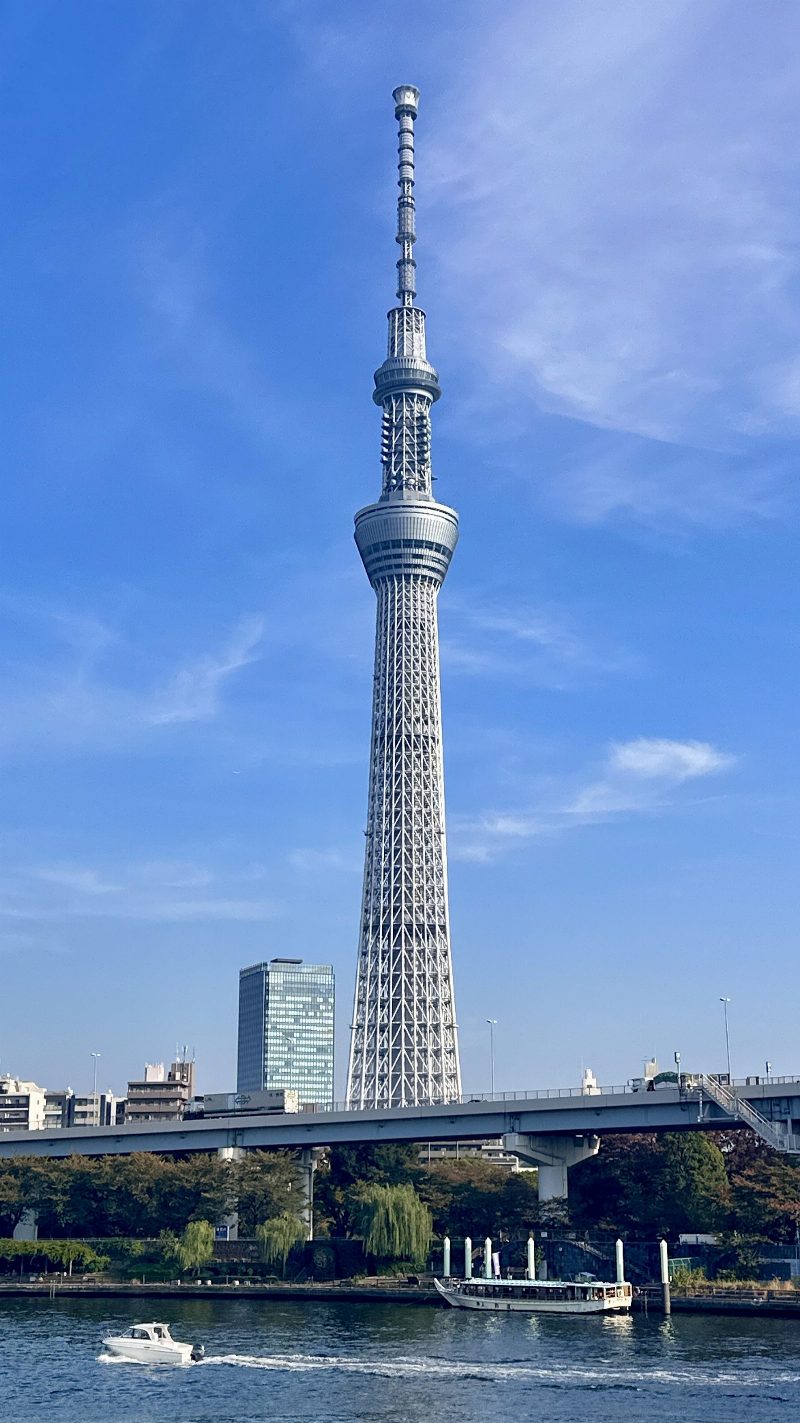
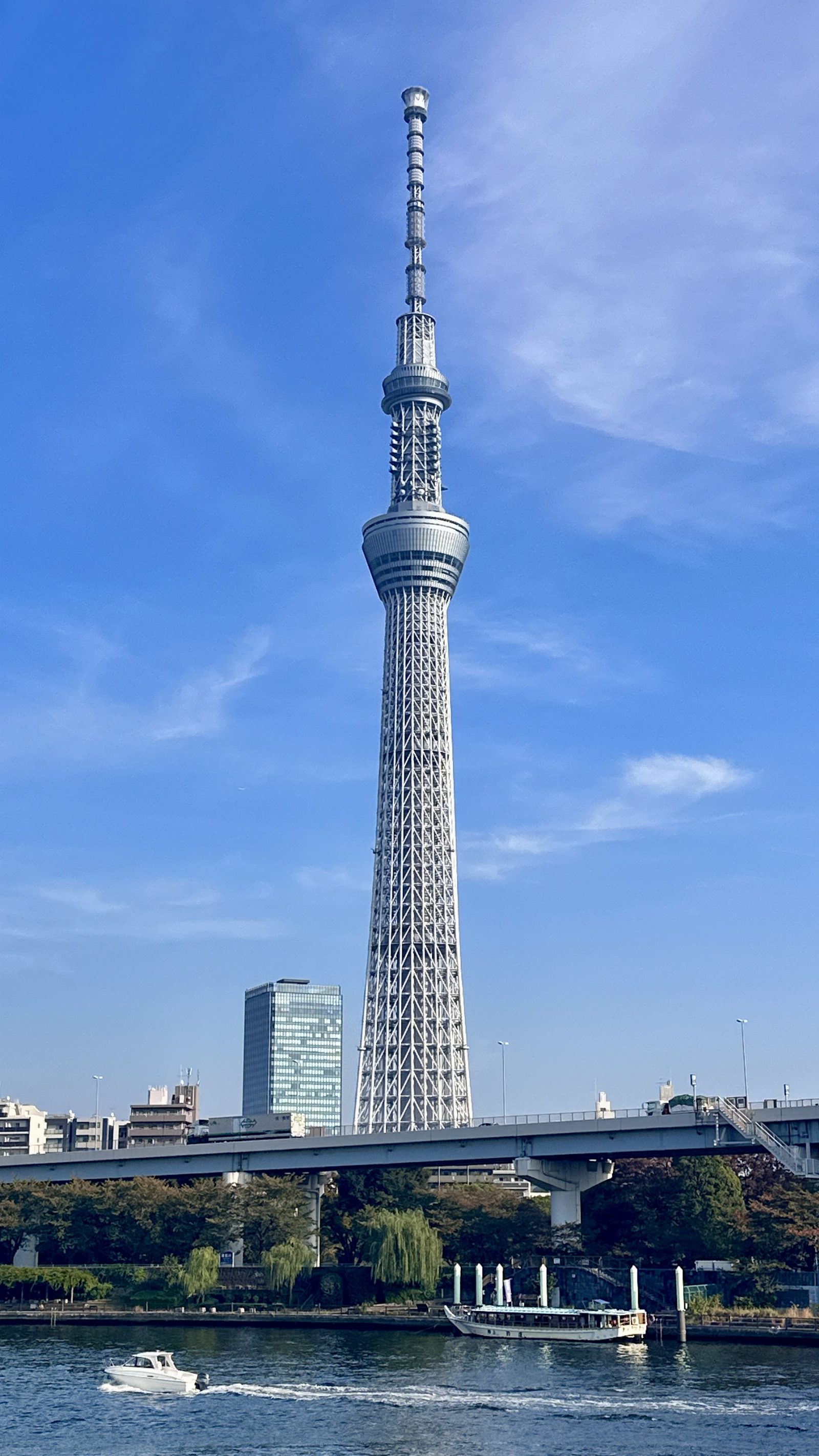
Image source: Wikimedia Commons; license credits as shown.
Overview
Tokyo Skytree is a broadcasting tower and observation landmark that stands 634 meters tall, located in the Sumida area of Tokyo. It is currently one of the tallest freestanding broadcasting towers in the world. The tower is part of Tokyo Skytree Town, which combines a large shopping center, aquarium, office buildings, and entertainment facilities, making it a representative sightseeing spot on the eastern side of Tokyo. Visitors can ascend to two observation decks to overlook Mount Fuji, the Sumida River, and the Tokyo skyline, with themed lighting at night making it a popular photo spot.
Getting There
The most convenient way to reach Tokyo Skytree is to take the Tobu Skytree Line to 'Tokyo Skytree Station', which is about a 1 to 3-minute walk from the station exit. Alternatively, you can take the Hanzomon Line, Keisei Oshiage Line, or Toei Asakusa Line to 'Oshiage Station' and walk about 5 minutes following the signs directly to Tokyo Skytree Town and the tower entrance. Direct trains and bus routes are also available from Narita and Haneda airports to the Oshiage area.
Highlights
The main feature of Tokyo Skytree is its height of 634 meters, which offers a vast view, allowing visitors to see Mount Fuji and Tokyo Bay on clear days. Inside the tower, there are two major observation areas: the 'Tembo Deck' at approximately 350 meters high and the 'Tembo Galleria' at about 450 meters high, providing different levels of urban landscape experiences. The surrounding area is planned as 'Tokyo Skytree Town', integrating shopping, dining, an aquarium, and an observatory, making it a one-stop leisure and sightseeing complex. The tower is illuminated at night with different themed lights according to seasons and festivals, making it a must-visit scene for night views and photography enthusiasts.
What to See
1. Tokyo Skytree Tembo Deck: Located about 350 meters high, it features panoramic glass windows and some transparent floor areas, allowing visitors to overlook the Sumida River, Asakusa, and the entire Tokyo city center, making it a must-visit observation floor for first-time visitors. 2. Tokyo Skytree Tembo Galleria: Located about 450 meters high, it spirals around the tower with a slope, offering an even broader view, ideal for appreciating the distant scenery of Mount Fuji and the Kanto Plain. 3. SKYTREE TERRACE Outdoor Observation Area: Located at about 155 meters high, this outdoor terrace provides an open space without glass barriers to enjoy the Tokyo scenery and the tower's structure, requiring participation in guided tours as per on-site regulations. 4. Tokyo Skytree Town (TOKYO Solamachi): A large commercial facility located at the base of the tower, gathering hundreds of shops and restaurants, as well as an aquarium and a dome theater, making it the main area for shopping and souvenir purchases. 5. Sky Restaurant 634 (MUSASHI): An upscale restaurant located on the higher floors of the tower, offering creative Japanese and Western fusion cuisine, allowing diners to enjoy the night view while dining, making it a popular choice for anniversaries or special occasions. 6. Nighttime Illuminations and Special Lighting of the Tower: The lighting themes change according to seasons, festivals, and events, featuring traditional imagery colors such as 'Iki' and 'Miyabi', making it a popular subject for photography from the banks of the Sumida River or the Asakusa area.
Hours & Admission
The observation decks of Tokyo Skytree generally operate from 10:00 AM to 9:00 PM, with the last entry typically about an hour before closing. During peak seasons or special events, operating hours may be extended, so please refer to official announcements. Admission fees are tiered, mainly divided into the Tembo Deck (about 350 meters) and the Tembo Galleria (about 450 meters), with options to purchase single floor tickets or combination tickets for both floors. According to official information, on weekdays, the combination ticket for the Tembo Deck + Tembo Galleria for adults is about 3,100 yen, for high school and junior high students about 2,350 yen, and for children about 1,450 yen. On weekends, the prices are approximately 3,400 yen for adults, 2,550 yen for students, and 1,550 yen for children, with free admission for children under 5. Ticket prices may vary based on ticket type (same-day tickets, advance reservation tickets), date, and events, and discounts are available for persons with disabilities and their companions. It is recommended to check the official website for the latest ticket prices and purchasing methods before your visit.
Address
1-1-2 Oshiage, Sumida, Tokyo 131-0045, Japan (Tokyo Skytree / Tokyo Skytree Town)
Travel Tips
It is recommended to book tickets online in advance when visiting Tokyo Skytree, especially during dusk and night view times, to reduce waiting times and to secure ideal entry times. If you want to enjoy both daytime and nighttime views, plan to enter about an hour before sunset to capture daytime scenery before waiting for the lights to come on. During spring cherry blossom season and summer fireworks festivals, the surrounding area can be particularly crowded, so it is advisable to arrive early and allow time for transportation and queuing; winter offers clearer air, making it a high-probability season for viewing Mount Fuji and its snow scenery. The Tokyo Skytree Town below has a variety of shops, souvenir stores, and supermarkets, making it suitable for half-day to full-day itineraries, combined with nearby attractions like Asakusa Temple and Sumida River boat tours. Due to strong winds and large glass areas at the observation decks, it is recommended to bring a camera or smartphone with anti-shake features for night photography and to prepare a light jacket to cope with air conditioning and temperature differences at high altitudes.
Nearby Dining
Tokyo Skytree and Tokyo Skytree Town offer a variety of dining options, ranging from local Japanese cuisine to dessert cafes, suitable for family and group dining. The 'Sky Restaurant 634' on the higher floors of the tower provides exquisite Japanese and Western fusion dishes, allowing diners to enjoy the Tokyo night view while dining, and reservations are recommended. Tokyo Skytree Town (Tokyo Solamachi) also has a rich selection of Japanese food, ramen, sushi, cafes, and dessert shops, making it a great place to taste local specialties and buy souvenirs. If you want to experience the downtown atmosphere, you can walk to the nearby Oshiage and Asakusa areas to find traditional izakayas, long-established dessert shops, and cafes, combined with a stroll to enjoy the night view of the Skytree.
FAQ
Q: How tall is Tokyo Skytree? A: Tokyo Skytree is 634 meters tall, making it one of the tallest freestanding broadcasting towers in the world. The design height of '634' sounds similar to 'Musashi', symbolizing the Kanto Musashi region, and it was intentionally built to surpass the Guangzhou Tower in China, setting a new height record upon completion. Q: What is the easiest way to get to Tokyo Skytree? A: The easiest way to reach Tokyo Skytree is to take the Tobu Skytree Line to 'Tokyo Skytree Station', or take the Hanzomon Line, Keisei Oshiage Line, or Toei Asakusa Line to 'Oshiage Station' and walk from there. Both stations are connected to Tokyo Skytree Town, and following the 'Tokyo Skytree' signs inside the station will lead you to the tower entrance in just a few minutes, making it very friendly for families and travelers with luggage. Q: What time does Tokyo Skytree close? A: The observation decks of Tokyo Skytree generally operate from 10:00 AM to 9:00 PM, with the last entry usually about an hour before closing. During peak periods such as Golden Week, summer vacations, or special events, operating hours may be extended or adjusted, so it is advisable to check the official website for the latest operating hours before your visit. Q: How much is the admission fee for Tokyo Skytree? A: Admission fees for Tokyo Skytree vary by floor and date. On weekdays, the combination ticket for the Tembo Deck + Tembo Galleria is about 3,100 yen for adults and about 3,400 yen on weekends, with lower prices for children and students, as well as discounts for persons with disabilities. Ticket prices may vary based on reservation methods (online reservations or on-site purchases), event periods, and exchange rates, so it is recommended to refer to the official latest price list and to take advantage of weekdays or early/late time slots to avoid crowds. Q: Which is better to visit, Tokyo Skytree or Tokyo Tower? A: Tokyo Skytree and Tokyo Tower each have their unique features. Skytree is known for its higher views, modern commercial facilities, and eastern Tokyo scenery, while Tokyo Tower retains a nostalgic Showa atmosphere and views of Tokyo Bay. If time allows, it is recommended to allocate half a day to experience each; if it's your first visit and you are focusing on Asakusa and the Sumida River area, Tokyo Skytree offers better integration of transportation, shopping, and dining, making it suitable for family or group travel. Q: Does Tokyo Skytree light up at night? A: Tokyo Skytree is illuminated with themed lights every night, and the lighting colors and designs change according to festivals, events, and special projects. Common themes include colors symbolizing Edo culture such as 'Iki' and 'Miyabi', and during festive periods, special lighting is introduced for Christmas, cherry blossom season, or fireworks festivals, making it a popular time for photography enthusiasts and couples on dates.