Mong-Ha Fort
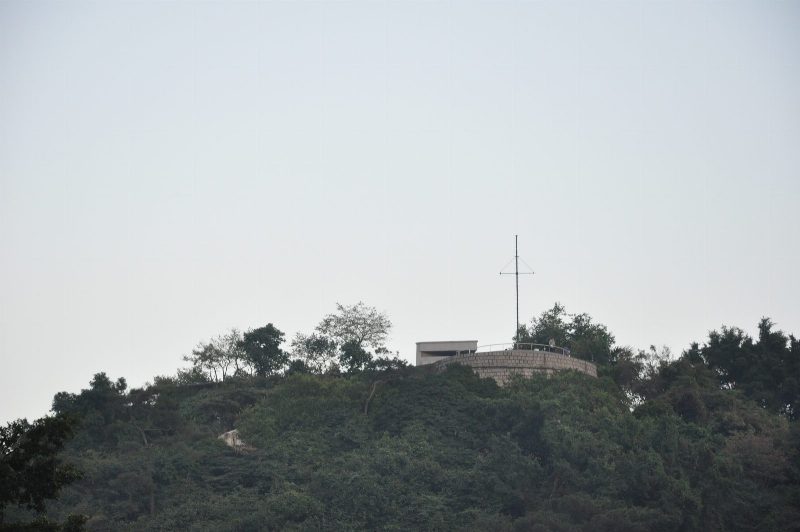
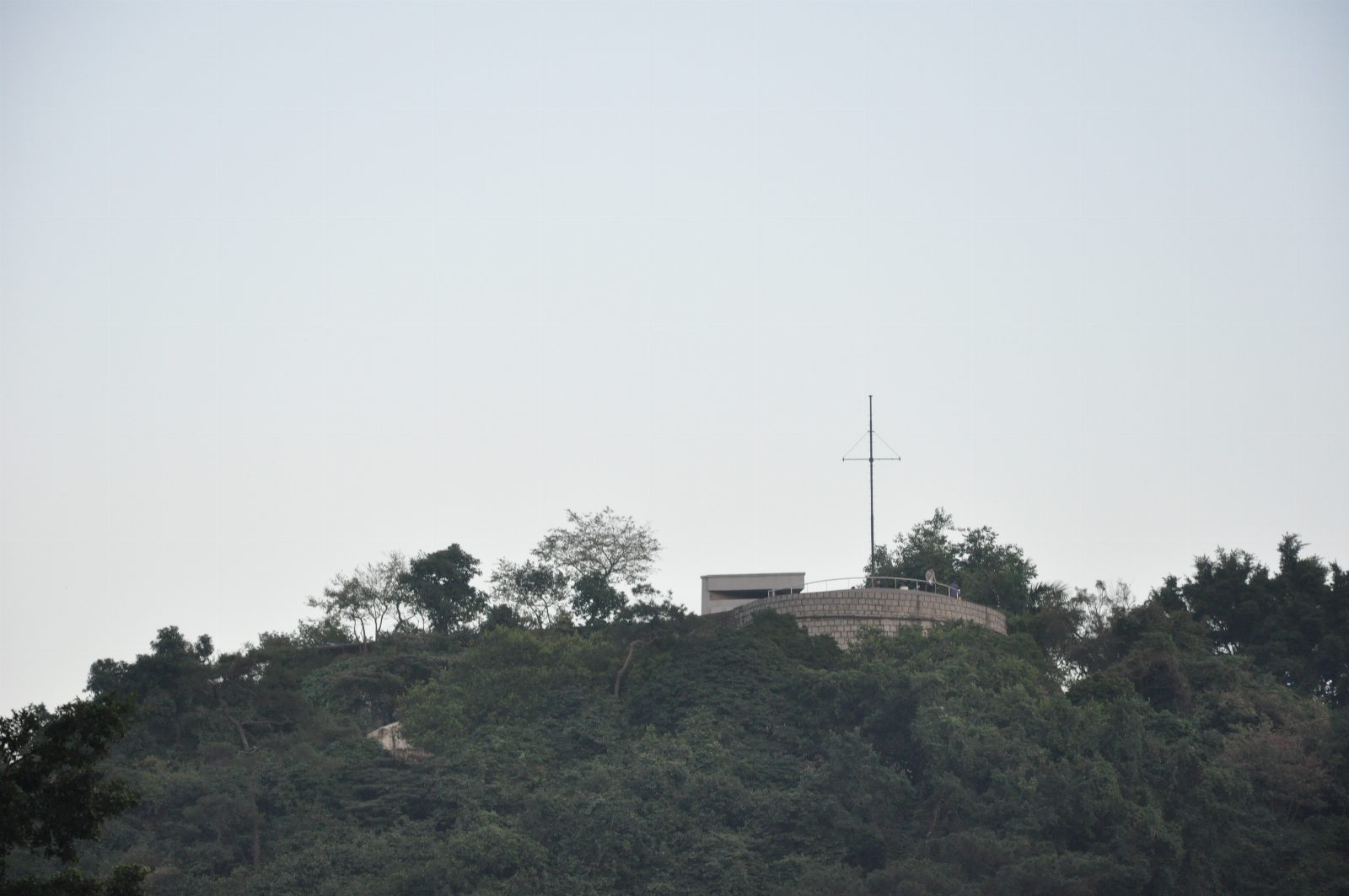
Image source: Wikimedia Commons; license credits as shown.
Overview
Mong-Ha Fort is a 19th-century military fortress located at the top of Mong-Ha Hill in northern Macau, within the current Mong-Ha Municipal Park. It was built by the Portuguese authorities in the mid-19th century to strengthen the northern defense line. The fort was completed in 1866 and was equipped with several cannons to monitor the northern district and the border area. After ceasing military use in 1960, it transitioned to a non-military site alongside the withdrawal of Portuguese troops, and is now an open park attraction that combines the stone fort, green pathways, and views of northern Macau. Climbing to the fort's platform offers a panoramic view of the northern peninsula of Macau and the Inner Harbor, making it a serene spot to learn about Macau's military history and enjoy a leisurely walk.
Getting There
The most convenient way to reach Mong-Ha Fort is to take a bus to the Mong-Ha Hill area (such as near Hecaiwan, Youhan, or Taishan bus stops), and then follow the signs to walk up to Mong-Ha Municipal Park. It takes about 10 to 20 minutes to reach the fort area along the mountain path. Alternatively, you can walk from the Border Gate or the New Bridge area to the foot of the hill entrance, then follow the shaded path up the hill. Although there are slopes, they are relatively gentle and suitable for general travelers to hike.
Highlights
Mong-Ha Fort is a historical fortress built in the mid-19th century to guard the northern border of Macau, now integrated into Mong-Ha Municipal Park, combining military ruins with urban green space for recreation. The fortress covers about 650 square meters, with thick granite walls, gun positions, and remnants of barracks that create a strong military atmosphere, evoking the important strategic position it held in conjunction with the Guia Fort, covering the area from Lotus Road to the Border Gate. The green surroundings of Mong-Ha Hill, with viewing platforms, pathways, artificial landscapes, and recreational facilities, make it a great choice to escape the crowds of the tourist core and experience a more leisurely pace of life in Macau.
What to See
1. Main Fort Structure and Stone Walls: The fort covers an area of about 650 square meters, surrounded by thick granite walls, retaining some battlements and wall structures, showcasing the 19th-century Portuguese military architectural style. 2. Cannons and Gun Positions: The fortress was once equipped with about ten cannons, capable of covering the northern Border Gate area. Several cannon tubes and gun mounts remain on site, allowing visitors to observe their orientation and defensive positions. 3. Remnants of Old Barracks: The fort was originally surrounded by barracks for soldiers from the African Portuguese colonies. Although many have been repurposed or only the foundations remain, the layout still conveys the military life of the past. 4. Mong-Ha Municipal Park Landscape: The fort is surrounded by shaded pathways, flowers, and small gardens, with pavilions and benches available, creating a landscape where history and nature intertwine with the ancient fort. 5. Views of the Northern District and Border: Standing at the height of the fort, visitors can overlook the northern districts of the Macau peninsula and the Inner Harbor waters, gazing towards the Border Gate area, experiencing the geographical environment corresponding to the former defense line.
Hours & Admission
Mong-Ha Fort is now part of Mong-Ha Municipal Park, which is an open outdoor space generally accessible to the public free of charge, without the need for tickets. In cases of inclement weather, park maintenance, or temporary safety considerations, some pathways or fort areas may be briefly closed, so it is advisable to check the latest announcements from Macau's municipal departments and tourism bureau before visiting. The park operates like an ordinary city park, with no mandatory visiting hours. Early morning and dusk are popular visiting times due to softer lighting and more comfortable temperatures.
Address
Mong-Ha Municipal Park, Mong-Ha Hill, Macau (approximately at 6G5X+27J, Mong-Ha Fort, Macau), located in the northern part of the Macau peninsula near the Border Gate and Hecaiwan area.
Travel Tips
It is recommended to wear comfortable clothing and well-covered walking shoes when visiting Mong-Ha Fort, as you will need to walk up slopes and stone steps to reach Mong-Ha Hill. Although the height is not too great, the summer heat can be intense and humid, so bringing drinking water and sun protection will make your visit more comfortable. The fort area is mostly open space, and visibility and walking safety may be affected during heavy rain or strong winds. On unstable weather days, consider visiting during the cooler early morning or evening hours. Mong-Ha Fort sees relatively fewer tourist groups, making it suitable for those looking to avoid the crowds in the tourist core, capture panoramic views of the northern district, or delve into Macau's military history. It can also be combined with local food experiences in the northern district or a walking itinerary around the Border Gate area for a half-day trip. The park is dimly lit at night, so if you plan to stay after sunset, be mindful of personal safety and watch your step on the stairs, avoiding lingering alone in secluded corners late at night.
Nearby Dining
There are no large dining facilities within Mong-Ha Fort, so it is recommended to eat or purchase drinks at the foot of the hill or nearby northern district streets before entering the park. The foot of the fort and the nearby areas of Hecaiwan, Taishan, and Youhan have many local tea restaurants, congee and noodle shops, and Portuguese snack shops where you can taste local flavors such as pork chop buns, Portuguese egg tarts, Portuguese chicken, and congee noodles, with prices being more affordable than in the tourist core. If you want to relax in a casual atmosphere, you can choose a small café or bakery in the nearby residential area to take away coffee and bread, and enjoy a picnic on the park benches, but please take your trash with you and care for the environment.
FAQ
Q: What is the historical background of Mong-Ha Fort? A: Mong-Ha Fort is a Portuguese military fortress built in the mid-19th century to defend northern Macau, completed in 1866. It later became a barracks for African Portuguese soldiers and remained in use until the mid-20th century. The fort, along with Guia Fort, formed the northern defense line of the Macau peninsula, with its cannons covering the former Lotus Road (now Arched Road) to the Border Gate and northern bay area, witnessing the border defense layout of Macau during the late Qing Dynasty amidst struggles with foreign powers. After the Portuguese military withdrew in the 1970s, the fort was completely demilitarized and transformed into part of today's Mong-Ha Municipal Park, becoming a historical site for local residents and tourists to visit. Q: Is there an admission fee to visit Mong-Ha Fort? A: Visiting Mong-Ha Fort is currently completely free. The park where the fort is located is an open city park, and no tickets or reservations are required for entry. The park is generally open all day, but in case of maintenance work, inclement weather, or safety considerations, some areas may be temporarily closed, so please refer to on-site announcements and information from Macau's municipal departments. It is advisable to bring your own drinking water and light snacks, which can be replenished at nearby shops before heading up the hill. Q: How do I get to Mong-Ha Fort from Macau's main ports or city center? A: From the Border Gate, Hecaiwan, or Youhan areas, you can walk or take a bus to the foot of Mong-Ha Hill, then follow the signs through the Mong-Ha Municipal Park pathways to reach the fort, which takes about 10 to 20 minutes of walking. If starting from New Road or Senado Square, you can first take a bus to a northern district stop, then walk towards Mong-Ha Hill. Although the transportation to Mong-Ha Fort is not as convenient as the historical forts in the city center, it allows for a better experience of the local community atmosphere and tranquil forest environment. Q: How does Mong-Ha Fort differ from the Guia Fortress (St. Paul's Fort)? A: Mong-Ha Fort is located in northern Macau on Mong-Ha Hill, primarily focused on defense against the northern border and the Border Gate area, while Guia Fortress (St. Paul's Fort) is situated next to the Ruins of St. Paul's and is one of the core strongholds protecting the old town and harbor of Macau, which has been included in the World Heritage list. In terms of tourism experience, Guia Fortress is closer to popular attractions like New Road and the Ruins of St. Paul's, attracting more visitors and offering well-developed tourist facilities, while Mong-Ha Fort is quieter, with relatively fewer visitors, making it more suitable for those who enjoy peaceful walks, capturing views of the northern district, or gaining a deeper understanding of military defense layouts. Q: How long does it take to visit Mong-Ha Fort? A: Generally, visitors spend about 1 to 2 hours at Mong-Ha Fort and Mong-Ha Municipal Park to walk the main pathways, explore the fort ruins, and take photos of the cityscape. If you plan to enjoy local food in the northern district or continue walking around the Border Gate or Hecaiwan, it is advisable to allocate half a day for a more leisurely visit; if you are just stopping by to enjoy the view, about 1 hour is sufficient.