Korea Straw and Plants Handicraft Museum
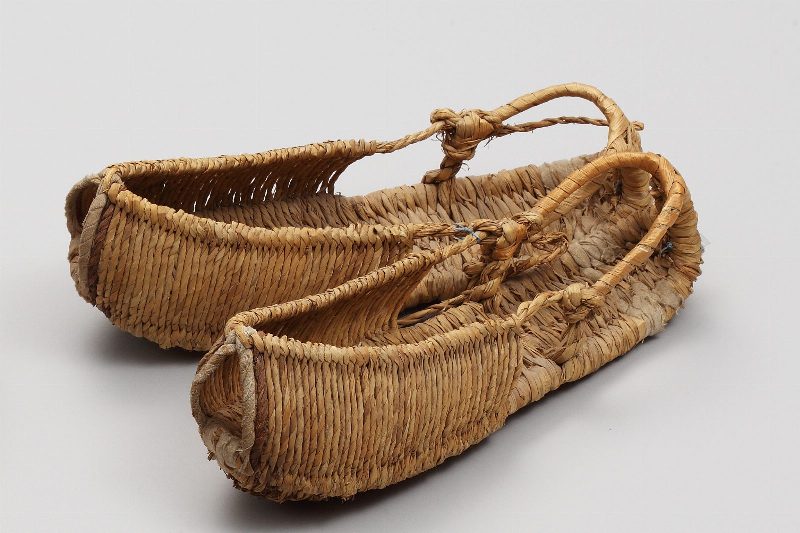
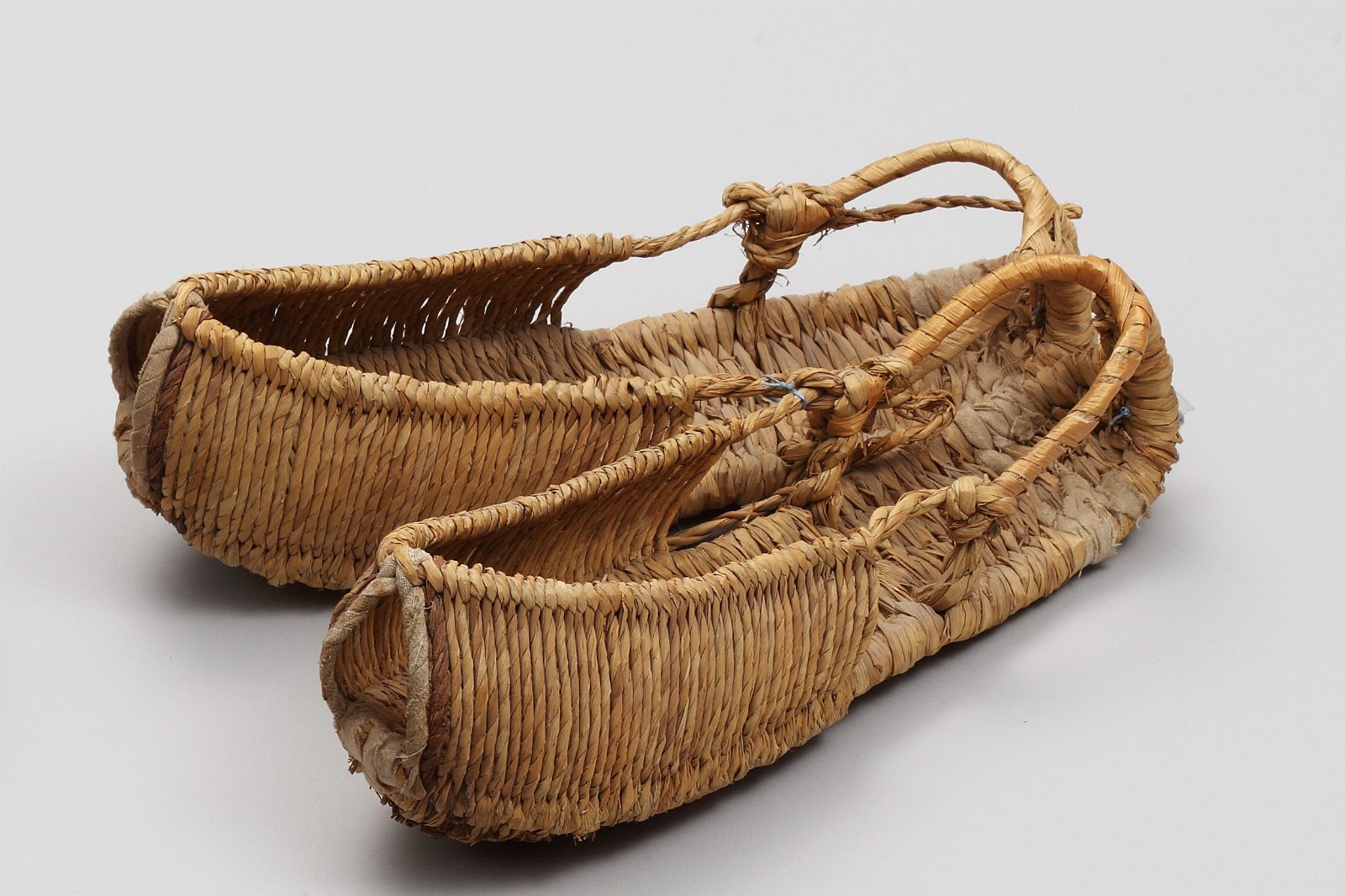
Image source: Wikimedia Commons; license credits as shown.
Overview
The Korea Straw and Plants Handicraft Museum is a private museum located in the Myeongnyun-dong area of Jongno District, Seoul, dedicated to showcasing the history and culture of traditional Korean straw and wild plant weaving crafts and daily necessities. Established in 1992 by Yoon Byeong-soon, a lifelong researcher of straw crafts, the museum houses approximately 3,500 artifacts and handicrafts related to straw. Through physical exhibits and experiential courses, the museum presents how the agricultural society of Korea utilized straw and herbal plants to create tools, clothing, and folk crafts, connecting to modern life.
Getting There
The most convenient way to reach the Korea Straw and Plants Handicraft Museum is to take Seoul Metro Line 4 to Hyehwa Station, exit 4, and walk about 5 minutes (approximately 315 meters) to arrive. The museum is located in the alleys around Sungkyunkwan University, and visitors can find it by walking along Sungkyunkwan Road and following the signposts from the exit.
Highlights
The main feature of the Korea Straw and Plants Handicraft Museum is its focus on traditional Korean 'straw culture' and herbal plant weaving techniques, fully presenting how straw materials are integrated into various aspects of daily life in an agricultural society. The collection includes about 3,500 items, such as baskets, sieves, net bags, raincoats, footwear, farming tools, and toys, covering everything from daily utensils to folk crafts. The exhibition emphasizes the diverse uses and eco-friendly characteristics of straw as a raw material, allowing visitors to understand the wisdom of the ancestors in 'making the most of what they have.' The museum also offers weaving experiences and educational courses, enabling both general visitors and professionals to engage hands-on and appreciate the skills and beauty of traditional crafts.
What to See
Main Exhibition Hall: The museum is divided into two main exhibition spaces that systematically display traditional household items and rural life tools, allowing visitors to gradually understand the diverse roles of straw in daily life. Straw Daily Necessities Area: This area showcases items woven from straw and wild grass, such as baskets, rice bags, net bags, shoes, mats, and raincoats, presenting a realistic view of past rural life. Farming Tools and Labor Equipment: Through items like backpacks, harvesting tools, and transport equipment, this section explains how agricultural labor in the past relied on plant fibers to create sturdy and breathable tools. Folk and Belief-Related Works: Some exhibits are related to festivals, blessings, or home decorations, showing that straw is not only a material for living but also carries symbolic and belief meanings. Children and Experience Space: This area is designed for children and families, guiding the younger generation to learn about traditional materials and handicrafts through simple weaving, touch, and interactive exhibits. Special Projects and Thematic Exhibitions: The museum periodically holds thematic exhibitions related to modern design, environmental protection, Hanok living, or regional culture, showcasing the reinterpretation and application of straw crafts in contemporary times.
Hours & Admission
The Korea Straw and Plants Handicraft Museum is generally open from Tuesday to Saturday, 10:00 AM to 5:00 PM, and is closed on Sundays, Mondays, as well as on New Year's Day, Lunar New Year, and Chuseok. According to Seoul tourism information, the admission fee is 5,000 KRW for adults and 4,000 KRW for children. Group or course visits may have additional fees and discounts, so it is recommended to check the latest ticket prices and reservation methods through the official website or by phone before visiting. Some experiential courses require prior reservation and may have a minimum participation limit.
Address
(Postal Code 03075) 45, Sungkyunkwan-ro 4-gil, Jongno-gu, Seoul, South Korea (near Myeongnyun-dong)
Travel Tips
The museum is not large, but the content is substantial, so it is recommended to allocate about 1 to 1.5 hours to carefully view the exhibits and participate in simple experiential activities. The museum primarily provides information in Korean, with some exhibits having English or multilingual explanations. If you have a particular interest in crafts or folk culture, reading relevant background materials in advance can help you better understand the context of the exhibits. The spring and autumn seasons have pleasant weather, making it suitable to combine visits to nearby Sungkyunkwan University, Changdeokgung Palace, or Bukchon Hanok Village to experience Seoul's traditional cultural atmosphere. The museum is located in a quiet residential and academic area, so please be mindful of noise levels when taking photos and respect other visitors and students in class. It is advisable to bring cash or a credit card that can be used overseas for purchasing tickets or experiential courses.
Nearby Dining
The area around the museum is part of the Sungkyunkwan University and Hyehwa Station lifestyle circle, with several Korean home-style restaurants, cafes, and dessert shops within walking distance, perfect for dining or taking a break before or after your visit. The Hyehwa Station area is known for its small theaters and cultural districts, with many unique cafes and light meal shops in the alleys, making it suitable for enjoying coffee and desserts after visiting the museum. There are also traditional Korean food and modern restaurants in the direction of Changdeokgung Palace and Namsangol Hanok Village, which can be arranged to enrich a cultural day itinerary.
FAQ
Q: What does the Korea Straw and Plants Handicraft Museum mainly showcase? A: The Korea Straw and Plants Handicraft Museum mainly showcases various daily necessities, tools, and folk crafts woven from straw and wild plants, presenting the lifestyle of traditional agricultural society in Korea. The museum houses approximately 3,500 artifacts, including baskets, net bags, raincoats, footwear, farming tools, and toys, and explains the production methods and uses of straw through images and physical exhibits. Q: Where is the museum located, and how do I get there? A: The museum is located at 45, Sungkyunkwan-ro 4-gil, Jongno-gu, Seoul, near the famous Korean-Japanese educational institution, Sungkyunkwan University, and the Myeongnyun-dong area. You can take Seoul Metro Line 4 to Hyehwa Station, exit 4, and walk about 5 minutes (approximately 315 meters) to reach it, following the signs towards Sungkyunkwan University from the exit. Q: What are the opening hours and closed days? A: According to Seoul tourism information, the museum is open from Tuesday to Saturday, 10:00 AM to 5:00 PM, and is closed on Sundays, Mondays, as well as on New Year's Day, Lunar New Year, and Chuseok. Since operating hours may change, it is recommended to check the official website or call ahead to confirm if it is open on the day of your visit. Q: How much is the admission fee? Do I need to make a reservation? A: The admission fee is 5,000 KRW for adults and 4,000 KRW for children. Specific groups, students, or experiential courses may have different fee structures. Individual visits generally do not require a reservation, but participation in weaving experiences or group educational activities usually requires prior booking, so it is advisable to check the latest regulations through the official website or by phone. Q: Does the museum offer experiential courses? Is it suitable for family visits? A: The museum offers various straw and plant weaving experiential courses, allowing visitors to create simple crafts by hand. The content is suitable for the general public and some professionals. Since many exhibits relate to daily utensils, toys, and everyday scenes, along with interactive and experiential elements, it is quite suitable for families to visit together, but it is recommended that young children be accompanied by parents and adhere to the museum's touching rules.