Qionglin Civil Defense Museum
Taiwan · Kinmen County · Jinhu Township · Museums, Culture & Arts
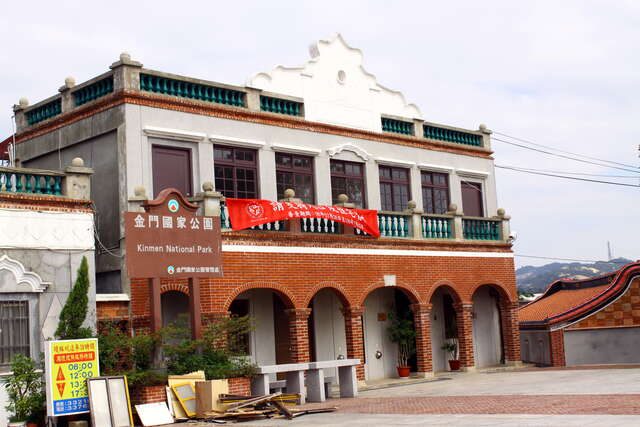
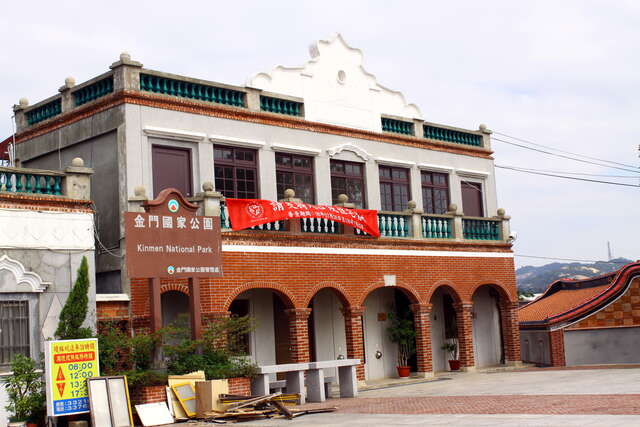
Image source: Taiwan_Opendata; license credits as shown.
Overview
Qionglin Village was one of the villages that assisted the military during the war, and even the village office served as a command center. After the war, descendants built the Qionglin Battle Exhibition Hall to commemorate and help the public understand the historical legacy left by the war.
Highlights
The Qionglin Civil Defense Museum is a themed museum that presents the wartime experiences of Kinmen and the history of the civil defense forces. It focuses on understanding the defensive life of the military and civilians during the wartime governance period and the evolution of civil defense. The museum was formerly known as the 'Qionglin Battle Exhibition Hall' and was transformed from the village office that acted as a command center during the war, serving both as a war memorial and a community education facility. The exhibition introduces the organization, training, missions, and tunnel experiences of the Kinmen civil defense forces through photographs, artifacts, equipment, and explanatory panels, allowing visitors to understand the daily life and pressures of the wartime island from a civilian perspective. The outdoor area combines the Qionglin settlement with underground combat tunnels, forming a three-dimensional route of 'old houses + combat tunnels + civil defense museum', making it an important site for understanding Kinmen's wartime culture and settlement history.
What to See
1. Permanent Exhibition on Civil Defense History: The core exhibition area of the civil defense museum systematically introduces the history, organization, and mission of the Kinmen civil defense forces through illustrated panels and old photographs, serving as an important starting point for understanding the wartime governance of Kinmen. The exhibition themes include the evolution of civil defense, member backgrounds, uniform styles, daily training, and air defense operations, allowing visitors to see how ordinary villagers played a role in 'everyone being a soldier' during wartime. 2. Images of Civil Defense Training and Parades: The museum displays a large number of historical photographs of civil defense training, equipment inspections, and national day parades, recreating scenes of collective drills and inspections from that time, presenting the unique visual memory of wartime Kinmen. Related photographs and charts also explain the roles of the civil defense forces in afforestation, air defense, and rescue missions, illustrating how militarized life extended into all corners of society. 3. Residential Defense and Tunnel Life Display: Some panels specifically introduce the defensive structures of residential buildings and the construction of underground tunnels, explaining the spatial layout of 'the settlement above and the defense system below', which is key information for understanding the background of the Qionglin combat tunnels. The exhibited content includes the military's control measures over residents during the wartime governance period and slogans, reflecting the discipline and psychological state of life during the war. 4. Entrance to Qionglin Combat Tunnels and Guided Tours: Nearby the civil defense museum is one of the entrances to the 'Qionglin Combat Tunnels', making it convenient for visitors to transition from the museum exhibition to the actual experience of walking into the underground defense structures. The tunnel network was excavated in the 1960s for defense against shelling and to preserve combat capability, with some sections currently open for visits, becoming a key part of the itinerary alongside the civil defense museum. 5. Display of Qionglin Settlement Imagery: The museum also presents images of the symbolic landscapes of the Qionglin settlement, connecting the village's ancient houses, ancestral halls, and wartime facilities, allowing visitors to grasp visual clues for walking through the settlement while viewing the exhibition. Through the combination of settlement imagery and civil defense stories, it emphasizes Qionglin's dual identity as a combat village while also preserving deep-rooted traditional Minnan culture.
Travel Tips
The most practical way to visit the Qionglin Civil Defense Museum is to plan it alongside a stroll through the Qionglin settlement and an experience in the combat tunnels, first absorbing background knowledge in the museum before walking into the settlement and tunnels for a more immersive experience. • Best Season and Time: Kinmen's climate features strong sunlight in summer and strong northeast monsoons in winter, making spring and autumn more comfortable for visits. The museum is an indoor exhibition, suitable for visits even in bad weather. It is recommended to avoid the hottest midday hours and schedule the civil defense museum visit during the day for convenient photography in the tunnels and settlement. • Suggested Visiting Route: It is recommended to first enter the civil defense museum to understand the history of the civil defense forces and the concept of the tunnels, then follow the signs or guided tours to the entrance of the Qionglin combat tunnels, and finally wander through the traditional buildings and ancestral halls in the settlement to feel the atmosphere where wartime and settlement life intertwine. • Clothing and Equipment: When entering and exiting the tunnels and walking through the stone-paved alleys of the settlement, it is advisable to wear comfortable shoes that provide good coverage and slip resistance, and to bring drinking water and a light jacket, as the temperature in the tunnels may be cooler and more humid. If planning to stay outdoors for a long time, prepare sunscreen and hats in summer, and windproof warm clothing in winter. • Accessibility and Family Considerations: The civil defense museum itself is an indoor exhibition space, and official information indicates that it is equipped with accessible ramps and restrooms. Those with mobility issues should confirm the onsite routes before deciding whether to enter the tunnels. The tunnels often have stairs and uneven surfaces, so when bringing young children or the elderly, assess physical strength and pay attention to safety throughout the visit. • Photography and Learning Focus: Pay attention to the old slogans, parade photographs, and diagrams of residential defense structures on the exhibition panels, as these details help understand the spirit and daily life of Kinmen as a frontline island. When entering the tunnels, imagine how residents navigated underground based on the information seen in the museum, which is the most educational and immersive part of the visit. • Transportation and Parking: The civil defense museum is located within the Qionglin settlement in Jinhou Township, close to major roads, with parking lots and public restrooms available nearby, making it convenient for self-driving visitors. It is recommended to allow flexible time to explore other traditional buildings and important historical sites within the settlement.
FAQ
Q: What does the Qionglin Civil Defense Museum mainly introduce? A: The Qionglin Civil Defense Museum mainly introduces the history, organization, missions, and wartime life of the Kinmen civil defense forces, serving as an important site for understanding the wartime governance and civil defense system of Kinmen. The exhibition content includes backgrounds related to the Battle of Guningtou and the 823 Artillery Battle, photographs of civil defense drills and training, displays of uniforms and equipment, as well as defensive structures of residential buildings and tunnel experiences, presenting the historical memory of Kinmen's frontline from the perspective of joint military-civilian defense. Q: Where can I go after visiting the Qionglin Civil Defense Museum? A: The most common route after visiting the Qionglin Civil Defense Museum is to arrange a visit to the Qionglin Combat Tunnels and a stroll through the ancient houses of the Qionglin settlement. Visitors usually first learn about the history of the civil defense forces and the tunnels in the museum, then enter the largest civil defense combat tunnels in Kinmen from a nearby entrance, and finally visit traditional buildings, ancestral halls, and historical sites within the settlement, fully experiencing the multi-layered landscape of the wartime village from above ground to underground. Q: Is the Qionglin Civil Defense Museum suitable for families or travelers unfamiliar with history? A: The Qionglin Civil Defense Museum presents civil defense stories through illustrated explanations and a large number of photographs, making it relatively easy for families and travelers without military backgrounds to understand and absorb. The exhibition focuses on 'how the village protected itself during wartime' and 'the role of civil defense in residents' daily lives', leaning more towards the aspects of life rather than tactical details. Combined with actual visits to the tunnels and settlement, it can serve as an introductory classroom for understanding modern warfare and the value of peace. Q: Do I need to make a reservation or have a guided tour to visit the Qionglin Civil Defense Museum? A: General visitors can directly visit the Qionglin Civil Defense Museum for free. If deeper understanding is desired, they can inquire with local units or communities in advance for guided services or participate in packaged tours. With professional explanations or local guides, visitors can better grasp the connections between Qionglin's combat village, civil defense system, and tunnel network, significantly enhancing their understanding of Kinmen's wartime history and settlement culture.