Sumida Aquarium
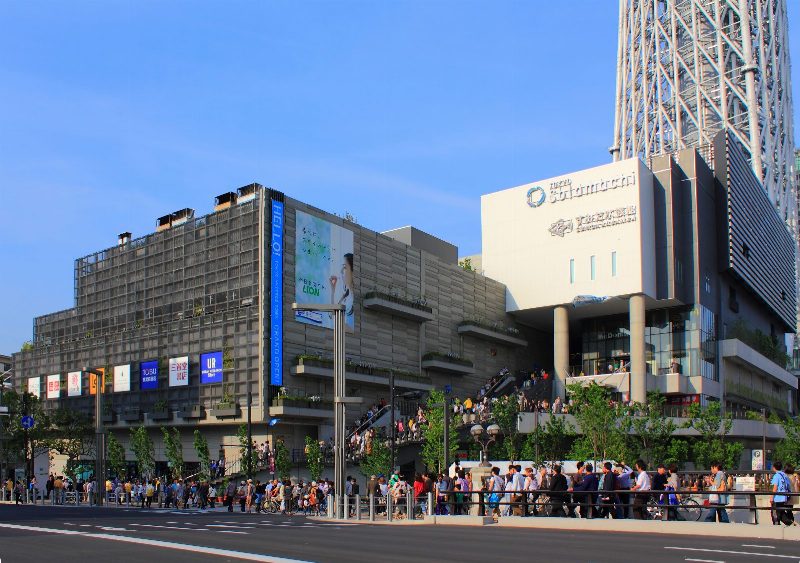
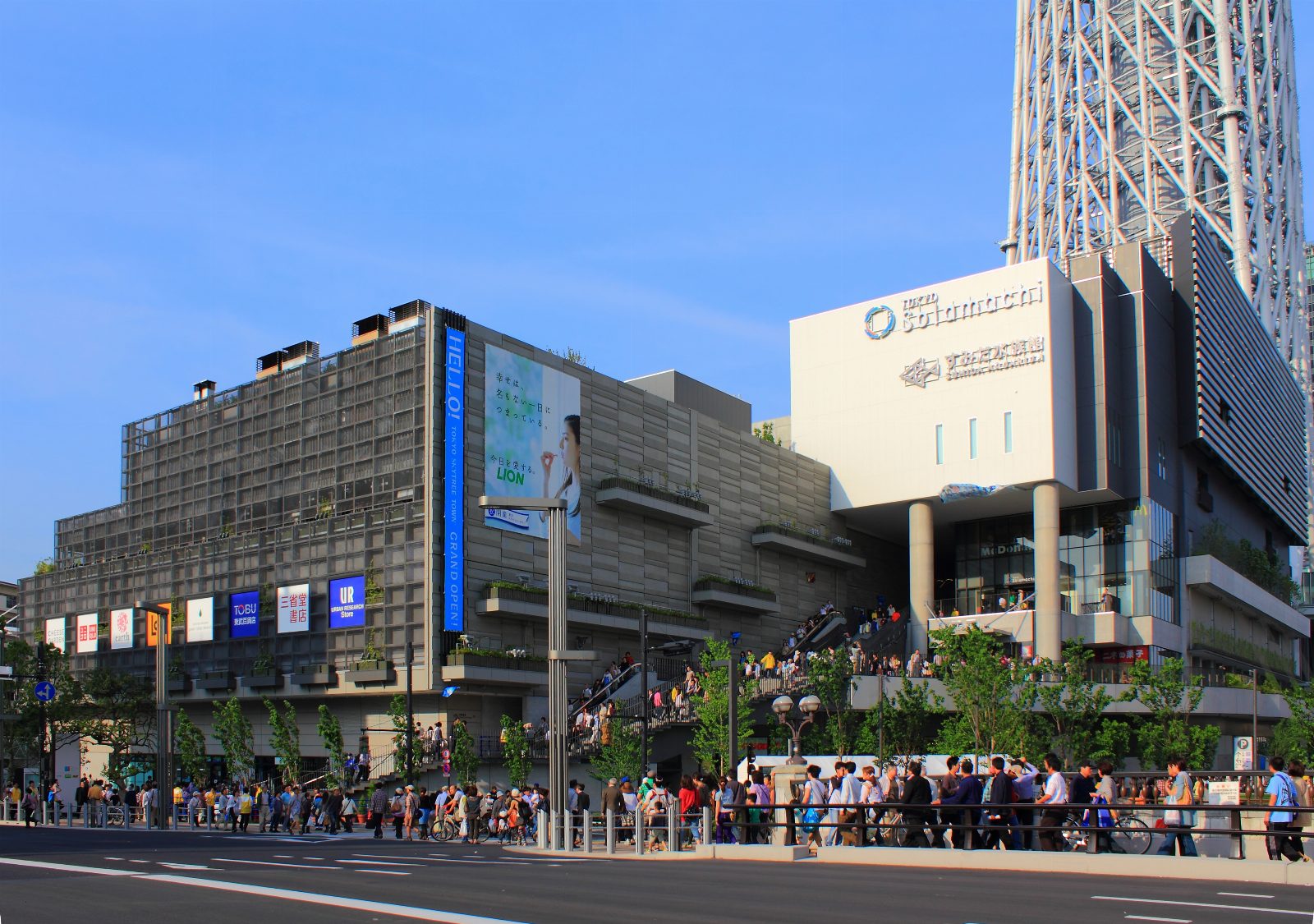
Image source: Wikimedia Commons; license credits as shown.
Overview
Sumida Aquarium is an indoor urban aquarium located on the 5th and 6th floors of Tokyo Skytree Town (Tokyo Solamachi) in the Sumida Ward of Tokyo. The aquarium embodies the concept of 'the closer you get, the more you love' by allowing visitors to observe penguins, sea lions, and colorful tropical fish up close, creating a viewing space that combines daily life with urban leisure. The aquarium features a large tank themed around the waters of the Ogasawara Islands and Japan's largest indoor open-air penguin tank, making it an ideal stop when visiting the Tokyo Skytree area.
Getting There
To reach Sumida Aquarium, take the Tobu Skytree Line to 'Tokyo Skytree Station,' and you will arrive directly at the 5th and 6th floors of Tokyo Skytree Town. Alternatively, you can take the Tokyo Metro Hanzomon Line, Keisei Oshiage Line, or Toei Asakusa Line to 'Oshiage (Skytree Front) Station,' and walk about 5 minutes through the connecting passage to the aquarium entrance.
Highlights
The highlight of Sumida Aquarium lies in its concept of 'making the aquarium a part of urban life,' allowing visitors to freely wander between two floors without a fixed route, slowly enjoying each exhibition area. The large tank themed around the waters of the Ogasawara Islands showcases the marine ecology of Tokyo Bay, and features Japan's largest indoor open-air penguin and sea lion tanks, allowing visitors to observe the animals from multiple angles. The lighting and flow design within the aquarium create an immersive and tranquil atmosphere, combined with limited-time special exhibitions, nighttime illuminations, and events featuring alcoholic beverages, making it a popular choice for couples and families. Its geographical advantage within Tokyo Skytree Town also allows for a well-planned day itinerary that includes the Skytree observation deck and shopping and dining facilities.
What to See
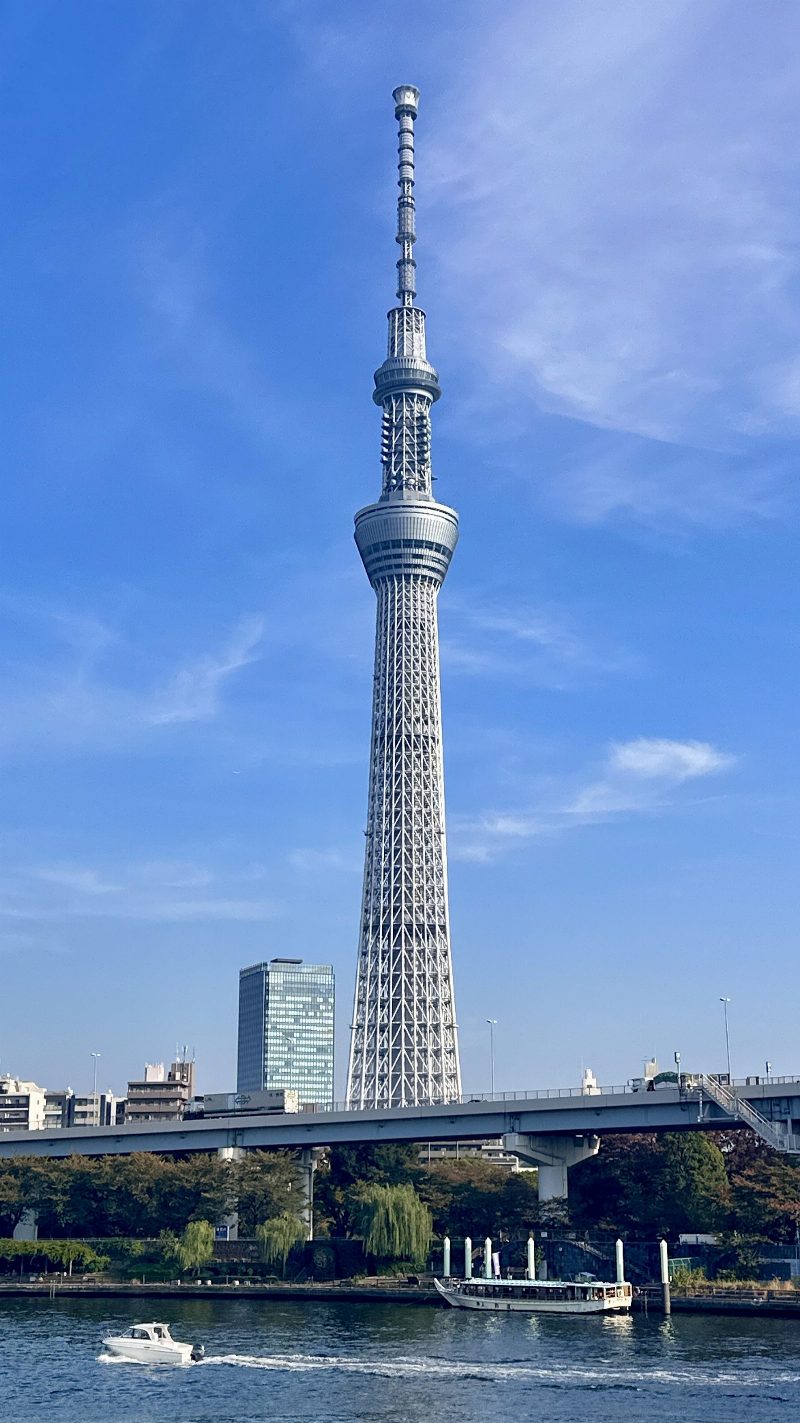
Ogasawara Large Tank: This large tank, themed around the marine environment of the World Natural Heritage Ogasawara Islands, is home to vibrant tropical fish, recreating the beautiful blue ocean scenery and is one of the most photographed spots in the aquarium. Open-Air Penguin and Sea Lion Tank: Located in the center of the aquarium, this massive indoor open tank is the largest in Japan, allowing visitors to admire the penguins swimming and the sea lions gliding from above, the side, and below, making it perfect for extended observation. Tokyo Urban Water Features and Aquatic Plant Tanks: These tanks showcase the rivers and waterside environments of the Tokyo area, combining aquatic plant landscaping with local freshwater fish species, presenting an image of coexistence between urban and natural environments, which is popular among aquatic plant enthusiasts and photography lovers. Limited-Time Themed Exhibitions and Nighttime Light Shows: The aquarium regularly hosts themed exhibitions, art installations, and light projections that correspond with seasons or festivals, accompanied by music and light changes, creating a fresh experience for visitors at any time. Tokyo Skytree Observation Deck Views: From certain areas within the aquarium and surrounding sky bridges, visitors can enjoy distant views of the Skytree tower and the cityscape of Sumida, often combining visits to the Skytree for height, shopping, dining, and the aquarium into a full-day itinerary.
Hours & Admission
The current general admission prices for Sumida Aquarium are: Adults 2,700 yen, High School Students 2,000 yen, Junior High and Elementary School Students 1,400 yen, and Toddlers (3 years and older) 900 yen. There are also discounted annual pass options (Adults 6,000 yen, etc.). Holders of disability certificates and one accompanying person can enjoy a 50% discount on general admission prices, with detailed discount conditions subject to official announcements. The usual opening hours are 10:00 AM to 8:00 PM on weekdays, and 9:00 AM to 9:00 PM on weekends and public holidays, with the last admission one hour before closing. The aquarium is open year-round, with temporary changes only during maintenance or private events. It is recommended to check the official website before visiting to confirm the latest operating hours and any early closures or special events.
Address
〒131-0045 1-1-2 Oshiage, Sumida Ward, Tokyo, Japan, Tokyo Skytree Town, 5th and 6th Floors, Sumida Aquarium
Travel Tips
Visiting Sumida Aquarium can be combined with the Tokyo Skytree observation deck, shopping, and dining at Tokyo Solamachi, making it a great option for a half-day to full-day itinerary. It is recommended to allocate at least 2–3 hours to explore the aquarium leisurely. Weekends and Japanese holiday periods tend to be crowded, so if you wish to enjoy a relaxed experience and take photos, it is advisable to visit on weekdays or during off-peak times shortly after opening or before closing. The aquarium is fully air-conditioned, making it comfortable to visit regardless of the heat in summer or the cold in winter, and it is very friendly for families with children and seniors. Photography is allowed in certain areas of the aquarium, but to protect the animals and the experience of other visitors, it is necessary to comply with regulations prohibiting the use of flash, tripods, or selfie sticks, with detailed rules subject to on-site announcements. Nearby dining and shopping options are concentrated in Tokyo Solamachi, allowing for meal and shopping arrangements before or after your visit. If you purchase an annual pass, you can visit multiple times for short periods, treating the aquarium as a casual place for daily strolls.
Nearby Dining
There are several dining options within the aquarium and around Tokyo Solamachi, catering to needs ranging from light snacks and coffee to full meals, making it an excellent dining spot while visiting the Skytree area. The nearby floors of the aquarium feature cafes and dessert shops, with some offering limited-edition drinks and desserts themed around penguins or the ocean, perfect for taking photos; at the same time, various floors of Tokyo Solamachi gather Japanese cuisine, ramen, izakayas, and international dishes, providing convenient choices for different budgets and tastes. It is advisable to arrive early or avoid peak dining times (12:00 PM to 2:00 PM, around 6:00 PM) to prevent affecting your visit flow and itinerary.
FAQ
Q: What are the operating hours of Sumida Aquarium? A: The general operating hours of Sumida Aquarium are 10:00 AM to 8:00 PM on weekdays, and 9:00 AM to 9:00 PM on weekends and public holidays, with the last admission one hour before closing. Actual operating hours may vary slightly due to seasons or private events, so it is recommended to check the official website for the latest announcements before your visit to avoid disappointment due to temporary shortened hours. Q: How much is the admission ticket for Sumida Aquarium? A: The current general admission prices for Sumida Aquarium are Adults 2,700 yen, High School Students 2,000 yen, Junior High and Elementary School Students 1,400 yen, and Toddlers (3 years and older) 900 yen, with annual pass options available (Adults 6,000 yen, etc.). Holders of disability certificates and one accompanying person can enjoy a 50% discount on general admission prices; junior high and high school students must present their student ID when purchasing tickets. Ticket prices are subject to adjustments based on official announcements and on-site ticketing information. Q: How do I get to Sumida Aquarium from Oshiage or Tokyo Skytree Station? A: After exiting at 'Tokyo Skytree Station' on the Tobu Skytree Line, you can directly enter Tokyo Skytree Town and follow the signs to the 5th and 6th floors of Tokyo Solamachi to reach the aquarium entrance. If coming from 'Oshiage (Skytree Front) Station' (Tokyo Metro Hanzomon Line, Keisei Oshiage Line, Toei Asakusa Line), it takes about 5 minutes to walk through the underground or ground connecting passage to reach Tokyo Solamachi, and then follow the signs within the aquarium to reach the aquarium floors. Q: How long should I plan to spend at Sumida Aquarium? A: It is generally recommended to allocate about 2–3 hours for visiting Sumida Aquarium, allowing you to leisurely enjoy each exhibition area, observe the penguins and sea lions, and take photos in the aquarium's light and shadow atmosphere. This time is a reasonable estimate based on the suggestions of most travelers and media itineraries. If you also plan to visit the Tokyo Skytree observation deck, shop, and dine at Tokyo Solamachi, it is advisable to allocate half a day to a full day for activities in the entire Skytree Town area. Q: Is Sumida Aquarium suitable for children or strollers? A: Sumida Aquarium is an indoor, multi-level space without fixed pathways, designed to be relatively friendly for families with children and strollers, making it a suitable indoor attraction for family outings. This judgment is based on its location within a commercial facility, with good elevator access and spacious walkways; for details regarding stroller rentals, nursing rooms, and diaper changing facilities, it is recommended to check the official website or call for the latest information.