Tibet Museum (Seoul)
South Korea · Seoul · Jongno District · Museums, Culture & Arts
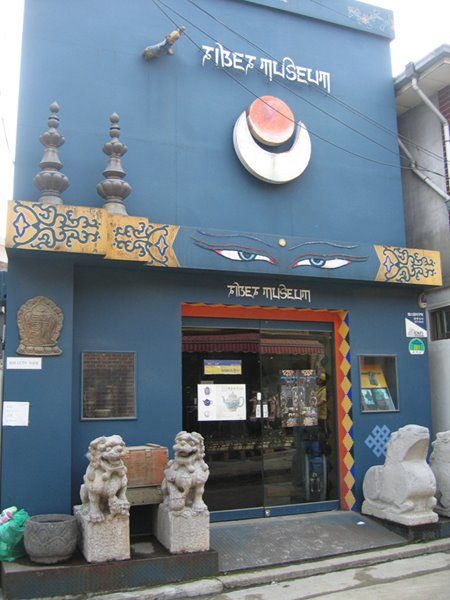
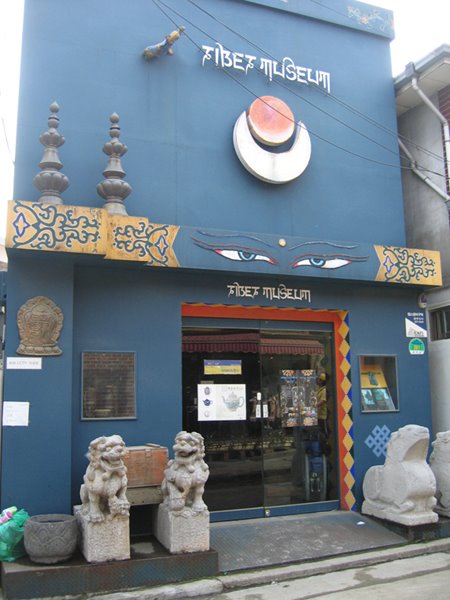
Image source: Wikimedia Commons; license credits as shown.
Overview
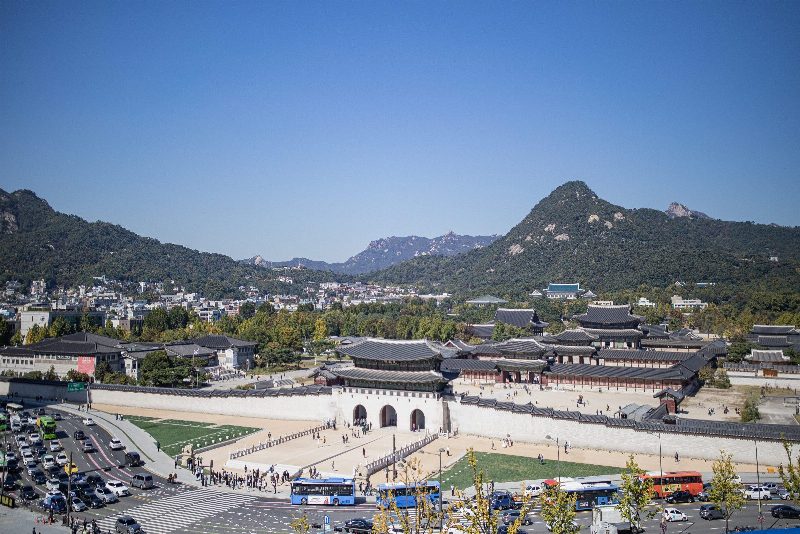
The Tibet Museum (Seoul) is a small specialized museum focused on Tibetan culture and Buddhist art, located in the traditional neighborhood of Sogyeok-dong in Jongno District, Seoul, South Korea. The museum houses approximately 600 artifacts and artworks related to Tibet, allowing visitors to gain an intimate understanding of Tibetan religion, history, and daily cultural life right in the heart of Seoul. It is conveniently situated near popular attractions such as Bukchon Hanok Village, Gyeongbokgung Palace, and Insadong, making it an ideal stop for a walking day tour.
Getting There
The easiest way to reach the Tibet Museum is to take Seoul Metro Line 3 to Anguk Station, then walk about 7 minutes from Exit 1 or 2 to the museum area in Sogyeok-dong. It is also only about a 10-15 minute walk from Gyeongbokgung Palace or Bukchon Hanok Village, allowing for a pleasant visit to nearby attractions.
Highlights
The Tibet Museum (Seoul) is a unique museum that focuses on presenting Tibetan culture and religious art, allowing visitors to experience a different cultural atmosphere in Seoul. The collection includes around 600 Tibetan artifacts, including thangkas, Buddha statues, ritual implements, daily utensils, and clothing, showcasing the diverse aspects of Tibetan society from religious rituals to everyday life. The exhibition highlights Tibetan Buddhist symbols, imagery, and rituals, accompanied by textual explanations and some English signage, making it suitable for travelers interested in Buddhist art or Himalayan culture. Due to its small size and straightforward layout, it also serves as a great brief stop between Bukchon Hanok Village and Insadong, enriching the cultural depth of a walking itinerary.
What to See
The main exhibition areas are concentrated in several display rooms, organized by themes related to Tibetan Buddhism and daily life artifacts. • Buddha Statues and Religious Sculptures: Showcasing numerous statues of Tibetan Buddhism, bodhisattvas, and protective deities, made from materials such as bronze and wood, allowing observation of their forms and symbolic hand gestures. • Thangkas and Religious Paintings: The museum houses many thangka works depicting Buddhas, bodhisattvas, mandalas, and religious stories, serving as important visual materials for understanding Tibetan Buddhist cosmology. • Ritual Implements and Ritual Items: Such as conch shells, bells, vajras, prayer wheels, and butter lamps, used to assist in prayers, meditation, and rituals, with brief functional descriptions provided in the exhibition area. • Clothing and Daily Utensils: Some display cases introduce traditional Tibetan clothing, jewelry, and food-related utensils, supplementing the cultural background of the plateau people from a daily life perspective. • Text and Image Explanation Area: Presenting the geography, history, and religious development of Tibet in Chinese, Korean, and some English explanations, allowing first-time visitors to Tibetan culture to quickly get acquainted.
Hours & Admission
The Tibet Museum was established in December 2001 and is classified as a small private museum. Public information only clearly states the establishment date and that the collection comprises about 600 items. There is no official website providing the latest opening hours and ticket prices, and some travel reviews indicate that the museum is small and receives fewer visitors. As many small specialized museums in South Korea have irregular closures or adjusted operating hours, it is recommended to confirm whether it is open on the day of your visit through local tourist information centers, visitor service centers, or accommodation front desks. Regarding ticket prices, similar small museums typically charge a low admission fee or operate on a donation basis, but the actual amount may vary depending on the latest operational status, so please refer to on-site announcements.
Address
Located in Sogyeok-dong, Jongno District, Seoul, South Korea, near Anguk Station and Bukchon Hanok Village. As most foreign language materials only provide area and coordinate information, it is recommended to search for '티베트박물관' upon arriving in Sogyeok-dong to confirm the latest specific location using actual road signs and map services.
Travel Tips
Visiting the Tibet Museum is best combined with nearby attractions such as Bukchon Hanok Village, Gyeongbokgung Palace, Changdeokgung Palace, and Insadong, creating a walking cultural route that allows you to experience the multiple aspects of hanok, palaces, and Tibetan culture in the same area. Given the museum's small size, it is advisable to allocate about 30-60 minutes for the visit, leaving more time for strolling and taking photos in the surrounding neighborhoods. Reviews indicate that the number of exhibits is limited and the guided explanations are somewhat brief, making it more suitable for travelers who are already interested in Tibetan culture or Buddhist art. If you only want to 'see a big museum,' prioritize visiting larger venues such as the National Museum of Korea or the National Museum of Modern and Contemporary Art. The museum environment is usually quiet, making it a relatively peaceful stop between palace and city street itineraries, and visiting in summer can also provide a moment of respite from the heat. There are plenty of dining options nearby, and you can relax and dine at tea houses in Insadong or cafes around Ikseon-dong and Anguk Station before or after your visit. In winter, Seoul can be quite cold, so it is advisable to wear warm clothing, but the museum usually has heating indoors. Be mindful of the rules prohibiting flash photography and close-up shots for some exhibits when taking photos.
Nearby Dining
The area surrounding the Tibet Museum is located near Anguk Station, Bukchon, and Insadong in Jongno District, gathering a large number of traditional Korean restaurants and unique cafes, making it an ideal area for combining dining and walking. • Traditional Tea Houses in Insadong: About a 10-15 minute walk from the museum, there are several traditional Korean tea houses in the alleys where you can enjoy yuzu tea, omija tea, and Korean snacks, perfect for a break after your visit. • Cafes in Bukchon and Ikseon-dong: The Bukchon Hanok Village and Ikseon-dong area are filled with renovated hanok cafes and dessert shops, easily accessible by walking from the museum, with a trendy atmosphere and great photo opportunities, popular among young travelers. • Korean Restaurants and Markets in Jongno District: Nearby Jongno and Gwangjang Market offer a variety of Korean dishes and street food, including bibimbap, grilled meat, spicy stir-fried rice cakes, and mung bean pancakes, suitable for lunch or dinner before walking or taking the subway back to your accommodation.
FAQ
Q: What does the Tibet Museum (Seoul) mainly showcase? A: The Tibet Museum (Seoul) mainly showcases artifacts and artworks related to Tibetan culture and Tibetan Buddhism, including Buddha statues, thangkas, ritual implements, and daily utensils. Through its collection of about 600 items, the museum aims to help visitors understand Tibetan religious beliefs, historical background, and lifestyle, making it a rare small specialized museum to learn about Himalayan culture in Seoul. Q: How can I get to the Tibet Museum using public transportation? A: To reach the Tibet Museum, take Metro Line 3 to Anguk Station, then walk about 7 minutes to the museum area in Sogyeok-dong. It is recommended to search for the Korean name '티베트박물관' on your mobile map and use Bukchon Hanok Village and Gyeongbokgung Palace as reference points for easy navigation on-site. Q: How long does it take to visit the Tibet Museum? A: A visit to the Tibet Museum typically takes about 30-60 minutes to complete the main exhibition areas. Due to the small size of the collection, it is advisable to arrange it as a brief cultural stop in a walking route that includes Bukchon Hanok Village, Gyeongbokgung Palace, or Insadong, rather than as the sole focus of a day trip. Q: Is the Tibet Museum suitable for first-time visitors to Tibetan culture? A: The Tibet Museum is suitable as an introductory point for first-time visitors to Tibetan culture, but overall it is relatively simple, and the explanations are not very in-depth. If you are already interested in Tibetan Buddhism or Himalayan art, you will find more enjoyment in the exhibits such as Buddha statues and thangkas; if you are just a general tourist, you may feel that the scale is small and the interactivity is weak. Q: What other must-visit attractions are near the Tibet Museum? A: The Tibet Museum is located in Sogyeok-dong, Jongno District, within walking distance of Bukchon Hanok Village, Gyeongbokgung Palace, Changdeokgung Palace, and Insadong, which are representative attractions of Seoul. You can start your morning visiting the palaces and hanok neighborhoods, have lunch and shop in Insadong, and then arrange a short visit to the Tibet Museum in the afternoon, creating a rich route that combines Korean tradition and Tibetan culture. Q: Does the Tibet Museum have an official website or the latest ticket price information? A: Currently, there is no clear official website for the Tibet Museum, and public information only mentions its location in Sogyeok-dong and that it opened in 2001, with a collection of about 600 items. Due to the lack of official real-time information, it is recommended to confirm whether it is open on the day of your visit and the on-site ticket prices through the Seoul Tourism Organization, accommodation front desk, or tourist information center, and to keep flexibility in your itinerary to avoid disappointment.