Wanshi Point
Taiwan · Kinmen County · Jinhu Township · Nature & Scenery
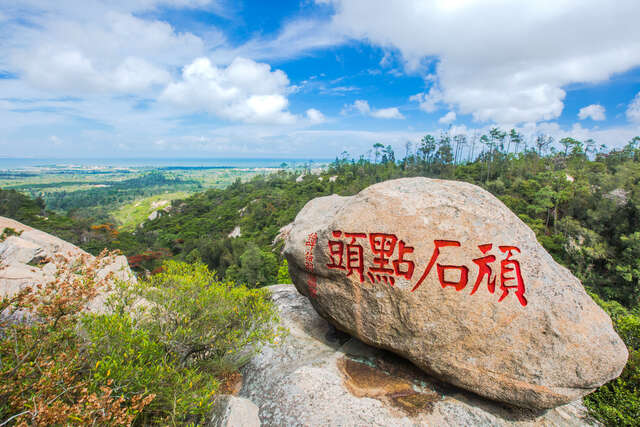
Image source: Taiwan_Opendata; license credits as shown.
Overview
Taiwu Pond is located 700 meters from Haiyin Temple and serves as an artificial reservoir surrounded by steep cliffs and forests, offering beautiful scenery. Not far from the pond, you can see the Wanshi Point and other stone inscriptions, where the eastern view is very open, making it an excellent spot for watching the sunrise, hence the name 'Taiwu Sunrise'.
Highlights
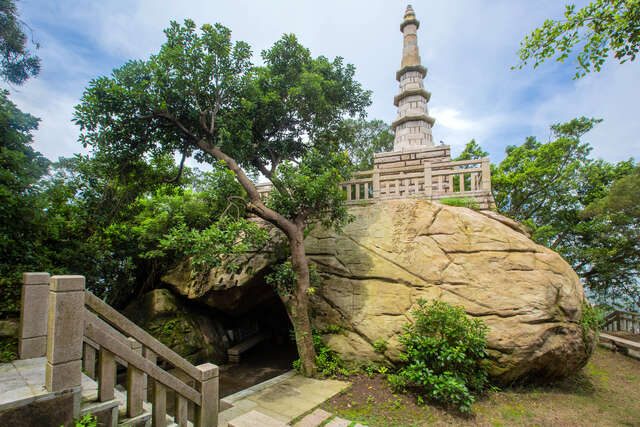
Wanshi Point is an outdoor attraction that combines mountain and water landscapes with ancient inscriptions, situated near Taiwu Pond with an expansive view, particularly famous for sunrise viewing. Surrounded by steep cliffs and forests, the artificial reservoir reflects the mountain scenery, complemented by the inscriptions on the giant rocks, creating a culturally rich atmosphere along the mountain trails. The eastern view is excellent, making it the famous 'Taiwu Sunrise' location in Kinmen, suitable for travelers who enjoy morning hikes, photography, and the culture of stone inscriptions.
What to See
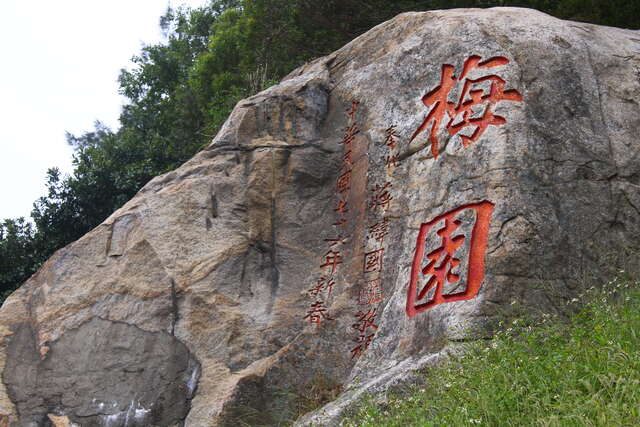
1. Taiwu Pond Taiwu Pond is an artificial reservoir located about 700 meters from Haiyin Temple, surrounded by cliffs and forests. The lake reflects the mountains and forests, creating a serene landscape, often serving as a resting point along the Taiwu Mountain trail. Walking around the pond, you can appreciate the contrast between the reservoir and the cliffs from different angles, experiencing the interplay of human engineering and natural landforms. 2. Wanshi Point 'Wanshi Point' is one of the most representative inscriptions here, carved on a natural granite boulder, with powerful characters that have become a focal point for tourists to take photos. Standing in front of the inscription, you can observe the rock's texture and the style of the characters, appreciating the elegance of scholars from various dynasties who left their names in the mountains and forests, making the once silent rock seem to nod in response to visiting travelers. 3. Inscriptions like 'Qijie Ru Shi' Near Wanshi Point, you can find multiple inscriptions, including 'Qijie Ru Shi', distributed on the surrounding cliffs and boulders, often related to integrity, character, or scenery. Travelers can take their time along the trails to discover these literary works, as if embarking on a small journey to find words in the mountains and forests, slowly feeling the rich cultural heritage of the Taiwu Mountain area. 4. Eastern Viewing Point The eastern view around the stone inscriptions is very open, with no obvious obstructions, allowing for distant views of the eastern Kinmen scenery and the sea, making it a great spot for appreciating the morning glow and cloud sea changes. In the early morning, as the sky brightens, the deep blue gradually turns golden, contrasting with the rocks and inscriptions ahead, making it an excellent location for landscape photography enthusiasts. 5. 'Taiwu Sunrise' View Due to the eastern orientation and suitable terrain, this place is known as 'Taiwu Sunrise', becoming one of the representative spots for watching the sunrise in Kinmen. On clear days, you can see the sun rising from near the sea level, with sunlight breaking through the clouds and illuminating Taiwu Pond and the cliffs, creating a magnificent and layered view, making it a worthwhile experience to wake up early for a visit.
Travel Tips
The most comfortable seasons to visit Wanshi Point are usually autumn, winter, and early spring, when temperatures are cooler and the air is clear, suitable for hiking and sightseeing. In summer, the sun is stronger, so it's recommended to visit in the early morning or evening to avoid high temperatures while enjoying better scenery. Since the attraction is located along the Taiwu Mountain trail, walking is required; it is advisable to wear comfortable hiking shoes or sports shoes and bring adequate water and lightweight rain gear. When heading out early to watch the sunrise, the mountain area may be cooler and the path slightly dark, so bringing a light jacket and a headlamp or flashlight will be safer. Weather in the mountains can change rapidly, so check the day's weather and visibility before setting out to increase the chances of seeing a beautiful sunrise. Many inscriptions are located near rocks and slopes, so when taking photos or viewing them up close, be sure to watch your steps and safety, avoiding climbing or stepping on the inscriptions to preserve cultural heritage and the natural environment.
FAQ
Q: What segment of the Taiwu Mountain hike is suitable for visiting Wanshi Point? A: Wanshi Point is usually arranged as a mid to later stop along the Taiwu Mountain trail, close to the Taiwu Pond area. Since it is about 700 meters from Haiyin Temple, you can connect Haiyin Temple, Taiwu Pond, and the stone inscriptions into one route, enjoying the mountain and water scenery along the way. Q: What are the conditions and recommended time for watching the sunrise at Wanshi Point? A: Wanshi Point, with its open eastern view, is an excellent spot for 'Taiwu Sunrise', and you need to arrive early to wait for the sunrise. It is recommended to check the sunrise time and weather forecast in advance, allowing enough walking time to reach the mountain before sunrise, and bring warm clothing and lighting equipment for safe walking along the trail in the dark. Q: Do I need to have high physical fitness to visit Wanshi Point? A: The walk to Wanshi Point is generally of moderate intensity, and most travelers can reach it by walking or hiking slowly. While no professional climbing skills are required, the trail does have some slopes and steps, so it is advisable for those who exercise less frequently to slow down, take more breaks, and wear non-slip shoes to enhance walking comfort and safety. Q: What etiquette should I observe when taking photos and visiting Wanshi Point? A: When taking photos and visiting Wanshi Point, the most important thing is to avoid stepping on, defacing, or touching the inscription texts, respecting and protecting the inscriptions and natural rocks. It is recommended to stay on existing trails and viewing areas, not crossing barriers or approaching steep slopes to ensure safety, while keeping the environment clean and not leaving trash, allowing future travelers to enjoy these precious mountain inscriptions in a clean environment.