
Tianjin · Landmarks
Curated travel attractions — browse by region or category.
Category
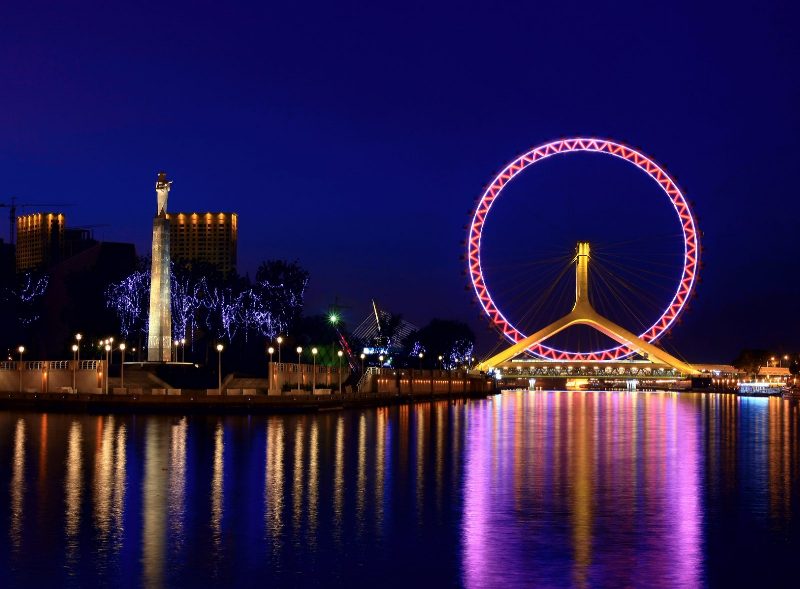
Tianjin Eye
Hongqiao District · Landmarks
The Tianjin Eye is a large observation wheel built on the Yongle Bridge, located at the confluence of the Haihe River in Tianjin. It is one of the city's landmarks, offering views of the Haihe River and the urban landscape. When illuminated at night, it becomes one of the most iconic night views of Tianjin.

Tianjin Drum Tower
Nankai District · Landmarks
The Tianjin Drum Tower is located in the Nankai District of Tianjin's old city, and it is one of the important landmarks of Tianjin. It is often regarded as a representative site for understanding the origins and historical context of the city. The current structure is a three-story building that was rebuilt, surrounded by Drum Tower Commercial Street and several old city attractions, making it suitable for a cultural stroll combined with urban sightseeing.
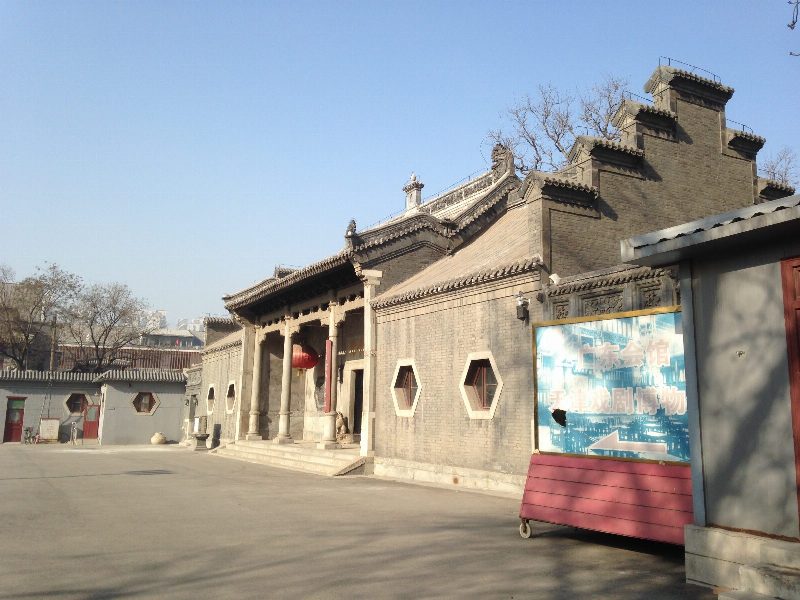
Tianjin Guangdong Guild Hall
Nankai District · Landmarks
The Tianjin Guangdong Guild Hall is located at No. 31, Nanmenli Street, Gulou Street, Nankai District, Tianjin. Established in 1907, it is one of the largest and most well-preserved Qing Dynasty guild hall buildings in Tianjin and is now the Tianjin Drama Museum. This building combines Lingnan architectural style with the northern courtyard layout and was an important venue for gatherings of Guangdong compatriots, business negotiations, and opera performances, also witnessing the history of modern revolutionary activities in Tianjin.
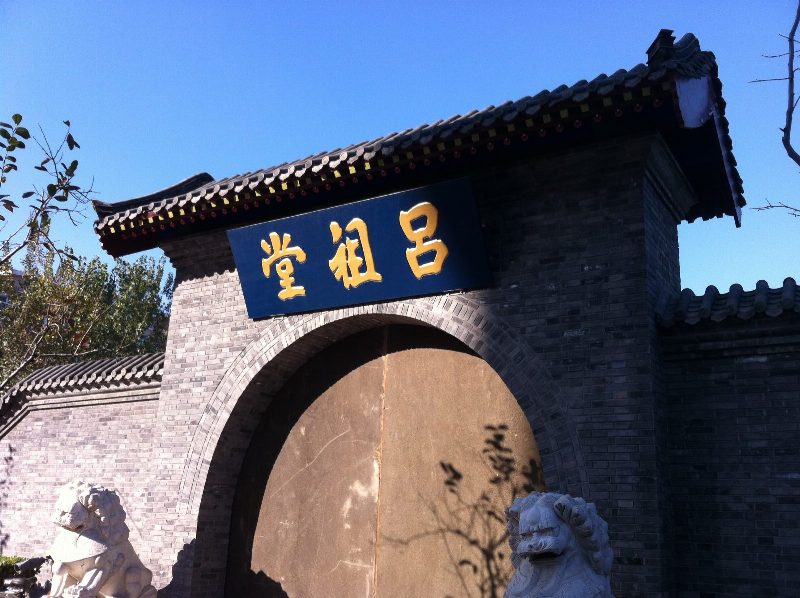
Luzutang Site of the Boxer Rebellion
Hongqiao District · Landmarks
The Luzutang Site of the Boxer Rebellion is located at Hejia Hutong, Ruiyi'an Street, Hongqiao District, Tianjin. It is the only completely preserved site of the Boxer Rebellion's main altar in China and also houses the Tianjin Boxer Memorial Museum. The building was originally constructed in the eighth year of the Xuande era of the Ming Dynasty (1433) as a shrine, later transformed into a Taoist temple dedicated to Lü Dongbin. During the Boxer Uprising in 1900, it became the main altar and important decision-making center for the Boxers in Tianjin. Today, the site is a key national cultural relic protection unit and an important cultural spot for understanding the Boxer Movement and modern anti-imperialist history.