
Explore Kyoto Prefecture
Curated travel attractions — browse by region or category.
Region
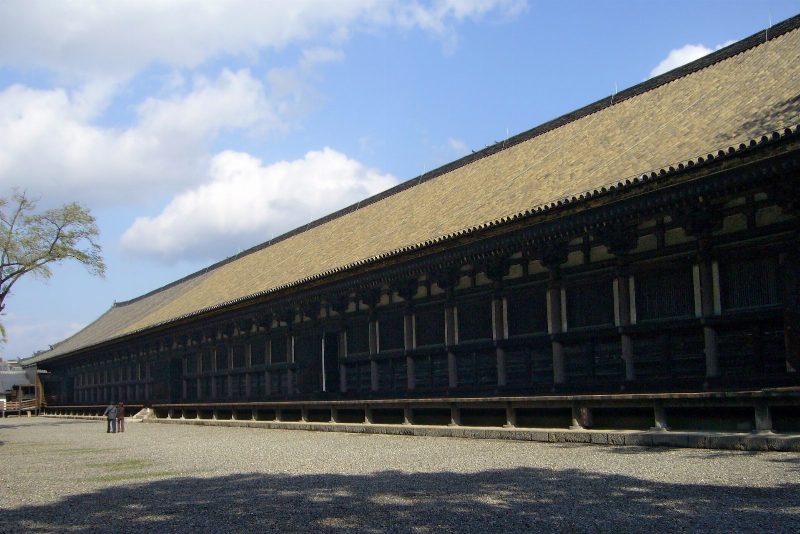
Sanjusangendo
Kyoto · Landmarks
Sanjusangendo is a Tendai sect temple located in the Higashiyama district of Kyoto, famous for its approximately 120-meter-long wooden main hall and the enshrinement of 1,001 statues of Kannon with a thousand arms. It is one of Japan's important national treasures and cultural assets. The temple's official name is 'Hōjō-in Main Hall,' and the current structure was rebuilt in the 13th century, featuring a simple exterior that conceals a stunning array of Buddhist statues and a tranquil atmosphere.
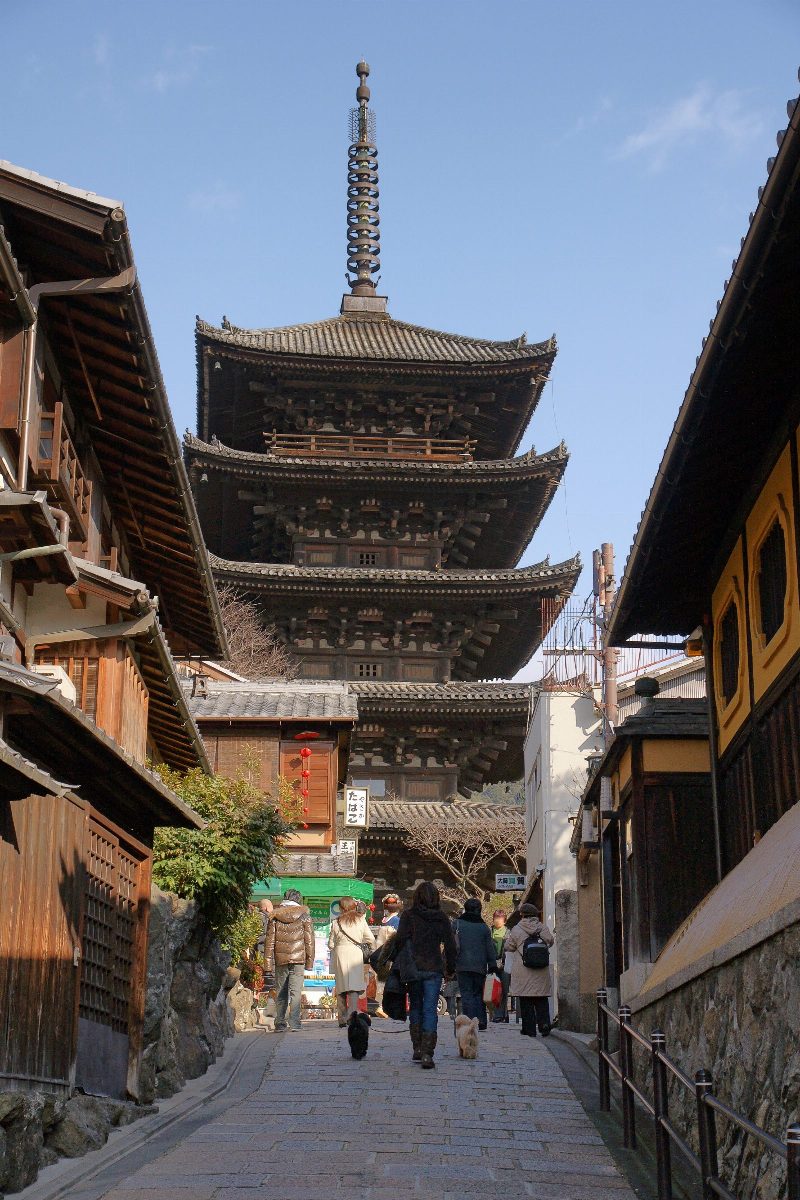
Hokan-ji Temple (Yasaka Pagoda)
Kyoto · Temples & Shrines
Hokan-ji Temple, located in the Higashiyama district of Kyoto, Japan, is a Rinzai sect temple known for its 'Yasaka Pagoda'. The temple is said to have been founded during the Asuka period by Prince Shotoku in the late 6th century. The existing five-story pagoda was rebuilt in 1440 during the Muromachi period and stands approximately 46 meters tall, designated as an Important Cultural Property of Japan. Hokan-ji is situated between Kiyomizu-dera and Yasaka Shrine, making it one of the most iconic landmarks along the Higashiyama walking route, with its appearance creating a classic 'Kyoto scenery' alongside the traditional townhouses. The first and second floors of the pagoda are occasionally open for visitors, allowing close-up views of the Five Wisdom Buddhas and the murals and structure inside the pagoda, making it a must-visit for history and architecture enthusiasts.
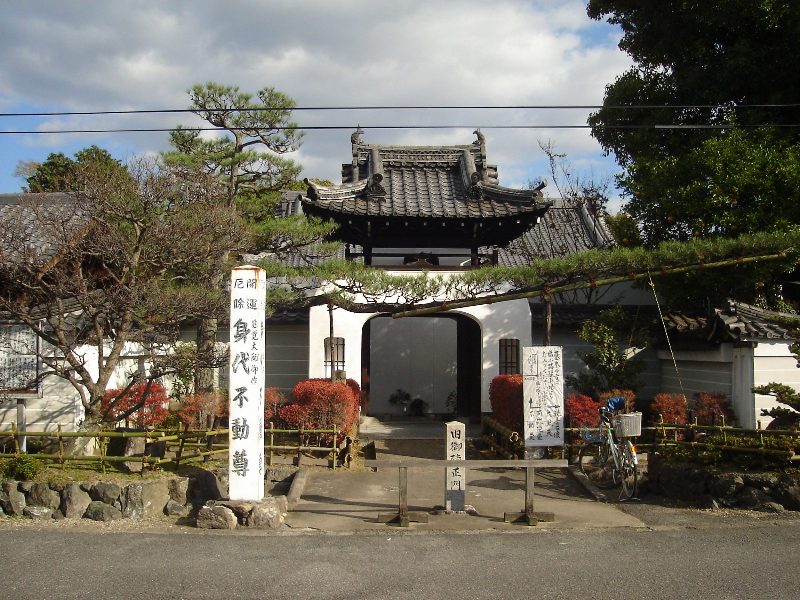
Hojuji Temple
Kyoto · Temples & Shrines
Hojuji Temple is a Tendai sect temple located in Higashiyama Ward, Kyoto City, and is an ancient temple associated with Emperor Go-Shirakawa. The main deity is Fudo Myoo, known as the 'Substitute Fudo', and it is famous for prayers for warding off evil and bringing good fortune. The temple offers experiences such as sutra copying and Dharma talks, providing a serene environment for worship.
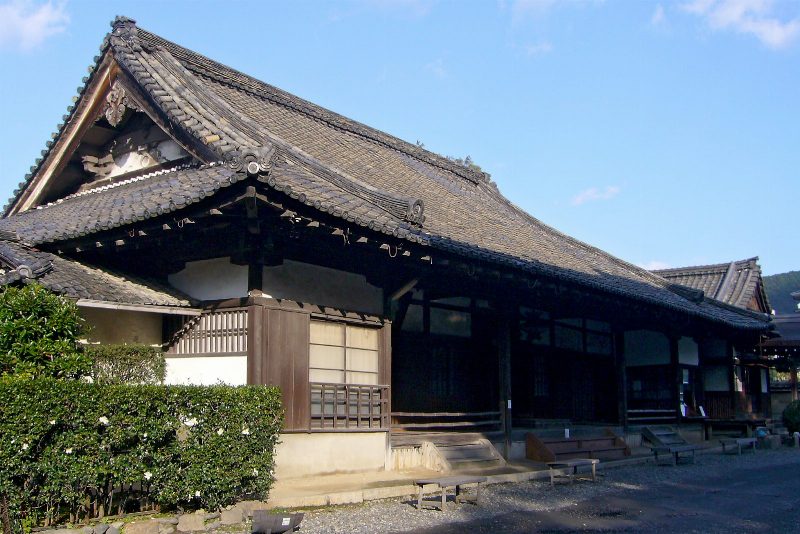
Hoko-ji
Kyoto · Temples & Shrines
Hoko-ji is a Tendai Buddhist temple located in the Higashiyama district of Kyoto, Japan. It is famous for being built by Toyotomi Hideyoshi and is known for the 'Great Buddha of Kyoto' and the 'Hoko-ji Bell Inscription Incident'. Although the massive Great Buddha Hall is no longer present, the temple still retains its stone walls, bell tower, and one of Japan's three great bells, allowing travelers to reflect on the history of the conflict between the Toyotomi and Tokugawa during the late Sengoku period in a tranquil atmosphere. The temple is close to Sanjusangendo and Fushimi Inari Shrine, making it suitable for a small trip that combines historical walking and shrine visits.
Shorinji Temple
Kyoto · Temples & Shrines
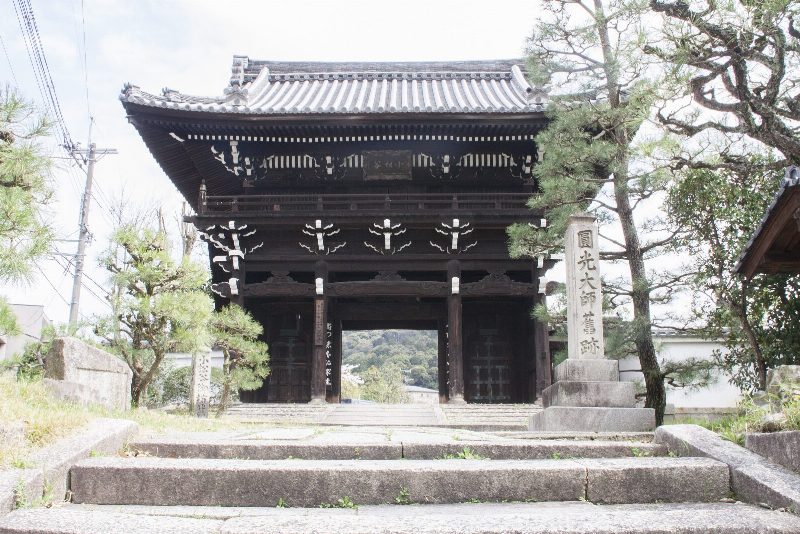
Shorinji Temple is a Buddhist temple located in Sakurai City, Nara Prefecture, with deep historical ties to the Fujiwara clan, dating back to 712 AD. The temple is most famous for its national treasure from the Nara period, the Eleven-Headed Kannon statue, and is renowned for its elegant scenery and views overlooking the Yamato Plain.
Wakamiya Hachiman Shrine
Kyoto · Landmarks
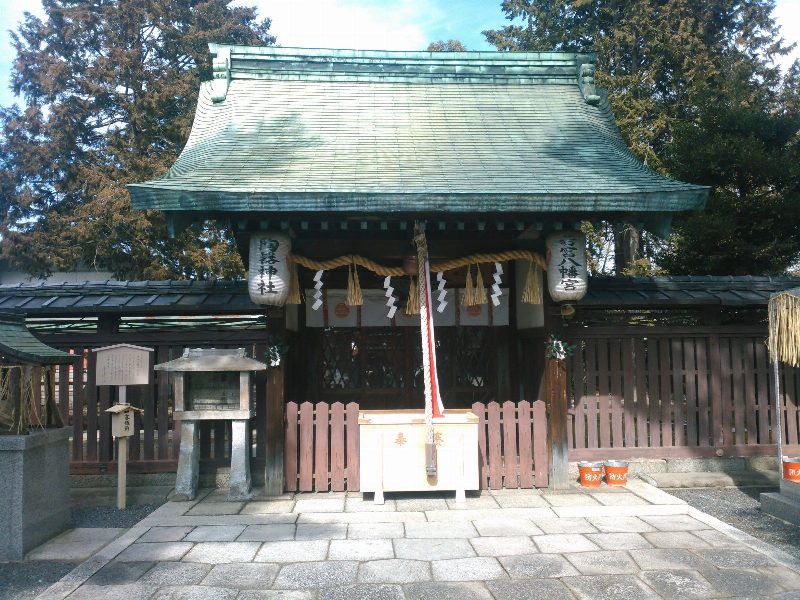
Wakamiya Hachiman Shrine is a historical shrine located in the Sakae area of Nagoya, Japan, and is one of the important guardian shrines of Nagoya. It is said that Tokugawa Ieyasu designated it as the main guardian deity of Nagoya in 1610, and it is now famous for its festive activities and tranquil worship space in the city.
Yasaka Kōshin-dō
Kyoto · Temples & Shrines
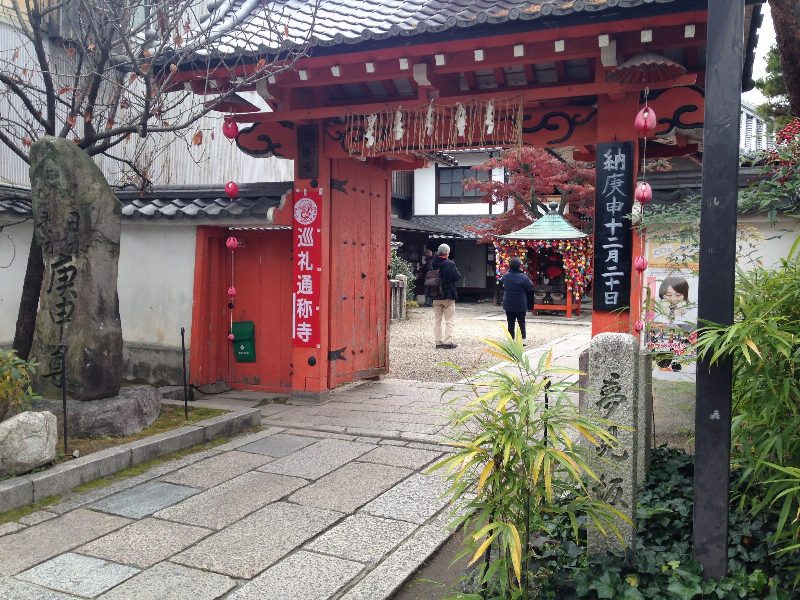
Yasaka Kōshin-dō is a small temple located in the Higashiyama district of Kyoto, famous for its colorful 'kukurizaru'. It is near Kiyomizu-dera and Yasaka Pagoda, part of a common walking route in the Higashiyama area, and is considered one of the important temples of Kōshin faith.

Toyokuni Shrine Karamon
Kyoto · Landmarks
The Toyokuni Shrine Karamon is the magnificent main gate of the Toyokuni Shrine located in the Higashiyama district of Kyoto. It has been designated as a National Treasure of Japan, representing the highest standards of carving and architectural decorative art from the Momoyama period. This gate was originally a castle gate of Fushimi Castle and has been relocated to Nijo Castle and Nanzenji's Kinjitsu-in before finally being moved to its current location during the Meiji period, making it highly representative for the study of Toyotomi Hideyoshi and Momoyama culture.