
Best Landmarks in Kyoto
Japan · Kyoto Prefecture · Kyoto
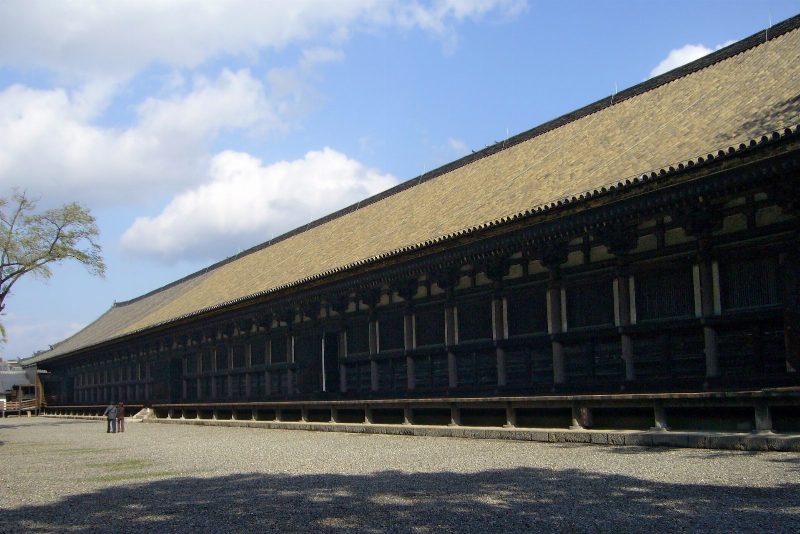
Sanjusangendo
Kyoto · Landmarks
Sanjusangendo is a Tendai sect temple located in the Higashiyama district of Kyoto, famous for its approximately 120-meter-long wooden main hall and the enshrinement of 1,001 statues of Kannon with a thousand arms. It is one of Japan's important national treasures and cultural assets. The temple's official name is 'Hōjō-in Main Hall,' and the current structure was rebuilt in the 13th century, featuring a simple exterior that conceals a stunning array of Buddhist statues and a tranquil atmosphere.

Toyokuni Shrine Karamon
Kyoto · Landmarks
The Toyokuni Shrine Karamon is the magnificent main gate of the Toyokuni Shrine located in the Higashiyama district of Kyoto. It has been designated as a National Treasure of Japan, representing the highest standards of carving and architectural decorative art from the Momoyama period. This gate was originally a castle gate of Fushimi Castle and has been relocated to Nijo Castle and Nanzenji's Kinjitsu-in before finally being moved to its current location during the Meiji period, making it highly representative for the study of Toyotomi Hideyoshi and Momoyama culture.

Shimabara Omon
Kyoto · Landmarks
Shimabara Omon is the symbolic entrance gate of the former Shimabara geisha district located in the Shimogyo Ward of Kyoto City. It was once the main gate of one of Japan's representative pleasure quarters. Today, the surrounding area has become a typical residential neighborhood, with only the gate and a corner willow tree remaining, making it a historical landmark where visitors can experience the atmosphere from the Edo period to the Bakumatsu period and take photographs.
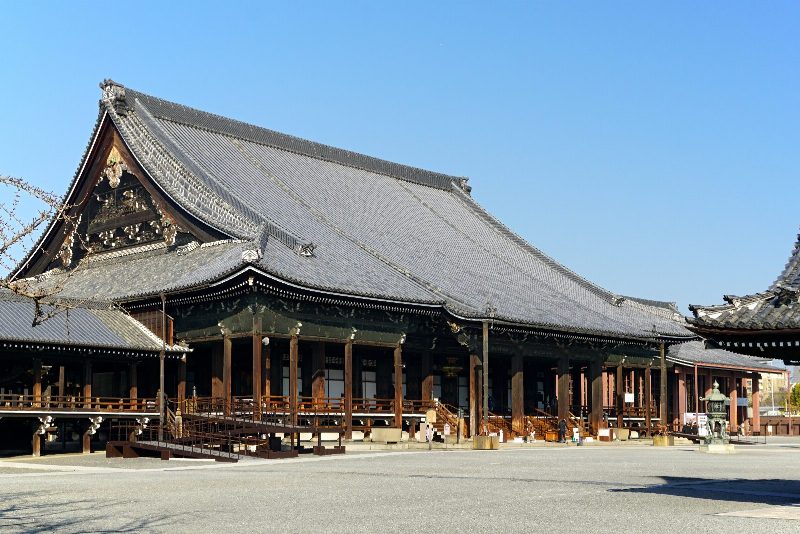
Amida Hall of Nishi Honganji
Kyoto · Landmarks
Amida Hall is the main worship hall of Nishi Honganji, located in the Shimogyo Ward of Kyoto. It is part of the UNESCO World Heritage Site 'Cultural Properties of Ancient Kyoto.' This building, constructed in 1760, enshrines Amida Buddha and is designated as a National Treasure of Japan, making it an important site for understanding Jodo Shinshu and the architectural complex of Nishi Honganji.