
Must-See Attractions in Macau
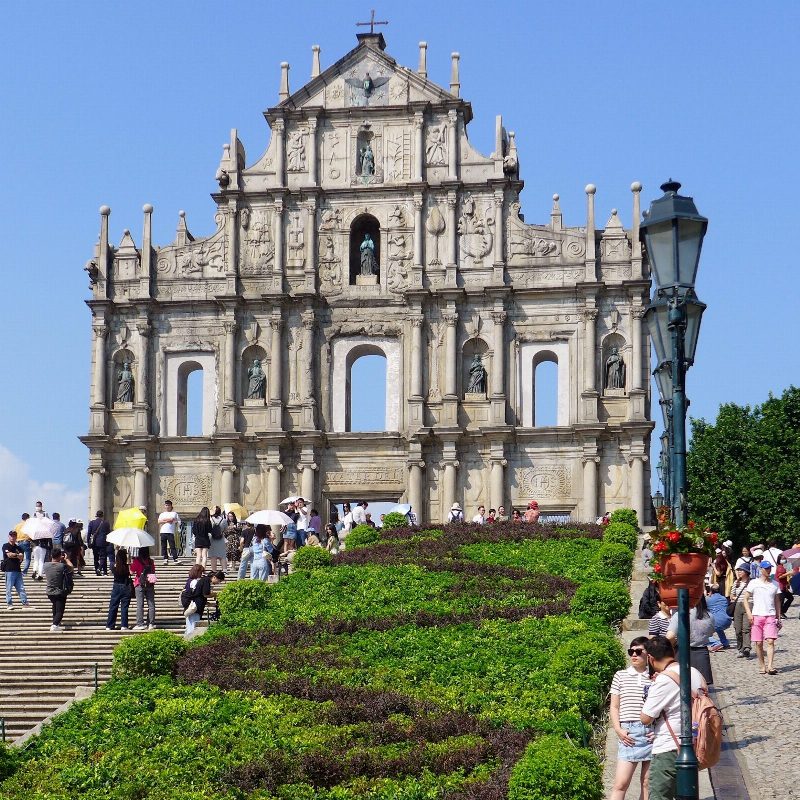
Ruins of St. Paul's
Macau · Landmarks
The Ruins of St. Paul's is one of the most iconic landmarks in Macau and the remains of the facade of the original St. Paul's Church, located in the historical district of the Macau Peninsula. This Baroque-style facade, built of granite, blends Eastern and Western elements and has been listed as a UNESCO World Heritage Site in the Historic Centre of Macau.
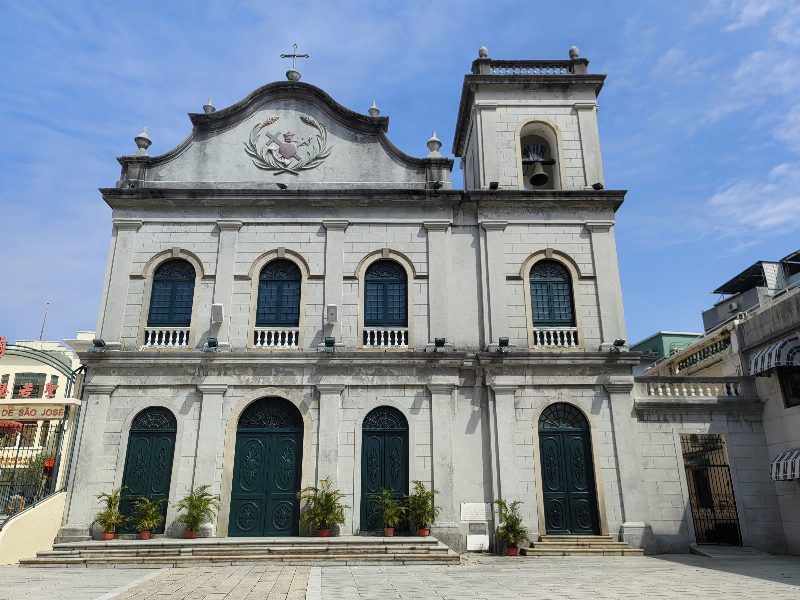
St. Lazarus Church
Macau · Landmarks
St. Lazarus Church is one of the three ancient churches in Macau and one of the earliest Chinese Catholic churches, built in the mid-16th century. The church is located in the central area of the Macau Peninsula, in the St. Lazarus district, featuring a blend of Neoclassical and Baroque elements, with an elegant exterior surrounded by Portuguese-style cobblestone streets and historical buildings. St. Lazarus Church was the first cathedral after the establishment of the Macau Diocese, witnessing over four hundred years of the development of religion and urban history between the East and West.
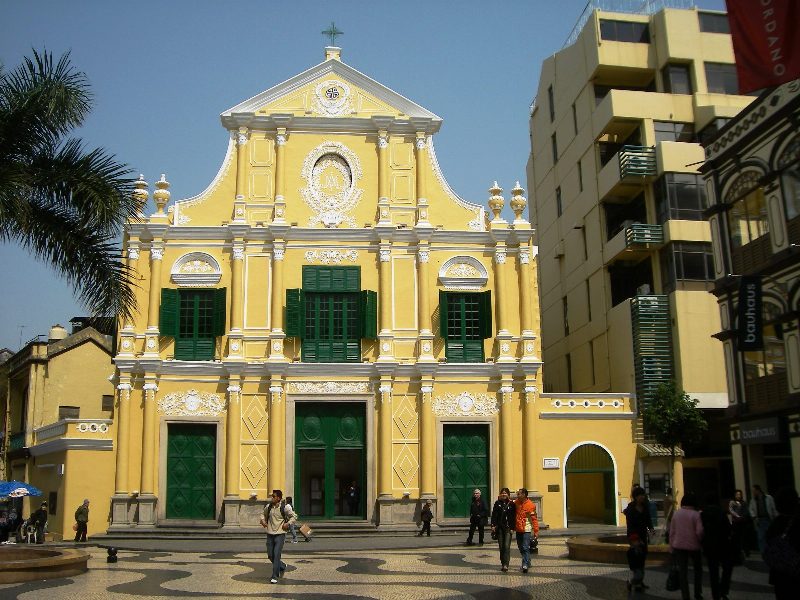
St. Dominic's Church
Macau · Landmarks
St. Dominic's Church is one of the most representative Catholic churches in the historic district of Macau, known for its soft yellow exterior and Baroque altar, dedicated to Our Lady of the Rosary. The church was founded by the Order of St. Dominic in 1587, making it the first church established by the Dominicans in China. It is now part of the UNESCO World Heritage site of Macau, showcasing a collection of Catholic art from the 17th to 19th centuries alongside the adjacent Sacred Art Museum of St. Dominic's Church.
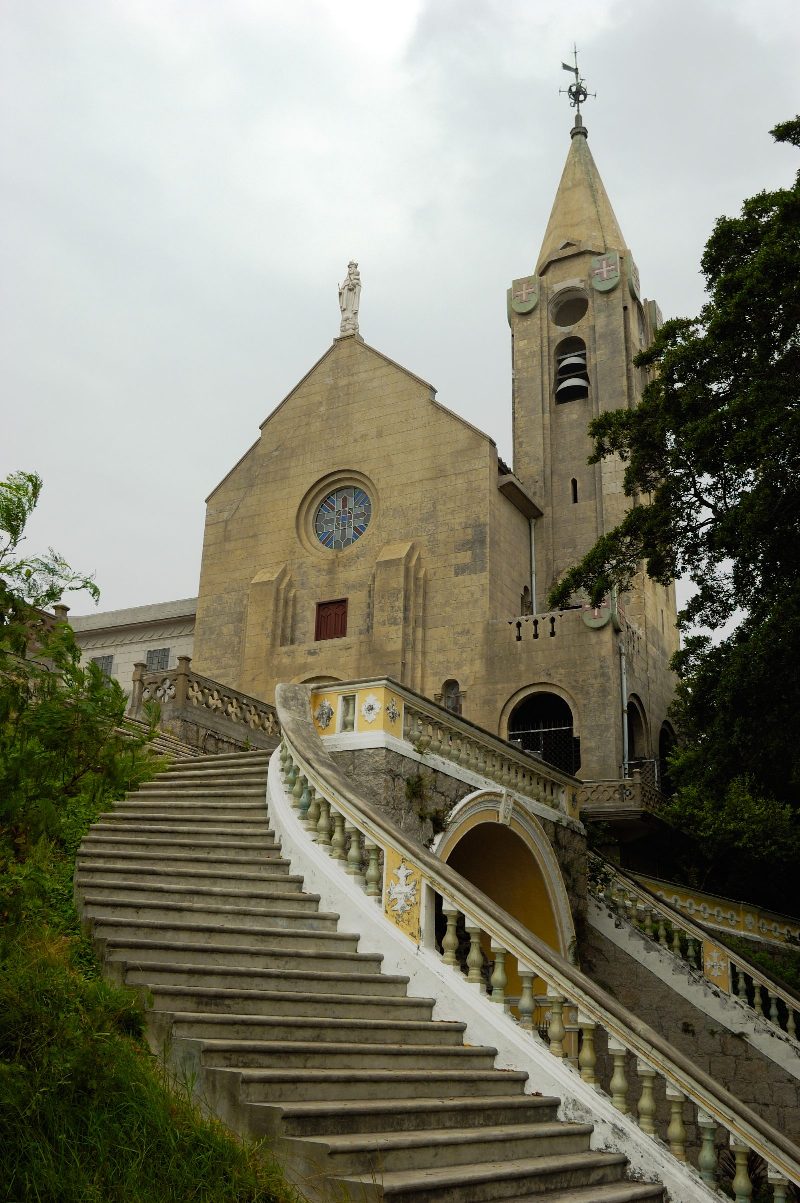
Our Lady of Penha Chapel
Macau · Landmarks
Our Lady of Penha Chapel, built in 1622, is a Catholic chapel located at the top of Penha Hill on the southwestern tip of the Macau Peninsula. It is also known as the Bishop's Hill Chapel due to its proximity to the Bishop's residence. The chapel is renowned for its Gothic spire and classical eclectic style, featuring a unique religious landscape with a marble statue of Our Lady facing the sea and the Lourdes Grotto. Visitors can enjoy panoramic views of the Macau Peninsula and the South Bay area from this site. The chapel, along with the adjacent former Bishop's residence, is listed in the Macau Heritage Register and is a historical building of architectural value, making it a popular landmark for wedding photography and sunset viewing.
Mount Fortress
Macau · Landmarks
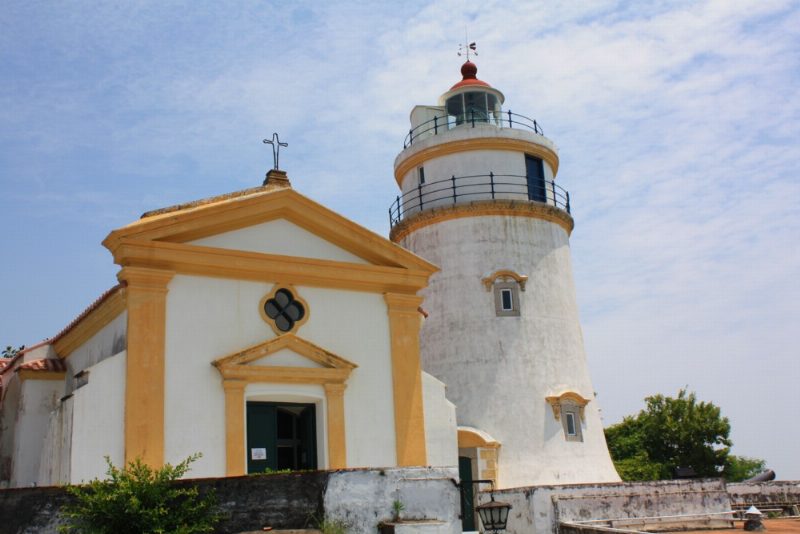
Mount Fortress is located at the highest point of the Macau Peninsula, on the summit of Mount Fortress, and is part of the UNESCO World Heritage Site along with the Church of Our Lady of Snow and the Guia Lighthouse. Here, you can overlook the panoramic view of the Macau Peninsula and it retains a representative collection of Western military and religious architecture.
Camoes Garden
Macau · Parks & Gardens
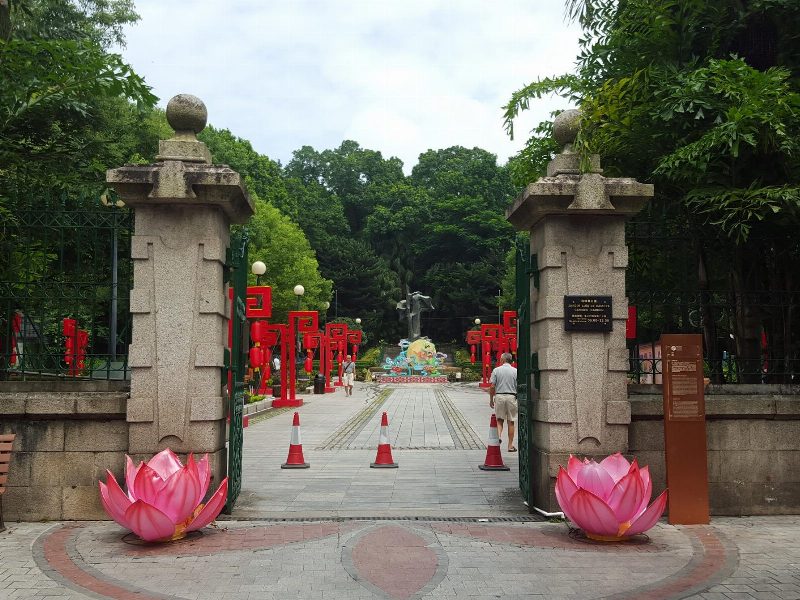
Camoes Garden is one of the oldest and most historic parks in Macau, located in the northern part of the Macau Peninsula at the Praça de Camões. It has become a popular spot for locals to walk, exercise, and for tourists to experience local life. The park features rolling hills, towering ancient trees, and winding shaded paths, while preserving many landscapes related to Macau's Portuguese colonial history and literary anecdotes. The park is also an important green space in the 'Historic Centre of Macau', adjacent to the Christian Cemetery, St. Anthony's Church, and the East Asian Foundation headquarters, making it suitable for a cultural walking route.
Lou Lim Ioc Park
Macau · Parks & Gardens
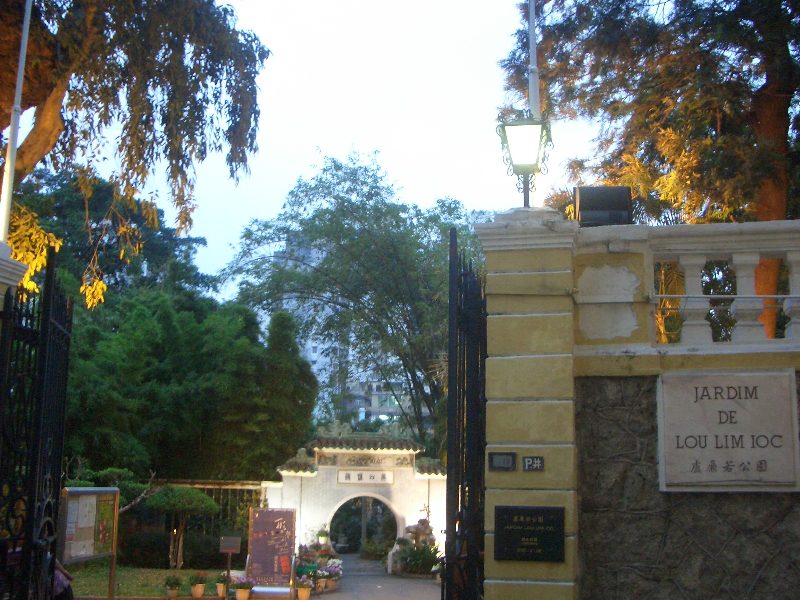
Lou Lim Ioc Park is the only classical Chinese garden in Macau with the charm of Suzhou gardens, located in the Loreto area of the Macau Peninsula. It is one of the three famous gardens in Macau. The layout of the park imitates the Lion Grove Garden in Suzhou, featuring ponds, rockeries, winding bridges, pavilions, and dense bamboo groves. It has been designated as a heritage building in Macau and is one of the 'Eight Sights of Macau.'
Mong-Ha Fort
Macau · Landmarks
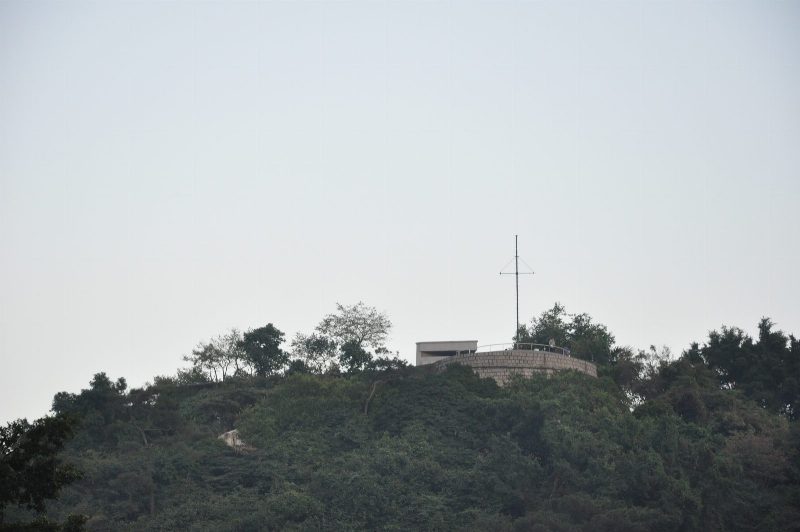
Mong-Ha Fort is a 19th-century military fortress located at the top of Mong-Ha Hill in northern Macau, within the current Mong-Ha Municipal Park. It was built by the Portuguese authorities in the mid-19th century to strengthen the northern defense line. The fort was completed in 1866 and was equipped with several cannons to monitor the northern district and the border area. After ceasing military use in 1960, it transitioned to a non-military site alongside the withdrawal of Portuguese troops, and is now an open park attraction that combines the stone fort, green pathways, and views of northern Macau. Climbing to the fort's platform offers a panoramic view of the northern peninsula of Macau and the Inner Harbor, making it a serene spot to learn about Macau's military history and enjoy a leisurely walk.