Beishan Old Western House
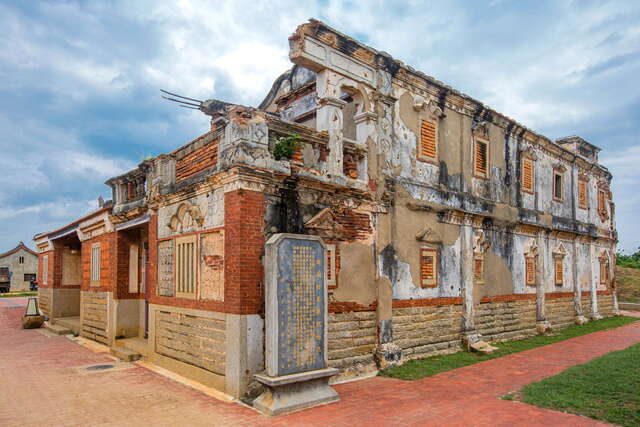

Image source: Taiwan_Opendata; license credits as shown.
Overview
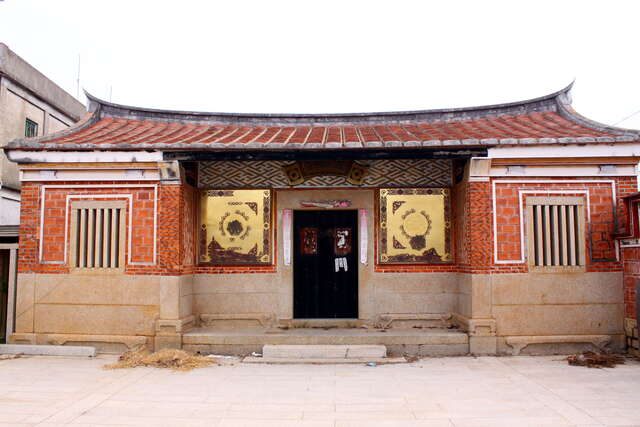
Beishan Old Western House was built by the three brothers Li Jinyu, Li Yanya, and Li Tianzhu from Guningtou, who successfully engaged in coconut trade in Manila, Philippines. They returned to their hometown in Beishan in 1928 to construct a large house for their mother, and later built a two-story western-style house in 1937, with the help of craftsmen from Nan'an and local artisans from Guningtou.
Highlights
Beishan Old Western House is an architectural gem that combines the history of overseas Chinese, memories of wartime, and the charm of Southeast Asia. It was funded by the three brothers who returned from the Philippines after succeeding in the coconut trade. The first large house was built around 1928 for their mother, followed by the two-story western-style house in 1937, showcasing the transformation of traditional Minnan architecture into a typical overseas Chinese residence. The exterior features a blend of red bricks, washed pebbles, and Baroque decorative lines, while the interior boasts exquisite details of painted murals, brick carvings, and stone sculptures, preserving traces of battle scars and restoration, making it an important site for wartime photography. In 2019, Beishan Old Western House was designated as a historic site in Kinmen County, with part of the space revitalized as a backpacker hostel, making it one of the few youth hostels located directly within a designated historic site, allowing travelers to experience accommodation and local culture in a century-old house. It also serves as a demonstration site for the reuse of cultural assets in Kinmen and a base for youth creativity, periodically hosting workshops, project experiments, and local revitalization initiatives.
What to See
1. The facade of the western-style house and Southeast Asian decorative elements: The two-story facade of Beishan Old Western House features Baroque gables, arches, and washed pebble decorations, combined with traditional Minnan red brick walls, representing an important example of Kinmen's overseas Chinese architectural style, suitable for viewing lines, plaques, and floral patterns from different angles. 2. The large house and traditional Minnan layout: The large house built around 1928 for their mother retains the traditional "one entrance, two courtyards" family residence layout, with a courtyard and yard formed between the front and back sections, reflecting the lifestyle of early Kinmen rural settlements. 3. Interior murals and craftsmanship: The murals on the walls and beams of the western house and large house are believed to have been completed in the 1930s, crafted by artisans from Nan'an and local craftsmen from Guningtou, reflecting the aesthetic and craftsmanship values of the overseas Chinese community at that time. 4. Battle scars and memories of the Guningtou Battle: The walls of the building still show dense bullet holes and repair marks from wartime, witnessing the history of being occupied and destroyed by enemy fire during the Guningtou Battle, making it an important site to understand the military standoff across the strait and wartime culture. 5. The historic backpacker hostel space: The large house now serves as a backpacker hostel, preserving the original structure while adding communal spaces and a simple kitchen, allowing guests to experience accommodation and interaction within the historic building, feeling the localized living atmosphere of the old house. 6. Beishan settlement and surrounding wartime landscapes: The Beishan settlement where Beishan Old Western House is located still retains several traditional old houses and wartime facilities, with nearby attractions such as the Guningtou Battle Museum and Cihu, showcasing the intertwined landscapes of Kinmen's wartime and overseas Chinese culture.
Travel Tips
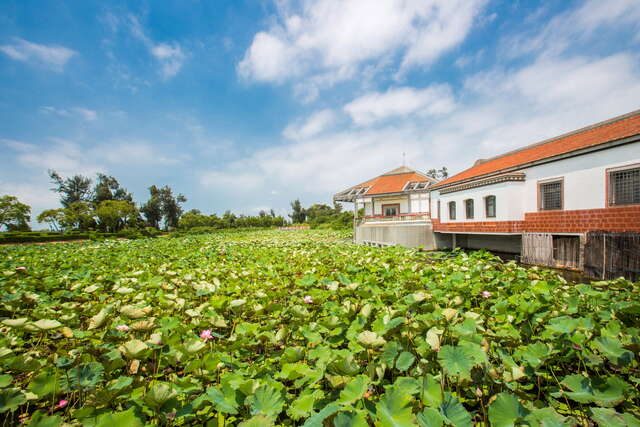
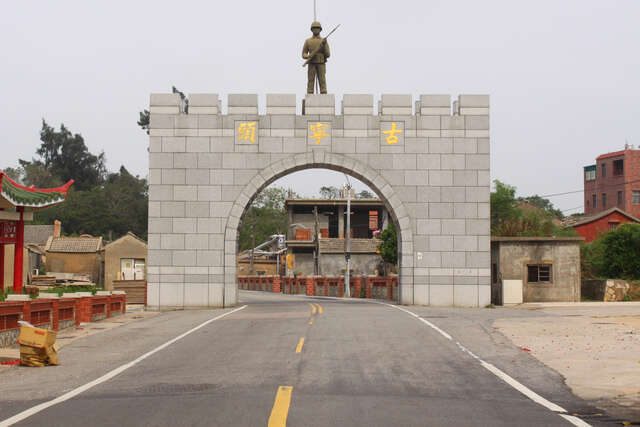
Visiting Beishan Old Western House is suitable for inclusion in a day or half-day tour of Guningtou, along with attractions like the Guningtou Battle Museum, Shuangli Lake, and Cihu, which can be connected by walking or biking. It is recommended to take time to observe the architectural details and bullet-scarred walls, and to walk into the settlement's alleys to feel the atmosphere of a wartime village. Kinmen has a maritime climate, with strong sunlight in summer and noticeable northeast monsoons in winter. It is advisable to bring sunscreen, hats, and windbreakers when visiting, and to be aware of the strong sea breeze and temperature changes. On rainy days, the ground can be slippery, so wear non-slip shoes when walking on the stone steps and courtyards of the old house. If planning to stay at the Beishan Old Western House backpacker hostel, it is recommended to book beds or rooms in advance, especially during consecutive holidays and peak seasons, and to pay attention to check-in and check-out times and whether luggage storage services are provided. The historic site and old house spaces often have low beams, narrow paths, and varying heights, so please be cautious of your head and feet while visiting, and do not climb or lean on old structures to avoid damaging artifacts or causing danger. Beishan Old Western House is located in Jinning Township, and can be reached by renting a scooter, driving, or taking a taxi from Jincheng or Shangi Airport; if you do not have your own transportation, you can inquire with the backpacker hostel about travel consultation and rental services to facilitate itinerary planning. It is advisable to carry a small amount of cash, as some nearby small shops and rural businesses still primarily accept cash, but the backpacker hostel usually accepts credit cards or domestic travel cards.