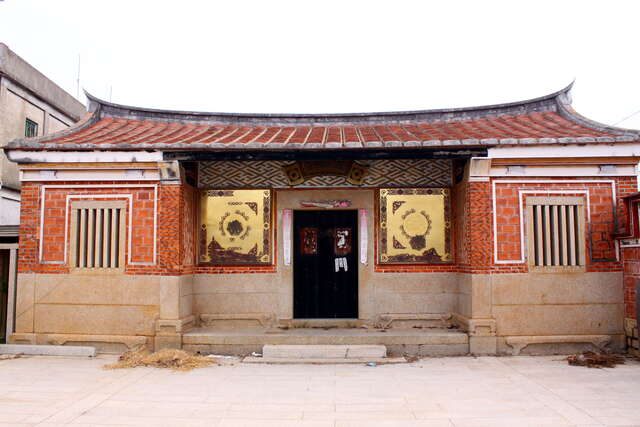
Guningtou Arch
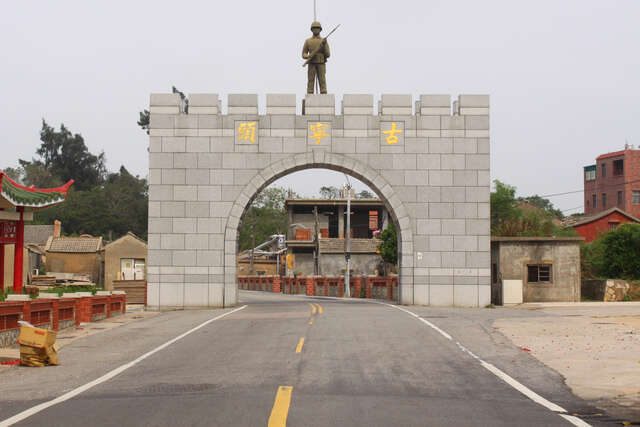
Image source: Taiwan_Opendata; license credits as shown.
Overview
Located on the section of Dinglin Road towards Huandao West Road, the Guningtou Arch symbolizes the bravery and valor of soldiers who protected the people during the Guningtou Battle. This arch not only reminds the world of the cruelty of war but also allows future generations to commemorate the martyrs and remember the fallen soldiers.
Highlights
The Guningtou Arch is a commemorative arch that symbolizes the spirit of courageous defense during the Guningtou Battle, serving as an important gateway to the Guningtou battlefield and the space of peace. Situated on the main road from Dinglin Road to Huandao West Road in Jinning Township, Kinmen County, the arch embodies both the historical memory of the battlefield and the symbolic meaning of cherishing peace, attracting travelers interested in military history, battlefield culture, and modern cross-strait relations to pause and reflect.
What to See
1. The Arch Structure and Inscription: The Guningtou Arch is designed in a traditional arch style, standing on the main road leading to Huandao West Road, marking the entrance to the Guningtou battlefield and settlement area. The arch's structure is solemn, with simple lines, presenting a plain style commonly seen in battlefield memorial architecture. The inscription on the arch highlights the name of Guningtou and the significance of the battle, making it suitable for visitors to stop and take photos. 2. Statue of the Brave Soldier: Above the arch is a statue of a soldier holding a gun, symbolizing the image of the brave and valiant soldiers who protected the people during the Guningtou Battle, representing the unnamed heroes who continue to watch over and protect Kinmen. The statue stands tall, conveying the spirit of perseverance and resilience on the front lines, making it the most recognizable visual focal point here. 3. Atmosphere of War Memory and Reflection: The arch itself is designed as a spatial symbol to remind the world of the cruelty of war, allowing visitors to feel the historical weight of defending the homeland as they pass through the arch. Many travelers pause here for a moment of silence or to take photos, marking the beginning of their reflection on the Guningtou victory and peace. 4. Guningtou Peace Square (Area in front of the Arch): In response to the hopes for peace following the Guningtou Battle, a "Guningtou Peace Square" has been established in front of the arch, conveying the idea of ending war and embracing peace through landscape design. The stone sculpture in the shape of "Two Carps Welcoming Pearls" has the words "Guningtou Peace Memorial Park" inscribed above, symbolizing the replacement of gunfire with peace, making it a key point for visitors to see and photograph when visiting the arch. 5. Connection to Nearby Battlefield Attractions: Starting from the Guningtou Arch, visitors can extend their journey to the Guningtou Battle History Museum, the Guningtou Victory Monument, the broadcasting station, and surrounding battle sites, forming a complete route for exploring battle history. Thus, the arch becomes a symbolic entrance for most battlefield tours and sightseeing buses entering the Guningtou battlefield area.
Address
892 Kinmen County, Jinning Township, Lincuo Guningtou Arch Phone: (08)2313100
Travel Tips
1. Suggested Duration and Itinerary: A visit to the Guningtou Arch typically involves a brief stop for photos and a simple tour, making it a suitable stop on the way to other battlefield attractions like the Guningtou Battle History Museum, the monument, and the Peace Square, ideally included in a day trip itinerary around Jinning Township or the northwest corner of Kinmen. 2. Transportation and Arrival Suggestions: The Guningtou Arch is located on the section of Dinglin Road towards Huandao West Road, and it is most convenient to reach by car, motorcycle, or taxi. If participating in local battlefield tours or sightseeing buses, most routes will pass through this area, so be sure to check if the itinerary includes the Guningtou battlefield and related historical sites. 3. Visiting Hours and Weather Considerations: The arch is an outdoor open space, accessible at any time; early morning and evening light is softer, making it more suitable for photos and leisurely walks, while the midday sun in summer can be strong, so it's advisable to take sun protection and stay hydrated. Kinmen tends to be windy and cooler in winter, so adjust your clothing for warmth and wind protection according to the season. 4. Safety and Etiquette Reminders: The arch is located next to a roadway, so be cautious of oncoming traffic when taking photos or parking, avoiding prolonged stays in the middle of the road to ensure personal safety. This site has a reflective nature, so it is recommended to keep noise levels down and avoid loud actions near the statue and memorial space, showing respect for the martyrs and the fallen soldiers. 5. Combining Historical and Peace-Themed Travel: If interested in modern cross-strait history and military culture, it is helpful to read up on the Guningtou Battle beforehand, then experience the historical scene at the arch and Peace Square, aiding in understanding the profound impact of war on Kinmen and Taiwan's situation. You may also arrange a guided tour of the Guningtou Battle History Museum, starting from the arch to various battlefield sites, to fully connect the development of the battle history.
FAQ
Q: What is the main attraction of visiting the Guningtou Arch? A: The main attraction of visiting the Guningtou Arch is to appreciate the commemorative arch and soldier statue symbolizing the Guningtou Battle, as well as to feel the atmosphere of war memory and peace significance. The arch is an important gateway to the Guningtou battlefield area, with the statue of the brave soldier above representing the military personnel who protected Kinmen and its people during the battle, while also reminding the world of the cruelty of war, allowing future generations to remember the martyrs and honor the sacrifices of the soldiers. Q: How long should I plan to stay at the Guningtou Arch? A: The Guningtou Arch is suitable for a brief stop for photos and reflection, typically recommended to be combined with nearby historical sites for about half a day to a full day itinerary. Travelers often spend a few minutes to over ten minutes at the arch and Peace Square taking photos, viewing the inscriptions and statue, before continuing to the Guningtou Battle History Museum, the Guningtou Victory Monument, and surrounding battle sites, to fully understand the Guningtou Battle and Kinmen's battlefield history through the overall flow of the visit. Q: Is transportation to the Guningtou Arch convenient? A: Transportation to the Guningtou Arch is most convenient by car, renting a motorcycle, or taking a taxi, and it is often included in battlefield tour itineraries. The arch is located on the section of Dinglin Road towards Huandao West Road, making it a good midway stop on a circular tour or in the northwest corner of Kinmen. If participating in local sightseeing tours, most will include the Guningtou battlefield and history museum in their arrangements. Q: Are there any etiquette considerations when visiting the Guningtou Arch? A: When visiting the Guningtou Arch, it is advisable to maintain solemnity and respect, and to be mindful of road safety. As the arch symbolizes the martyrs and unnamed heroes who defended the homeland during the Guningtou Battle, the atmosphere is more about commemoration and reflection, so it is recommended to avoid loud noise or disrespectful actions; also, be cautious of traffic when taking photos and avoid lingering in the middle of the road for safety.