Edo-Tokyo Museum
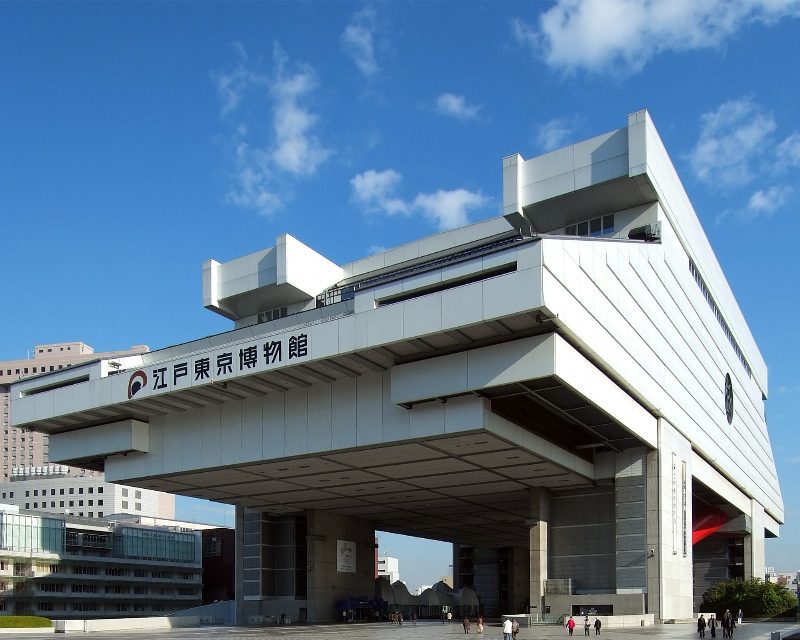
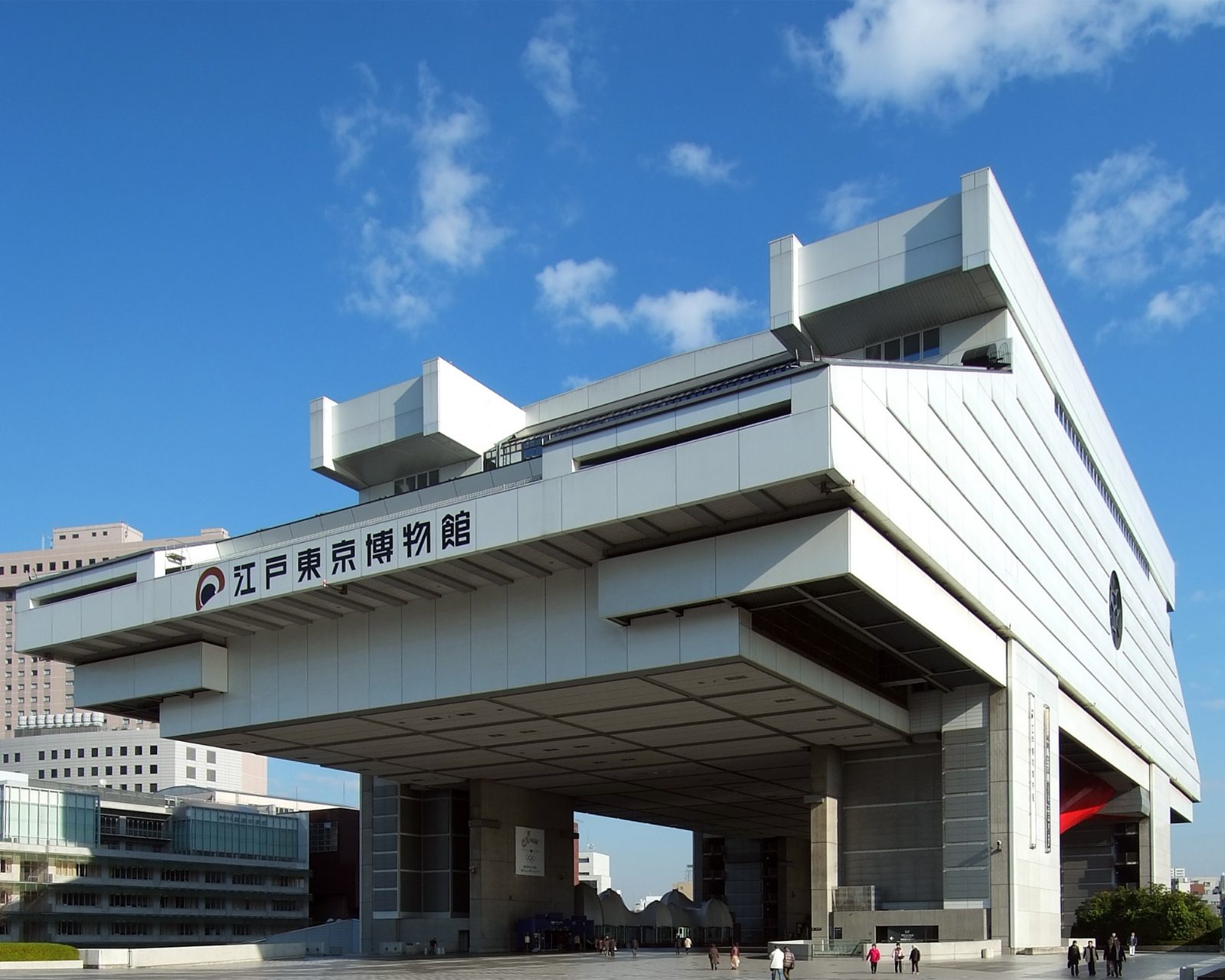
Image source: Wikimedia Commons; license credits as shown.
Overview
The Edo-Tokyo Museum is a large historical museum dedicated to showcasing approximately 400 years of history and cultural life in Tokyo from the Edo period to the present. It is located in Sumida Ward, adjacent to the Ryogoku Kokugikan and Ryogoku Station. The museum recreates past streetscapes and the lives of ordinary people through physical artifacts, large-scale restoration models, and intricate miniature models, allowing visitors to feel as if they are traveling through time into Edo and Tokyo. The museum opened in 1993 and will reopen on March 31, 2026, after extensive renovations, featuring more modern exhibitions and richer interactive experiences. For first-time visitors to Tokyo, this is an excellent starting point to understand the city's context and a place for deep travelers to rediscover Tokyo.
Getting There
The most convenient way to reach the Edo-Tokyo Museum is to take the JR Sobu Line or the Toei Oedo Line to 'Ryogoku Station,' and then walk about 1-3 minutes to the museum. From the west exit of JR Sobu Line Ryogoku Station, it takes about 3 minutes on foot, and about 7 minutes from the east exit to reach the museum entrance; from the Toei Oedo Line Ryogoku Station (in front of the Edo-Tokyo Museum), it takes about 1 minute from exits A3 or A4. Alternatively, you can take the Toei Bus routes Kin27, Ryogoku28, or Kado33, or the Sumida Ward circular bus 'Sumida Hyakkei Sumimarukun & Sumirin-chan (South Route)' to 'Toei Ryogoku Station (in front of the Edo-Tokyo Museum)' and walk about 3 minutes.
Highlights
The main feature of the Edo-Tokyo Museum is its dual-axis presentation of 'knowledge' and 'experience' regarding the history of Edo and Tokyo, allowing visitors to read historical materials while also immersively experiencing the urban landscape of past and present. The museum has approximately 9,000 square meters of permanent exhibition space, combining a large collection of artifacts, interactive installations, large-scale restored buildings, and street models, such as the large restored landscape of 'Nihonbashi' that spans the exhibition hall, creating a feeling of traveling through time. The exhibition's main theme starts from Tokugawa Ieyasu's entry into Edo, linking the development of the castle town during the Edo period, modernization after the Meiji era, war damage and recovery, and post-war rapid growth to contemporary Tokyo's cultural life, making it suitable for travelers interested in urban history, architecture, and daily culture. The newly reopened exhibition after extensive renovations has optimized the flow, accessibility features, and multilingual information, and added more experiential displays, making it more family-friendly and accommodating for international visitors.
What to See
Main highlights include: 1. **Permanent Exhibition Hall and Giant 'Nihonbashi' Restoration**: At the entrance, visitors can see the large wooden restoration of 'Nihonbashi' spanning the exhibition hall, allowing them to walk on the bridge and overlook the exhibition space, experiencing the spatial scale of the Edo castle town. 2. **Models of Edo Castle and Castle Town**: Through exquisite miniature models, the museum recreates Edo Castle, samurai districts, merchant areas, and river transport, showcasing Edo as a giant metropolis and its urban planning. 3. **Ordinary Life and Townhouse Streetscapes**: Restorations of townhouses, shops, and longhouses, along with artifacts related to daily life, clothing, entertainment, and festivals, present the details of the daily lives of Edo's common people. 4. **Modern Tokyo and Disaster, War Exhibition Area**: Through photographs, artifacts, and models, the museum presents the impact of the Great Kanto Earthquake, war damage, and post-war reconstruction on Tokyo's urban landscape and residents' lives, extending to the modern urban appearance during the rapid growth period. 5. **Special Exhibitions and Planned Exhibitions**: In addition to the permanent exhibition, special exhibitions and planned exhibitions themed around Edo culture, Japanese art, urban history, or pop culture are held periodically, with content changing according to the schedule. 6. **Learning Room and Educational Activity Space**: The museum features a learning room, auditorium, and multifunctional space suitable for school groups, workshops, or training, serving as a base for promoting Edo-Tokyo culture. 7. **The Building Itself**: Designed by architect Kenzō Tange, the unique elevated structure is a major attraction in itself, with its elevated platform, multi-column support, and surrounding Ryogoku Kokugikan forming a distinctive urban landscape.
Hours & Admission
The general visiting hours for the Edo-Tokyo Museum are daily from 9:30 AM to 5:30 PM, extended to 7:30 PM on Saturdays, with the last entry 30 minutes before closing. Different facilities and shops on various floors may have slight variations. The museum is regularly closed on Mondays and during the New Year holidays; if a national holiday falls on a Monday, it will be open and closed the following day. There may also be temporary closures during special renovations or exhibition changes, so it is recommended to check the official website for the latest announcements before visiting. The basic admission fee for the permanent exhibition is approximately 800 yen for general adults, with discounts or free admission for high school students, students, seniors, and persons with disabilities. Special exhibitions and planned exhibitions usually require separate tickets or upgraded packages. Group tickets, package deals, and extended night opening hours may vary depending on the schedule, and ticket prices and discounts are subject to official announcements.
Address
1-4-1 Yokoami, Sumida City, Tokyo 130-0015, Japan (Edo-Tokyo Museum)
Travel Tips
It is recommended to allocate at least 2-3 hours for a visit to the Edo-Tokyo Museum, and those with a strong interest in history or urban culture may even spend an entire day exploring the permanent and special exhibitions. The museum is completely smoke-free and offers facilities such as elevators, escalators, wheelchair and stroller rentals, nursing rooms, and multifunctional accessible restrooms, making it very family-friendly and accommodating for travelers with mobility issues. It is advisable to plan your itinerary in conjunction with nearby attractions such as the Ryogoku Kokugikan, the former Yasuda Garden, and the Sumida River promenade, allowing for an in-depth understanding of the Edo atmosphere and sumo culture in the Ryogoku area in one day. Weekday mornings or evenings tend to be less crowded; on weekends, holidays, and during special exhibitions, it is recommended to arrive early or check in advance whether online tickets are required or if there are entry restrictions. Visiting on rainy days is also suitable, as most exhibition halls are indoors and the flow is concentrated; if driving, you can use the museum's or nearby paid parking lots, but parking spaces may be tight during events.
Nearby Dining
The Edo-Tokyo Museum has a café and a simple dining area offering light meals, coffee, and desserts, making it a great place to take a break before or after your visit. The surrounding Ryogoku area is famous for its sumo culture, with many renowned 'chanko nabe' restaurants and izakayas in the neighborhood, making it perfect for lunch or dinner to experience the flavors of sumo stew and downtown cuisine. Within walking distance, there are also several coffee shops, local diners, and chain restaurants to choose from based on budget and time; travelers looking to explore local cuisine more deeply can leisurely visit the shopping streets around Ryogoku Station and along the Sumida River. Some restaurants may be crowded during lunchtime or sumo match periods, so it is advisable to avoid peak hours or make reservations in advance.
FAQ
Q: What does the Edo-Tokyo Museum mainly showcase? A: The Edo-Tokyo Museum mainly showcases approximately 400 years of urban history and cultural life in Tokyo from the Edo period to the present, including themes such as the development of castle towns, daily life of common people, modernization, disaster, and post-war reconstruction. Through physical artifacts, large-scale restored buildings, streetscapes, and miniature models, along with multimedia and experiential displays, visitors can quickly understand how Tokyo evolved from the Edo castle town into a global metropolis. Q: What are the opening hours and closed days of the Edo-Tokyo Museum? A: The Edo-Tokyo Museum generally opens from 9:30 AM to 5:30 PM, extended to 7:30 PM on Saturdays, with the last entry 30 minutes before closing. Regular closed days are every Monday and during the New Year holidays; if a national holiday falls on a Monday, it will be open and closed the following day. There may also be temporary closures during periods of renovation or exhibition changes, so it is advisable to check the official website for the latest information before visiting. Q: What is the ticket price for the Edo-Tokyo Museum? A: The general adult ticket price for the permanent exhibition at the Edo-Tokyo Museum is approximately 800 yen, with discounts or free admission for students, teenagers, seniors, and holders of disability certificates. Special exhibitions and planned exhibitions usually require separate tickets or upgraded packages, and ticket prices may vary depending on the exhibition schedule and content, so it is recommended to check the official website for the latest prices and discount information in advance. Q: How do I get to the Edo-Tokyo Museum? Is it convenient to take public transport? A: It is very convenient to reach the Edo-Tokyo Museum; just take the JR Sobu Line or the Toei Oedo Line to 'Ryogoku Station' and walk 1-3 minutes to arrive. It takes about 3 minutes on foot from the west exit of JR Sobu Line Ryogoku Station and about 7 minutes from the east exit; from the Toei Oedo Line Ryogoku Station (in front of the Edo-Tokyo Museum), it takes about 1 minute from exits A3 or A4. There are also several Toei bus routes and the Sumida Ward circular bus stopping at 'Toei Ryogoku Station (in front of the Edo-Tokyo Museum)'. Q: Is the Edo-Tokyo Museum suitable for families or travelers with mobility issues? A: The Edo-Tokyo Museum is very suitable for families and travelers with mobility issues, as it has elevators, escalators, accessible ramps, multifunctional restrooms, and nursing rooms, and provides wheelchair and stroller rental services. The exhibitions also incorporate interactive installations and experience areas, allowing children to learn about life in Edo and Tokyo through models and hands-on activities, making it an excellent indoor spot for family learning. Q: What other nearby attractions can be visited? A: The Edo-Tokyo Museum is adjacent to the Ryogoku Kokugikan, which can be visited on foot to explore sumo-related facilities and the Sumo Museum; you can also visit the former Yasuda Garden and the Sumida River promenade. A little further, you can plan to visit Asakusa, Tokyo Skytree, and the downtown shopping streets around Ryogoku, allowing you to connect traditional and modern Tokyo attractions in one day.