Suga Shrine
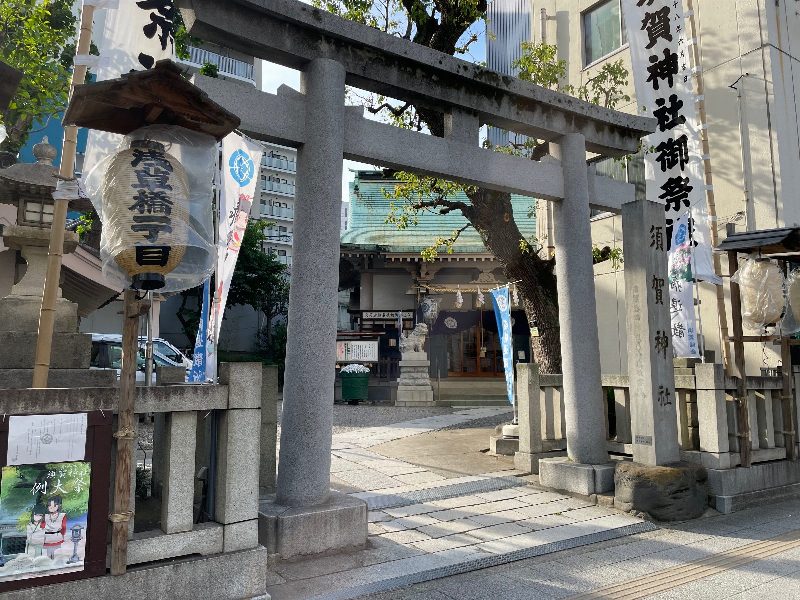
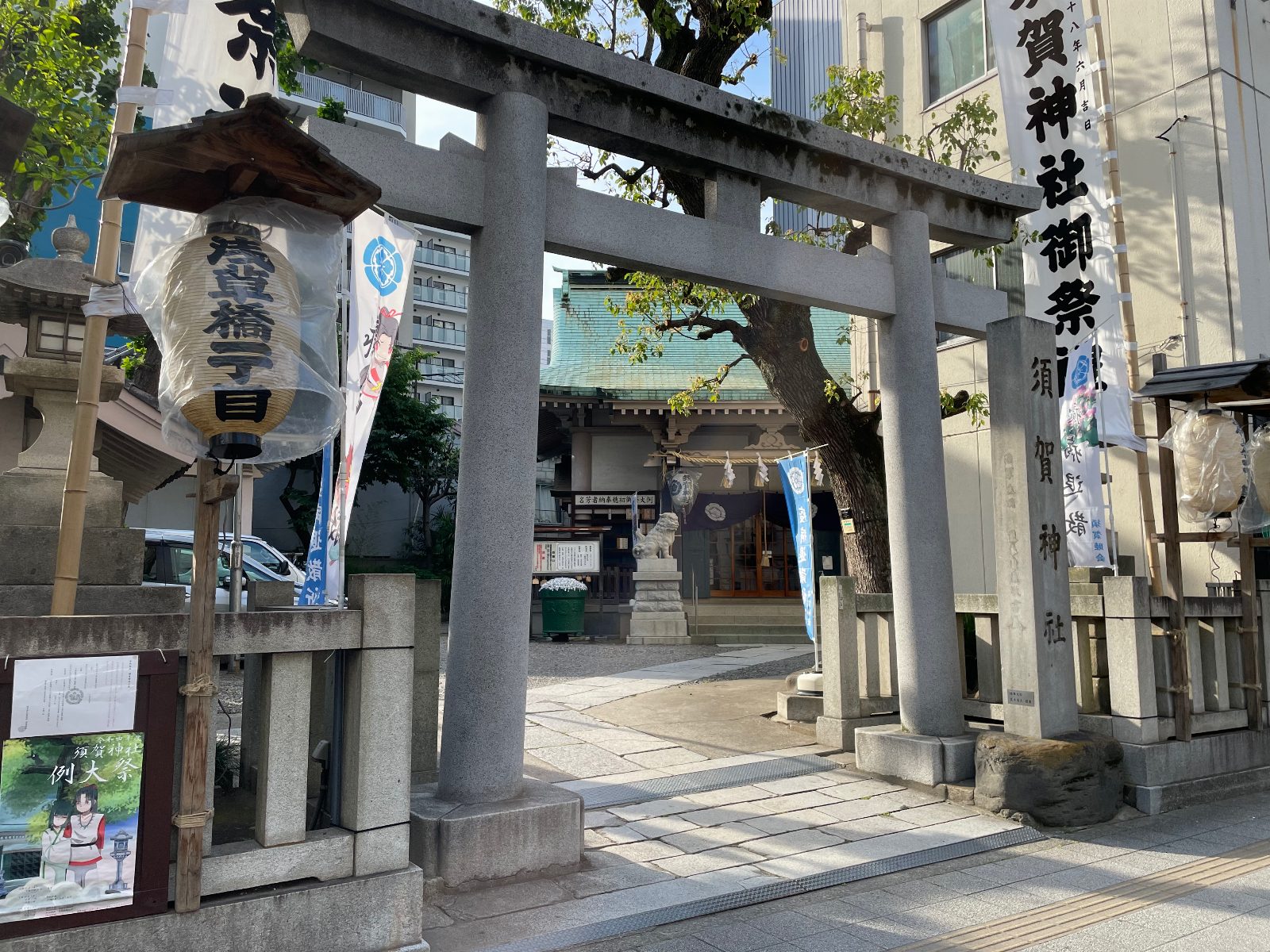
Image source: Wikimedia Commons; license credits as shown.
Overview
Suga Shrine is a historic shrine located in Sugacho, Shinjuku, Tokyo, known worldwide for the staircase featured in the ending scene of Makoto Shinkai's animated film 'Your Name.' Established in 1634 during the Edo period, it is dedicated to the deities Susanoo and Uka-no-Mitama, and is regarded as a guardian shrine for disaster prevention, prosperity in business, and health blessings. The shrine preserves the designated tangible cultural property of Shinjuku, 'The Thirty-Six Immortal Poets,' blending ancient beliefs with the modern pilgrimage atmosphere of anime fans. It is within walking distance from Yotsuya Station and Yotsuya Sanchome Station, making it a great spot to stroll, take photos, and experience the everyday faith of the locals in the city center.
Getting There
The easiest way to reach Suga Shrine is to take the JR Chuo Line or Sobu Line, or the Tokyo Metro Marunouchi Line and Namboku Line to 'Yotsuya Station.' From exit 4A or B1, it takes about 8 to 12 minutes on foot to reach the shrine entrance. Alternatively, you can take the Tokyo Metro Marunouchi Line to 'Yotsuya Sanchome Station,' and after exiting from exit 3, it is about a 6 to 8-minute uphill walk to the shrine. If departing from Shinjuku Station, it takes only about 5 minutes by subway to Yotsuya or Yotsuya Sanchome, or you can walk for about 20 to 25 minutes along the streets to get there.
Highlights
Suga Shrine has become a pilgrimage site for anime fans worldwide due to the iconic red-railed stone steps featured in the ending scene of 'Your Name,' while still maintaining a quiet and simple local atmosphere. The shrine is dedicated to the deities Susanoo and Uka-no-Mitama, regarded as guardians for disaster prevention, household safety, and business prosperity. Many office workers and shop owners visit to pray for smooth work and career success. The shrine also houses the designated tangible cultural property of Shinjuku, 'The Thirty-Six Immortal Poets,' and the festival culture that has continued since the Edo period, allowing visitors to experience a rich historical faith space in the city center. Although located near the bustling area of Shinjuku, it remains relatively tranquil, making it suitable for a relaxed visit of 30 to 60 minutes, combined with a stroll and dining in nearby areas like Yotsuya and Arakicho.
What to See
・Omotesando and Stone Torii: The gently sloping Omotesando leads to the stone torii gate and shrine entrance, transitioning from the urban streetscape to a solemn and tranquil atmosphere, marking the beginning of the sacred domain. ・'Your Name' Steps: The long stone steps leading down from the shrine to the road below, adorned with red railings, are the iconic scene where the main characters of 'Your Name' reunite, and many travelers recreate the animation's frames here. ・Honden and Haiden: The main shrine building is simple and elegant, dedicated to the deities Susanoo and Uka-no-Mitama. Visitors can pay their respects at the haiden, draw fortunes, or purchase amulets for blessings. ・The Thirty-Six Immortal Poets: The shrine preserves paintings of 'The Thirty-Six Immortal Poets,' designated as a tangible cultural property of Shinjuku, showcasing the combination of classical Japanese poetry and painting, attracting history and culture enthusiasts. ・Small Shrines and Inari Shrine: The grounds also feature smaller Inari shrines and affiliated small shrines, allowing visitors to feel the local residents' faith in various guardian deities and their daily worship practices.
Hours & Admission
Suga Shrine is open 24 hours a day, allowing visitors to freely enter for worship and photography at any time, although the morning and evening light is better. The offering hall (selling amulets, goshuin, ema, etc.) and various prayer services are generally open during the day, typically from 9:00 AM to 5:00 PM, but actual hours may vary slightly depending on the schedule. Entry and worship are free, with fees applicable only for drawing fortunes, purchasing amulets, or requesting formal prayers. If you wish to participate in special ceremonies or hold personal worship rituals, it is recommended to confirm in advance through the official website or by phone with the shrine office.
Address
5-6 Sugacho, Shinjuku, Tokyo, Japan (Postal Code 160-0018)
Travel Tips
It is recommended to allocate 30 to 60 minutes for visiting Suga Shrine. Anime fans or photography enthusiasts may want to stay longer to capture the steps and the changing city light. The best time to photograph the same composition as in 'Your Name' is on sunny mornings or afternoons to present similar bright tones and shadow layers as in the film. The steps have a noticeable gradient, so please watch your step when going up and down. On rainy days, the stone steps can be slippery, so it is advised not to wear leather-soled or high-heeled shoes, and please avoid occupying the steps for too long to prevent obstructing local residents. The surrounding area is a mixed residential and office zone, so please keep noise levels down in the early morning and evening, and be mindful not to directly photograph residential windows and license plates, respecting local life. You can also combine your visit with a walk to nearby small restaurants and bars in Yotsuya, Wakaba, and Arakicho, experiencing a distinctly 'everyday' Tokyo scenery different from the Shinjuku area.
Nearby Dining
There are plenty of dining options around Suga Shrine in the Yotsuya and Yotsuya Sanchome areas, ranging from kaiseki cuisine to affordable izakayas and cafes, making it suitable to combine your worship itinerary with dining. Walking towards Yotsuya Station, you can find many family-style Japanese restaurants, ramen shops, and cafes, popular among office workers and residents. If you head towards Arakicho, there are many small bars and cozy restaurants where you can enjoy a drink or Japanese creative cuisine in the evening, experiencing a more local nightlife. If time is limited, you can also have a simple meal at the large chain cafes and bento shops near Yotsuya Station before taking a leisurely walk to the shrine.
FAQ
Q: What is Suga Shrine famous for? A: Suga Shrine is best known for the red-railed stone steps featured in the ending scene of Makoto Shinkai's animated film 'Your Name,' making it one of the pilgrimage sites for anime fans worldwide. In addition to its status as an anime pilgrimage site, the shrine itself has a history that has continued since the Edo period and houses the designated tangible cultural property of Shinjuku, 'The Thirty-Six Immortal Poets,' making it quite attractive to history and culture enthusiasts. Q: How do I get to Suga Shrine? A: To reach Suga Shrine, you can take the JR Chuo Line or Sobu Line, as well as the Tokyo Metro Marunouchi Line and Namboku Line to Yotsuya Station. After exiting from 4A or B1, it takes about 8 to 12 minutes on foot to reach the shrine. You can also take the Tokyo Metro Marunouchi Line to Yotsuya Sanchome Station, and after exiting from exit 3, it takes about 6 to 8 minutes uphill walk to the shrine entrance. Q: What are the opening hours and admission fees for Suga Shrine? A: Suga Shrine is generally open 24 hours a day, allowing visitors to freely enter the approach and shrine grounds for worship and strolling at any time. General entry and worship are completely free, with fees applicable only for amulets, fortunes, ema, or formal prayers, with the offering hall usually open during the day from about 9:00 AM to 5:00 PM. Q: Are there any photography guidelines at Suga Shrine? A: Taking photos at Suga Shrine and the famous anime steps is generally allowed, but it is recommended not to occupy the steps for too long to avoid hindering the passage of residents and worshippers. Please be mindful of noise and etiquette while photographing, avoiding capturing the windows of nearby residences and license plates, and respecting the atmosphere of the shrine as a religious site by not running, making noise, or climbing on the railings within the grounds. Q: Are there other places to visit nearby Suga Shrine? A: From Suga Shrine, you can easily walk to the commercial streets around Yotsuya Station, the green spaces and churches near Sophia University, and the Arakicho area filled with small bars and old shops, making it suitable for a half-day walking itinerary. If you take the subway for about 10 minutes, you can also reach major shopping districts like Shinjuku, Ginza, or Akasaka, conveniently incorporating Suga Shrine into a multi-point sightseeing route in Tokyo.