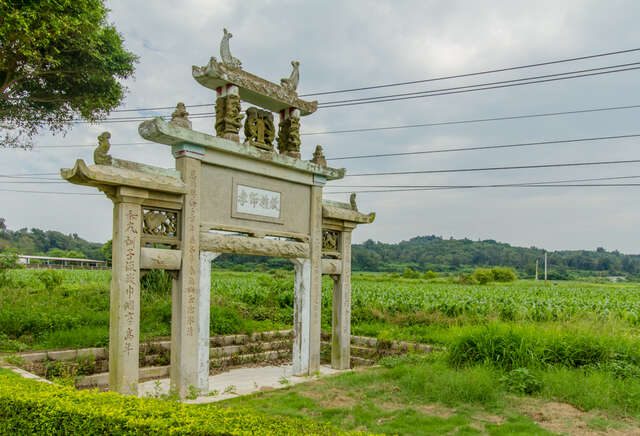
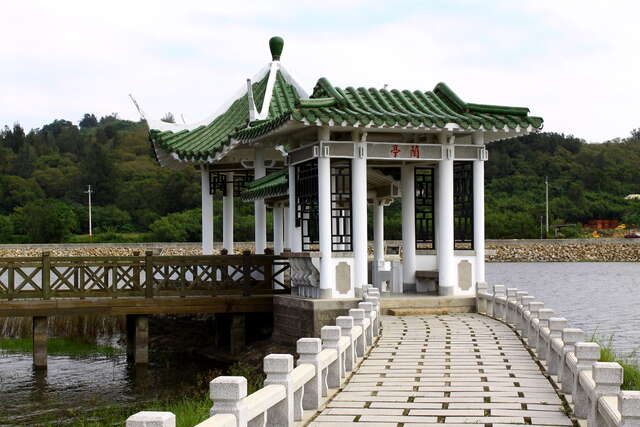
Elephant Mountain Vajra Temple
Taiwan · Kinmen County · Jinsha Township · Temples & Shrines

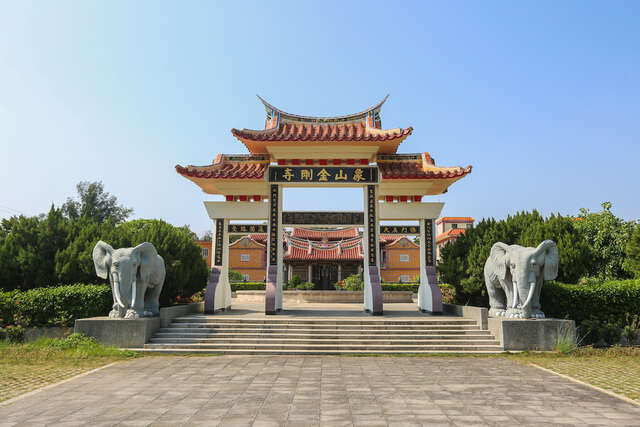
Image source: Taiwan_Opendata; license credits as shown.
Overview
Located in Dinglan, it is named after the Elephant Mountain, which resembles an elephant in its geographical formation.
Highlights
Located in Dinglan, this temple is named after the Elephant Mountain, which resembles an elephant, making it a religious site with local belief significance in Kinmen. According to related introductions, the temple primarily worships Guanyin Bodhisattva and the Three Treasures of the Buddha, and it is often seen as an important faith center for the surrounding residents.
What to See
- Temple Structure: Pay attention to the architectural features of the temple presented in an ancient style, which is the main highlight of the attraction. - Mountain Gate and Stone Elephant Imagery: Related introductions mention two giant stone elephants beside the mountain gate, which serve as a prominent landmark of the Vajra Temple, echoing the origin of the name "Elephant Mountain." - Space in Front of the Temple: The square and small garden in front of the temple are often mentioned, suitable for a quick stop, taking photos, and experiencing the temple atmosphere. - Religious Belief Space: This place serves as a local faith center, ideal for observing the daily aspects of Kinmen's temple culture and folk beliefs.
Travel Tips
- Best Arrangement: It is suitable to plan a visit along with nearby attractions in Jinsha Township, making it a stop for a half-day or a leisurely itinerary. - Visiting Guidelines: As a religious site, it is recommended to maintain silence and dress appropriately, respecting the atmosphere when worshiping or taking photos. - Suggested Items to Bring: Kinmen often has strong sunlight and winds, so it is advisable to bring sunscreen and water. - Transportation Inquiry: Official information indicates that the temple is located at No. 112, Section 1, Huandao East Road, Jinsha Township, Kinmen County, which can serve as a reference for positioning.
FAQ
Q: Why is it called Elephant Mountain Vajra Temple? A: The Elephant Mountain Vajra Temple is named after its location on Elephant Mountain, which resembles an elephant. Q: What is primarily worshiped at Elephant Mountain Vajra Temple? A: The temple primarily worships Guanyin Bodhisattva and the Three Treasures of the Buddha. Q: How should one arrange a visit to Elephant Mountain Vajra Temple? A: It is suitable to visit along with nearby attractions in Jinsha Township, serving as a stop to understand Kinmen's temple culture. Q: What are the notable sights at Elephant Mountain Vajra Temple? A: The temple architecture, the stone elephant imagery beside the mountain gate, and the space in front of the temple are the most recognizable features.
Map
Tickets & Itineraries
Search for tickets and day tour itineraries for this attraction on the collaboration platform