
Explore 金沙鎮
Curated travel attractions — browse by region or category.
Category
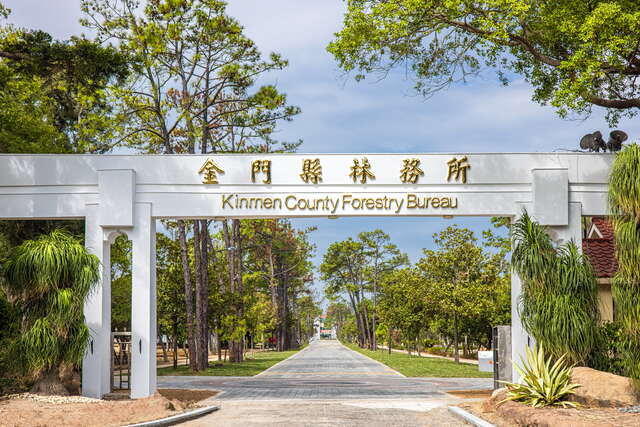
Kinmen County Forestry Bureau
金沙鎮 · Culture & Arts
Located in Jincheng Township, Kinmen, the Forestry Bureau is a lush green attraction in Kinmen. According to local tradition, early Kinmen was once covered with abundant vegetation, but when Koxinga captured Kinmen in the Ming dynasty, many trees were cut down to support construction, leaving the island barren. In 1951, the government began promoting greening, landscape improvement, and reforestation on Kinmen. After repeated setbacks and refinements, the island gradually overcame these difficulties, laid the foundation for its greenery, and improved the living environment for both residents and military personnel.
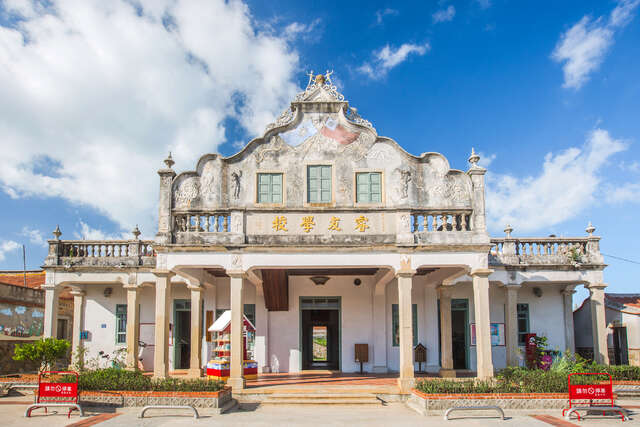
Ruiyou School
金沙鎮 · Historic Sites
Ruiyou School was built in 1934. After Mr. Chen Ruiyou made his fortune in Singapore, he commissioned his fellow clansman Chen Dexing to build Ruiyou School in his hometown of Bishan. The campus covered 20 ares and enrolled children from nearby settlements free of charge, benefiting the local community.
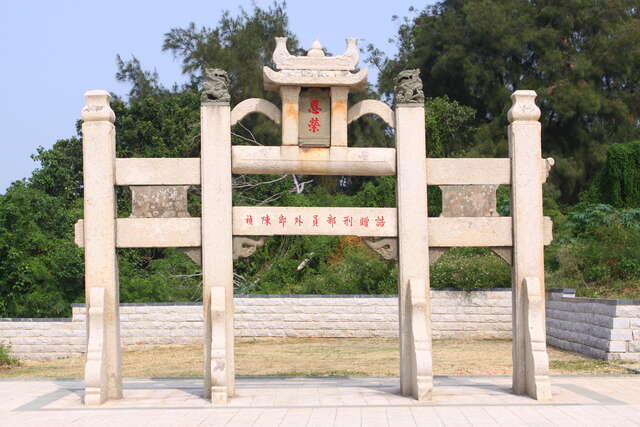
Chen Zhen Enrong Archway
金沙鎮 · Historic Sites
Located directly to the right-front of Huishan Temple in Yangzha, Kinmen, this archway was built to honor the father (Chen Zhen) after his son (Chen Jian) attained high official status and received an imperial posthumous honor. Chen Zhen Enrong Archway is a county-designated historic monument, a granite archway, and was announced as a Level 3 historic site in November 1988.
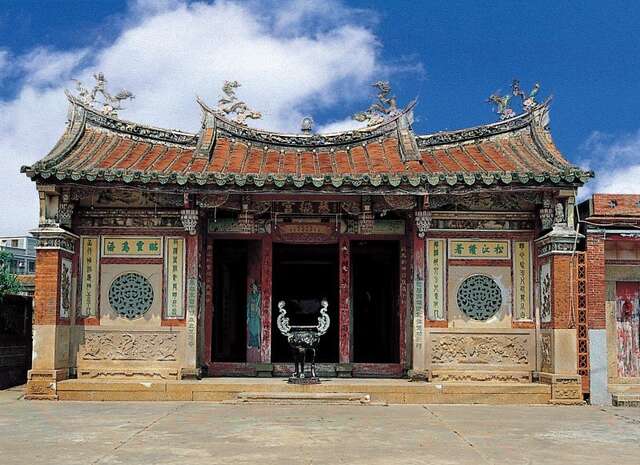
Cide Temple
金沙鎮 · Historic Sites
Cide Temple is a temple dedicated to Huang Wei, honored as a model of moral virtue. Its distinctive craftsmanship is showcased in three main areas: Koji pottery, cut-and-paste ceramics, and stone carving. The Koji pottery includes six panels on the dragon-and-tiger walls, mirror walls, and opposing walls, each vividly lifelike.
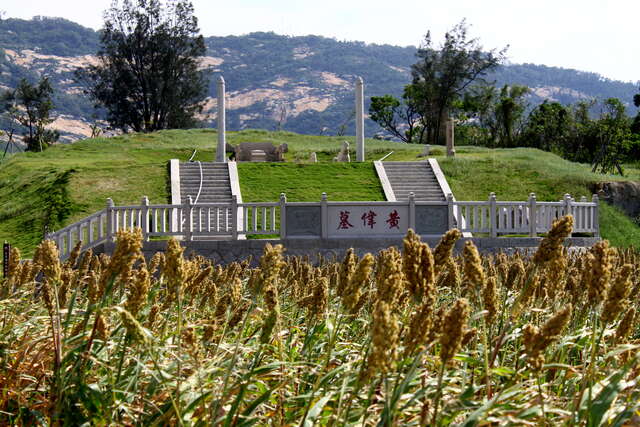
Huang Wei Tomb
金沙鎮 · Historic Sites
Huang Wei, courtesy name Mengwei, pseudonym Yisou, also known as Yisuo, was from Wenshuitou (now Houshuitou). He was born in the first year of the Ming Hongzhi era (1488), once served as a clerk in Quanzhou Prefecture, and passed the imperial examination in the ninth year of the Zhengde era (1514). He was first appointed as a Deputy Director in the Nanjing Ministry of Punishments and became known for handling cases with purity, caution, clarity, and leniency. He was later promoted to magistrate of Nanhai County, where he reduced corvée labor, promoted ritual education, banned immoral practices, and abolished unorthodox shrines. Owing to recommendations from higher officials, he was transferred to serve as magistrate of Songjiang Prefecture and achieved notable administrative results. Later, because he submitted candid memorials without concealment and did not follow the prevailing authorities, he returned to his hometown to support his parents and teach.
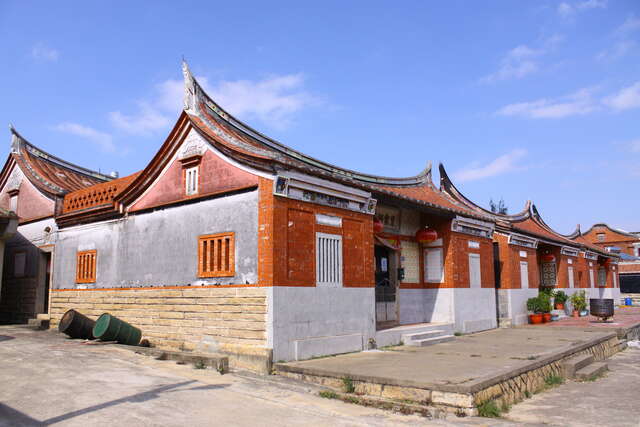
Huang Xianxian Six-Route Mansion
金沙鎮 · Historic Sites
Huang Xianxian was born in the mid-Qianlong reign. His father served as an Imperial Secretary, and his descendants later achieved notable success through trade in Southeast Asia. The Huang residence is a Minnan-style building with five bays and double side-wings on both the left and right, known as the Six-Route Mansion. Its front and rear sections are linked by a continuous swallowtail ridge and a hard-gable horseback roof, while the facade features finely carved wooden lattice panels and the water-riding walls are decorated with painted and cut-paper motifs of flowers, birds, fortune, and prosperity, all of which reflect the wealth of overseas Kinmen families and the aspiration to honor their ancestors.