Guningtou Battle Museum
Taiwan · Kinmen County · Jinning Township · Nature & Scenery
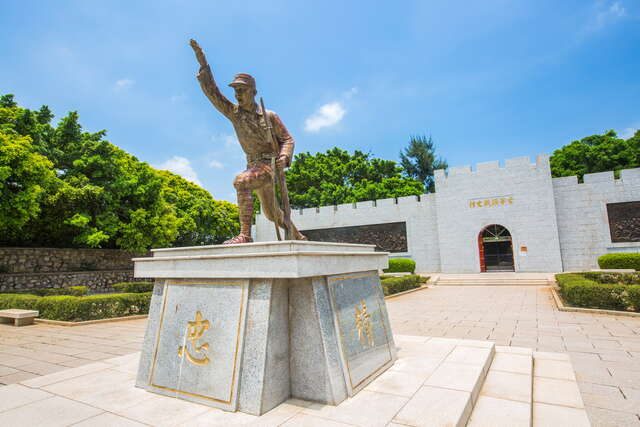
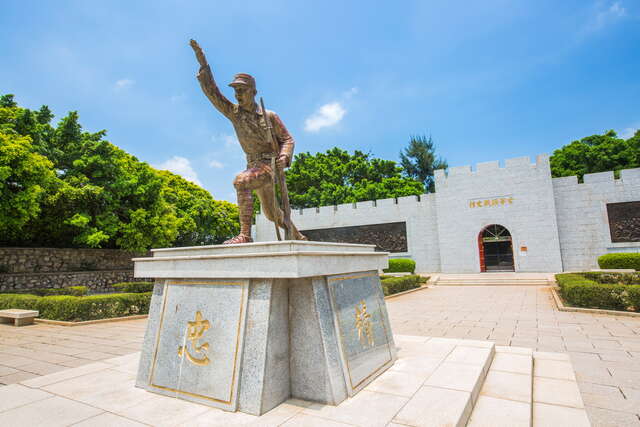
Image source: Taiwan_Opendata; license credits as shown.
Overview
The Guningtou Battle Museum was established in 1984 by the Commander of the Kinmen Defense Command, Song Xinlian, to commemorate the Guningtou Battle, which determined the standoff between the two sides of the Taiwan Strait. After the Kinmen Defense Command transferred management to the Kinmen National Park, it reopened in 2001. The museum primarily features 13 large oil paintings that depict the events of the Guningtou Battle.
Highlights
The Guningtou Battle Museum is a military history museum dedicated to the 1949 Guningtou Battle, using oil paintings, artifacts, and multimedia to recreate the significant battle that influenced the situation across the Taiwan Strait. The building is designed to resemble an ancient castle, complemented by a tank and a statue of a hero in front, creating a strong battlefield atmosphere, making it suitable for travelers who wish to gain a deeper understanding of Kinmen's modern military and cross-strait history. Admission is free, and the museum offers scheduled film screenings and guided tours, making it an ideal choice for rainy days and family or educational trips.
What to See
1. Ancient Castle Appearance and "Guningtou Battlefield" Imagery The exterior of the Guningtou Battle Museum is designed to resemble an ancient castle, symbolizing the defensive structures and frontline outposts of the battlefield. The surrounding area is where the Guningtou Battle took place, forming a complete memory of the battlefield along with the surrounding landscape. 2. Statue of Combat Heroes and "Kinmen Bear" Tank In front of the museum stands a statue of combat heroes, showcasing the brave and fearless image of the soldiers defending Kinmen. On both sides are displayed the "Kinmen Bear" M5A1 tanks that participated in the Guningtou Battle, becoming a focal point for tourists to take photos and feel the battlefield atmosphere. 3. Large Oil Painting Exhibition Area of the Guningtou Battle Inside the museum, over ten large oil paintings vividly depict the process of the Guningtou Battle from landing, combat to victory. The images are dynamic and the narrative is coherent, making it the core exhibition area for understanding the overall picture and timeline of the battle. Some paintings have special visual effects that create a three-dimensional feel from different angles as viewers move, enhancing the viewing experience. 4. Display of War Trophies, Weapons, and Military Equipment The exhibition area displays weapons, ammunition, and various military equipment left from the battle, allowing travelers to closely observe the scale of military supplies at that time. Accompanied by textual explanations, it helps in understanding the tactical applications and developments of the battle. 5. Operational Documents and Commander Visual Materials The museum exhibits operational documents, military orders, official documents, and photographs of the commanding officers from that time, presenting the decision-making process and the operation of the command system. This is particularly valuable for travelers researching the Chinese Civil War and cross-strait military history. 6. Multimedia Film "The Guningtou Battle" The museum screens a multimedia film titled "The Guningtou Battle" lasting about 13 minutes, which concisely introduces the background, combat situation, and subsequent impacts of the battle through images and narration. It is the best way for first-time visitors to quickly understand the context of the Guningtou Battle. 7. Guided Tour Services On-site, there are reservation and scheduled guided tour services provided by professionals who lead visitors through the various exhibition areas, explaining the actual battlefield locations. This helps to connect the exhibits inside the museum with the outdoor battlefield landscape, making the historical context clearer and more vivid.
Travel Tips
The Guningtou Battle Museum is a free indoor exhibition space, usually open during fixed hours. It is advisable to check official announcements regarding maintenance or temporary closures before visiting to avoid disappointment. The museum is well air-conditioned, making it suitable for summer visits or rainy day itineraries. Plan to spend at least 1 hour for a visit, and if you include films and guided tours, it is recommended to allocate more than 2 hours. Wear comfortable, easy-to-walk shoes, as you can also explore nearby battlefield sites and old settlements, making walking and photography more enjoyable. Those interested in military history may want to read a brief background on the Guningtou Battle beforehand for better understanding of the exhibits; if traveling with school-aged children, it is advisable to discuss themes of war and peace in advance to make the visit an educational experience. The museum has parking space and provides accessible ramps and restrooms, making it easier for elderly visitors and those with mobility issues to plan their trip. During the visit, it is recommended to keep noise levels down, avoid touching exhibits, or climbing on tanks to maintain safety and a respectful atmosphere. The overall location is not far from other popular attractions in Kinmen, allowing for a half-day to full-day cultural route that includes places like Cihu, beaches, and old settlements.