Hung Shing Temple, Tai Kok Tsui
Hong Kong · Hong Kong · Kowloon · Yau Tsim Mong District · Landmarks
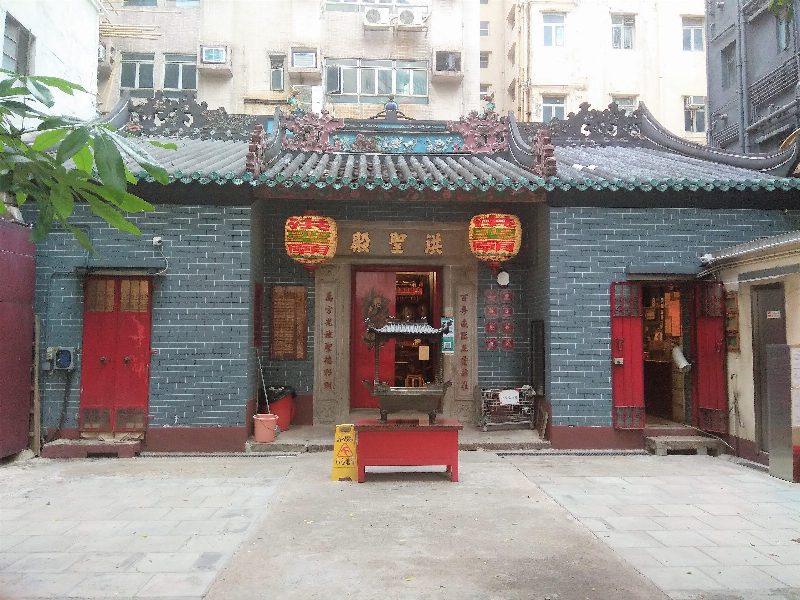
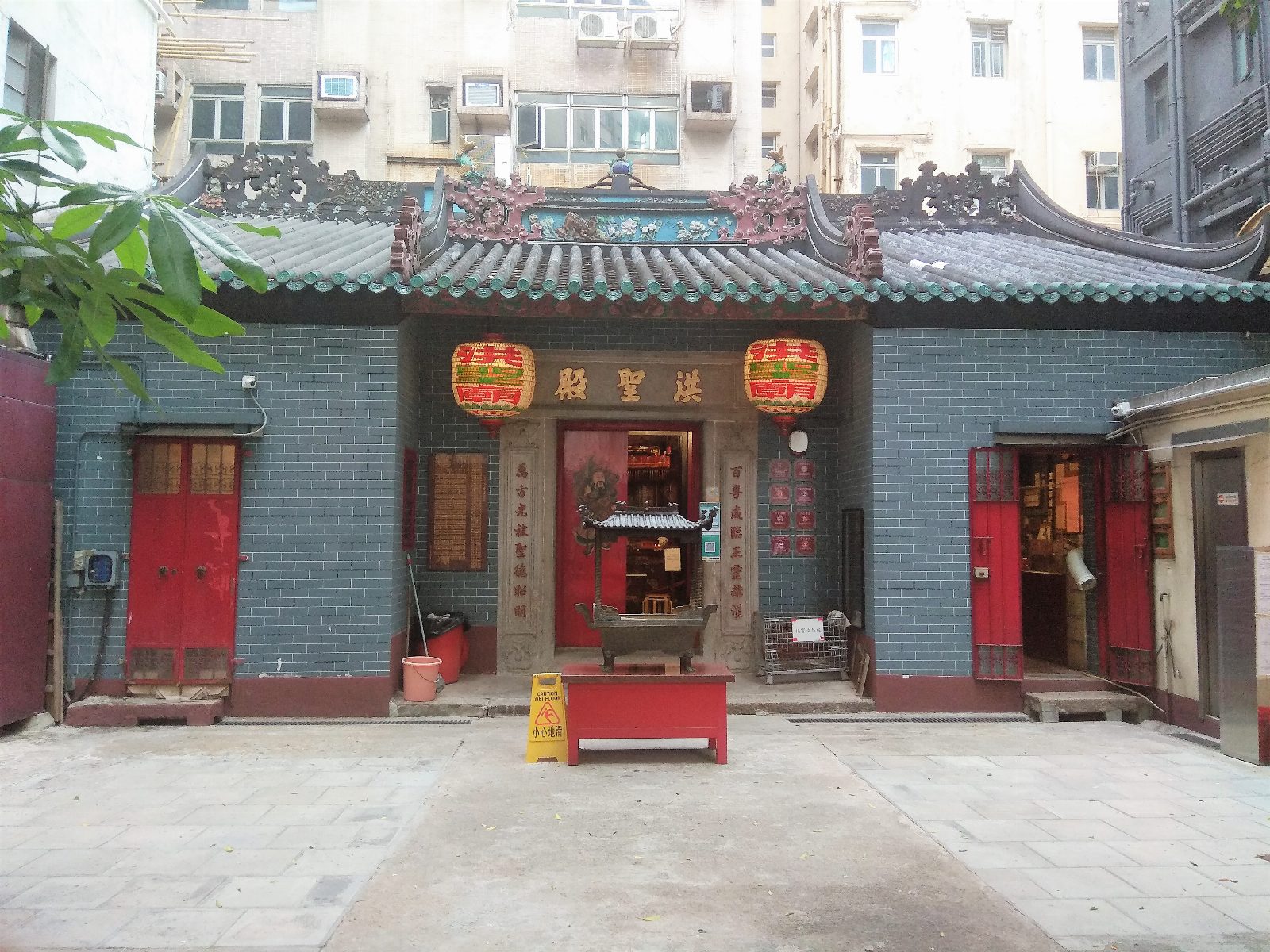
Image source: Wikimedia Commons; license credits as shown.
Overview
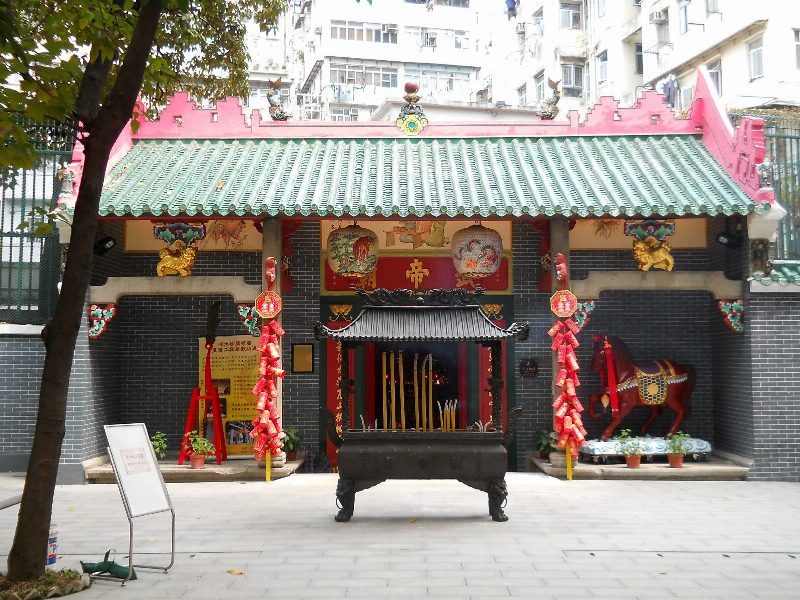
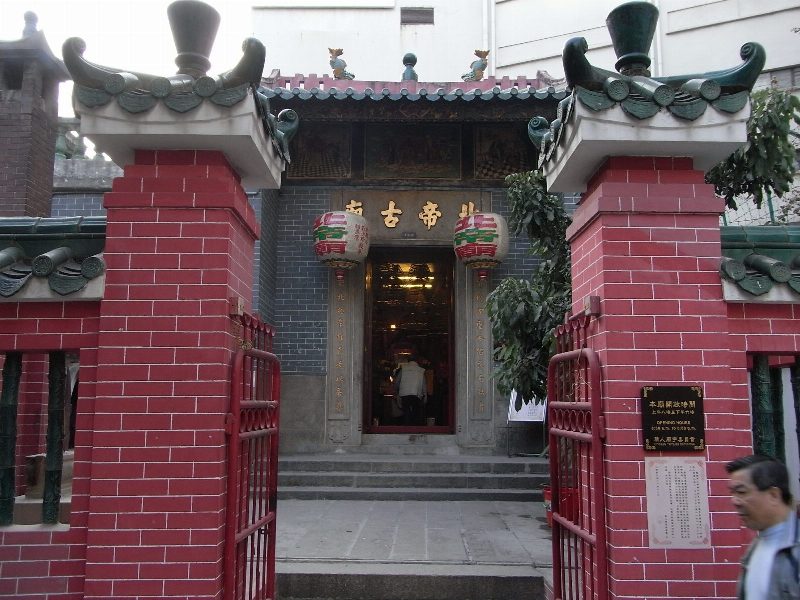
Hung Shing Temple in Tai Kok Tsui is the only temple in Kowloon dedicated to the sea god Hung Shing, and it is also recognized as a Grade III historic building in Hong Kong. The temple was originally built in the seventh year of the Guangxu era of the Qing Dynasty (1881) and was relocated to its current site in 1930 due to community redevelopment. It remains an important place of faith and community culture in Tai Kok Tsui. In addition to the main deity Hung Shing, the temple also houses other deities such as Guanyin and Wong Tai Sin, attracting local residents and tourists to come and pay their respects while experiencing the charm of the old district. Every year on the 13th day of the second lunar month, the Hung Shing Festival and the "Tai Kok Tsui Temple Fair" organized by the Mong Kok Neighborhood Association add to the festive atmosphere in the area.
Getting There
To reach Hung Shing Temple in Tai Kok Tsui, you can take the MTR to either "Olympic Station" or "Mong Kok Station," and then walk about 10 to 15 minutes to the vicinity of Fuk Chuen Street. You can also take a bus or minibus and get off near "Fuk Chuen Street," then walk a few minutes following the signposts. The Hong Kong Transport Department's "Hong Kong Journey Easy" platform can assist in planning the best route.
Highlights
Hung Shing Temple in Tai Kok Tsui is a temple with over a hundred years of history, preserving a bronze bell from the Qing Dynasty and a restoration plaque, witnessing the transformation of Tai Kok Tsui from a fishing village to an urban community. As the only temple in Kowloon dedicated to Hung Shing, the temple features traditional Lingnan architectural styles, wood carvings, and deity statues, showcasing local folk beliefs and sea god culture in Hong Kong. The Hung Shing Festival on the 13th day of the second lunar month and the "Tai Kok Tsui Temple Fair" held since 2005 attract large crowds of citizens and tourists, allowing them to experience the most authentic neighborhood festive atmosphere. The temple is bustling with incense offerings, creating a solemn yet friendly atmosphere, making it a great place to experience traditional beliefs and the warmth of the old district amidst the busy urban setting.
What to See
Inside Hung Shing Temple, there is a bronze bell cast in the seventh year of the Guangxu era (1881), which is an important testament to the temple's history and one of the artifacts that tourists often pay attention to. The main deity worshipped in the temple is "Hung Shing Guang Li Da Wang," with a thriving incense offering in front of the altar. The walls and beams are decorated with traditional wood carvings and paintings, showcasing the typical Cantonese temple style. The side halls and niches on both sides house various deities such as Wong Tai Sin, Guanyin, Dizang, North Emperor, He Xian Gu, Nuwa, Bao Gong, and Zhun Ti, reflecting the diverse and overlapping folk beliefs in Hong Kong. The area in front of the temple retains the atmosphere of the old district, and visitors can stroll along Fuk Chuen Street and nearby community streets to feel the urban texture of Tai Kok Tsui as it transforms from a fishing port to a mixed residential and commercial area.
Hours & Admission
Hung Shing Temple in Tai Kok Tsui is an open temple, generally accessible to the public during the day. Devotees and tourists often visit to offer incense from morning until dusk. There is no fixed admission fee to enter the temple; usually, donations in the form of incense oil are made to support the temple's maintenance and daily expenses. During the Hung Shing Festival on the 13th day of the second lunar month and the "Tai Kok Tsui Temple Fair," the temple may be more crowded, and there may be simple crowd control during certain rituals or activities, so it is advisable to allow more time for queuing and visiting. If there are special maintenance works or pandemic situations, the opening hours may be adjusted, so it is recommended to check the latest announcements from Tung Wah Group of Hospitals or relevant organizations before your visit.
Address
58-60 Fuk Chuen Street, Tai Kok Tsui, Kowloon, Hong Kong
Travel Tips
It is recommended to visit Hung Shing Temple in Tai Kok Tsui on weekdays or in the mornings when there are no festivals, as the crowds are relatively smaller, allowing for a more leisurely appreciation of the temple's architecture and artifacts. The atmosphere is most lively during the Hung Shing Festival in mid-February and the "Tai Kok Tsui Temple Fair," which is suitable for travelers who enjoy traditional festivals and neighborhood culture, but be prepared to face crowds and a noisier environment. When entering the temple, it is advisable to dress modestly and lower your speaking volume. Avoid using strong flash when taking photos and respect the worshippers. If you need to take close-up photos of the niches, you may first consult the temple staff for permission. The temple is located in a mature old district, with convenience stores, snack shops, and multiple bus routes nearby, making it advisable to combine visits with Mong Kok, West Kowloon, and other itineraries to save transportation time.
Nearby Dining
The area surrounding Hung Shing Temple in Tai Kok Tsui consists of traditional residential buildings and old streets, featuring many local tea restaurants and snack shops, perfect for tasting local delicacies such as Hong Kong-style milk tea, pineapple buns, and wonton noodles. Although the temple itself does not have dedicated dining facilities, you can reach major roads like Tai Kok Tsui Road and Cherry Street within a few minutes' walk, where various styles of Hong Kong fast food restaurants and casual cafes are available at relatively affordable prices. The nearby Olympic Station shopping mall area also gathers restaurants offering international cuisine and chain coffee brands, providing a comfortable dining environment with air conditioning, making it a suitable spot for refreshments before or after your visit.
FAQ
Q: Who is the main deity worshipped at Hung Shing Temple in Tai Kok Tsui? A: Hung Shing Temple primarily worships the sea god "Hung Shing Guang Li Da Wang" and also houses various Chinese folk and Taoist deities. The main altar is dedicated to Hung Shing, where devotees come to pray for safety, good weather, and success in their careers. The side halls and niches house Wong Tai Sin, Guanyin, Dizang, North Emperor, He Xian Gu, Nuwa, Bao Gong, and Zhun Ti, reflecting the characteristic of "one temple with multiple deities" in Hong Kong's traditional beliefs. Q: What is the historical background of Hung Shing Temple in Tai Kok Tsui? A: Hung Shing Temple was originally built in the seventh year of the Guangxu era (1881), with the original temple located in the Fuk Chuen area at the intersection of Boundary Street and Tai Kok Tsui Road. Due to the government's reconstruction of Fuk Chuen in 1928, the temple was relocated to its current site on Fuk Chuen Street in 1930, and to commemorate the original village, the street in front of the temple was named "Fuk Chuen Street." It is currently managed by Tung Wah Group of Hospitals and was rated as a Grade III historic building in 2010. Q: How can I take public transportation to Hung Shing Temple in Tai Kok Tsui? A: To reach Hung Shing Temple, you can take the MTR to "Olympic Station" or "Mong Kok Station," then walk about 10 to 15 minutes along Tai Kok Tsui Road or nearby streets to reach 58-60 Fuk Chuen Street. Alternatively, you can take a bus or minibus and get off near "Fuk Chuen Street" or Tai Kok Tsui, then follow the signposts or use a mobile map to walk a few minutes to arrive. You can also use the Transport Department's "Hong Kong Journey Easy" website and app to find the most suitable route. Q: Is there an admission fee to visit Hung Shing Temple in Tai Kok Tsui? A: Generally, there is no admission fee to visit Hung Shing Temple, as it is a community temple open to the public. Devotees usually support the temple's operations and maintenance with voluntary donations of incense oil. During large celebrations or special events, entry is mostly free, but some offerings or participation in rituals may incur additional costs, and details can be inquired from the temple staff on-site. Q: What special festive activities are held at Hung Shing Temple in Tai Kok Tsui? A: The most important festival at Hung Shing Temple is the Hung Shing Festival on the 13th day of the second lunar month, which used to involve lively birthday ceremonies and neighborhood celebrations. Since 2005, the Mong Kok Neighborhood Association has organized the "Tai Kok Tsui Temple Fair" centered around the temple, featuring stalls, food, and performances, attracting many citizens and tourists to visit, take photos, and pay their respects. Q: What other attractions can be visited nearby? A: Near Hung Shing Temple, you can combine visits to the old district streets of Tai Kok Tsui, the seaside promenade, and the shopping mall near Olympic Station for a half-day or full-day itinerary, experiencing the blend of new and old community features. Since it is close to Mong Kok and Yau Ma Tei, you can also arrange shopping, night market snacks, or visit attractions in the West Kowloon Cultural District, experiencing religious culture, local life, and urban landscapes all at once.