Sham Shui Po Kwan Tai Temple
Hong Kong · Hong Kong · Kowloon · Sham Shui Po District · Landmarks
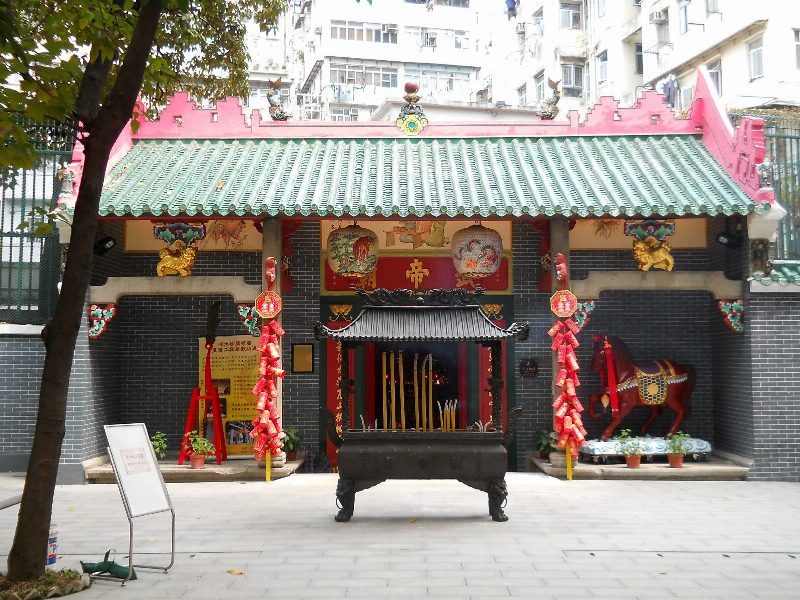
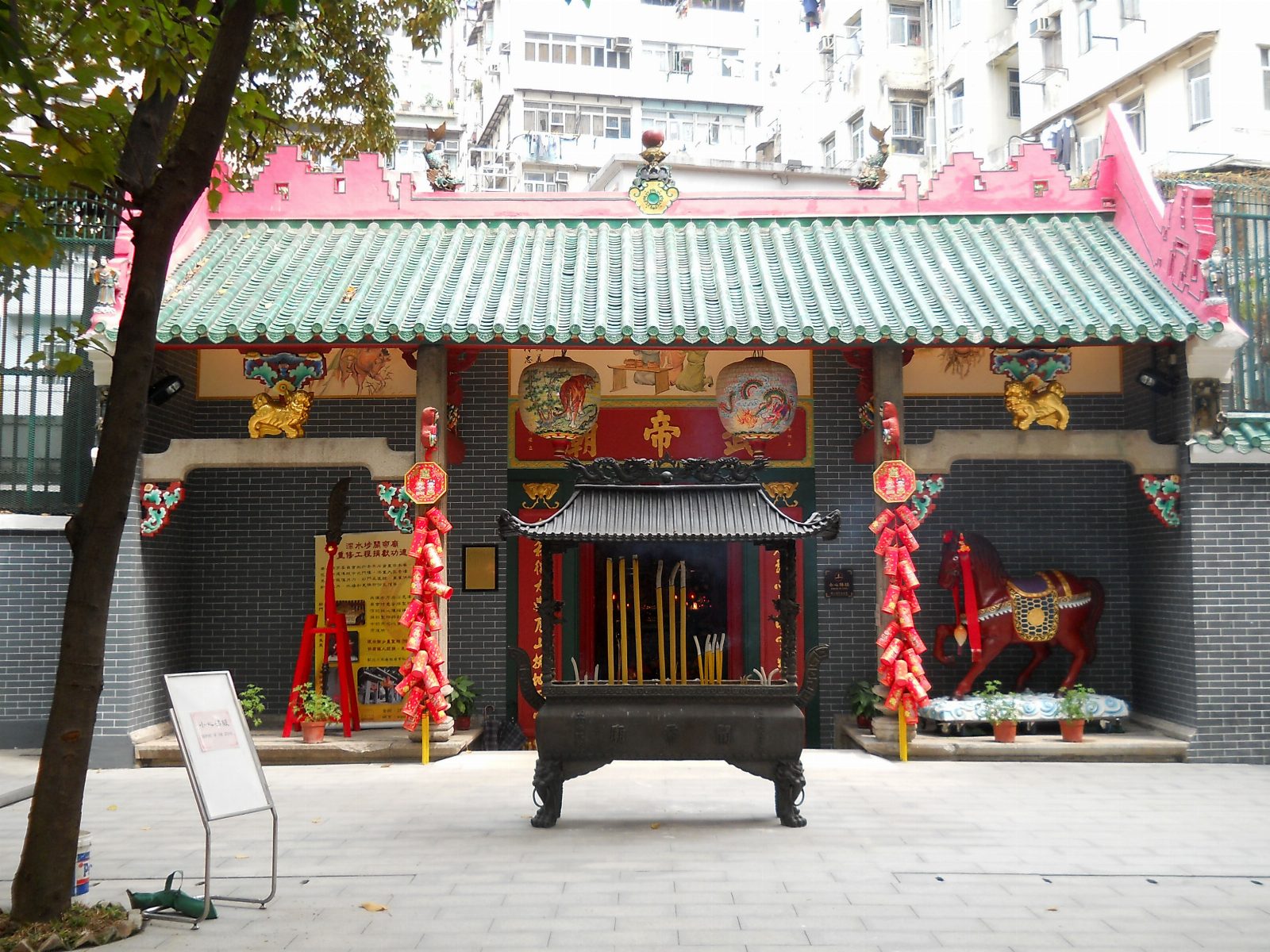
Image source: Wikimedia Commons; license credits as shown.
Overview
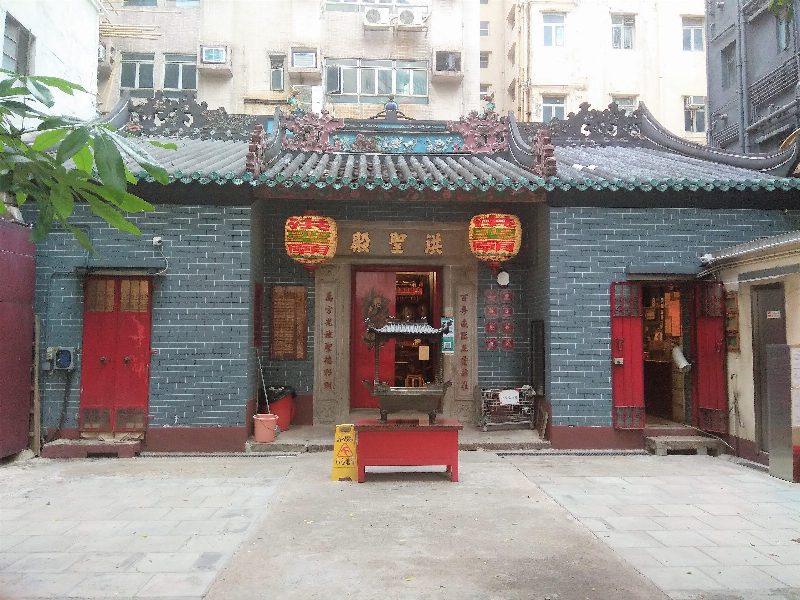
Sham Shui Po Kwan Tai Temple is the only traditional temple in Kowloon dedicated primarily to Kwan Tai, and it is also one of Hong Kong's legally designated Grade II historic buildings. The temple was built in the 17th year of the Guangxu era of the Qing Dynasty (1891), originally named Wu Di Temple. Today, it is renowned for its solemn Chinese architectural style, garden layout, and vibrant worship culture. In front of the main hall, there is a garden and a drum platform, housing an ancient bell cast in the 17th year of Guangxu and an altar, showcasing the late Qing society's reverence for loyalty and righteousness. On the 24th day of the sixth lunar month, the birthday of Kwan Tai, devotees gather in large numbers, creating a lively atmosphere, making it a great place to learn about local folk beliefs.
Getting There
To reach Sham Shui Po Kwan Tai Temple, take the MTR to Sham Shui Po Station and walk about 15 minutes from Exit A2. You can also use buses, minibuses, and other public transport to the Sham Shui Po area, then walk to the temple located on Hoi Tan Street following the signs.
Highlights
The most distinctive feature of Sham Shui Po Kwan Tai Temple is that it is the only temple in Kowloon primarily dedicated to Kwan Tai, embodying the local community's and merchants' belief in loyalty and righteousness. The temple adopts a two-entry, three-bay courtyard layout, with a garden-style front yard, a hip roof, and a drum platform, filled with Lingnan religious architectural style. Inside the hall, Kwan Tai, Prince Kwan Ping, General Zhou Cheng, and various deities are worshipped, showcasing the coexistence of Hong Kong's diverse folk beliefs. During the annual Kwan Tai's birthday, Prince Kwan Ping's birthday, and the Ullambana Festival, the temple is bustling with incense offerings, making it a great time to experience traditional festivals and community culture.
What to See
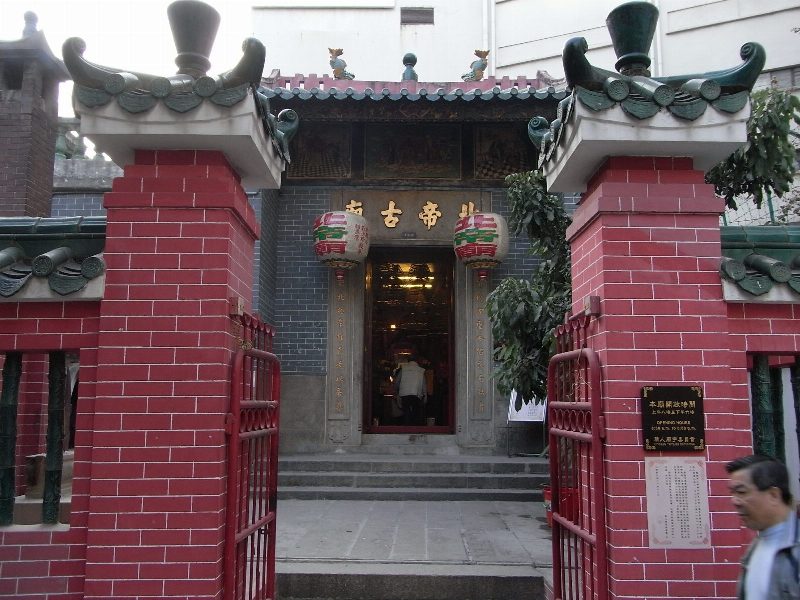
Main points of interest include: 1. Main Hall and Altar: The main hall primarily worships Kwan Tai, with a majestic and solemn statue, continuous incense offerings, and a front altar displaying various offerings, serving as the core space for devotees to pray for blessings. 2. Ancient Bell and Altar: The temple preserves an ancient bell cast in the 17th year of Guangxu (1891) and a traditional altar, witnessing the temple's construction era and over a century of incense history. 3. Front Yard Garden and Drum Platform: The main hall is equipped with a small garden and drum platforms on both sides, allowing natural light to enter the courtyard, enhancing the tranquil atmosphere and highlighting the temple's grandeur. 4. Altars of Other Deities: In addition to Kwan Tai, the temple also worships Prince Kwan Ping, General Zhou Cheng, Master Zhu Li, Emperor Wenchang, Judge Bao, Guanyin, Doumu Yuanjun, and the Sixty Tai Sui, allowing devotees to pray to each according to their needs. 5. Entrance and Architectural Details: The entrance features a corridor-style design, a hip roof, and a straight ridge, complemented by decorative couplets and painted decorations, showcasing the beauty of traditional craftsmanship.
Hours & Admission
Sham Shui Po Kwan Tai Temple is generally open daily from 8 AM to 6 PM, making it convenient for devotees and tourists to visit and worship during the day. Admission is generally free, and visitors can donate incense oil or make contributions electronically at their discretion to support temple maintenance. During important festivals like Kwan Tai's birthday and the Ullambana Festival, the temple may experience higher foot traffic, so it is advisable to visit early and pay attention to the latest arrangements announced by the local Chinese temple committee.
Address
152 to 162 Hoi Tan Street, Sham Shui Po, Kowloon
Travel Tips
It is recommended to visit Sham Shui Po Kwan Tai Temple during the daytime, aligning with opening hours and nearby street markets and old district exploration, to better experience the traditional community atmosphere of Sham Shui Po. On the 24th day of the sixth lunar month (Kwan Tai's birthday), the 13th day of the fifth lunar month (Prince Kwan Ping's birthday), and during the Ullambana Festival in the seventh lunar month, there will be many worshippers, creating a festive atmosphere, but it may be crowded, so more time should be allocated. When entering the temple, it is advisable to dress modestly, maintain silence inside the hall, and avoid loud talking or taking photos that may disturb worshippers. If close-up photography of the deities or rituals is needed, it is best to politely ask staff or worshippers first. It is recommended to bring a small amount of cash for incense oil donations, and also pay attention to the electronic payment methods posted on-site. The Sham Shui Po area is rich in food options, allowing visitors to combine temple visits with local street snacks, flea markets, and computer malls for a more enriching journey.
Nearby Dining
The Sham Shui Po area near Kwan Tai Temple is famous for its concentration of affordable local delicacies, ranging from traditional tea restaurants to street snacks. Visitors can enjoy Hong Kong-style milk tea, pineapple buns, and instant noodles at nearby tea restaurants before or after their visit, or try local snacks like fish balls and beef offal at street-side shops to experience local flavors. The nearby areas of Apliu Street and Pei Ho Street also have several well-known dessert shops and congee and noodle restaurants, making them perfect for a quick visit to enjoy the fun of 'street sweeping.' For coffee or light meals, Sham Shui Po has seen a rise in small coffee shops and trendy restaurants in recent years, allowing for a blend of temple culture and exploration of the old and new neighborhoods.
FAQ
Q: What are the opening hours of Sham Shui Po Kwan Tai Temple? A: Sham Shui Po Kwan Tai Temple is generally open daily from 8 AM to 6 PM, suitable for daytime visits for worship and sightseeing. During festivals or special arrangements, opening hours may be slightly adjusted due to crowd management or rituals, so it is advisable to check the announcements from the Chinese temple committee or on-site before heading out. Q: What is the most convenient way to get to Sham Shui Po Kwan Tai Temple? A: The most convenient way to reach Sham Shui Po Kwan Tai Temple is to take the MTR to Sham Shui Po Station and walk about 15 minutes from Exit A2 to the temple located at 152 to 162 Hoi Tan Street. You can also use buses or minibuses to the Sham Shui Po area, then follow signs or maps to walk there, or use official tools like 'Hong Kong Travel Easy' to search for suitable routes. Q: Is there an admission fee for Sham Shui Po Kwan Tai Temple? A: Generally, there is no need to purchase tickets to visit Sham Shui Po Kwan Tai Temple; admission is free, as it is a traditional religious site open to the public. Visitors and worshippers can donate incense oil or funds at their discretion in the donation box, and some donations can also be completed electronically via QR codes. Q: Which deity is primarily worshipped at Sham Shui Po Kwan Tai Temple? A: Sham Shui Po Kwan Tai Temple primarily worships Kwan Yu, a famous general from the Shu Han during the Three Kingdoms period, known as Kwan Tai in later generations, symbolizing loyalty and righteousness. Additionally, the temple also worships Prince Kwan Ping, General Zhou Cheng, Master Zhu Li, Emperor Wenchang, Judge Bao, Guanyin, Doumu Yuanjun, and the Sixty Tai Sui, allowing worshippers to pray to the relevant deities according to their needs for wealth, education, and peace. Q: What important festivals or activities are held at Sham Shui Po Kwan Tai Temple? A: The most important festivals at Sham Shui Po Kwan Tai Temple include Kwan Tai's birthday on the 24th day of the sixth lunar month, Prince Kwan Ping's birthday on the 13th day of the fifth lunar month, and the Ullambana Festival held in the seventh lunar month. During these times, the temple is bustling with incense offerings and crowds, and activities such as chanting, rituals, and community-related events may take place, making it a great time to experience Hong Kong's traditional folk beliefs and festive atmosphere, but it is also necessary to be mindful of the crowds and weather conditions. Q: Is Sham Shui Po Kwan Tai Temple suitable for photography and visiting? What etiquette should be observed? A: Sham Shui Po Kwan Tai Temple, with its historically valuable Chinese architecture and garden layout, is very suitable for visitors who love religious culture and ancient architecture to explore and take photos. When photographing inside the hall, avoid using flash and try not to take close-up shots of the deities; if in doubt, consult staff or worshippers first. Maintain silence, dress neatly, and pay attention to safety when lighting incense; do not casually touch offerings and ritual items, and respect local religious etiquette.