Jinsha Reservoir
Taiwan · Kinmen County · Jinsha Township · Nature & Scenery
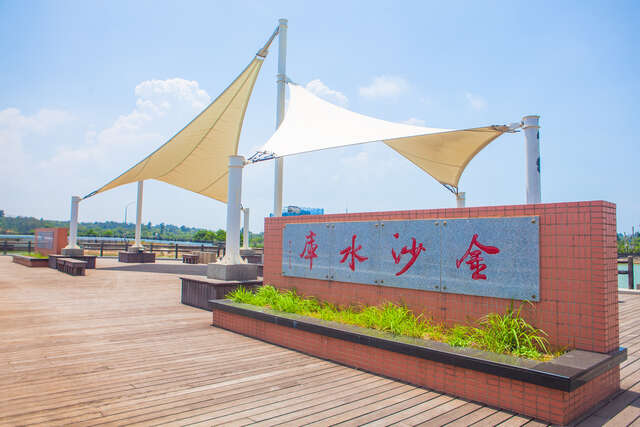
Image source: Taiwan_Opendata; license credits as shown.
Overview
Jinsha Reservoir is one of the winter habitats for migratory waterfowl in Kinmen, where numerous species such as the Red-necked Duck, Red-breasted Duck, Little Grebe, and Mandarin Duck can be found each winter, along with dozens of Bean Geese passing through.
Highlights
Jinsha Reservoir is an important winter habitat for migratory waterfowl in Kinmen, where large numbers of geese and migratory birds gather every winter. Birdwatching is the main feature here, with common sightings of Red-necked Ducks, Red-breasted Ducks, Little Grebes, and Mandarin Ducks, as well as dozens of Bean Geese passing through. The winter birdwatching season in Kinmen usually extends until spring, making Jinsha Reservoir one of the must-visit birdwatching spots in Greater Kinmen.
What to See
- **Winter Goose Flocks**: Observe Red-necked Ducks, Red-breasted Ducks, Little Grebes, and Mandarin Ducks engaging in activities in the water. - **Passing Bean Geese**: Each winter, dozens of Bean Geese can be seen passing through, making this one of the important birdwatching highlights. - **Reservoir Habitat Landscape**: The area around the reservoir provides a suitable environment for waterbirds to inhabit and forage, ideal for birdwatching activities.
Travel Tips
- **Best Season**: Winter is the most suitable time to visit, as this is when the number of migratory birds is at its peak. - **Best Times**: Early morning and late afternoon are usually the best times to see waterbirds active; to enhance observation opportunities, plan visits during these times. - **What to Bring**: It is recommended to bring binoculars, a telephoto camera, a windproof jacket, and comfortable shoes for standing for long periods, facilitating extended observation. - **Itinerary Planning**: Consider planning visits to other birdwatching spots in Kinmen, such as Cihu, Wujiang River Mouth, and Taihu, to create a full-day or half-day birdwatching route.
FAQ
Q: What can be primarily observed at Jinsha Reservoir? A: Jinsha Reservoir is primarily for observing winter waterfowl and migratory birds, commonly including Red-necked Ducks, Red-breasted Ducks, Little Grebes, and Mandarin Ducks, as well as Bean Geese passing through. Q: What season is best to visit Jinsha Reservoir? A: Winter is the best time to visit, as this is the main period for migratory birds in Kinmen, providing the richest birdwatching experience. Q: What type of travelers is it suitable for? A: Jinsha Reservoir is suitable for travelers who enjoy birdwatching, nature observation, and relaxed outdoor activities, as well as families or novice birdwatchers looking for a short visit. Q: What other attractions can be visited along with Jinsha Reservoir? A: It can be arranged with other birdwatching locations in Kinmen, such as Cihu, Wujiang River Mouth, Taihu, Guanao, Pubian, Yangshan, and Lingshui Lake.