Ronghu
Taiwan · Kinmen County · Jinsha Township · Nature & Scenery
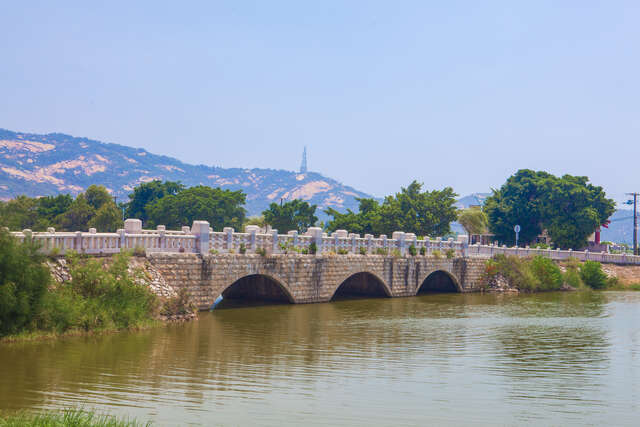
Image source: Taiwan_Opendata; license credits as shown.
Overview
Ronghu is an artificial lake formed by the diversion of the Jinsha River, built in 1972, and is one of the five major lakes in Kinmen. The lakeside is lined with windbreak trees and features small pavilions and arch bridges, with the Dongmei Pavilion, built in memory of the philosopher Fang Dongmei, and the Huxiao Bridge spanning the center of the lake being the most prominent. On the southern bank, there is a famous wind lion god, characterized by its large eyes and wide mouth, which adds a charming touch.
Highlights
Ronghu is an artificial lake formed by the diversion of the Jinsha River and is one of the five major lakes in Kinmen. The lakeside is filled with windbreak trees and adorned with small pavilions and arch bridges, creating a serene atmosphere perfect for walking and enjoying the scenery. The area is highlighted by the Dongmei Pavilion, commemorating the philosopher Fang Dongmei, and the Huxiao Bridge that spans the center of the lake, combining cultural significance with the beautiful lake scenery, making it an important recreational park and photo spot in Jinsha Township. The southern bank, known as Houshuitou, features a whimsical wind lion god, creating a unique landscape that blends lake views, religious beliefs, and local customs.
What to See
1. Dongmei Pavilion: The Dongmei Pavilion is a lakeside pavilion built to commemorate the philosopher Fang Dongmei and is one of the most representative landmarks of Ronghu. Visitors can walk along the path to the pavilion to closely admire the lake view, experiencing the intertwining of culture and nature, and take photos with the pavilion as a backdrop. 2. Huxiao Bridge: Huxiao Bridge is an arch bridge that spans the center of Ronghu, with elegant lines, serving as an important connection between the lakeside paths and viewing points. Walking on the bridge offers a panoramic view of the lake and the windbreak trees, making it a popular spot for morning and evening strolls and photography. 3. Lakeside Windbreak Tree Path: The windbreak trees planted along the lakeside create a shaded path, allowing visitors to enjoy the lake view while feeling the sea breeze and the shadows of the trees during their walks. This is a common route for local residents to engage in leisure activities. The changing light in different seasons also adds layers of color to the lake and tree scenery. 4. Water Birds and Natural Ecology: Ronghu is a gathering point for water birds, making it a spot for birdwatching in Kinmen. During the winter migratory season, the lake and its shores become vibrant with life, making it suitable for nature lovers and photographers to observe. 5. Southern Bank Houshuitou Wind Lion God: On the southern bank of Ronghu, there is a well-known wind lion god with a charmingly whimsical appearance, characterized by its large eyes and wide mouth. Travelers can visit and take photos, experiencing the local folk belief culture of the wind lion god warding off evil spirits, and combine it with the lakeside scenery for a pleasant walking route.
Address
890 Kinmen County, Jinsha Township, near the intersection of Huan Dao North Road Section 4 and Chenggong Road Phone: (08)2318823
Travel Tips
Ronghu can be visited year-round, with the mild climate being most suitable for leisurely walks and photography by the lakeside. It is recommended to visit in the morning or evening when the light is soft and the temperature is more comfortable, making it easier to capture reflections and beautiful lake scenery. When enjoying the views around the lake and bridges, be sure to watch your step and ensure the safety of children, avoiding getting too close to the water's edge to prevent accidents. It is advisable to wear comfortable shoes for a leisurely stroll along the lakeside paths and to stop for photos; in summer, bring hats, sunscreen, and water, while in winter, pay attention to wind protection and warmth. Ronghu is close to other attractions in Jinsha Township, making it possible to arrange a half-day or full-day trip that includes nearby villages, military sites, and wind lion god visits.
FAQ
Q: How long should I plan to stay at Ronghu? A: The main activities at Ronghu are walking along the lakeside, enjoying the scenery, and taking photos, so a stay of about 30 minutes to 1 hour is generally sufficient to appreciate the lake's beauty and cultural features. If combined with birdwatching, photography, or visiting nearby villages and wind lion gods, the visit can be extended to a half-day itinerary, adjusted according to personal pace. Q: Are there water activities or swimming allowed at Ronghu? A: Ronghu is an artificial lake formed by diversion and is an important water area, not primarily for water recreation. It is recommended to only walk along the shore to enjoy the scenery, avoiding swimming or lingering too close to the water. There have been reports of drowning incidents in the area, so travelers should maintain a safe distance and take care of elderly companions and children, avoiding running or climbing on railings near the shore for safe enjoyment of the lake views. Q: What nearby attractions can be visited along with Ronghu? A: Ronghu is located in Jinsha Township, Kinmen County. In addition to the lakeside Dongmei Pavilion, Huxiao Bridge, and windbreak tree path, the southern bank Houshuitou also features a whimsical wind lion god for photo opportunities. It can be combined with other attractions in Jinsha Township, such as villages, military historical sites, and natural spots, creating a walking route that blends culture and nature. Q: What season or time of day is best to visit Ronghu for the scenery? A: Ronghu offers different scenery in all four seasons, with autumn and winter being the best times to observe water bird activities on the lake and its shores, suitable for nature enthusiasts. The most popular times of day are early morning and evening, whether for walking, jogging, or photographing the changing light on the lake, as it is more comfortable and the visuals are softer.