Kameido Tenjin Shrine
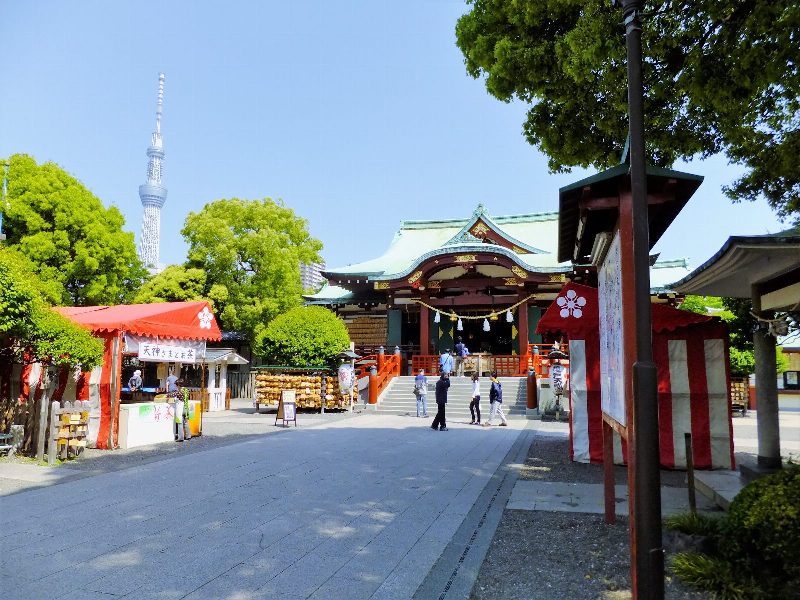
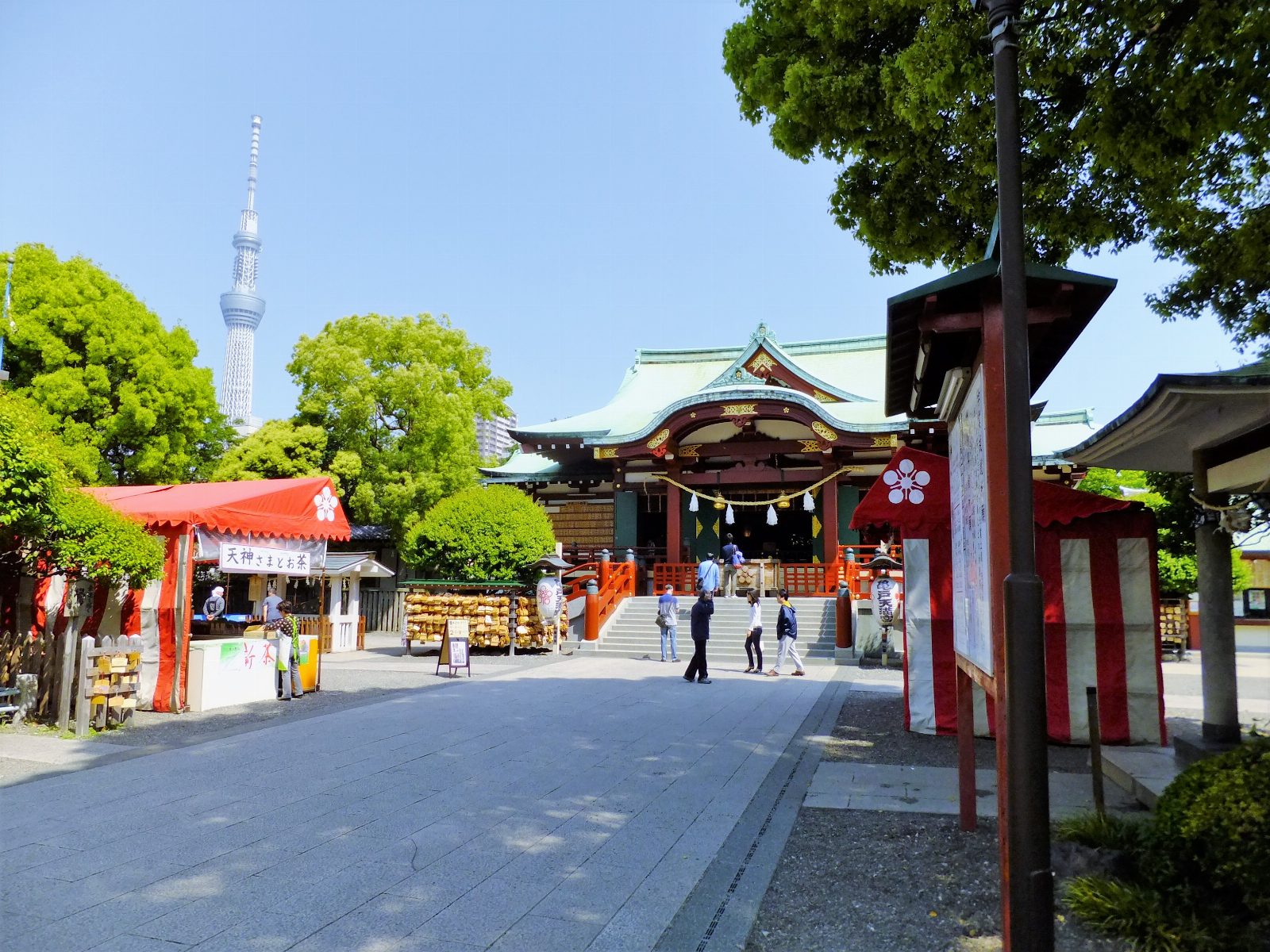
Image source: Wikimedia Commons; license credits as shown.
Overview
Kameido Tenjin Shrine is a famous shrine located in Kameido, Koto Ward, Tokyo, dedicated to Sugawara no Michizane, the deity of learning. It is listed as one of the 'Ten Shrines of Tokyo'. The shrine was built in imitation of Dazaifu Tenmangu in Kyushu, featuring the Heart-Shaped Pond and the Taiko Bridge. It is also known as 'Hana Shrine' or 'Eastern Dazaifu', famous for its plum blossoms, wisteria, and chrysanthemums. Every year, the Plum Blossom Festival and Wisteria Festival are held from late winter to spring, and the Chrysanthemum Festival takes place in autumn, making it a popular spot for flower viewing and academic success prayers. It is about a 15-minute walk from JR Kameido Station or Kinshicho Station, and entry is free.
Getting There
The most convenient way to reach Kameido Tenjin Shrine is to take the JR Sobu Line or the Tokyo Metro Hanzomon Line and then walk for about 15 minutes. From the north exit of JR Sobu Line 'Kameido' Station or the north exit of JR Sobu Line/Hanzomon Line 'Kinshicho' Station, follow the signs for about 15 minutes to reach the shrine entrance; you can also take the Toei Bus to 'Kameido Tenjin Mae' Station, which is right at the shrine.
Highlights
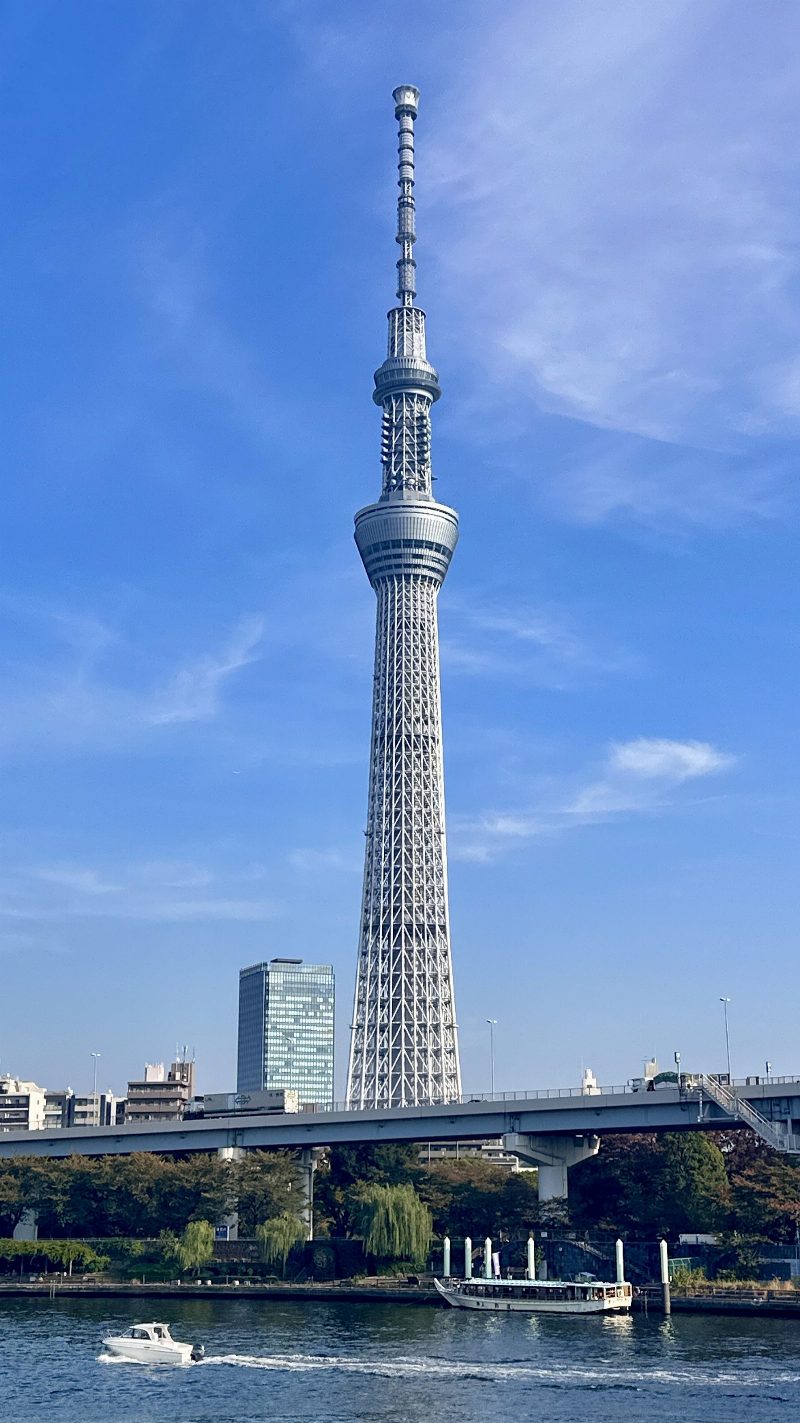
The biggest feature of Kameido Tenjin Shrine is its dedication to Sugawara no Michizane, revered as the 'God of Learning', making it especially popular among students and parents praying for exam success and academic progress. The shrine is built in the style of Dazaifu Tenmangu in Kyushu, featuring the Heart-Shaped Pond, red Taiko Bridge, and corridors, creating an elegant Japanese garden landscape. It has been selected as one of the 'New Tokyo 100 Views' and is also a famous subject in Utagawa Hiroshige's ukiyo-e series 'One Hundred Views of Edo'. The shrine is also known as 'Hana Shrine', with plum blossoms blooming from February to March, wisteria from mid-April to early May, and chrysanthemums in autumn, making it an excellent flower viewing destination year-round. During the wisteria season, the wisteria, Heart-Shaped Pond, Taiko Bridge, and the distant Tokyo Skytree create a popular photography spot.
What to See
1. Main Hall and Gate: The main hall and solemn gate, built in imitation of Dazaifu Tenmangu, are the core places for worship and prayers for academic success, bustling with visitors. 2. Heart-Shaped Pond and Taiko Bridge: The pond shaped like a 'heart' paired with two red Taiko Bridges is the most representative landscape of Kameido Tenjin Shrine, surrounded by plum trees and wisteria trellises, especially romantic in spring. 3. Plum Garden: The shrine has about 250 plum trees, and the Plum Blossom Festival is held from early February to early March, creating a sea of white and red plum blossoms, making it a well-known plum viewing spot in Tokyo. 4. Wisteria Trellis: There are about 100 wisteria plants in the shrine, and the 'Wisteria Festival' is held from mid to late April, with flower clusters hanging by the pond, complemented by the Taiko Bridge and reflections on the water, creating a dreamy scene. Temporary stalls and night illuminations are also common during this period. 5. Chrysanthemum Exhibition and Seasonal Festivals: The Chrysanthemum Festival is held in autumn, showcasing various shaped chrysanthemums, while the 'Kuzukata Shinto Ritual' on January 24 and 25, the annual festival on August 25, and the grand festival held every four years showcase the lively atmosphere of downtown festivals.
Hours & Admission
Visitors can freely explore Kameido Tenjin Shrine without an admission fee, and it is open year-round, making it suitable for visits at any time. General visiting hours are approximately from 6:00 AM to 5:00 PM, while the office for purchasing amulets and prayers operates from around 8:00 or 8:30 AM to 5:00 PM, and prayer acceptance is from 9:00 AM to 4:00 PM, with actual hours subject to the shrine's announcements. During events like the Wisteria Festival, some nights may have illuminations until around 9:00 PM, so it is recommended to check the official website or social media for event details and timings before visiting.
Address
3-6-1 Kameido, Koto City, Tokyo, Japan (Postal Code 136-0071)
Travel Tips
When visiting Kameido Tenjin Shrine for flower viewing, it is recommended to plan your visit according to the seasons: February to March is for plum blossoms, mid to late April is the best time for wisteria, and October to November is suitable for viewing chrysanthemums. The Wisteria Festival and weekends can be crowded, especially during the day for flower viewing and photographing the Skytree, so it is advisable to arrive early in the morning or choose to visit in the evening during illumination for a different atmosphere. The shrine is well-known for blessing students, and you can purchase academic success amulets or write wishes on ema boards to hang in designated areas. The grounds consist mainly of stone steps and gravel paths, so wearing comfortable shoes is recommended; during festivals and flower seasons, there are stalls selling snacks and souvenirs, so prepare cash for purchases. Nearby, you can also explore the Kinshicho shopping district and the Skytree area, making it suitable for a half-day to full-day downtown walking route.
Nearby Dining
There are plenty of dining options around Kameido and Kinshicho, ranging from affordable snacks to izakayas and cafes. The Kameido area is famous for grilled skewers and downtown cuisine, with small shops offering Japanese set meals, ramen, and coffee desserts within a few minutes' walk from the shrine, perfect for dining or resting before or after your visit. During flower festivals, there are often temporary stalls selling Japanese snacks, takoyaki, grilled squid, and desserts, allowing you to enjoy the flowers while tasting local flavors. If you wish to explore more restaurant and shopping options, you can walk or take a train one stop to the department stores and food streets around Kinshicho Station.
FAQ
Q: What is Kameido Tenjin Shrine most famous for? A: Kameido Tenjin Shrine is most famous for its dedication to Sugawara no Michizane, the God of Learning, and its seasonal flower displays, especially the Plum Blossom and Wisteria Festivals. The shrine is also known as 'Hana Shrine', with the Plum Blossom Festival in February to March, the Wisteria Festival from mid-April to early May, and the Chrysanthemum Exhibition in autumn, making it a well-known flower viewing destination in Tokyo and a popular shrine for students praying for success. Q: What is the easiest way to get to Kameido Tenjin Shrine? A: The easiest way to get to Kameido Tenjin Shrine is to take the JR Sobu Line or the Tokyo Metro Hanzomon Line and then walk for about 15 minutes. You can get off at the north exit of JR Sobu Line 'Kameido' Station or the north exit of JR Sobu Line/Hanzomon Line 'Kinshicho' Station, and follow the signs for about 15 minutes to reach the shrine, or take the Toei Bus to 'Kameido Tenjin Mae' Station, which is right at the shrine entrance. Q: Is there an admission fee for Kameido Tenjin Shrine? A: Kameido Tenjin Shrine is free to visit, with no admission fee. General visiting hours are approximately from 6:00 AM to 5:00 PM, while the office hours for prayers and amulets may vary slightly. Special festivals or night illuminations may extend opening hours, with details subject to official announcements. Q: When is the best time to visit Kameido Tenjin Shrine for flower viewing? A: The best recommended times for flower viewing at Kameido Tenjin Shrine are during the Plum Blossom season from February to March and the Wisteria season from mid-April to early May. The Plum Blossom Festival is held from early February to early March, with about 250 plum trees blooming; the Wisteria Festival is from mid to late April, with around 100 wisteria plants blooming by the pond. If you want to avoid crowds, consider visiting on weekday mornings. Q: Can you photograph the Skytree from Kameido Tenjin Shrine? A: You can capture views of the Tokyo Skytree framed with wisteria or the Taiko Bridge within Kameido Tenjin Shrine. Especially during the Wisteria Festival, taking photos near the Heart-Shaped Pond with hanging wisteria and the red Taiko Bridge in the foreground and the towering Skytree in the background is a favorite composition among photography enthusiasts.