Kōtō-ji Temple
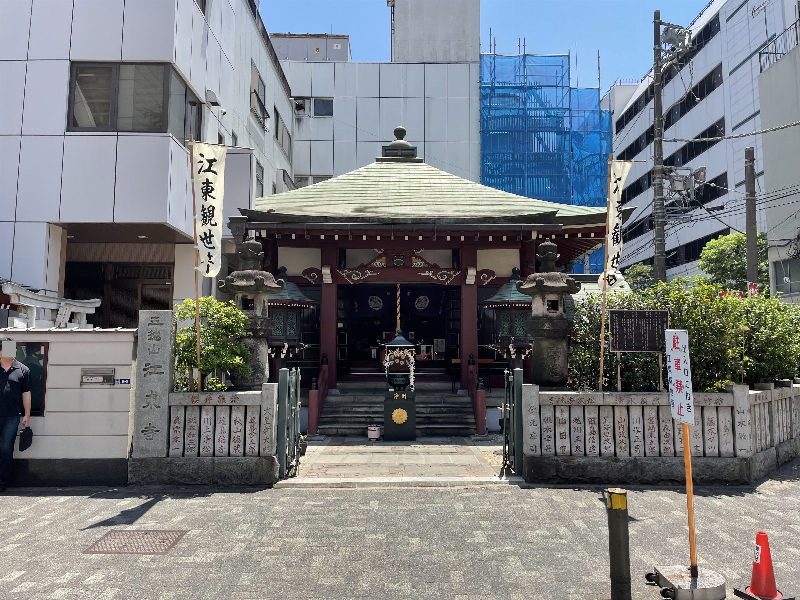
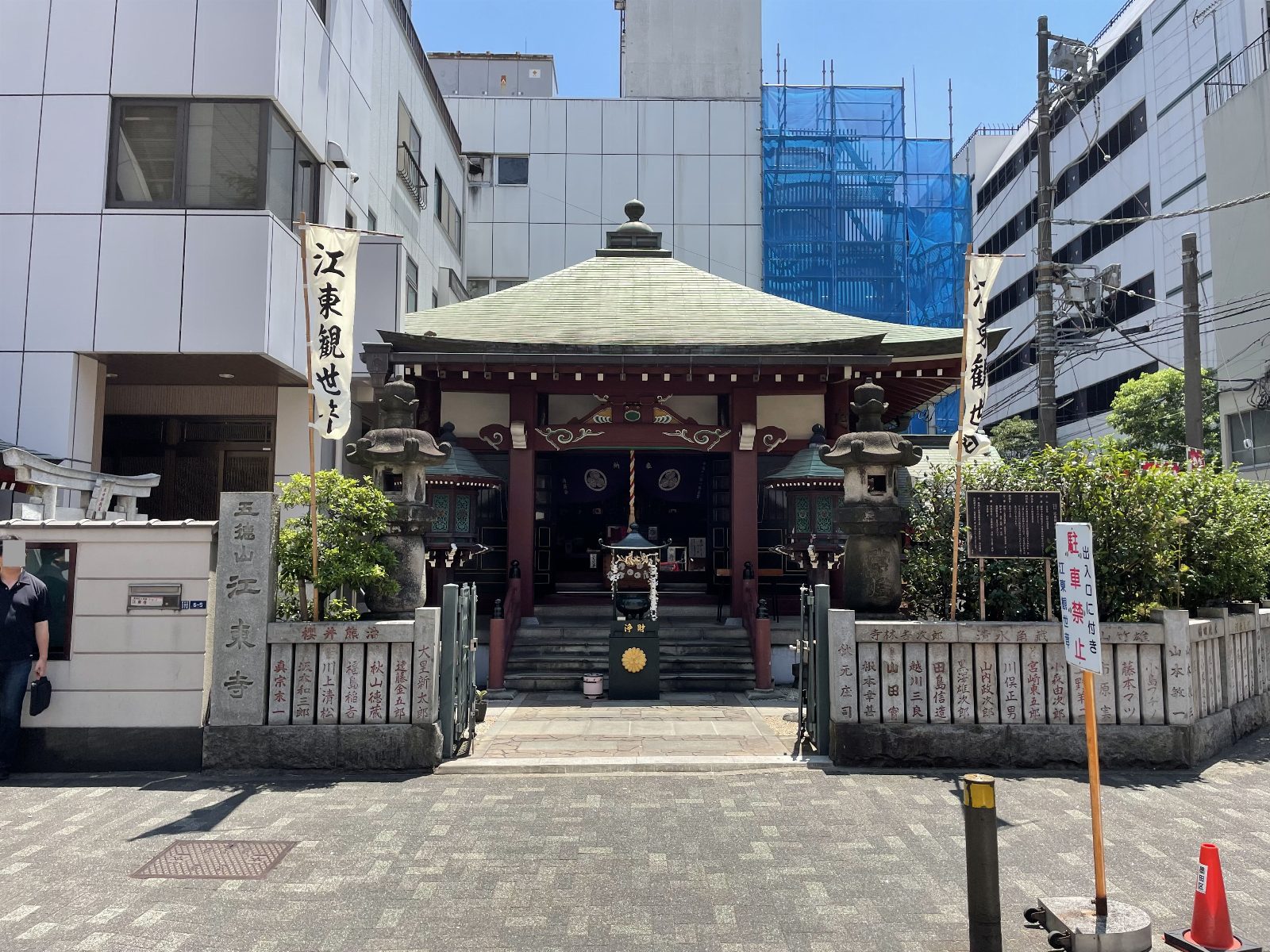
Image source: Wikimedia Commons; license credits as shown.
Overview
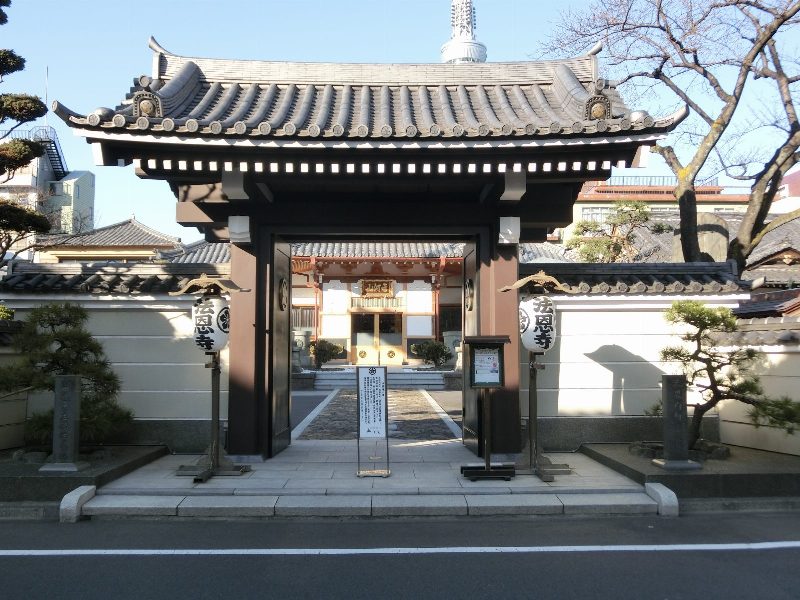
Kōtō-ji Temple is a Tendai Buddhist temple located in the Kōtōbashi area of Sumida, Tokyo, near the commercial district of Kinshichō. Although the temple grounds are not large, it enshrines Kannon and features a memorial stone, Inari shrine, and Jizō statue, serving as a place of quiet faith amidst the urban bustle. The temple is also known as 'Kōtō Kannon' and has long been a site for local residents to come and pray for disaster relief and safe childbirth.
Getting There
From JR Sobu Line / Tokyo Metro Hanzomon Line 'Kinshichō Station', it takes about 5 to 7 minutes on foot to reach Kōtō-ji Temple from the south exit. After exiting, head straight along the shopping street towards Kōtōbashi 3-chōme. The area in front of the temple is mostly regular roads, so it is recommended to walk or bike there. For those driving, nearby paid parking is available.
Highlights
Kōtō-ji Temple is a small urban Buddhist temple known for enshrining Kannon, making it a center of faith for local residents in the Kinshichō area. Although the space inside the temple is limited, it houses the main hall, Kiyoshō Inari, Jizō statue, and various memorial stones, creating a strong atmosphere of local popular faith. Situated between bustling commercial areas and office buildings, the temple provides travelers with a space to temporarily escape the noise and engage in quiet worship, making it an ideal stop to combine with shopping or dining in Kinshichō.
What to See
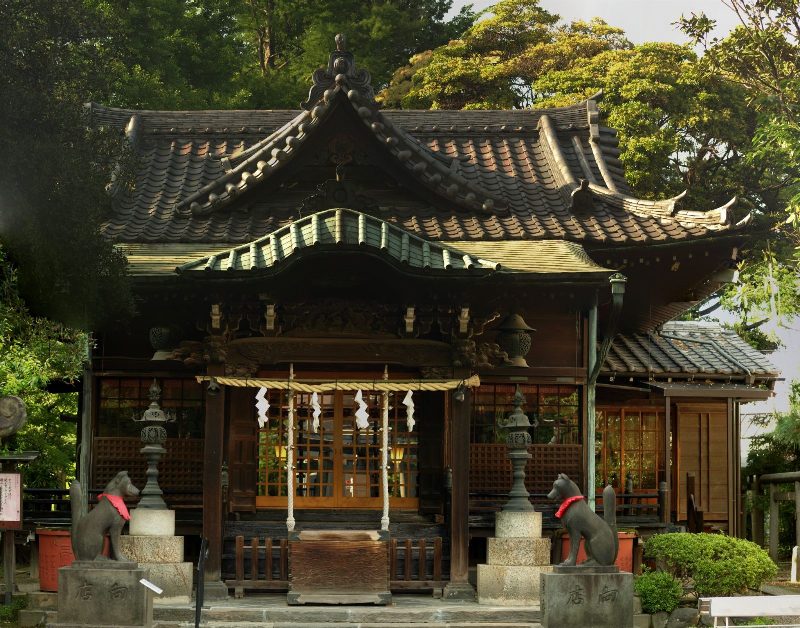
・Main Hall: The core building of Kōtō-ji Temple, enshrining Kannon, is bustling with incense offerings, where many residents come to pray for peace, health, and safety at home. ・Kōtō Kannon: The alternative name of the temple, serving as a focal point for Kannon worship, is known for its efficacy in disaster relief, safe childbirth, and various wishes, highly regarded by local believers. ・Kiyoshō Inari: A small Inari shrine within the temple grounds, famous for protecting business prosperity, home safety, and traffic safety, often visited by office workers and shop owners seeking blessings. ・Jizō Statue: Enshrining Jizō, who protects children and travelers, this statue is adorned with many small offerings and windmills from devotees, presenting a warm and simple scene of faith. ・Memorial Stones and Monuments: The temple grounds feature several memorial stones and monuments dedicated to the deceased from wars or various disasters, creating a solemn atmosphere that reflects the temple's deep history and community connections.
Hours & Admission
Kōtō-ji Temple is a typical urban Buddhist temple, usually open during the day for worshippers and visitors without an admission fee. Specific opening hours are not clearly announced, so it is recommended to visit between morning and evening to avoid disturbing temple activities during early morning or night. Special ceremonies or rituals are often announced in Japanese within the temple or through community notices; those wishing to participate can inquire at local tourist information centers or accommodation front desks for the latest information.
Address
Japan 〒130-0022 Tokyo, Sumida, Kōtōbashi 3-6-5
Travel Tips
Kōtō-ji Temple is located within the commercial area near the south exit of Kinshichō Station, making it suitable for a brief stop during shopping, dining, or accommodation itineraries. The temple is relatively small, so a stay of about 15 to 30 minutes is recommended. When taking photos, be mindful not to disturb worshippers and respect areas where photography is prohibited. There are no strict dress codes, but it is advisable to wear neat clothing and avoid overly revealing attire to show respect for the religious site. The pleasant climate in spring and autumn makes it the best season to combine nearby walks with temple visits. On rainy days, the roads in front of the temple may be slightly slippery, so please watch your step.
Nearby Dining
The area around Kinshichō Station is famous for its food scene on the eastern side of Tokyo, offering a wide range of options from izakayas and ramen shops to cafes and department store food streets, all within a 5 to 10-minute walk from Kōtō-ji Temple. Travelers looking for a casual dining experience can head to the shopping centers and restaurants in the station building near the south exit, which offer various choices including Japanese home-cooked dishes, sushi, and coffee desserts, making it perfect for a meal or a break before or after visiting the temple. For those who enjoy a local atmosphere, there are also long-established izakayas and set meal shops in the nearby alleys, allowing visitors to experience the local dining culture after work.
FAQ
Q: Is Kōtō-ji Temple a shrine or a temple? A: Kōtō-ji Temple is a Buddhist temple belonging to the Tendai sect, not a shrine, primarily enshrining Kannon and serving urban popular faith functions. The temple also features small shrines and statues such as Inari and Jizō, reflecting the common Japanese practice of syncretism between Shinto and Buddhism and local faith characteristics. Q: Is there an admission fee to visit Kōtō-ji Temple? A: Generally, there is no admission fee to visit Kōtō-ji Temple, and travelers can freely enter for worship and a short stay during the day. In case of special ceremonies or rituals, some areas may have restrictions or require prior permission, so it is advisable to follow the temple's instructions on-site. Q: What is the nearest station to Kōtō-ji Temple? A: The nearest station to Kōtō-ji Temple is 'Kinshichō Station' on the JR Sobu Line and Tokyo Metro Hanzomon Line, which is about a 5 to 7-minute walk from the south exit to the Kōtōbashi 3-chōme area where the temple is located. After exiting, walk towards Kōtōbashi, following the shopping street and office building area, and pay attention to the temple signs along the road or use a mobile map for convenience. Q: Is Kōtō-ji Temple worth a special visit as a tourist attraction? A: Kōtō-ji Temple is more suitable as a small stop for worship while exploring the surrounding Kinshichō area rather than a large tourist temple requiring a long stay. If you are shopping, dining, or staying at a nearby hotel in Kinshichō, it is definitely worth taking a short time to experience the local faith atmosphere in this urban residential area. Q: Are there any etiquette to observe when worshipping at Kōtō-ji Temple? A: When worshipping at Kōtō-ji Temple, it is recommended to maintain silence and avoid loud noises. Before taking photos, check for any signs prohibiting photography, and avoid pointing the camera at worshippers or indoor statues. Upon entering the temple, a simple bow at the entrance is appreciated, and during worship, follow the general Japanese temple etiquette of offering incense and praying with hands together, with the offering of incense money being at one's discretion.