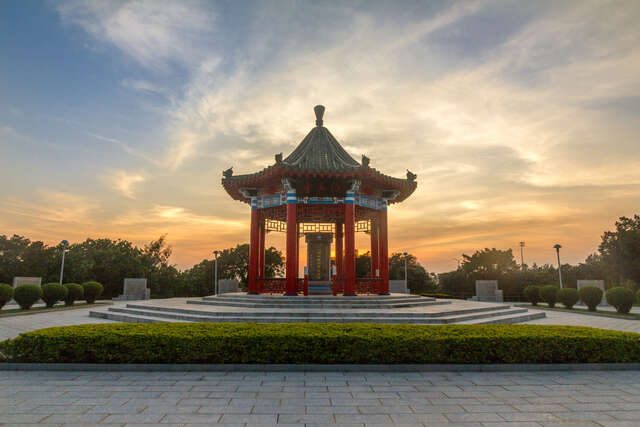
Lion Fortress
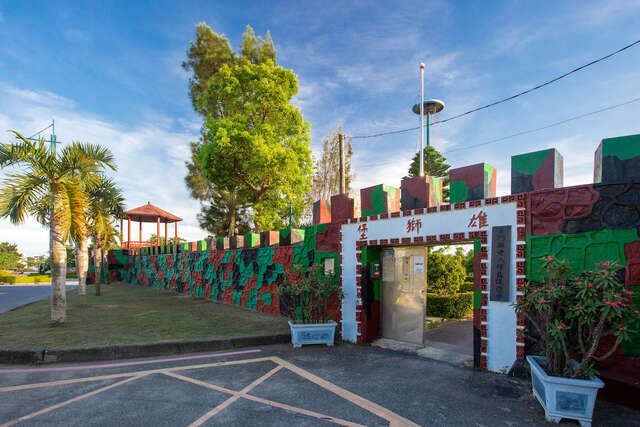
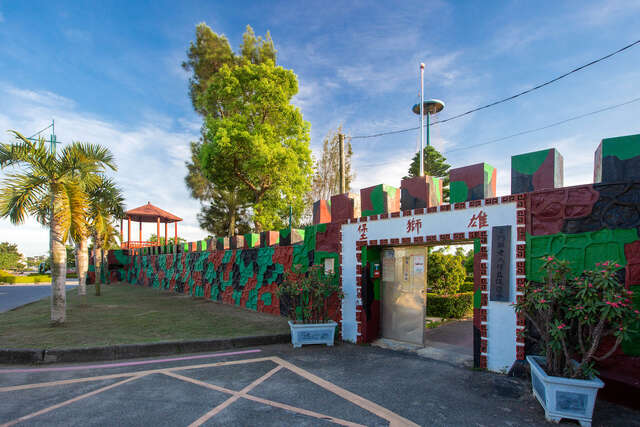
Image source: Taiwan_Opendata; license credits as shown.
Overview
Lion Fortress is located on the right side of the Wujang River estuary, directly in front of the Fujian Provincial Government. This area was originally a ferry terminal known as 'Tong'an Ferry', which has been historically significant. The coastal area connects from the seaside to the high ground outside the west gate of Jincheng (now the site of Kinmen High School), and it also served as a cemetery.
Highlights
Lion Fortress is a coastal defense site that combines battlefield relics with the history of an ancient ferry terminal. It is situated on the right side of the Wujang River estuary, in front of the Fujian Provincial Government, and was once an important ferry terminal for Houpou, known as 'Tong'an Ferry'. Today, it is a free historical building and a pleasant walking spot. The area used to connect from the seaside to the high ground outside the west gate of Jincheng (now Kinmen High School), which was once a burial ground and the site of a Mazu temple, embodying multiple historical layers of military, port, and folk beliefs, making it ideal for travelers interested in battlefield culture and local stories to explore in depth.
What to See
1. Coastal Military Fortifications and Bunker Group: Lion Fortress was established as a coastal defense site after the 1950s, consisting of multiple bunkers and lookout posts built according to the terrain. It features typical battlefield landscapes and camouflage appearances, making it an important site for understanding the history of Kinmen's battlefield. 2. Wujang River Estuary and Coastal Scenery: The site is located on the right side of the Wujang River estuary, near the coastal area of Jincheng, offering views of the estuary and coastline. It is a great spot for walking, enjoying the sea, and learning about port history. 3. Imagery of the Old Tong'an Ferry Site: Lion Fortress was originally the ferry terminal 'Tong'an Ferry' for Houpou. Visitors can imagine the bustling scenes of boats coming and going, fishermen, and merchants in the past, experiencing Kinmen's historical role as a maritime gateway. 4. Atmosphere of Houpou Port and Cemetery Ruins: The path from the seaside leads to the high ground where Kinmen High School is located, which was once a burial area and the living space around the port, adding a serene and story-rich historical atmosphere to the site. 5. Scenic Area Near the Fujian Provincial Government: Lion Fortress is located directly in front of the Fujian Provincial Government building, allowing visitors to combine a walking route that includes the provincial government, Jincheng Old Street, and coastal parks, experiencing Kinmen's unique positioning as a battlefield and 'provincial city'.
Address
34-1 Minquan Road, Jincheng Township, Kinmen County 893 Phone: (08) 2325057
Travel Tips
The most convenient way to visit Lion Fortress is usually to combine it with a walking or cycling tour around Jincheng Township, visiting the Fujian Provincial Government, Jincheng Old Street, and coastal attractions in one trip. It is recommended to allocate about half an hour to an hour for a leisurely stroll, taking photos, and reading the on-site explanations. Kinmen experiences strong sunlight in summer and significant northeast monsoons in winter, so it is advisable to prepare sunscreen, windbreakers, and plenty of water when visiting coastal sites for a more comfortable outdoor stay. There is a considerable temperature difference between day and night in Kinmen, so it's also good to bring a light jacket during the spring and autumn transitions. Lion Fortress is an open coastal military heritage site, and some areas may have uneven ground and steps. It is recommended to wear well-fitting, non-slip sports shoes or walking shoes, and to be cautious while walking, especially after rain when surfaces may be slippery. The site is currently free to visit and is a historical building. Please respect the atmosphere of the military and religious heritage sites during your visit, avoid climbing on structures or graffiti, and take your trash with you to maintain cleanliness in the environment. Lion Fortress is close to the bustling area of Jincheng, so it is advisable to use local buses, taxis, or rent scooters or bicycles to get there, and then walk to connect nearby attractions, saving time while enjoying the scenery along the way.
FAQ
Q: What is the main attraction of Lion Fortress? How much time should I allocate? A: The main attraction of Lion Fortress is the historical landscape of Kinmen's battlefield coastal defense site and the ancient ferry terminal 'Tong'an Ferry'. Typically, a stay of about half an hour is sufficient for a basic visit and stroll. Visitors can closely observe the coastal bunker ruins, the scenery of the Wujang River estuary, and learn about the multiple historical backgrounds of Houpou Port, cemeteries, and Mazu beliefs, making it a lightweight spot to understand Kinmen's battlefield and port culture. Q: Is there an entrance fee for Lion Fortress? What are the opening hours? A: Lion Fortress is currently a free attraction and is marked as an outdoor space open 24 hours a day. Since it is a coastal historical building and military site, it is recommended to visit during the daytime to early evening for safety and clearer views. If visiting at night, special attention should be paid to footing and personal safety. Q: How do I get to Lion Fortress? What else can I visit nearby? A: Lion Fortress is located on the right side of the Wujang River estuary in Jincheng Township, directly in front of the Fujian Provincial Government. It is very convenient to reach from the bustling area of Jincheng, whether by walking, cycling, or using local transportation. It is recommended to arrange a half-day or full-day itinerary that includes the Fujian Provincial Government, Jincheng Old Street, and Jincheng coastal recreational areas to experience Kinmen's battlefield charm and urban daily life. Q: Are there any special safety or etiquette considerations when visiting Lion Fortress? A: When visiting Lion Fortress, be aware that the coastal and military heritage site terrain may be uneven. It is advisable to wear comfortable shoes, avoid running or climbing on structures, and be especially cautious of slippery surfaces after rain. Since Lion Fortress carries historical memories of military defense, beliefs, and burials, it is recommended to visit with a respectful and quiet attitude, avoiding graffiti on structures and taking your trash with you.