Sarue Onshi Park
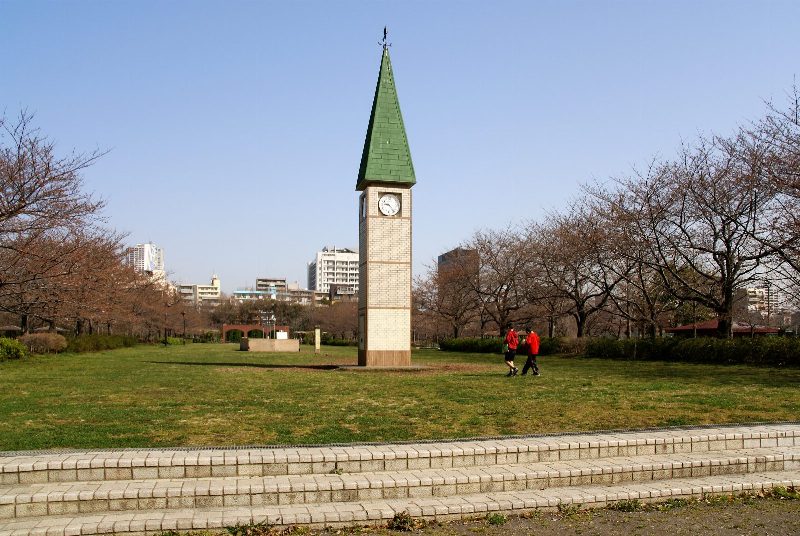
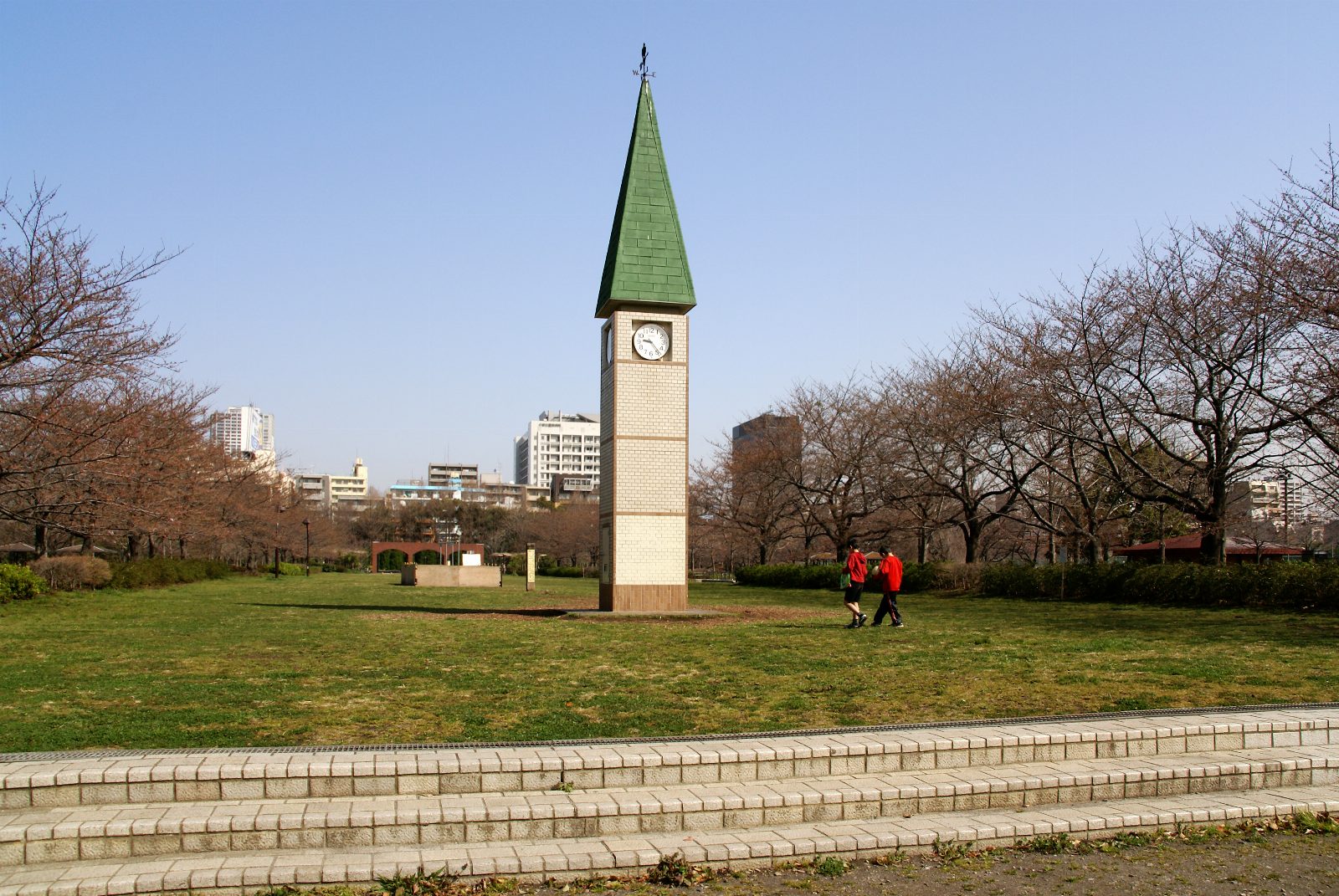
Image source: Wikimedia Commons; license credits as shown.
Overview
Sarue Onshi Park is a large metropolitan green park located in the Sumiyoshi and Mouri areas of Koto City, Tokyo. It was originally a lumber storage area during the Edo period and opened in 1932. The park covers approximately 14.5 hectares and is divided into a southern and northern garden by the Shindo Bridge. The southern garden features a Japanese garden and a baseball field, while the northern garden includes a plaza, playgrounds, and tennis courts. The park is home to over 200 cherry blossom trees, making it a famous spot for cherry blossom viewing in spring. It also has a splash pool and adventure playground, which are very popular with families. The park is conveniently located near Sumiyoshi Station on the subway, and admission is free year-round.
Getting There
The easiest way to get to Sarue Onshi Park is to take the Toei Subway Shinjuku Line or Tokyo Metro Hanzomon Line to 'Sumiyoshi' Station, and walk about 2 minutes from Exit A3 to reach the northern entrance of the park. Alternatively, you can walk about 15 minutes from the south exit of JR Sobu Line 'Kinshicho' Station to the park. There is no dedicated parking within the park, so it is recommended to use public transportation or nearby paid parking lots.
Highlights
The main feature of Sarue Onshi Park is the distinct atmosphere created by the division into southern and northern gardens by Shindo Bridge, allowing visitors to enjoy both sports facilities and tranquil gardens. The southern garden has a baseball field, a Japanese garden, and more serene green spaces, making it suitable for walking, picnicking, and sightseeing. The northern garden features multiple tennis courts, a central plaza, an adventure playground, and a splash pool open in summer, making it the most frequented area for families and sports enthusiasts. The park is richly planted with about 5,500 trees and over 200 Somei Yoshino, weeping cherry, and mountain cherry trees, making it a representative cherry blossom and flower viewing park in Koto City. The historical background as a lumber storage area allows the park to retain some waterfront and expansive grassy areas, combining historical memory with contemporary recreational functions.
What to See
The main attractions within the park include the expansive grassy areas and tree-lined paths distributed between the southern and northern gardens. The Japanese garden and water features in the southern garden create a tranquil atmosphere, perfect for photography and peaceful walks. The 'Central Plaza' and large grassy area in the northern garden are popular spots for events, kite flying, and picnics, with jogging and walking paths nearby that are favored by local residents. The 'Adventure Playground' features large composite play equipment, slides, and sand areas, making it a lively corner for young children to play freely. The summer-only 'Splash Pool' provides a shallow water area for children to cool off, complemented by nearby health plazas and simple exercise equipment, creating a recreational space suitable for all ages. Additionally, the cherry blossoms of Somei Yoshino and weeping cherry trees bloom from late March to early April, making it a famous cherry blossom viewing spot in Koto City, often frequented by residents and visitors who lay out picnic mats to enjoy the flowers.
Hours & Admission
Sarue Onshi Park is a metropolitan park that is generally open year-round for free admission, making it suitable for walking and jogging at any time. The park service center and some management facilities are open from approximately 8:30 AM to 5:30 PM daily, with closures from December 29 to January 3. Sports facilities such as the baseball and tennis courts require prior reservations and additional fees, which are subject to the announcements of the Tokyo Metropolitan Park Management System. The playground area and grassy plaza are freely accessible, while the splash pool is usually open only during specific periods in summer; it is recommended to check the official website for the latest announcements regarding opening dates and times.
Address
2 Chome, Sumiyoshi, Koto City, Tokyo, Japan (Service Center Address: 2-13-7 Mouri, Koto City, Tokyo, Postal Code 135-0001)
Travel Tips
The most popular season to visit Sarue Onshi Park is during the cherry blossom season from late March to early April, when about 200 Somei Yoshino and weeping cherry trees bloom simultaneously, making it a great time for photography and picnicking. In summer, bring a change of clothes and towels for children to enjoy the splash pool and plaza facilities in the northern garden, making it suitable for a half-day family outing. There is no parking within the park, and roads around the area can be congested on weekends and during the cherry blossom season, so it is recommended to take the subway to Sumiyoshi Station and walk to the park to save time. The grassy areas and paths are mostly open spaces, so it is advisable to bring hats, sunscreen, and picnic mats during strong sunlight in spring and autumn, and to avoid setting up tents or using open flames in prohibited areas. The park has public restrooms and drinking water facilities, but vending machines and shops are concentrated in the surrounding neighborhoods, so it is recommended to purchase drinks and light snacks in the Sumiyoshi or Kinshicho areas before entering the park.
Nearby Dining
The area surrounding Sarue Onshi Park is primarily residential and office districts, but there are several coffee shops, chain cafes, and casual dining options between Sumiyoshi Station and the park, making it suitable to grab a drink or take coffee into the park for a picnic. Around Kinshicho Station, there are large shopping malls and various restaurants including izakayas, ramen shops, and cafes, providing a wide range of dining options before or after a stroll. If parents are visiting with children, they can choose family restaurants or chain cafes near the station that offer children's seats and meals, then walk to the park for convenience in dining and restroom access. Although there are no formal restaurants within the park, it is ideal to bring your own bento, light snacks, and drinks to enjoy a picnic on the grass or under the cherry blossom trees, but please be sure to take your trash with you to keep the environment clean.
FAQ
Q: Is there an admission fee to enter Sarue Onshi Park? A: Admission to Sarue Onshi Park is free, and visitors can freely enter and exit the park for walking, jogging, and picnicking. The general grassy areas, paths, and playgrounds are all free to use, but sports facilities such as the baseball and tennis courts require prior reservations and payment of usage fees, which are subject to announcements by the Tokyo Park Association or management units. Q: What are the opening hours of Sarue Onshi Park? A: Sarue Onshi Park is generally open year-round, allowing activities during the day and evening. The park service center and some management facilities are open from approximately 8:30 AM to 5:30 PM, with closures from December 29 to January 3. If you need to make reservations for facilities or inquiries, it is recommended to visit or call during these hours. Q: How do I get to Sarue Onshi Park from Sumiyoshi Station? A: It takes about 2 minutes to walk from Sumiyoshi Station to Sarue Onshi Park, making it very convenient. After taking the Toei Subway Shinjuku Line or Tokyo Metro Hanzomon Line to 'Sumiyoshi' Station, exit from A3 and walk east along Shindo Bridge to reach the northern entrance of the park. Q: Is Sarue Onshi Park suitable for children? A: Sarue Onshi Park is very suitable for family visits, with an adventure playground, large composite play equipment, wide grassy areas, and a summer splash pool, making it a popular recreational spot for nearby families. The paths are mostly flat, making it relatively easy to push strollers, but it is still recommended to avoid peak times and keep an eye on children near play equipment and water areas. Q: Is there parking available at the park or can I drive there? A: Sarue Onshi Park does not have a dedicated parking lot, so visitors driving must find nearby coin-operated parking or commercial parking facilities. Since the park is only about a 2-minute walk from Sumiyoshi Station, it is recommended to use public transportation such as trains, especially during the cherry blossom season or on weekends when crowds are larger, to save time and parking fees. Q: When is the best time to see the cherry blossoms at Sarue Onshi Park? A: The best viewing period for cherry blossoms at Sarue Onshi Park is typically from late March to early April, when about 200 Somei Yoshino and weeping cherry trees bloom in succession. It is recommended to visit on weekdays to avoid crowded crowds and to follow park regulations, avoiding the use of portable stoves or open flames to ensure safety and protect the environment.