Xiyuan Salt Fields
Taiwan · Kinmen County · 金沙鎮 · Culture & Arts
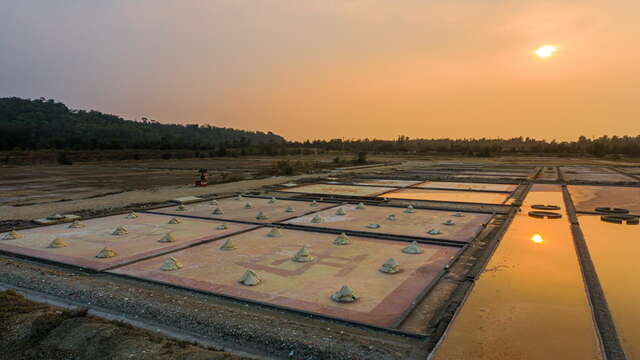
Image source: Taiwan_Opendata; license credits as shown.
Overview
Located in Jinsha Township, Xiyuan Salt Fields introduces visitors to Kinmen’s salt-making industry, which has a history of nearly 1,100 years. The site uses illustrated displays to present the unique features of Kinmen’s salt industry and the role salt played in the daily lives of local residents.
Highlights
Xiyuan Salt Fields, located in Jinsha Township, Kinmen County, introduces visitors to Kinmen’s salt-making history and salt culture, which dates back nearly 700 years and in fact more than 1,000 years. The site uses illustrated displays to show the distinctive features of Kinmen’s salt industry and the role salt played in residents’ daily lives, while preserving the former salt-drying grounds so visitors can experience both history and the salt-pan landscape.
What to See
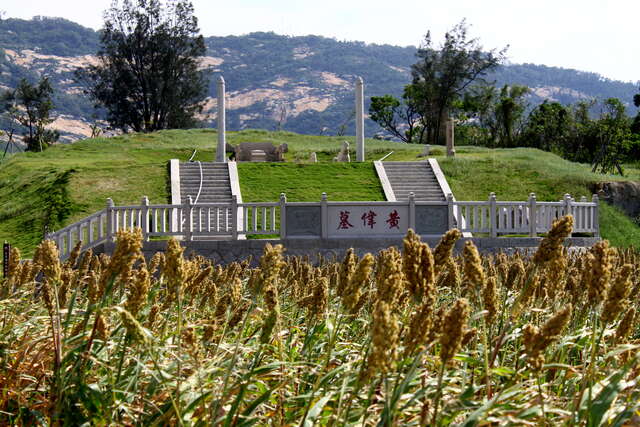
- Illustrated display area: Learn about the development of Kinmen’s salt industry, salt-making methods, and the uses of salt in local life. - Former salt-drying grounds: The site preserves the old salt-drying space, making it a good place to observe the salt-pan scenery and take photos. - "Hankong Merit Stele for the Envoy of Qingwuzhou Salt Fields": A record of Kinmen’s salt-industry development and the deeds of related historical figures. - "Yongan Bridge Stele": Reflects the important role Xiyuan played in the history of salt production.
Address
No. 1, Xiyuan, Xiyuan Village, Jinsha Township, Kinmen County 890 Phone: (08) 2355763
Travel Tips
- It is best to visit during the daytime, when the illustrated exhibits and outdoor salt-pan scenery are easier to see. - Because there is an outdoor drying area, it is recommended to bring a hat, sun protection, a light jacket, and comfortable walking shoes. - To deepen your understanding, consider combining the visit with a guided tour or information from local cultural centers. - During event periods, some experiences may include salt-drying demonstrations and hands-on activities, which are suitable for families and travelers interested in local industries.
FAQ
- What kind of attraction is Xiyuan Salt Fields? Xiyuan Salt Fields is a cultural attraction themed around Kinmen’s salt history and salt-pan culture. - What can visitors see here? Visitors can see illustrated exhibits about Kinmen’s salt industry, the former salt-drying grounds, and two important steles that help explain Xiyuan’s role in salt production. - What kinds of travelers is it suitable for? It is suitable for travelers who want to learn about Kinmen’s local industries, history and culture, outdoor scenery, and photo spots. - What should visitors pay attention to? Because there are outdoor salt-pan areas and walking sections, it is recommended to prepare for sun exposure and wear light, comfortable clothing and shoes.