Xue Yongnan Brothers Building
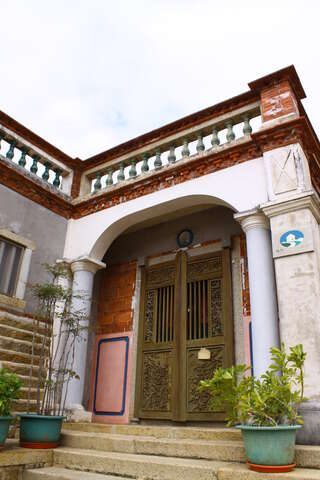
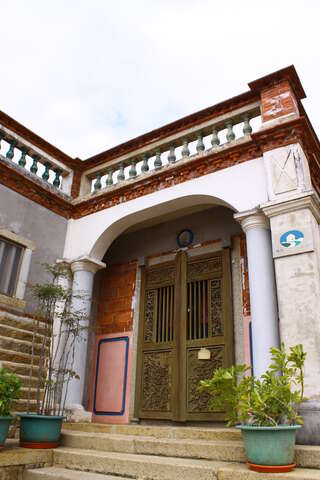
Image source: Taiwan_Opendata; license credits as shown.
Overview
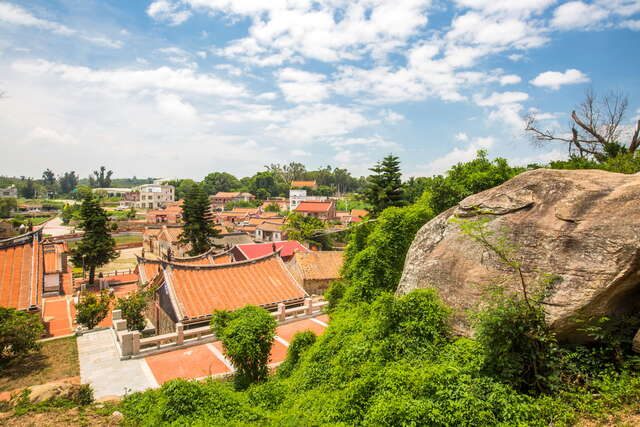
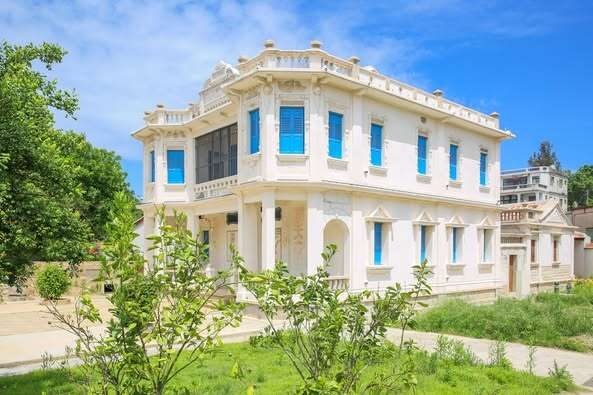
This Western-style building was constructed by the Xue Yongnan brothers during the Guangxu period of the Qing Dynasty after they became wealthy from business in the Philippines. Its traditional layout features one hall and four rooms per floor, continuous arched columns, and a lookout tower for guarding, all of which reveal its ancient charm. If you ascend to the second floor, you can enjoy a view of the Zhu Mountain settlement centered around the ancestral hall from the outer corridor.
Highlights
This Western-style building is a landmark of Zhu Mountain, built by the Xue Yongnan brothers after they became wealthy from business in the Philippines during the Guangxu period of the Qing Dynasty. It showcases the historical memory and traditional Fujian-style settlement of Kinmen. Architectural features include a traditional layout of one hall and four rooms per floor, continuous arched columns, a lookout tower originally used for guarding, and the opportunity to enjoy a distant view of the Zhu Mountain settlement centered around the ancestral hall from the second-floor outer corridor. The overall atmosphere is rustic, making it suitable for travelers who appreciate ancient houses, Western-style buildings, and settlement landscapes.
What to See
- **Main Western-style Building**: Observe the traditional layout, brick structure, and Western-style facade, showcasing the characteristics of Kinmen's overseas Chinese architecture. - **Continuous Arched Columns and Arcade Space**: A visual highlight common in such Western-style buildings, allowing visitors to feel the historical significance and scale of the architecture. - **Lookout Tower**: Located at the back of the building, originally used for guarding and lookout purposes, reflecting the local security and defense needs of earlier times. - **Second-Floor Outer Corridor View**: Offers a view of the Zhu Mountain settlement centered around the ancestral hall, making it one of the best spots to understand the spatial organization of the settlement.
Travel Tips
- **Best Time to Visit**: It is recommended to visit during the day for a clearer observation of the building's facade, arcade, and settlement layers, and it is also convenient to ascend to the second floor for the view. - **Dress Code**: Since it is located in an ancient house and settlement environment, it is advisable to wear comfortable shoes for easy movement around the surrounding alleys and stone paths. - **Visiting Method**: This place currently serves as a cultural space and guesthouse. If you wish to enter or stay, it is recommended to check the current opening status and whether reservations are needed. - **Photography Tips**: You can capture the arcade from the exterior, the lookout tower at the back, and the view of the settlement from the second-floor outer corridor. - **Recommended Nearby Attractions**: You can visit the ancestral hall and surrounding traditional buildings within the Zhu Mountain settlement to better understand the overall spatial context.
FAQ
Q: What is the Xue Yongnan Brothers Building? A: The Xue Yongnan Brothers Building is a traditional Western-style building located in Zhu Mountain, Kinmen, representing the architectural heritage built by the Xue Yongnan brothers after they became wealthy from business in the Philippines. Q: What is the highlight to see here? A: The highlights include the traditional layout of the building, continuous arched columns, the lookout tower at the back, and the view of the Zhu Mountain settlement from the second-floor outer corridor. Q: How should I plan my visit to the Xue Yongnan Brothers Building? A: It is recommended to visit during the day and combine it with a visit to the Zhu Mountain settlement to appreciate both the architectural details and the settlement space simultaneously. Q: Can I stay here now? A: Official and travel information indicates that the Xue Yongnan Brothers Building has been used as a guesthouse, belonging to the category of ancient house guesthouses. The actual accommodation and opening status should be confirmed based on on-site or operator announcements.