Yokoamicho Park
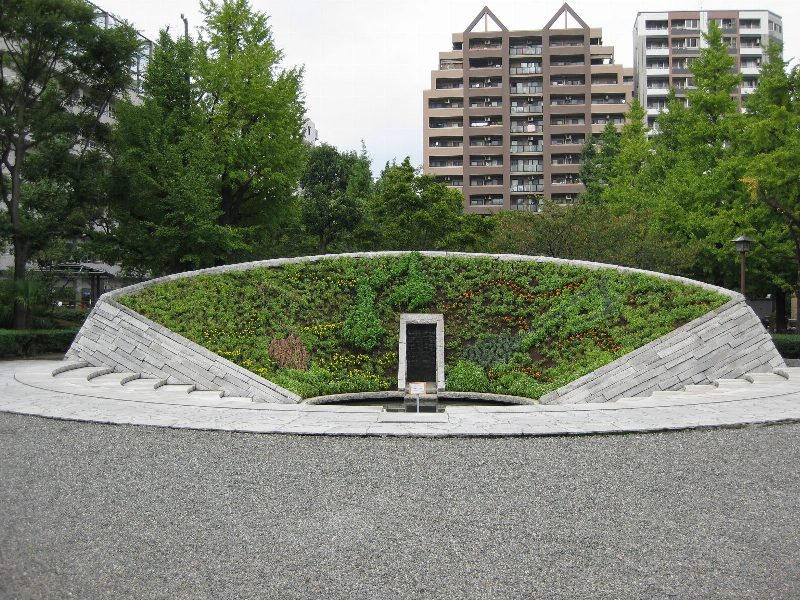
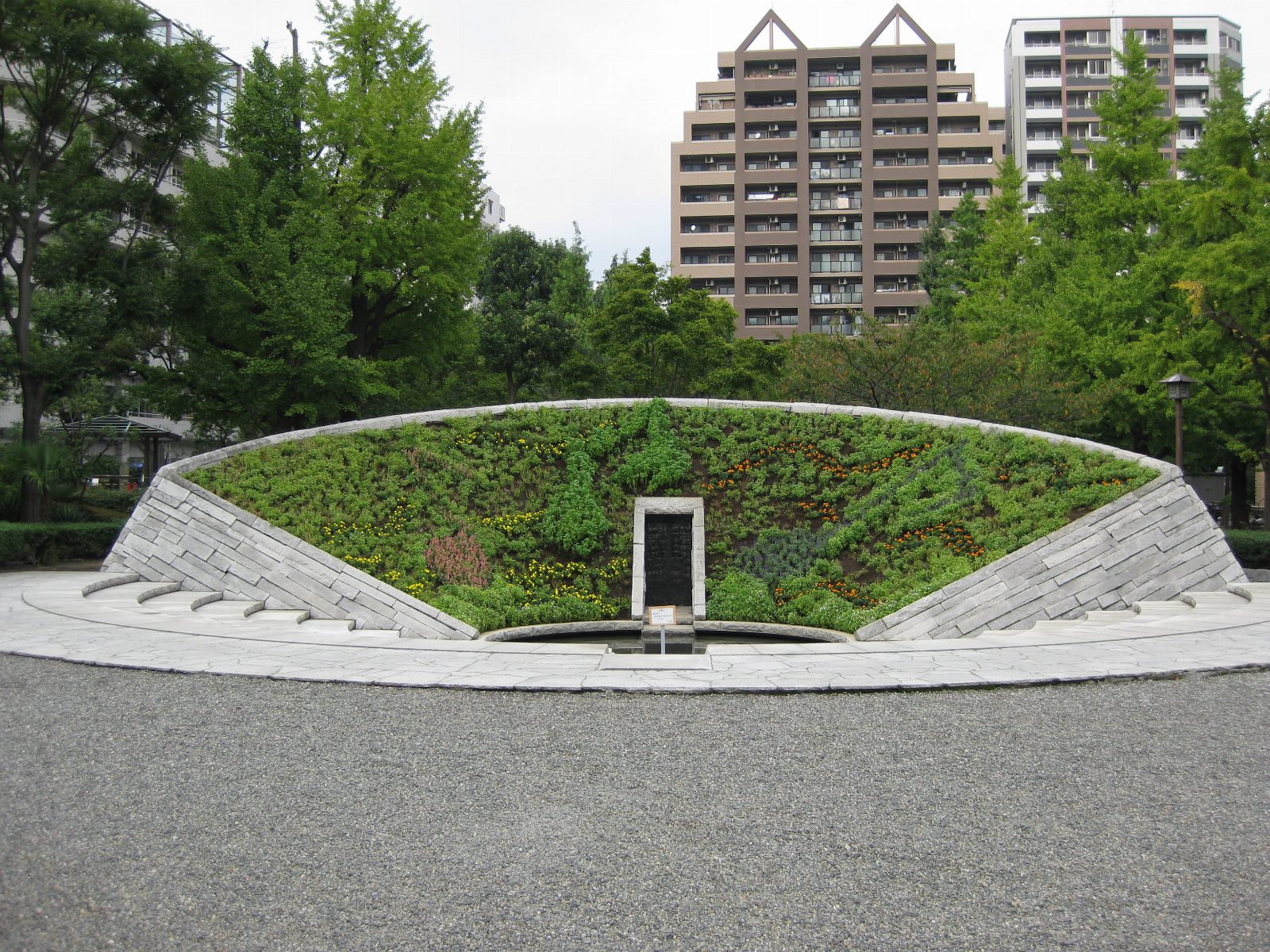
Image source: Wikimedia Commons; license credits as shown.
Overview
Yokoamicho Park is a metropolitan park located in the Sumida Ward of Tokyo, serving as an important memorial space for the victims of the Great Kanto Earthquake and the Tokyo air raids. The park features facilities such as the Tokyo Memorial Hall and the Reconstruction Memorial Museum, creating a solemn atmosphere amidst tranquil greenery, combining historical remembrance with a space for public relaxation. The park is close to the Ryogoku area and the Edo-Tokyo Museum, making it a unique spot that blends history, culture, and a place for leisurely walks and flower viewing.
Getting There
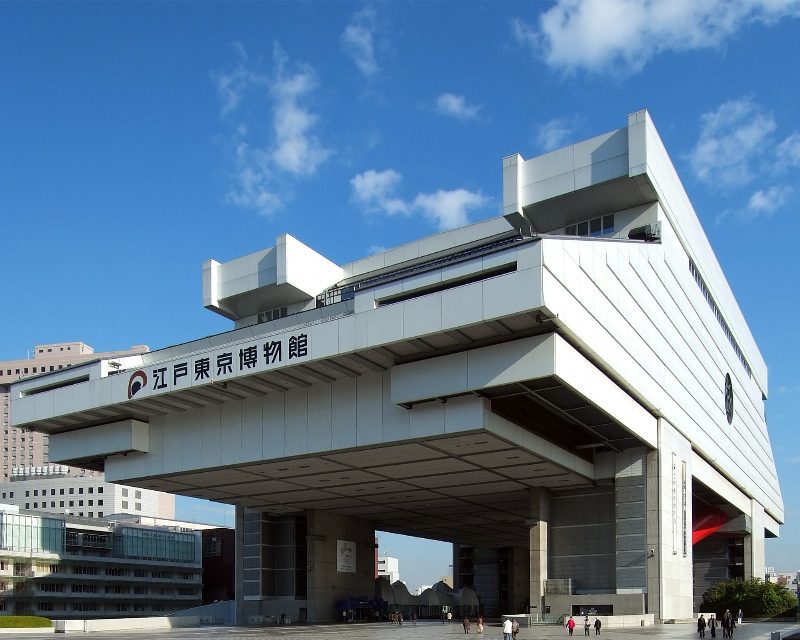
The easiest way to reach Yokoamicho Park is to take the JR Sobu Line to 'Ryogoku Station' and walk about 10 minutes from the west exit. You can also take the Toei Oedo Line to 'Ryogoku Station', and after exiting from A3 or A4, it takes about 10–12 minutes to walk to the park's north entrance. The park is located just north of the Edo-Tokyo Museum, which is only a few minutes' walk away.
Highlights
The main feature of Yokoamicho Park is its dual role as both a memorial park and an urban green space. The park concentrates on commemorating the victims of the 1923 Great Kanto Earthquake and the World War II Tokyo air raids, making it an important site for understanding Tokyo's disaster history and recovery process. The central area of the park houses the Tokyo Memorial Hall and the Reconstruction Memorial Museum, which convey memories of disasters through architecture and exhibitions, allowing visitors to reflect on life and peace in a serene environment. The park is also planted with cherry blossoms and seasonal flowers, making it a rare tranquil spot for flower viewing in the Ryogoku area during spring when the cherry blossoms bloom, and it is relatively less crowded on weekdays.
What to See
1. Tokyo Memorial Hall: Located in the center of the park, this is the main memorial facility built to honor the victims of the Great Kanto Earthquake and the Tokyo air raids, housing a large number of remains of the deceased, creating a solemn atmosphere. 2. Reconstruction Memorial Museum (Tokyo Reconstruction Memorial Museum): Situated within the park, it showcases information about the damage caused by the Great Kanto Earthquake, reconstruction efforts, and wartime air raid data, serving as a free museum to understand Tokyo's modern disaster history. 3. Air Raid Victims Memorial Monument and Related Memorial Facilities: The park features inscriptions and altars commemorating the victims of the Tokyo air raids, and in 2001, a memorial space for the victims was established for future generations to pay their respects to over 100,000 deceased. 4. Park Plaza and Walking Paths: The tree-shaded plaza and walking paths are built around the memorial facilities, providing a space for the public to sit, walk, and reflect, and it is also a popular spot for travelers to photograph the solemn architecture and natural scenery. 5. Cherry Blossoms and Flower Bed Scenery: Starting in March each year, the cherry blossoms and flower beds in the park bloom successively, creating a scene that is tinged with a sense of melancholy yet full of hope, regarded by travelers as a lesser-known flower viewing secret in the Ryogoku area.
Hours & Admission
Yokoamicho Park is an open city park, accessible year-round and 24 hours a day, with no admission fee required. The Tokyo Memorial Hall and the Reconstruction Memorial Museum are usually free to visit, but their opening hours and closed days may differ from those of the park, so it is recommended to check the official information for the latest operating hours and holidays before visiting. During specific memorial ceremonies or commemorative events, some areas may be restricted, and visitors should adhere to on-site announcements.
Address
2-3-25 Yokoamicho, Sumida Ward, Tokyo, Japan, Postal Code 130-0015.
Travel Tips
It is recommended to allocate about 1.5 to 3 hours for visiting Yokoamicho Park, including time for walking around the park and visiting the Tokyo Memorial Hall and the Reconstruction Memorial Museum, to better understand its historical significance. Since this area primarily serves as a memorial park, the atmosphere is quiet and solemn; it is advisable to lower your volume when taking photos or conversing and to avoid loud noises to respect the visitors and families who come to mourn. Spring is a popular season for cherry blossoms and flower beds, while the summer heat can be mitigated by the shade of the trees, but it is advisable to prepare sunscreen and water; on rainy days, be cautious of slippery surfaces and bring rain gear as most areas are outdoors. The park is within walking distance of both the Ryogoku Kokugikan and the Edo-Tokyo Museum, making it possible to plan a day of walking that combines history and culture.
Nearby Dining
There are no large restaurants within Yokoamicho Park, so it is recommended to find food around the nearby Ryogoku Station or near the Ryogoku Kokugikan, where you can find several sumo hot pot (chanko nabe) and Japanese izakaya restaurants. There are also cafes and chain restaurants in front of Ryogoku Station for light meals and coffee, suitable for arranging dining before or after visiting the park and museum. If you plan to stay for a long time, you can also buy bento or light snacks around the station to enjoy in designated areas of the park, but you must clean up after yourself and follow Japanese park etiquette.
FAQ
Q: What events does Yokoamicho Park primarily commemorate? A: Yokoamicho Park primarily commemorates the victims of the 1923 Great Kanto Earthquake and the Tokyo air raids during World War II, witnessing Tokyo's history of recovery from disaster. The Tokyo Memorial Hall within the park houses a large number of remains of the deceased, while the Reconstruction Memorial Museum records the disaster and reconstruction process through artifacts and images, making the park a true memorial and peace education site. Q: Does Yokoamicho Park have opening hours and admission fees? A: Yokoamicho Park is a metropolitan park, open year-round and 24 hours a day, with free admission. However, individual facilities within the park, such as the memorial hall and reconstruction museum, have their own opening hours and closed days, so it is advisable to check official information before visiting to know the latest opening times. Q: What is the easiest way to get to Yokoamicho Park? A: The easiest way to reach Yokoamicho Park is to take the JR Sobu Line to Ryogoku Station, and walk about 10 minutes from the west exit to the park entrance. You can also take the Toei Oedo Line to Ryogoku Station, walking about 10–12 minutes from A3 or A4 exits, passing landmarks like the Edo-Tokyo Museum along the way, making the route easy to identify. Q: Is Yokoamicho Park suitable for children? A: Although Yokoamicho Park has green spaces and walking paths, the park's theme focuses on disaster memorialization and historical education, creating a solemn atmosphere that is more suitable for adults or older children interested in Japanese history and war issues. If bringing children, it is recommended to briefly explain the nature of the park to them beforehand and remind them to maintain quietness and respect to avoid disturbing other mourners. Q: Do I need to make a reservation for a guided tour or purchase a ticket to visit Yokoamicho Park? A: Generally, independent travelers do not need to make a reservation to visit Yokoamicho Park, as the park and most facilities are freely accessible and free of charge. If you wish for a more in-depth historical explanation, you can look out for walking tours offered by travel agencies or guides focusing on the Great Kanto Earthquake and the Tokyo air raids, some of which may connect Yokoamicho Park with surrounding historical sites, but usually require prior registration to participate.