Bada Tower
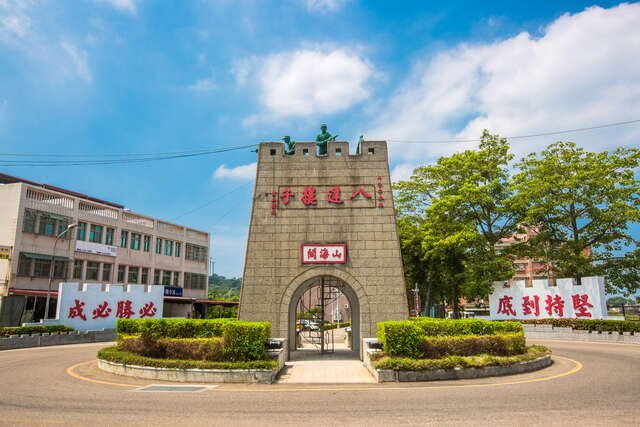
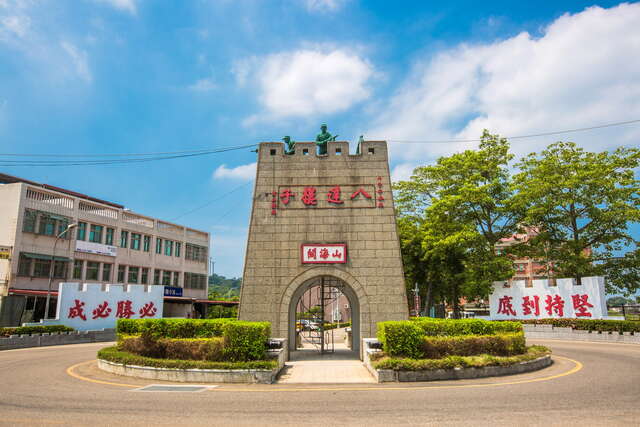
Image source: Taiwan_Opendata; license credits as shown.
Overview
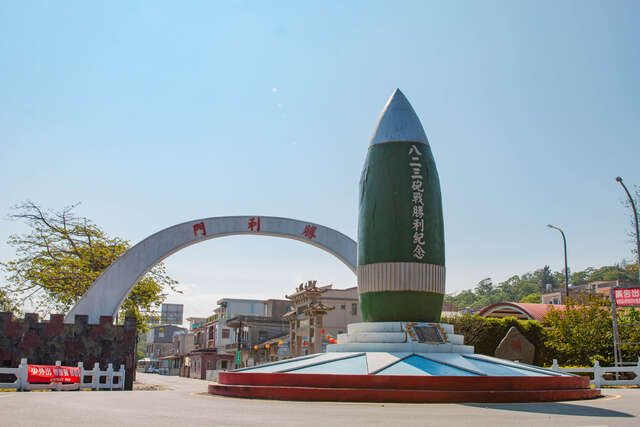
The famous Bada Tower, located at the intersection of Jiu Jing Road and Ba Qing Road in Lieyu, is a castle-style building approximately several dozen meters high. Atop the tower are statues of seven brave soldiers, each in a battle-ready stance, holding grenades or machine guns. This monument commemorates the seven warriors who heroically sacrificed their lives during the 1933 Anti-Japanese War while defending the ancient pass at the Great Wall of Gubeikou, successfully completing their mission after killing hundreds of enemies.
Highlights
Bada Tower is a commemorative military landmark designed to honor the seven anti-Japanese warriors who sacrificed their lives during the 1933 Battle of Gubeikou at the Great Wall. Its square castle-like structure and the statues of the seven warriors on the roof symbolize the bravery and spirit of the frontline in Lieyu, making it a highly representative landmark in Little Kinmen.
What to See
1. Castle-style watchtower: Bada Tower is a square watchtower-style building that resembles the Bada Tower from the Great Wall era. It stands about eight meters tall with two stories, featuring an arched entrance and thick walls that showcase its military defensive characteristics. 2. Statues of the Seven Warriors: The roof features statues of seven soldiers positioned in a battle-ready stance, holding grenades or machine guns, vividly symbolizing the heroic deeds of the seven soldiers who defended Gubeikou during the 1933 battle, fighting against overwhelming odds and ultimately sacrificing their lives. 3. Inspirational slogans and inscriptions of the four major fortresses of the Great Wall: The short walls and flower beds surrounding the tower are engraved with slogans such as "Independent Operations," "Self-Reliance," "Perseverance," and "Victory is Certain," as well as the names of the four major fortresses of the Great Wall: "Gubeikou," "Shanhaiguan," "Xifengkou," and "Jiumenkou," reflecting the fighting spirit and historical background of the soldiers at the frontline. 4. Internal stairs and viewing angles: The tower has stairs leading to the roof, allowing visitors to get a close-up view of the statues of the seven warriors from the second floor and the roof, while overlooking the surrounding scenery of the Xizhai community and the roundabout, experiencing the atmosphere of the battlefield intertwined with the settlement in Little Kinmen. 5. Landmark and surrounding attractions: Bada Tower is located at the roundabout where Jiu Jing Road and Ba Qing Road intersect in Lieyu, serving as a prominent landmark for various travel routes in Little Kinmen. It is often included in the same itinerary as other battlefield sites such as General's Fort, Warrior's Fort, and Iron Man's Fort, making it suitable as a starting point or stopover for a tour around Lieyu.
Travel Tips
1. Recommended duration and arrangements: Visitors should allocate about 30 minutes to 1 hour for Bada Tower, which can be combined with other battlefield sites in Lieyu for a half-day or full-day tour, suitable for self-driving, motorbiking, or group tours following the roundabout route. 2. Transportation and navigation tips: The site is located in front of Xizhai Village in Lieyu Township, near the roundabout at the intersection of Jiu Jing Road and Ba Qing Road. Using "Bada Tower" or "Xizhai" as navigation keywords will make it easy to find, as it is one of the important landmarks on the road network in Little Kinmen. 3. Visiting route and safety: The tower has stairs leading to the roof, and visitors are advised to watch their steps and hold onto the handrails while climbing. Be cautious of slippery surfaces on rainy days; if visiting with children, it is recommended to explain the historical story downstairs first and then decide whether to ascend together based on the situation. 4. Best visiting times and weather: Most travelers arrange visits during the daytime, as clear weather is suitable for photographing the castle's exterior and the details of the statues. If it is sunny, it is advisable to prepare sun hats, sunscreen, and water. In winter, when the northeast monsoon is strong, be mindful of the cold and wind on the roof. 5. Historical atmosphere and etiquette: Bada Tower is a spiritual fortress commemorating the seven warriors of the Anti-Japanese War. Visitors should maintain a solemn and respectful demeanor while visiting. It is recommended to read about the Great Wall battle and the background of the Gubeikou defenders beforehand to better understand the significance of the statues and slogans. 6. Guided tours and explanations: If possible, participating in local guided tours or battlefield cultural theme itineraries can be beneficial, as guides often focus on Bada Tower as one of the key points, helping to understand how the spirit of the "Seven Warriors" continued at the frontline after the Great Wall troops arrived in Lieyu. 7. Photography tips: It is recommended to take photos from the opposite side of the roundabout or slightly further back to capture the entire view of the castle and the seven warriors on the roof, while also documenting the road and village scenery, presenting a unique image of a "battlefield landmark within a settlement."
Nearby Dining
Near Bada Tower, there are small shops selling local specialties and light snacks. Among them, the "Jin Rui Cheng Rice Cake Factory Bada Tower Branch" is located right next to the roundabout, selling traditional Kinmen products such as rice cakes and peanut candy, making it a convenient choice for tourists to buy souvenirs and quick refreshments after visiting the site. If planning a half-day or full-day tour in Lieyu, visitors can also explore nearby settlements or the harbor area for food, enjoying Kinmen noodles, seafood, and battlefield-style snacks.
FAQ
Q: What historical event does Bada Tower primarily commemorate? A: Bada Tower was primarily built to commemorate the seven soldiers of the National Revolutionary Army who heroically fought against the Japanese during the 1933 Battle of Gubeikou, sacrificing their lives after killing hundreds of enemies. These seven soldiers belonged to the 1st Battalion of the 145th Regiment of the 25th Division of the National Revolutionary Army. During the "Great Wall Battle," they defended the Gubeikou pass at Bada Ling, completing their mission against overwhelming odds and ultimately sacrificing their lives. Afterward, the Japanese even buried the seven together and erected a monument in their honor, and their loyalty and bravery became a symbol of the Great Wall troops. Later, when the troops were stationed in Lieyu, this tower was built to continue the military spirit. Q: What are the highlights of visiting Bada Tower? A: The most important highlights of visiting Bada Tower are the castle-style watchtower and the statues of the seven brave soldiers on the roof, as well as the decorative designs symbolizing the four major fortresses of the Great Wall and the battlefield spirit slogans surrounding it. Visitors can enter the tower through the arched entrance, climb the stairs to the roof, and closely appreciate the battle-ready poses of the seven warriors holding grenades or machine guns, while also observing the inscriptions on the walls such as "Gubeikou," "Shanhaiguan," "Xifengkou," "Jiumenkou," and slogans like "Independent Operations," "Self-Reliance," "Perseverance," and "Victory is Certain," to understand the significance of this spiritual fortress for the soldiers at the frontline through visual elements. Q: Is it easy to get to Bada Tower? A: Bada Tower is located at the roundabout where Jiu Jing Road and Ba Qing Road intersect in Lieyu Township, making it an important landmark on the roads of Little Kinmen. It is relatively easy to reach whether driving, riding a motorcycle, or participating in local tours. Due to its prominent location, there are many signs along the way, and it is often included in the routes for island tours and battlefield sites. Visitors can easily approach the roundabout from other popular attractions such as General's Fort and Warrior's Fort by following the main roads. Q: Are there any special considerations when visiting Bada Tower? A: When visiting Bada Tower, it is important to pay attention to safety while climbing and to the weather conditions, and to respect its nature as a spiritual fortress commemorating the heroes of the battle. If choosing to ascend to the second floor and the roof, be cautious of the height of the stairs and slippery conditions, and avoid staying on the roof for too long during windy or rainy days. In summer, prepare for sun exposure and bring water, while in winter, be mindful of warmth during the northeast monsoon. It is recommended to maintain a solemn and quiet demeanor while visiting and photographing, treating this place as an outdoor classroom for understanding modern warfare and anti-Japanese history, rather than just a photo spot.