Beiji Temple
Taiwan · Kinmen County · Jinsha Township · Temples & Shrines

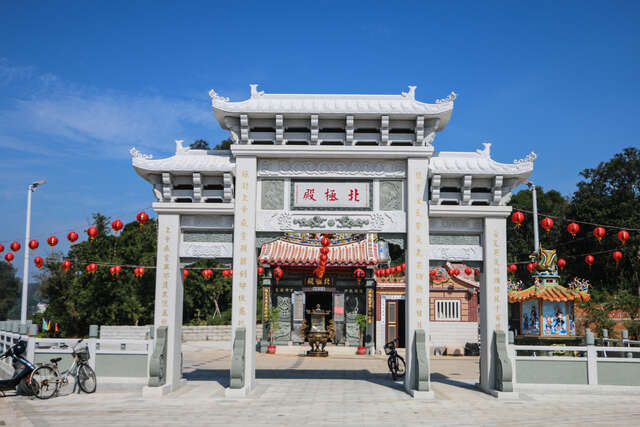
Image source: Taiwan_Opendata; license credits as shown.
Overview
Located in the Wukeng settlement of Kinmen, Beiji Temple is an important center of faith for local residents. The temple was built during the Guangxu period of the Qing Dynasty, boasting a long history, and is dedicated to Xuantian Shangdi, the guardian deity of the village. The right shrine enshrines Guanyin Bodhisattva, while the left shrine is dedicated to Enzhu Gong and Enzhu Niang, with numerous deities providing blessings for the villagers' health and safety.
Highlights
Beiji Temple is a significant center of faith in the Wukeng settlement and serves as the guardian temple of the village, primarily worshipping Xuantian Shangdi. The temple's history dates back to the Guangxu period of the Qing Dynasty, reflecting a rich atmosphere of traditional folk beliefs and local cultural heritage. Although the temple space is not as grand as larger temples, its long history and numerous deities make it an excellent spot to understand the religious life and local customs of the Wukeng settlement.
What to See
1. Temple Courtyard and Settlement Environment: Beiji Temple is situated within the Wukeng settlement, and the courtyard in front often serves as a space for community activities and religious ceremonies, allowing visitors to experience the close-knit relationship between the village and the temple. 2. Main Hall of Xuantian Shangdi: The main hall enshrines Xuantian Shangdi, the guardian deity of the village, with a thriving incense offering, making it the primary object of worship for residents seeking peace, health, and success in their endeavors. 3. Right Shrine of Guanyin Bodhisattva: The right shrine is dedicated to Guanyin Bodhisattva, symbolizing compassion and relief from suffering, making it suitable for devotees to pray for good fortune, family harmony, and spiritual peace. 4. Left Shrine of Enzhu Gong and Enzhu Niang: The left shrine enshrines Enzhu Gong and Enzhu Niang, showcasing the diversity of the belief system, often sought by local residents for protection, healing, or family safety. 5. Architectural Style from the Guangxu Period: Beiji Temple was established during the Guangxu period of the Qing Dynasty, preserving traditional temple layouts and decorative details, including woodwork, carvings, and paintings, providing a glimpse into the historical appearance of early small village temples in Kinmen.
Address
No. 32-1, Wukeng, Xiyuan Village, Jincheng Township, Kinmen County 890 Phone: (08) 2351836
Travel Tips
It is recommended to arrange a visit to Beiji Temple along with other nearby attractions in Jincheng Town, serving as a stop to explore the traditional village culture on the northeastern side of Kinmen. The duration of the visit can be adjusted based on personal worship and photography needs. When visiting, it is advisable to prepare incense or simple offerings, and according to local customs, first inform Xuantian Shangdi of your name and purpose, then proceed to worship Guanyin Bodhisattva and Enzhu Gong, Enzhu Niang in order, respecting local customs and flow arrangements. As the temple is a significant place of local faith, be mindful of any areas where photography is prohibited before taking pictures, and avoid loud noises, running, or wearing overly revealing clothing to maintain a solemn atmosphere. If there are local rituals or temple festivals, the site may be lively and crowded; it is advisable to check Kinmen County's relevant event information in advance to decide whether to avoid the crowds or specifically visit to experience the festive atmosphere. The area around Beiji Temple consists mainly of narrow village alleys; those driving should be cautious of oncoming traffic and parking locations, while walking or riding a scooter is more convenient for exploring the settlement.
FAQ
Q: Which deity is primarily worshipped at Beiji Temple? A: The main deity worshipped at Beiji Temple is Xuantian Shangdi, regarded by the residents of Wukeng settlement as the guardian deity of the village. The main hall enshrines Xuantian Shangdi, where residents often pray for peace, health, and family prosperity, and frequently visit during important festivals or personal significant events. Q: Besides the main deity, what other deities can be worshipped at Beiji Temple? A: In addition to the main deity Xuantian Shangdi, the right shrine enshrines Guanyin Bodhisattva, while the left shrine is dedicated to Enzhu Gong and Enzhu Niang, forming a belief system with multiple deities. Devotees can pray for protection at different shrines according to their needs, including seeking peace, health, family harmony, or relief from worries. Q: What kind of travel itinerary is suitable for visiting Beiji Temple? A: Beiji Temple is well-suited to be arranged alongside a walking tour of the nearby settlements and temples in Jincheng, serving as a midway stop to experience local religious culture and traditional village scenery. Travelers can stroll through the village alleys for photography before entering the temple for worship, and then continue to explore other natural landscapes, battle relics, or settlement attractions in Jincheng. Q: Are there any etiquette considerations when visiting Beiji Temple? A: When visiting Beiji Temple, it is important to maintain silence and respect. It is recommended to remove hats and lower your voice before entering the temple, and to avoid eating or making noise inside. If you wish to take photos, first observe if there are any areas where photography is prohibited and avoid close-up shots of the deities. During worship, follow the temple's flow and instructions for incense offerings.