Zhang Wendi Western-style House
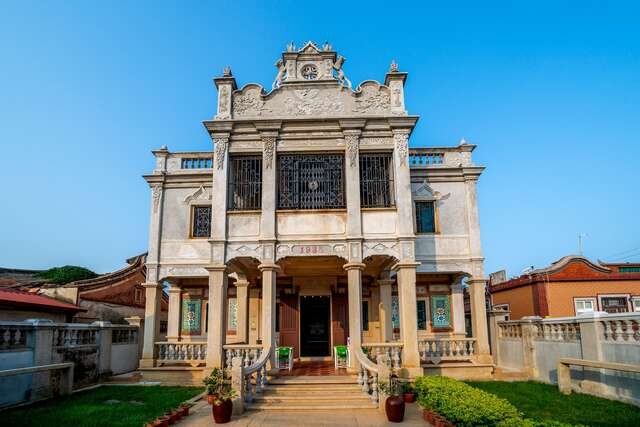
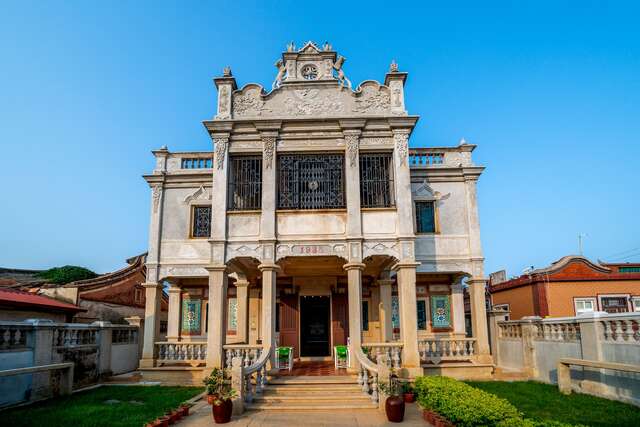
Image source: Taiwan_Opendata; license credits as shown.
Overview
Founded by Zhang Wendi, born in the 23rd year of the Guangxu era (1897) and passed away in 1987. His father, Zhang Guixiang, went to Southeast Asia in the 26th year of the Guangxu era (1900) to develop business and brought Zhang Wendi and his brothers to Malaysia in 1916. Together, they established the business 'Ruixiang' and became wealthy through successful trade. In 1933, Zhang Wendi returned to his hometown to build a house for his parents, personally overseeing the construction, which took two years to complete. The house was meticulously designed in terms of overall structure, materials, and detailed decorations to ensure his parents could enjoy their later years comfortably.
Highlights
Zhang Wendi Western-style House is a blend of Chinese and Western architectural styles built by overseas Chinese returning from Southeast Asia to care for their parents, showcasing the history of Kinmen and the spirit of filial piety. The house is a two-story structure with a turtle-back design, featuring a pebble-washed exterior adorned with auspicious patterns like phoenixes and bats, merging Western elements like eagles and lions with Chinese motifs, reflecting the elegance of its era. The building has been used by both Japanese and Nationalist troops, witnessing Kinmen's transition from a prosperous trade hub to a frontline battlefield. Due to its significant cultural value, it has been registered as a historical building in Kinmen County and has undergone restoration for reuse, becoming an important site for showcasing Kinmen's Western-style house culture and heritage preservation achievements.
What to See
1. Exterior and Pebble-washed Facade: The exterior of Zhang Wendi Western-style House is covered with pebble-washing technique, presenting a simple and elegant white tone with straight lines, reflecting the refined character of overseas Chinese houses from the 1930s. The facade proportions are harmonious, combining elements like arches and balconies, making it a key angle for photography. 2. Turtle-back Two-story Layout and High Surrounding Walls: The building features a two-story turtle-back design with an additional floor at the back, maintaining a complete layout and a solid volume. Surrounded by high walls, it reflects the unstable situation of the early Republic era, serving both defensive and privacy functions for the residence, with separate entrances on both sides to create clear access routes. 3. Five-foot Base Semi-outdoor Space: The protruding part of the facade is designed as a five-foot base, creating a semi-outdoor space resembling a rain shelter corridor, where early residents could cool off, socialize, and conduct business. This area allows close observation of the wall decoration details and is an important place to experience the spatial sense of Kinmen's street houses. 4. Majolica Tiles and Painted Decorations: The five-foot base walls feature brightly colored majolica tiles, complemented by patterned paintings, adding vibrant details to the gray-white facade. The interior also extensively uses decorative tiles on floors and walls, showcasing the owner's emphasis on materials and aesthetics at the time. 5. Blended Chinese and Western Gable and Carvings: The roof gable incorporates Western-style eagle and lion carvings, along with Chinese auspicious symbols like phoenixes, bats, and vases, symbolizing longevity, wealth, and peace. Standing outside and looking up at the gable decorations offers a visual experience that merges foreign styles with traditional meanings. 6. Historical Military Occupation Traces: The Western-style house was used by both Japanese and Nationalist troops for a long time, and some spaces show traces of military adjustments. Although restored, its historical context as a site of wartime life remains clear and can be deeply appreciated by travelers interested in Kinmen's wartime culture. 7. Exhibition and Interpretation Space Post-restoration: After completing overall restoration and revitalization, the interior of the building is planned for cultural asset-related use, exhibitions, and interpretation spaces, introducing the story of the Zhang Wendi family, the history of overseas Chinese houses, and heritage preservation achievements. Visitors can learn how this place transformed from a private residence to a public cultural space through texts, photos, and guided tours.
Travel Tips
When visiting Zhang Wendi Western-style House, it is recommended to arrange visits to the overseas Chinese houses and settlements in Jincheng and Shabei to gain a more comprehensive understanding of Kinmen's Western-style house culture and the history of overseas Chinese. Kinmen has a subtropical climate, with cool springs and autumns, strong northeast monsoons in winter, and intense sunlight in summer. It is advisable to choose seasons that are less hot and windy based on personal heat tolerance. As the Western-style house is a historical building, be sure to avoid touching fragile components and decorative tiles during your visit, and refrain from climbing railings or leaning against old walls to maintain the safety of cultural assets. The indoor and outdoor stairs and turtle-back spaces may have height differences, so be cautious while walking; it is recommended that elderly visitors and children be accompanied. Before visiting, check if there are open hours or guided tour services available and whether reservations are needed; some areas may be temporarily closed during renovations or events. It is advisable to bring hats, sunscreen, and drinking water, and during the rainy season, carry rain gear for outdoor photography and appreciation of the building facade. The building is located in a settlement environment, so please keep the volume down during your visit to respect the daily lives of nearby residents, and take your trash with you to maintain cleanliness. If you have a deep interest in architecture and history, consider joining local guided tours or cultural lectures to connect the transformation of Zhang Wendi Western-style House from a filial residence to a military base and then to a cultural site.
FAQ
Q: What are the main highlights of Zhang Wendi Western-style House? A: The highlights of Zhang Wendi Western-style House include its unique turtle-back layout that blends Chinese and Western styles, the exquisite pebble-washed facade and majolica tiles, as well as the multiple stories that intertwine the history of overseas Chinese and wartime military memories. Visitors can admire the auspicious decorations of eagles, lions, phoenixes, and bats on the roof gable and closely observe the colorful tiles and facade details in the five-foot base space, while learning through explanations about the filial background of overseas Chinese returning home to build the house for their parents and the building's wartime history under Japanese and Nationalist occupation. Q: Do I need to make a reservation or pay an entrance fee to visit Zhang Wendi Western-style House? A: Whether a reservation or entrance fee is required will depend on the county government's operations and venue management methods. It is recommended to check the latest information from Kinmen's tourism or cultural units before visiting. Since the Western-style house is a restored historical building, if there are special exhibitions, events, or guided tours, different opening rules and visiting methods may apply, so confirming in advance can prevent disappointment. Q: How long should I plan to stay at Zhang Wendi Western-style House? A: The scale of Zhang Wendi Western-style House is not large, and it is generally recommended to allocate about half an hour to an hour to carefully observe the building facade, interior decorations, and explanatory content. If you are also interested in Kinmen's overseas Chinese houses and wartime history, and plan to stroll around nearby settlements, take photos, and read information boards, the overall stay time can be flexibly extended, making it a cultural stop in the itinerary of Jincheng and Shabei. Q: Are there any special considerations when visiting Zhang Wendi Western-style House? A: When visiting Zhang Wendi Western-style House, it is important to respect the historical building and the lives of surrounding residents, avoiding carving or forcefully colliding on walls, tiles, and railings. As the building is made of brick and wood and is quite old, the indoor and outdoor stairs and entrances may be narrow, and they may also be slippery after rain. It is advisable to wear non-slip shoes, walk slowly, and be mindful of height differences, allowing for safe enjoyment of the scenery and photography without disturbing others.