Gokoku-ji
Japan · Tokyo Metropolis · 文京區 · Landmarks
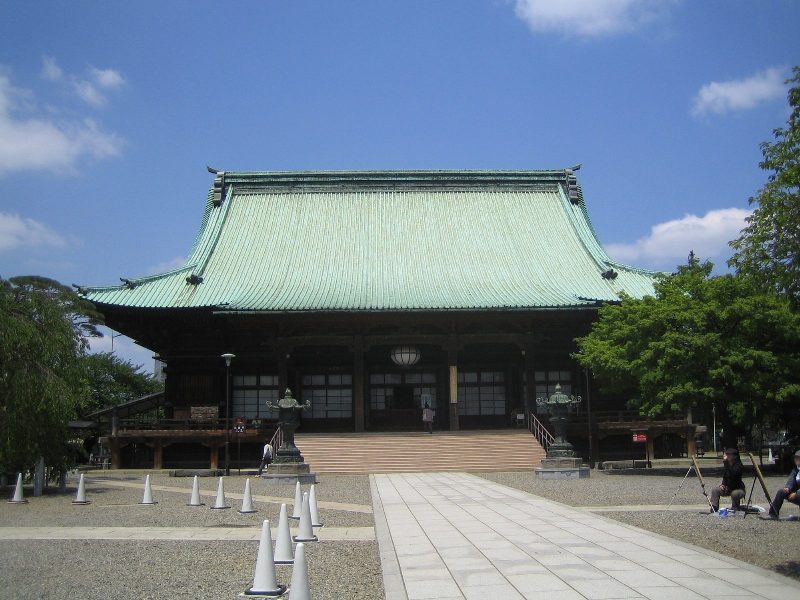
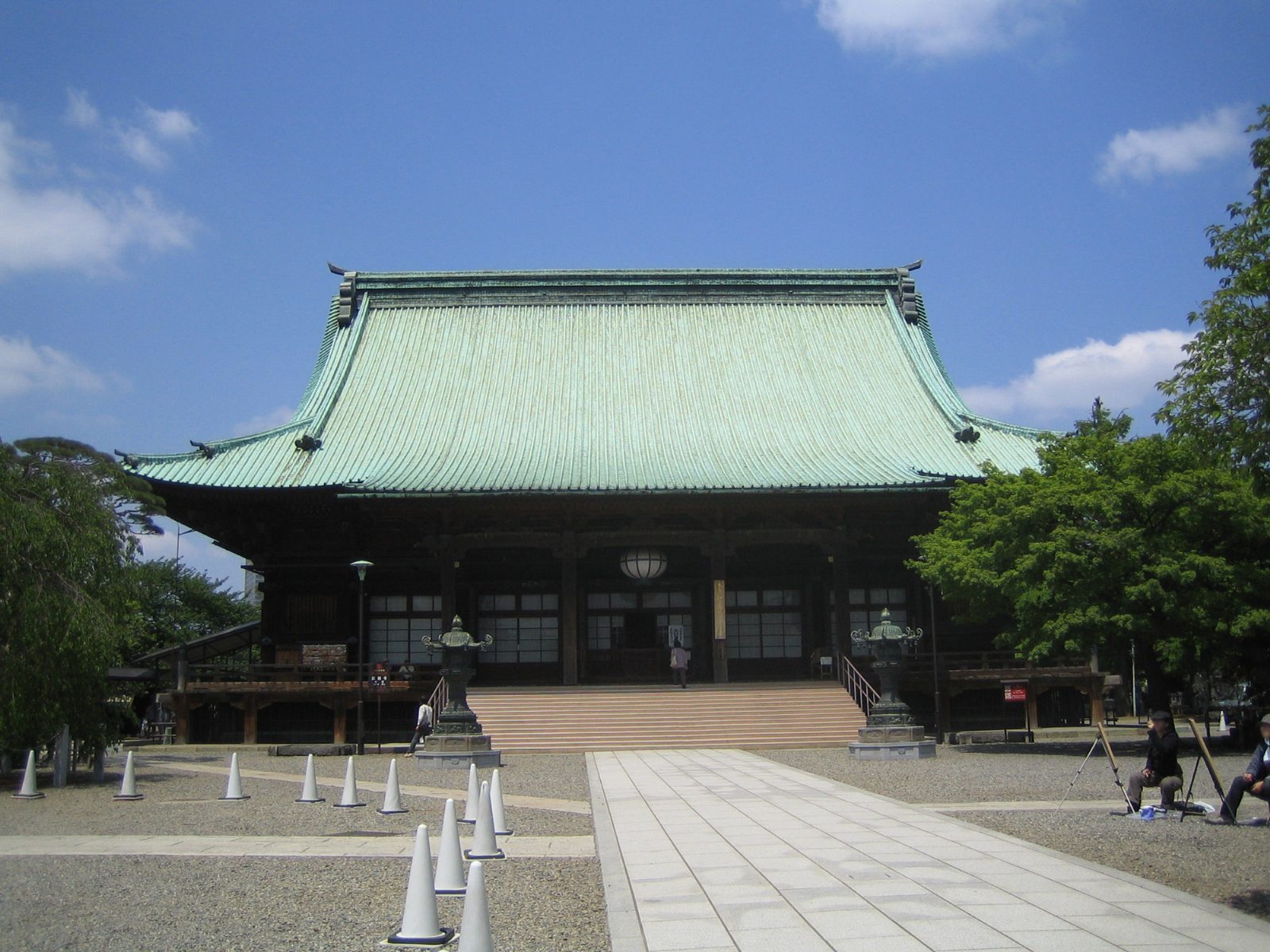
Image source: Wikimedia Commons; license credits as shown.
Overview
Gokoku-ji is a historic temple located in the Bunkyo ward of Tokyo, known for its complete preservation of the Edo period style. The temple was founded in 1681 by Tokugawa Tsunayoshi, the fifth shogun of the Tokugawa shogunate, in accordance with the wishes of his mother, Keishoin. The main deity is the Kannon of the Wish-Fulfilling Wheel, and several buildings within the temple, including the main hall and the Moonlight Hall, have been designated as Important Cultural Properties of Japan. Although situated in the heart of Tokyo, visitors can step into the serene and solemn temple space immediately upon exiting at the Gokoku-ji Station on the Yurakucho Line. The grounds also feature a famous cemetery, a Fuji mound, and a large Buddha statue, making it a popular cultural spot that combines history, religion, and a pleasant walking atmosphere.
Getting There
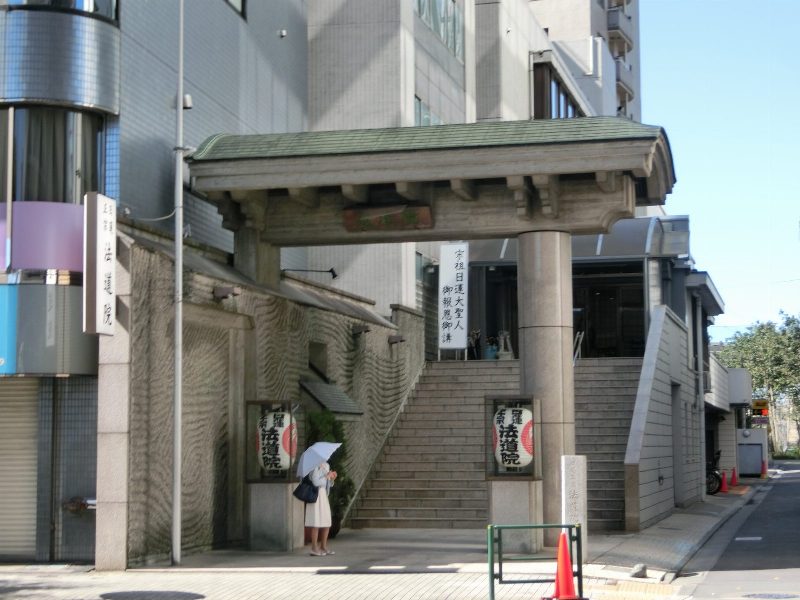
The most convenient way to reach Gokoku-ji is to take the Tokyo Metro Yurakucho Line to 'Gokoku-ji Station' and exit at Exit 1. The temple's main gate is visible immediately upon exiting, and it is about a 1-minute walk to the temple. From major stations like Ikebukuro and Shinjuku, you can transfer to the Yurakucho Line or other subway lines, reaching the Bunkyo ward area in approximately 10 to 20 minutes.
Highlights
The most distinctive feature of Gokoku-ji is its main hall, which, along with other buildings, has been preserved since the Genroku era, making it a significant example of Edo period temple architecture and designated as an Important Cultural Property of Japan. The temple's faith center is the Kannon of the Wish-Fulfilling Wheel, which is said to bless families with prosperity and fulfill wishes, attracting many worshippers on the 18th of each month during the special opening. In addition to the main hall, Moonlight Hall, the Immortal Gate, and the Tahōtō pagoda, there is also the Fuji mound known as 'Otowa Fuji,' a large Buddha statue, and the graves of several politicians and cultural figures from the Meiji period, providing rich historical and cultural viewing value. As one of the few large temple spaces in the city center, Gokoku-ji is also a hidden spot for walking, cherry blossom viewing, and participating in antique markets, offering a tranquil atmosphere distinct from the hustle and bustle of Tokyo's urban areas.
What to See
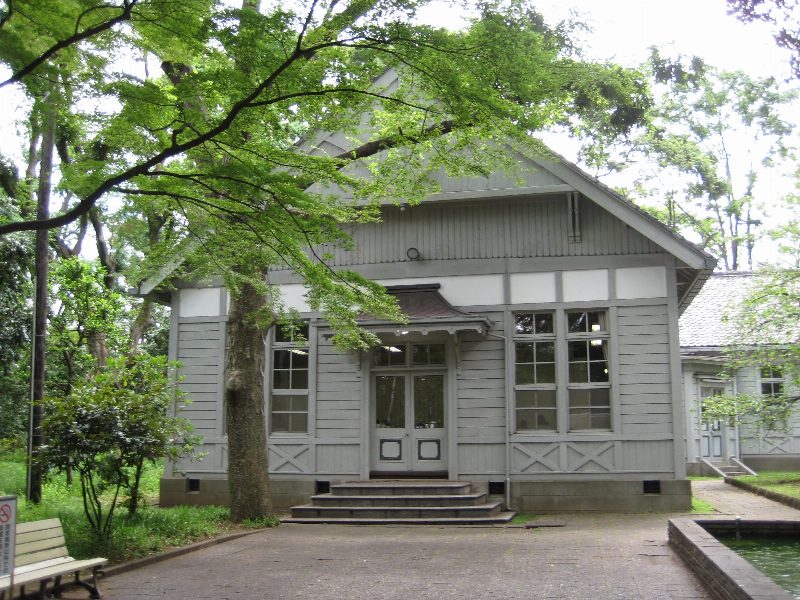
• Main Hall: The main hall of Gokoku-ji was built during the Genroku era and is one of the few large wooden Buddha halls that has maintained its original appearance despite the Kanto earthquake and wartime destruction. It has been designated as an Important Cultural Property. The hall is supported by 52 massive zelkova pillars, and inside, the Kannon of the Wish-Fulfilling Wheel is enshrined, allowing worshippers to closely admire the main deity and appreciate the intricate and exquisite wood carvings and Edo architectural craftsmanship. • Moonlight Hall: The Moonlight Hall is another Important Cultural Property within the temple grounds, originally relocated from a building associated with the shogunate family, retaining a strong Momoyama to early Edo period style. The interior is known for its elegant Shoin-style design, making it a rare tranquil space within the temple, with high artistic and historical value. • Immortal Gate and Tahōtō Pagoda: The Immortal Gate is one of Gokoku-ji's representative mountain gates, complemented by a wide stone staircase that creates a solemn approach. The Tahōtō pagoda, with its elegant multi-tiered structure surrounded by greenery, is a popular angle for photographers. • Royal and Celebrity Cemetery: After the death of Emperor Meiji's first son, the eastern part of Gokoku-ji was designated as a royal cemetery, becoming one of the modern imperial worship sites. The temple cemetery also houses the graves of important figures from the Meiji government, such as Yamagata Aritomo and Ōkuma Shigenobu, serving as an important clue to understanding modern Japanese political history. • Otowa Fuji and Large Buddha Statue: The 'Otowa Fuji' mound within the temple recreates the topography of Mount Fuji, allowing worshippers to symbolically 'climb Fuji' for blessings, representing a facet of Edo faith culture. The temple also features a large Buddha statue and several stone Buddhas and Jizō statues scattered in the shade and along the approach, enhancing the ancient temple's serene atmosphere. • Antique Market and Seasonal Scenery: On the second Saturday of each month, an antique market is held within the temple, gathering many antique dealers and enthusiasts, making it a great opportunity for treasure hunting and photography (usually canceled in case of rain). In spring, cherry blossoms, early summer greenery, and autumn leaves make Gokoku-ji a favored scenic walking route for locals in Bunkyo ward.
Hours & Admission
Visiting Gokoku-ji and general worship is free of charge, with no admission fee required. The main hall is typically open from 9:00 AM to 4:00 PM, temporarily closing from 12:00 PM to 1:00 PM, and is open year-round. However, hours may be adjusted during special ceremonies or events, so it is recommended to check the official website for the latest announcements before your visit. The 18th of each month is the day for the Kannon of the Wish-Fulfilling Wheel's special opening, when visitors can see the main deity; expect slightly larger crowds than usual, so allow extra time for worship. Many activities, such as the antique market, are organized by external parties, and the dates and times (such as the second Saturday of each month from 7:00 AM to 3:00 PM) may vary, so it is advisable to confirm with the organizers before heading out.
Address
1-40-1 Otsuka, Bunkyo-ku, Tokyo 112-0012, Japan
Travel Tips
The most comfortable seasons to visit Gokoku-ji are spring and autumn. In spring, you can enjoy cherry blossoms within the temple and surrounding neighborhoods, while in autumn, you can experience the beautiful scenery of the ancient temple adorned with autumn leaves. The temple is relatively quiet during weekdays, making it suitable for appreciating architectural details and strolling through the cemetery area. If you want to experience a lively atmosphere, consider visiting on the 18th of each month or during the antique market days. The temple grounds mainly consist of stone steps and gravel paths, so it is recommended to wear comfortable shoes; in summer, the sunlight can be strong and shade is sparse, so bring a hat and water to maintain your energy. The area surrounding Gokoku-ji is a quiet neighborhood with residential buildings, schools, and publishing houses, making it suitable for a stroll towards Otowa or around the Kodansha headquarters, or taking a short subway trip to connect with Ikebukuro or Edogawabashi for a half-day or full-day excursion. As the temple and surrounding area are religious and residential spaces, please avoid loud noises and close-up photography of graves and worshippers to show respect.
Nearby Dining
Although there are no large commercial districts around Gokoku-ji, there are many small cafes and local dining options along the Yurakucho Line from Gokoku-ji Station towards Edogawabashi and Ikebukuro. Several Japanese family restaurants, curry shops, and bakery cafes are located in the alleys near the station, making them ideal for a simple meal or a break before or after worship. If you wish for more restaurant and dessert options, you can take the Yurakucho Line one stop to Edogawabashi or two stops to Ikebukuro, where you can find a variety of choices from affordable ramen and izakayas to gourmet food in department store basements. There are no large restaurants within the temple grounds, usually only vending machines and some simple sales points, so it is advisable to eat beforehand or prepare simple snacks, and to observe the etiquette of not eating while walking and keeping the environment clean.
FAQ
Q: Is there an admission fee for Gokoku-ji? A: General worship and visiting Gokoku-ji are free, and no admission ticket is required. Some special exhibitions or events may have separate fees, which are usually announced on-site or on the official website, so it is recommended to check the latest information before your visit. Q: What are the opening hours of Gokoku-ji? A: The main hall of Gokoku-ji is typically open from 9:00 AM to 4:00 PM, with a temporary closure from 12:00 PM to 1:00 PM. The temple grounds are generally accessible, but during ceremonies, maintenance, or events, some buildings may have restricted access; the latest hours are subject to official announcements. Q: How do I get to Gokoku-ji using public transportation? A: The most convenient way to reach Gokoku-ji is to take the Tokyo Metro Yurakucho Line to 'Gokoku-ji Station,' and it is about a 1-minute walk to the temple's main gate from Exit 1. You can transfer to the Yurakucho Line from major stations like Ikebukuro, Shinjuku, and Tokyo Station, usually arriving in the Bunkyo ward area in about 10 to 20 minutes. Q: What are the special highlights of Gokoku-ji? A: Key highlights of Gokoku-ji include the main hall preserved since the Genroku era, the Moonlight Hall designated as an Important Cultural Property, the Immortal Gate and Tahōtō pagoda, as well as the Otowa Fuji mound and large Buddha statue. Additionally, the royal cemetery and the graves of notable figures like Yamagata Aritomo and Ōkuma Shigenobu showcase the modern historical context since the Meiji period, and the monthly antique market and seasonal floral scenery are also very popular among travelers. Q: Is Gokoku-ji suitable for visiting with children or elderly people? A: Gokoku-ji has a relatively quiet and gentle environment, making it suitable for walking with elderly people and children. However, there are longer stone steps in front of the main gate and around the main hall, so be mindful of footing and stamina. Strollers can be used on the flat approach and some areas within the temple, but it is safer to carry infants or hold hands before entering the main hall, where shoes must be removed; comfortable footwear and adequate water are recommended. Q: What other places can I visit nearby Gokoku-ji? A: From Gokoku-ji, you can stroll along the Otowa area towards the Kodansha headquarters, extending to Edogawabashi and Kagurazaka, which are literary and culinary districts. If you take the Yurakucho Line, you can reach the large commercial area of Ikebukuro in just a few minutes, making it convenient to combine a visit to the ancient temple with shopping and dining for a half-day or full-day itinerary.